
Beverages
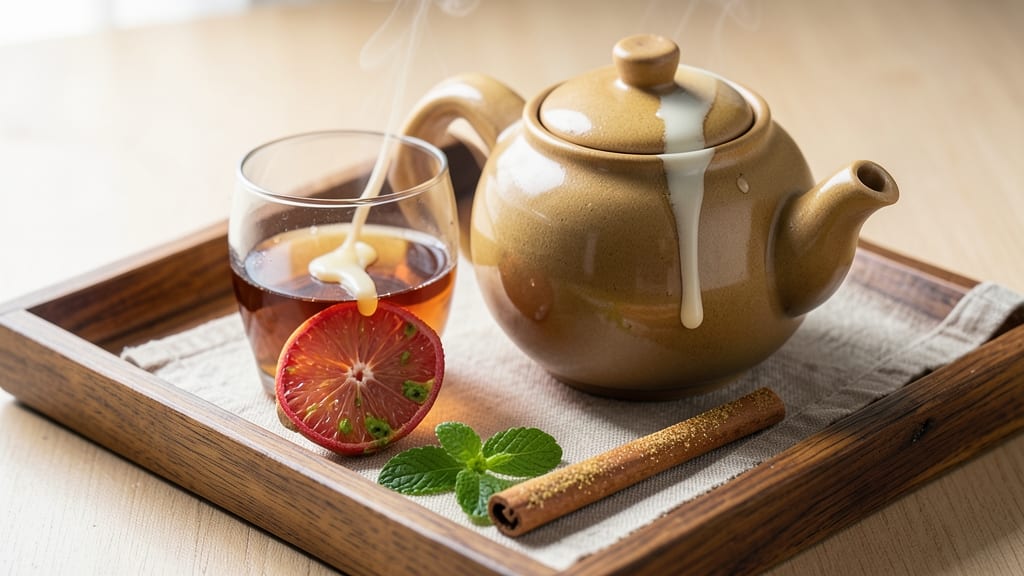
This brown rice tea recipe transforms simple whole grains into a nourishing, golden elixir with deep earthy notes and subtle sweetness. 🌱 The process begins with slow-cooking brown rice until it develops a rich, caramelized depth—far beyond basic rice water.
What makes this beverage special is its versatility: sip it warm for comfort or chill it for a refreshing, caffeine-free alternative to tea. The traditional method involves simmering rice until tender, then straining the liquid for a smooth, milky texture.
Modern variations let you customize it with ginger for warmth, fruit for brightness, or even blend it into a creamy latte-style drink. Each approach preserves the tea's natural benefits—digestive support, gentle energy, and a soothing earthiness that makes it a staple in Asian wellness traditions.
What you'll end up with is a golden infusion that's naturally sweet, lightly nutty, and deeply satisfying. Unlike store-bought versions, this recipe lets you control the flavor and texture, ensuring every sip is rich and wholesome. The best part? It's foolproof—no special equipment needed, just patience and a stovetop.
Perfect for daily hydration, post-workout recovery, or as a comforting bedtime drink. Let's create this nourishing elixir step by step.
Ingredients for brown rice tea
Transform humble brown rice into a golden, earthy elixir with these carefully chosen ingredients.
| Ingredient | Amount | Notes |
|---|---|---|
| Brown Rice 🌾 | 1 cup | Uncooked, long-grain preferred |
| Filtered Water 💧 | 4 cups | Room temperature preferred |
| Fresh Ginger Root 🧅 | 1 inch | Peeled, thinly sliced |
| Raw Honey 🍯 | 1 tbsp | Substitute with maple syrup for vegan |
| Pure Vanilla Extract 🌿 | ½ tsp | High-quality, alcohol-free preferred |
| Organic Cinnamon Sticks 🌳 | 1 whole | For infusion, removed before serving |
| Orange Peel 🍊 | 1 tbsp | Fresh, finely julienned |
| Sea Salt 🧂 | ¼ tsp | Fine grain, unrefined |
| Coconut Milk 🥥 | ½ cup | Full-fat, for creaminess (optional) |
| Lemon Juice 🍋 | 1 tbsp | Freshly squeezed |
| Date Syrup 🍯 | 1 tbsp | For natural sweetness |
| Black Peppercorns 🌶️ | 5 whole | Lightly crushed for subtle warmth |
| Cardamom Pods 🌿 | 2 whole | Lightly crushed for aroma |
The brown rice forms the foundation—opt for organic, long-grain varieties from Whole Foods or Trader Joe's for optimal texture. Fresh ginger and cardamom are non-negotiable; their volatile oils develop beautifully during simmering. For the sweetener, maple syrup is the vegan alternative to honey, though it carries a distinct molasses note. The orange peel adds brightness, so use organic when possible to avoid bitterness. Store spices in airtight containers away from light to preserve their aromatic compounds for up to 6 months after opening.
No fresh ginger? Powdered ginger at half the amount works in a pinch, though it lacks the same depth. Substitute vanilla extract with vanilla bean paste for a more intense flavor. The cinnamon sticks can be replaced with 1 tsp ground cinnamon, but the sticks infuse more gradually. For a caffeine-free energy boost, matcha powder (1/2 tsp) can be whisked into the finished tea. The coconut milk is optional but transforms the tea into a creamy latte-style beverage—use full-fat for maximum richness. If you prefer a lighter version, omit it entirely.
Simmered rice tea keeps beautifully for 5 days in the fridge, though the flavor deepens over time. For long-term storage, freeze in ice cube trays—perfect for quick iced tea preparation. Reheat gently on low heat, stirring occasionally to prevent scorching. The tea's natural sweetness intensifies when chilled, making it ideal for post-workout hydration or as a bedtime wind-down ritual. For a refreshing twist, blend with frozen banana and almond milk for a golden smoothie variation.
Why You'll Love This Recipe
- No-Chop Needed: I swear by this—just rinse the rice, toss it in a pot with water and ginger, and let it simmer. No peeling, no dicing, no fuss. The rice breaks down into that creamy, tea-like texture all on its own while you sip your coffee or fold laundry.
- Warm & Earthy Magic: That first sip? Ginger’s zesty kick meets the rice’s nutty sweetness, then honey and vanilla smooth it into something almost dessert-like. It’s the kind of drink that makes you pause mid-morning and think, “Wait, why haven’t I had this every day?”
- Office-to-Bedtime Staple: Make a big batch on Sunday—it keeps in the fridge for days—and grab a thermos for work or a cozy nightcap. Add a splash of milk for creaminess or keep it sharp with lemon. My go-to? A mug of this before bed when I’m too wired to sleep.
- Pantry Goldmine: Brown rice is already cheap, and this recipe stretches it further—no waste, just flavor. Plus, the ingredients cost pennies compared to fancy matcha or chai lattes. Between us, I’ve made this with expired honey and still loved it. (Don’t tell anyone.)
Step-by-step instructions for brown rice tea infusion
Transform simple ingredients into a complex, aromatic tea with layered flavors and golden depth.
👨🍳 Step 1: Prepare the Base Ingredients
In a medium saucepan, combine the 1 cup brown rice with the 4 cups filtered water. Bring to a gentle boil over medium-high heat, then immediately reduce to a low simmer. The rice will absorb water differently than when cooking for grains—this creates the tea base.
While the rice simmers, prepare the aromatic bundle by combining the 1 inch fresh ginger root (thinly sliced), 1 whole organic cinnamon stick, 5 whole black peppercorns (lightly crushed), and 2 whole cardamom pods (lightly crushed). Tie them securely with kitchen twine to form a sachet—this prevents spices from floating freely and burning.
🔥 Step 2: Simmer and Infuse Flavors
Add the spice sachet to the simmering rice-water mixture. Partially cover the saucepan and cook for 45-50 minutes until the rice is completely tender and the liquid has reduced by about one-third, creating a concentrated tea base. You'll notice the aroma intensify—this is when the ginger's spicy warmth and cardamom's floral notes begin to meld.
After 45 minutes, remove the spice sachet and discard. Strain the mixture through a fine-mesh sieve into a clean bowl, pressing gently on the rice to extract all liquid. The resulting infusion should be a rich, golden amber color with a subtle earthy aroma. If any rice grains remain, discard them—they won't dissolve further.
🍳 Step 3: Build the Golden Infusion
Return the strained tea to the saucepan and stir in the 1 tbsp finely julienned orange peel, 1 tbsp date syrup, and 1 tbsp lemon juice. Bring to a gentle simmer over low heat for 5 minutes to allow the citrus and date syrup to meld with the tea base. The mixture should smell vibrant—bright citrus cutting through the earthy rice notes.
In a separate small bowl, gently heat the 0.5 cup coconut milk (if using) over low heat until warmed through—do not boil. This preserves its creamy texture. Remove from heat and stir in the 0.5 tsp pure vanilla extract and 0.25 tsp sea salt. The salt enhances all flavors while balancing the sweetness.
🥘 Step 4: Combine and Sweeten
Pour the warmed coconut milk mixture into the simmering tea, stirring gently to combine. Add the 1 tbsp raw honey and 1 tbsp date syrup, whisking until fully dissolved. Taste and adjust sweetness—this tea should have a balanced sweetness with earthy depth and citrus brightness. The final infusion should coat the back of a spoon with a velvety texture.
For immediate serving, strain the tea through a fine-mesh sieve into a clean pitcher to remove any remaining orange peel fibers. Serve warm or allow to cool slightly for a refreshing iced variation. The tea will continue to develop complexity as it sits—let it steep for 10 minutes before serving to maximize flavor extraction.
⏰ Step 5: Serve and Enjoy
Pour the golden infusion into pre-warmed teacups. Garnish each serving with an additional thin slice of fresh ginger and a sprinkle of cinnamon for visual appeal and aroma enhancement. The tea should have a rich, malty body with notes of ginger's spice, cardamom's floral warmth, and citrus brightness—each sip revealing new layers of complexity.
This infusion keeps well in the refrigerator for up to 5 days, though it's best enjoyed fresh. For a cold version, chill completely and serve over ice with a splash of sparkling water for effervescence. The contrast of warm spices and cool citrus creates a truly unique sensory experience.
Pro Tips For Making Brown Rice Tea
- SOAK THE RICE FIRST: Skip the dry-toast-and-simmer hassle—soak ½ cup brown rice in 4 cups filtered water for 2 hours before simmering. After draining, the rice will break down faster (30-45 minutes instead of 60+), and the tea won’t taste grainy. I learned this the hard way when my first batch turned out like porridge.
- PEEL THE GINGER THIN: Use a spoon to scrape off just the outer skin, leaving the pale yellow flesh intact—no peeling like an apple. Thin slices (⅛-inch) infuse better than thick chunks, and you’ll avoid bitter, stringy bits. My grandmother swore by this, and she was right: it makes a real difference in flavor.
- SIMMER LOW AND COVERED: Keep the heat at a bare simmer (tiny bubbles, not rolling) and leave the lid cracked. High heat burns the rice before it releases starch, turning your tea into glue. I was skeptical until I tried it—now I swear by this method for a clean, nutty flavor.
- HONEY AND VANILLA LAST: Stir in honey and vanilla only after the rice has cooled to 150°F (65°C)—hot liquid destroys their enzymes and mellows their taste. A splash of cold water after simmering does the trick, and your tea won’t taste like medicinal syrup. (Yes, even if you’re impatient like me.)
Storing and reheating this brown rice tea
Fridge Storage Tips
Store your brown rice tea in an airtight glass container—I prefer mason jars—to preserve its rich, earthy flavors for up to 5 days. The golden hue will deepen over time, signaling increased complexity.
Always let the tea cool completely before refrigerating to prevent condensation, which can dilute the infusion. 🌱
Freezing for Later
For longer storage, freeze the tea in ice cube trays—perfect for quick iced tea later. Once frozen, transfer cubes to a freezer bag with all air removed to prevent freezer burn.
Thaw overnight in the fridge before serving. This method preserves the tea's vibrant color and layered flavors better than bulk freezing.
Reheating Perfectly
When reheating, use a small saucepan over low heat—never microwave—to maintain the tea's delicate balance of spices and sweetness. Add 1-2 tablespoons of water to prevent scorching, and stir gently.
The ideal temperature is 160°F, just warm enough to release those aromatic notes without overpowering them. A fine-mesh strainer helps remove any sediment before serving.
Iced Variations
For a refreshing twist, chill the tea completely and serve over ice cubes made from the same tea—this prevents dilution. Add a splash of sparkling water for effervescence or a squeeze of lemon for brightness.
I like to garnish with thin orange slices and a sprinkle of ground cinnamon for visual appeal and extra aroma. 🍊
Reviving Stale Tea
If your tea tastes flat after refrigeration, revive it by gently reheating with 1/2 teaspoon of vanilla extract and a pinch of sea salt. The salt enhances all flavors while the vanilla adds depth.
For extra warmth, stir in a small piece of fresh ginger while reheating—it’ll infuse beautifully in just 2-3 minutes.
Portion Control
Divide the tea into small glass jars (like 4-ounce mason jars) for easy single servings. This keeps the tea fresh and makes it perfect for meal prep—grab one from the fridge for a quick, nourishing sip anytime.
Label with the date to track freshness, as the flavor peaks within the first 3 days of storage. ⏰
Nutrition facts
Frequently asked questions
Can I use white rice instead of brown rice for this tea?
While you can technically use white rice, it won't yield the same rich, earthy flavor or nutritional benefits. Brown rice contains more fiber and nutrients, and its longer cooking time creates a deeper, more complex infusion. For a lighter version, try using jasmine rice, but expect a milder taste.
How do I make this tea caffeine-free and more energizing?
This tea is naturally caffeine-free, but you can boost energy by adding 1/2 teaspoon of matcha powder or 1/2 teaspoon of ginseng powder to the strained liquid before sweetening. For a natural lift, stir in 1/2 teaspoon of bee pollen (if not vegan) or 1/2 teaspoon of lucuma powder for a gentle, sustained energy release.
Why does my brown rice tea taste bitter?
Bitterness usually comes from over-simmering the rice or using too much ginger. To fix it, reduce the simmering time to 35-40 minutes and use only 1/2 inch of ginger. If already bitter, balance it with more sweetener (1 additional tablespoon of honey) or a splash of lemon juice to brighten the flavor.
Can I make this tea without coconut milk for a lighter version?
Skip the coconut milk and replace it with 1/2 cup of oat milk or almond milk for a lighter, dairy-free option. For extra creaminess without dairy, blend 1/4 cup of silken tofu with 1/4 cup of water and strain through a fine-mesh sieve before adding to the tea. This keeps the velvety texture while reducing richness.
What's the best way to serve this tea for a special occasion?
For a restaurant-worthy presentation, serve the tea in pre-warmed glass teapots with a side of steamed milk (for a latte-style version) or fresh fruit slices like mango or peach. Garnish with a cinnamon stick and a sprinkle of toasted sesame seeds for an elegant touch. Pair it with mochi or shortbread cookies for a complete experience.