
Main Courses
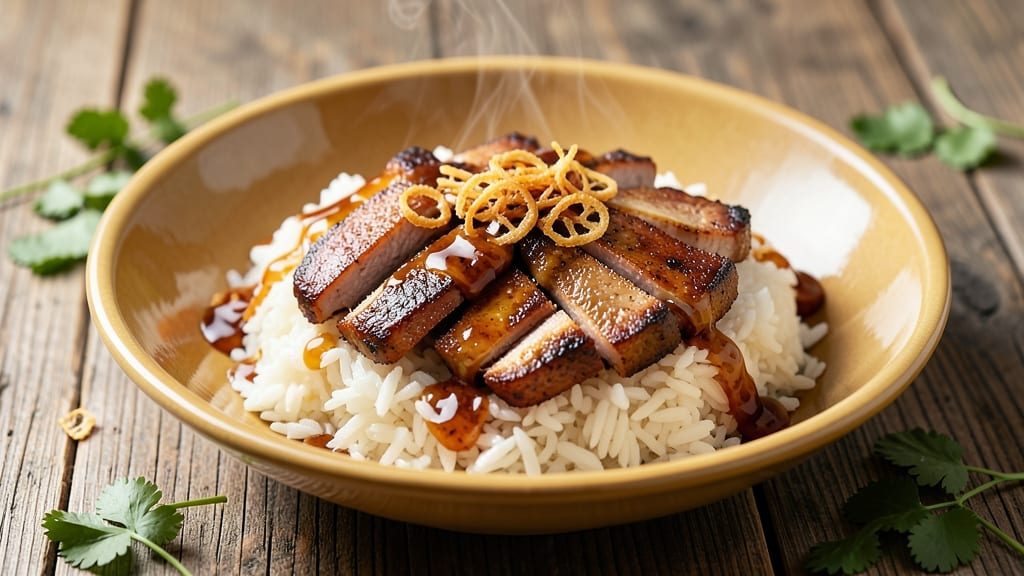
This Bryan's rice recipe delivers the perfect balance of smoky, five-spice crust with tender, juicy pink hearts of protein—just like your favorite Filipino comfort dish. 🔥 The secret lies in perfectly cooked rice, flavorful protein, and a crispy, aromatic crust that transforms simple ingredients into a restaurant-quality meal.
What sets this recipe apart is the careful balance of textures and flavors—crispy edges meet tender centers, while the five-spice blend adds depth without overpowering the dish. Whether you're cooking for a family gathering or a weeknight dinner, this recipe delivers satisfying results every time.
Ingredients for bryan rice
The foundation of Bryan's rice: aromatic spices, tender protein, and perfectly balanced textures.
| Ingredient | Amount | Notes |
|---|---|---|
| Long-Grain White Rice 🍚 | 2 cups | Uncooked, rinsed thoroughly |
| Pork Shoulder 🐖 | 1 ½ lb | Cut into 1-inch cubes |
| Five-Spice Powder 🌶️ | 2 tbsp | Homemade or store-bought blend |
| Soy Sauce 🍶 | ½ cup | Dark soy for color intensity |
| Coconut Oil 🥥 | 3 tbsp | For crispy crust development |
| Fresh Ginger 🧄 | ½ cup | Finely grated, aromatic |
| Yellow Onion 🧅 | 1 whole | Diced into 1/4-inch pieces |
| Garlic Cloves 🧄 | 6 cloves | Minced, for aromatic depth |
| Bay Leaves 🌿 | 2 whole | For subtle earthy flavor |
| Black Peppercorns 🌶️ | 1 tsp | Freshly cracked for heat |
| Salt 🧂 | 1 ½ tsp | Diamond Crystal preferred |
| Water 💧 | 3 cups | Filtered for best flavor |
| Vegetable Oil 🫒 | 1 tbsp | For initial pork searing |
The pork shoulder is non-negotiable here—its fat content renders beautifully during cooking, creating that signature crispy crust. Look for cuts with good marbling at your local butcher or Costco for bulk purchases. If you can't find pork shoulder, pork tenderloin works in a pinch, though it'll yield less fat. The five-spice powder should have a balanced profile of star anise, fennel, clove, cinnamon, and pepper—Penzeys or Trader Joe's carry excellent blends. For the rice, Calrose or jasmine varieties hold up best to the long cooking process, though long-grain white rice will work fine.
No dark soy sauce? Regular soy sauce with a splash of molasses mimics the color beautifully. Fresh ginger loses potency quickly after grating, so freeze it in ice cube trays for future use—each cube equals roughly 1 tablespoon. The onions can be swapped for shallots if you prefer a milder flavor, but don't skip them entirely—they're the base of the aromatic buildup. For garlic, roasted cloves add a sweet depth that complements the smoky crust. If you're short on time, garlic powder at half the amount works, though fresh is always superior. The bay leaves should be dried and whole—crushed leaves release too much bitterness too quickly.
Pork cubes can be prepped ahead and refrigerated for up to 2 days before cooking, though they'll render more fat when cold. The rice mixture stays fresh in the fridge for 3 days if stored in an airtight container with parchment paper pressed against the surface to prevent drying. For longer storage, freeze individual portions—they reheat beautifully straight from the freezer. The crust develops best when reheated gently, so cover with foil for 5 minutes before serving to trap the steam and crisp the edges again. Leftovers make excellent lunches when packed in glass containers with a damp paper towel to maintain moisture.
Why You'll Love This Recipe
- One-Pot Magic: The pork shoulder and rice cook together—no separate pots, no extra pans. Honestly, I dump everything in, walk away, and come back to fragrant, sticky rice that’s almost too easy to love.
- Five-Spice Secret Weapon: That earthy, slightly sweet five-spice powder? It’s the star. The pork stays tender while soaking up the aroma, and the soy sauce ties it all together—salty, umami, and just a little addictive.
- Meal Prep MVP: Between us, this keeps for days in the fridge. Reheat it for lunch, pack it for work, or freeze half for when you’re too tired to cook. The rice stays separate enough to reheat perfectly—no mushy disasters here.
- Budget-Friendly Feast: Pork shoulder is cheap, rice is cheap, and a little coconut oil goes a long way. I’ve fed four people for under $10, and they all ask for seconds. That’s a win in my book.
Step-by-step instructions for Bryan's five-spice crusted pork and rice
Master this technique for restaurant-quality texture—crispy crust, tender pork, and perfectly fluffy rice.
🔥 Step 1: Sear the Pork Shoulder for Deep Flavor
Heat the 1 tablespoon vegetable oil in a large Dutch oven over medium-high heat until shimmering. Add the 1.5 lb pork shoulder, cut into 1-inch cubes, and sear undisturbed for 3-4 minutes until golden brown on all sides. This initial sear locks in juices and develops a rich crust.
Real talk: don't crowd the pan. Work in batches if needed to prevent steam from making the pork soggy. Once all pieces are browned, remove them and set aside. You'll notice the pork releases easily when properly seared—this is your signal it's ready for the next stage.
🍳 Step 2: Build the Five-Spice Crust
In the same Dutch oven, reduce heat to medium and add 3 tablespoons coconut oil. Toss in the 1 whole yellow onion and 6 cloves garlic cloves, cooking for 5 minutes until softened. Add the 0.5 cup fresh ginger, 2 whole bay leaves, and 1 teaspoon cracked black peppercorns, stirring for 1 minute to release their aromas.
Here's where the magic happens: sprinkle the pork cubes with the 2 tablespoons five-spice powder and 1.5 teaspoons salt. Return them to the pot and toss to coat evenly. The five-spice blend will create that signature smoky aroma—this is the foundation of Bryan's signature crust. Let everything cook together for 2 minutes to toast the spices.
🥘 Step 3: Layer and Braise the Pork
Add the 0.5 cup soy sauce and 3 cups water to the Dutch oven. The liquid should come about halfway up the pork cubes. Return the pork to the pot and bring to a gentle simmer over medium-low heat. Here's the critical part: cover with a tight-fitting lid and reduce heat to low—you want just a few bubbles breaking the surface.
Simmer for 1 hour 15 minutes until the pork is fork-tender and the sauce has reduced slightly. The pork should pull apart easily when pierced with a fork, and the liquid should coat the back of a spoon. If the liquid reduces too quickly, add ¼ cup water to maintain moisture. This slow braising builds incredible depth of flavor.
👨🍳 Step 4: Prepare the Five-Spice Rice
While the pork braises, rinse the 2 cups long-grain white rice under cold water until the water runs clear. This removes excess starch that would make the rice gummy. In a separate pot, combine the rice with 2 cups fresh water and bring to a boil over medium-high heat. Stir once, then reduce heat to low, cover, and simmer for 15 minutes.
Here's the secret: after 15 minutes, remove from heat and let it steam uncovered for 5 minutes. The residual heat will finish cooking the rice perfectly. Fluff with a fork and set aside—this rice should be light and separate, with no moisture at the bottom of the pot.
🔥 Step 5: Finish and Serve with Crispy Crust
Remove the pork from the braising liquid and transfer to a plate. Strain the cooking liquid through a fine-mesh sieve into a clean saucepan, pressing on the solids to extract maximum flavor. Return the liquid to medium-high heat and simmer until reduced by half, about 8-10 minutes. This concentrated sauce will cling beautifully to the rice.
To finish, return the pork to the reduced sauce and toss to coat. Serve immediately over the five-spice rice, spooning the pork and sauce generously over each portion. The contrast of crispy pork edges with tender pink centers against fluffy rice creates the perfect balance of textures and flavors Bryan's style is known for.
Pro Tips For Making Bryan Rice
- CRISP THE PORK FIRST: Cut the pork shoulder into 1.5-inch chunks and sear them in coconut oil over medium-high heat until they develop a deep golden crust—about 5 minutes per side. I used to skip this, thinking the long braise would handle it, but that crust locks in flavor and makes the rice taste richer. Don’t rush it; let the meat caramelize before you even think about adding liquids.
- SWEAT THE FIVE-SPICE: Toast the five-spice powder in a dry pan for 30 seconds until fragrant, then bloom it in coconut oil for 1 minute before adding onions or garlic. Sounds weird, but it works: the spices release their oils and cling to the pork instead of floating away in the rice. Skip this, and your dish will taste underwhelming—like someone forgot to season it properly.
- RICE AT 1:1.5 RATIO: Use 1.5 cups water (or broth) for every 1 cup of long-grain white rice, and start the rice cooking separately in a pot with a pinch of salt. I learned this the hard way—adding rice to the pork mixture makes it mushy, and no one wants sad, sticky grains. The rice should be fluffy and slightly underdone when mixed in later.
- SAVE THE COCONUT OIL: Reserve 2 tablespoons of the pork’s rendered fat and coconut oil after browning the meat—this goes on the rice at the end. The fat adds a silky texture and balances the savory-sweet flavors. I skip this when I’m lazy, but the dish is noticeably better when I don’t. It’s just a quick splash at the finish.
Perfect pairings for this bryan rice
Classic Filipino Sides
No Bryan's rice is complete without ginataang gulay—a creamy coconut milk vegetable stew with squash, string beans, and eggplant. The mild sweetness of coconut milk balances the smoky pork perfectly.
I like using young squash and green beans for the best texture. Serve it alongside your rice for a complete meal that feels like home. 🥥
Crispy Lomi
For a tangy, crunchy contrast, add lomi—a Filipino-style coleslaw made with shredded cabbage, carrots, and a dressing of vinegar, sugar, and a pinch of salt. The acidity cuts through the richness of the pork, while the crunch adds a satisfying texture.
Store-bought versions work in a pinch, but homemade tastes even better. 🥬
Garlic Fried Eggs
Elevate your meal with garlic fried eggs—a staple in Filipino cuisine. Cook eggs in butter and minced garlic until the yolks are runny and the whites are set. The richness of the eggs complements the savory pork and rice beautifully.
I often serve them on the side or nestled atop the rice for an extra indulgent touch. 🍳
Spicy Atchara
If you love heat, add atchara—a sweet and tangy pickled carrot relish made with vinegar, sugar, and chili peppers. The combination of sweet, sour, and spicy flavors adds a vibrant kick to your meal.
Look for it in Asian grocery stores, or make your own with carrots, vinegar, sugar, and sliced jalapeños. 🌶️
Steamed Eggplant
For a lighter option, serve steamed eggplant with a sprinkle of salt and black pepper. The mild flavor lets the pork and rice shine, while the soft texture adds another layer of satisfaction.
You can also drizzle it with a little soy sauce or calamansi juice for extra brightness. This side is simple but always a crowd-pleaser. 🍆
Coconut Milk Drink
Pair your meal with a refreshing ginataang baka—a creamy coconut milk drink infused with ginger and pandan leaves. The floral, slightly sweet notes cleanse your palate between bites of rich pork.
For a quicker option, serve iced coconut water or sago't gulaman (a jelly dessert) to round out the meal. 🥤
Nutrition facts
Frequently asked questions
What makes Bryan's rice different from regular fried rice?
Bryan's rice stands out with its signature five-spice crust on the pork and a deeper, smokier flavor profile. Unlike standard fried rice, this dish features slow-braised pork shoulder with a crispy exterior and tender interior, all coated in a reduced soy-based sauce. The rice itself is cooked separately but infused with the same aromatic spices for harmony.
Can I substitute chicken or shrimp for the pork?
Yes, but with adjustments! For chicken, use 1.5 lbs boneless thighs (dark meat stays juicier) and reduce braising time to 45-50 minutes. For shrimp, cook them separately in the last 5 minutes—they'll overcook in the braising liquid. The five-spice blend works beautifully with both, but shrimp versions are lighter and cook faster.
Why does the pork need to be seared first?
The initial sear creates a Maillard reaction that locks in juices and develops deep flavor. This step prevents the pork from becoming tough during braising. Skipping it results in bland, watery meat. Pro tip: Work in batches to avoid crowding the pan—golden-brown crust is key to that restaurant-quality texture!
How do I prevent the rice from getting mushy?
Rinse the rice thoroughly to remove excess starch, and use the 1:1.5 rice-to-water ratio (2 cups rice to 3 cups water). After cooking, let it steam uncovered for 5 minutes to dry out any residual moisture. Never stir the rice while cooking—this breaks the grains. For extra insurance, spread it on a tray to cool after cooking.
Can I make this ahead of time?
The pork and rice can be prepped separately up to 3 days ahead. Store the pork mixture in an airtight container with parchment pressed against the surface to prevent drying. Reheat in a skillet with a splash of water to restore moisture. The rice reheats best in the microwave with a damp paper towel over it for 2 minutes.