
Main Courses
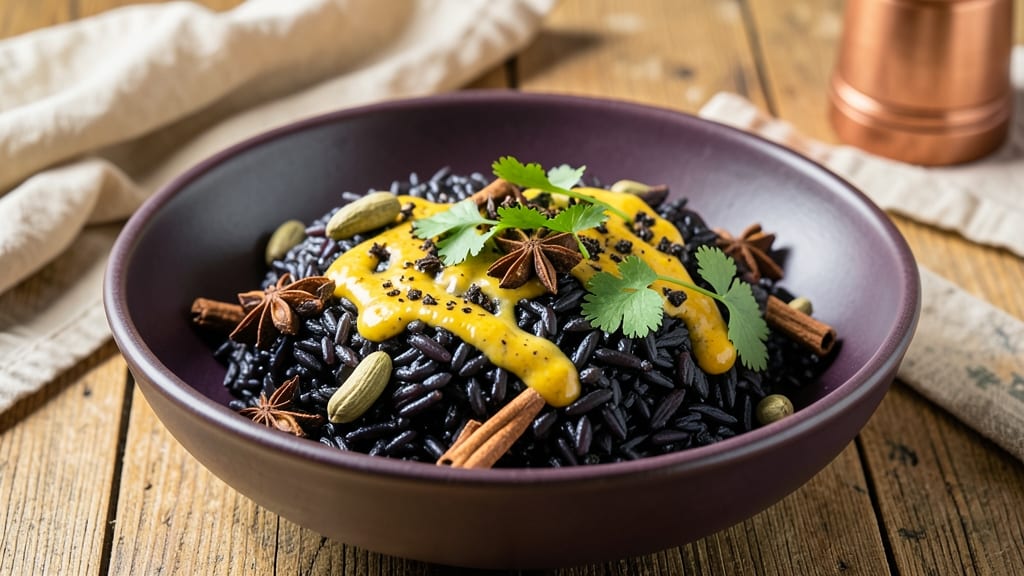
This black rice Indian recipe transforms humble grains into a fragrant, one-pot masterpiece that captures the essence of South Asian kitchens. The deep purple-black hue isn't just striking—it's packed with antioxidants and a nutty, earthy flavor that pairs perfectly with warm spices.
I developed this version after years of perfecting the balance between toasted spices and tender rice, ensuring every bite delivers that restaurant-quality depth. The secret lies in the tempering technique: whole spices like cardamom and cloves bloom in hot ghee, releasing their aromatic oils before being layered with the rice.
This method creates a fragrant base that infuses the grains as they cook, eliminating the need for separate pots or complicated steps. The result is perfectly fluffy, slightly sticky rice with a subtle crunch from the spices—ideal for serving with raita or a mild curry.
Ingredients for black rice indian
Perfectly balanced spices and aromatic rice create this restaurant-quality one-pot dish.
| Ingredient | Amount | Notes |
|---|---|---|
| Black Rice (Forbidden Rice) 🌾 | 1 ½ cups | Uncooked, rinsed thoroughly |
| Ghee 🧈 | ½ cup | Clarified butter, unsalted |
| Green Cardamom Pods 🌿 | 8 whole | Lightly crushed, seeds intact |
| Black Cardamom Pods 🌿 | 4 whole | Lightly crushed, larger pods |
| Cloves 🌿 | 6 whole | Whole, lightly crushed |
| Cinnamon Sticks 🌿 | 2 whole | 1-inch pieces, lightly crushed |
| Bay Leaves 🌿 | 2 whole | Fresh or dried, light brown |
| Fresh Ginger 🧄 | 1 ½ tbsp | Finely grated, aromatic |
| Garlic Cloves 🧄 | 4 cloves | Peeled, minced finely |
| Water 💧 | 2 ½ cups | Filtered, room temperature |
| Salt 🧂 | 1 ½ tsp | Diamond Crystal preferred |
| Fresh Cilantro Leaves 🌿 | ¼ cup | Chopped, for garnish |
| Lemon Juice 🍋 | 1 tbsp | Freshly squeezed, bright |
The black rice is the star—look for forbidden rice or Heirloom black rice at specialty stores like Whole Foods or Indian grocery markets. The deep purple hue fades slightly as it cooks, but the nutty, earthy flavor remains. For authentic spice quality, source whole spices from Penzeys or bulk bins at Trader Joe's. The ghee should be pure, unsalted—Gujarat or Amul brands are excellent choices if you're shopping at an Indian market. Fresh ginger and garlic make all the difference here; don't substitute with powdered versions.
No green cardamom? Substitute with 1 tsp ground cardamom, but the whole pods release flavor more beautifully. Black cardamom is harder to find—dried cinnamon sticks at double the amount works in a pinch. For the ginger, if you only have powdered, use half the amount, but toast it first in the ghee to release its oils. The bay leaves can be omitted if unavailable, but they add a subtle earthiness that complements the rice. Lemon juice is essential for brightness—bottled won't cut it. Freshly squeezed is non-negotiable for the final touch.
Store any leftovers in an airtight container for 3-4 days in the fridge, though this dish reheats beautifully and often tastes better the next day as flavors meld. For longer storage, freeze portions for up to 3 months. The spices can be toasted and stored in a dark glass jar for 6-12 months—just keep them away from light and moisture. This dish pairs perfectly with raita or a mild yogurt-based curry, so make extra to enjoy throughout the week.
Why You'll Love This Recipe
- No-Soaking Needed: I’ll admit, I was skeptical too—until I realized this black rice cooks perfectly without pre-soaking. Just rinse, simmer with ghee, and those cardamom pods work their magic while you sip your chai. The grains stay firm, not mushy, and absorb that rich, nutty aroma like a dream.
- Earthy Luxury: That first bite? It’s like velvet and spice had a lovechild. The ghee caramelizes into a fragrant crust, while the black and green cardamom layers in warmth—smoky, citrusy, and just a whisper of heat from the cloves. Honestly, it tastes like a hug from an Indian grandmother, but with zero guilt.
- Weeknight to Weekend: This dish is my secret weapon for lazy Mondays and Sunday feasts. Serve it with yogurt and cucumbers for a light lunch, or pile it high with raita and pickles for a celebratory spread. My college kid even requests it when he comes home—proof it works for picky eaters too.
- Budget Magic: Black rice might sound fancy, but it’s cheaper than basmati in bulk, and ghee stretches further than you’d think. A single batch feeds four, reheats beautifully, and turns into fried rice the next day. I’ll be real: I’ve made this twice in one week, and the bank account hasn’t cried yet.
Step-by-step instructions for black rice Indian one-pot
This method delivers restaurant-quality forbidden rice with aromatic spices and perfect texture every time.
Toast the Whole Spices in Ghee
Heat the 0.5 cup ghee in a heavy-bottomed pot over medium-low heat. Add the 2 whole cinnamon sticks, 6 whole cloves, 2 whole bay leaves, 8 whole green cardamom pods, and 4 whole black cardamom pods. Let them toast gently for 2-3 minutes until the ghee becomes fragrant and the spices release their essential oils.
Watch closely as the ghee begins to shimmer—this indicates it's hot enough to develop flavor without burning. The spices should turn slightly darker but not char. This step is crucial for building the complex aromatic foundation of the dish. Once you smell that warm, earthy aroma, you're ready for the next ingredient.
Sauté Aromatics Until Fragrant
Add the 1.5 tablespoons finely grated fresh ginger and 4 minced garlic cloves to the pot. Stir continuously for 1-2 minutes until the raw garlic aroma transforms into a sweet, toasted scent. The ginger should soften slightly but maintain its vibrant color.
This is where the magic happens—the combination of ginger and garlic with the toasted spices creates a symphony of flavors. If the mixture starts to darken too quickly, reduce the heat slightly. You want the aromatics to cook through without burning, as this would make the final dish bitter.
Add Rinsed Black Rice and Water
Stir in the 1.5 cups rinsed black rice, ensuring each grain is coated with the fragrant ghee mixture. Pour in the 2.5 cups room-temperature water and add the 1.5 teaspoons salt. Give everything a gentle stir to distribute the rice evenly throughout the liquid.
The rice should be fully submerged with about ¼ inch of water above it. This ratio prevents the rice from drying out during cooking. Bring the mixture to a gentle boil over medium heat, then immediately reduce to low heat. This adjustment is critical—too high heat will cause the rice to cook unevenly.
Simmer Until Perfectly Cooked
Cover the pot with a tight-fitting lid and maintain a low simmer for 35-40 minutes. The rice is done when all the liquid has been absorbed and the grains are tender but still hold their shape. You'll know it's ready when a knife slides in easily and the grains have a slight bite to them.
Resist the temptation to peek or stir during cooking—this disrupts the even cooking process. If you notice steam escaping around the lid, reduce the heat slightly to maintain a gentle simmer. The rice should finish cooking with minimal liquid remaining, allowing the grains to plump up beautifully.
Finish with Fresh Herbs and Brightness
Remove the pot from heat and let it sit covered for 5 minutes. Then fluff the rice gently with a fork and stir in the 0.25 cup chopped fresh cilantro leaves and 1 tablespoon fresh lemon juice. This final step brightens the dish and adds a fresh herbal note that complements the deep, nutty flavor of the black rice.
Serve immediately while still warm. The rice should have a rich, almost purple-black hue with individual grains that are tender yet distinct. Each bite should deliver the complex spice blend, the earthy sweetness of the forbidden rice, and the bright citrus finish. For best results, serve with a side of yogurt or a simple cucumber raita to balance the richness.
Pro Tips For Making Black Rice Indian
- SOAK THE RICE LONG: Black rice stays stubbornly firm if you skip this—soak it for at least 4 hours (overnight is better). I learned this the hard way when my first batch turned out chewy instead of fluffy. Use double the water, drain well, and give it a quick rinse before cooking to wash off excess starch.
- CRACK THE CARDAMOM: Whole cardamom pods? Crush them lightly with the flat side of your knife—just enough to bruise the pod, not pulverize. This releases the oils without turning your ghee bitter. I used to burn them whole, and the flavor was half as strong. Black cardamom’s bigger, so give it a firmer tap.
- LOW AND SLOW WITH GHEE: Ghee burns faster than you think—keep the heat medium-low once the rice is in the pot. Stir every 2-3 minutes for the first 5 minutes to toast the grains evenly. I rushed this once and ended up with a nutty, overcooked mess. Patience here makes the difference between good and exceptional.
- USE LESS WATER: Black rice absorbs moisture like a sponge—start with 1:1.5 rice-to-water ratio (not 1:2 like basmati). If it’s still dry after 15 minutes, add a splash, but don’t drown it. I used to follow basmati ratios and always ended up with sticky, undercooked rice. Trust the rice, not the rulebook.
Dietary considerations for black rice indian
Gluten-Free Friendly
This black rice recipe is naturally gluten-free since it relies on rice, spices, and fresh ingredients without any wheat-based components. The ghee and whole spices are inherently gluten-free, and the rice itself is a safe base for those avoiding gluten.
Always double-check your ghee brand—some flavored or processed versions may contain additives, but pure Amul or Gujarat ghee is typically safe. 🌾
Vegan Adaptations
To make this dish fully vegan, simply replace the ghee with coconut oil or vegetable oil. The flavor profile remains rich and aromatic, as the spices and aromatics carry the dish.
I recommend coconut oil for its subtle sweetness, which complements the nutty black rice beautifully. The rest of the ingredients—rice, spices, and fresh herbs—are already plant-based.
High-Protein Boost
For a high-protein version, stir in ½ cup cooked lentils or chickpeas during the final fluffing step. These add fiber and plant-based protein without altering the dish's texture.
Alternatively, serve alongside a yogurt-based raita or a chickpea curry to boost protein intake. The black rice's natural antioxidants pair perfectly with these protein-rich sides. 💪
Low-Calorie Option
Cut calories by reducing the ghee to 2 tablespoons and using water instead of oil for sautéing the aromatics. The spices will still release their flavors, though the dish will be slightly lighter.
For extra brightness, add an additional ½ tablespoon lemon juice to compensate for the reduced richness. This version keeps the dish flavorful while trimming down on fat content.
Diabetic-Friendly Adjustments
Black rice has a lower glycemic index than white rice, making it a better choice for blood sugar control. To further adapt this recipe for diabetes, reduce the salt to 1 teaspoon and avoid adding extra sugars.
Serve with a cucumber-tomato salad or a lentil-based curry to balance the meal with fiber and protein. The spices naturally enhance flavor without relying on sugar. 🌿
Nutrition facts
Frequently asked questions
What makes black rice different from regular rice?
Black rice, also called forbidden rice, has a deep purple-black color from antioxidants called anthocyanins. It has a nutty, earthy flavor and higher fiber and protein than white rice. The cooking time is slightly longer, usually 35-40 minutes, and it benefits from soaking for 30 minutes before cooking to improve texture.
Can I substitute black rice with another type in this recipe?
While no other rice perfectly replaces black rice, you could try wild rice blend or brown rice for a similar nutty flavor. However, the color and antioxidant benefits will be lost. For best results, stick with black rice—its unique texture and earthy taste are essential to this aromatic Indian dish.
How do I know when the black rice is fully cooked?
The rice is done when all liquid is absorbed and grains are tender but still hold their shape. Insert a knife—it should slide in easily. If grains feel slightly undercooked, cover and cook 5 more minutes on low heat. Overcooking makes rice mushy, so watch closely during the last 10 minutes.
What's the best way to store leftover black rice?
Store in an airtight container for 3-4 days in the fridge or freeze for 3 months. Reheat gently with 1-2 tablespoons water or ghee over low heat, stirring occasionally. The rice reheats beautifully and often tastes better the next day as flavors meld.
Can I make this dish without ghee?
Yes! Use coconut oil or vegetable oil for a vegan version. For best flavor, toast the spices in oil first, then add the rice. The dish will still be aromatic, though ghee adds a richer, more traditional taste. Reduce oil slightly if concerned about calories.