
Main Courses
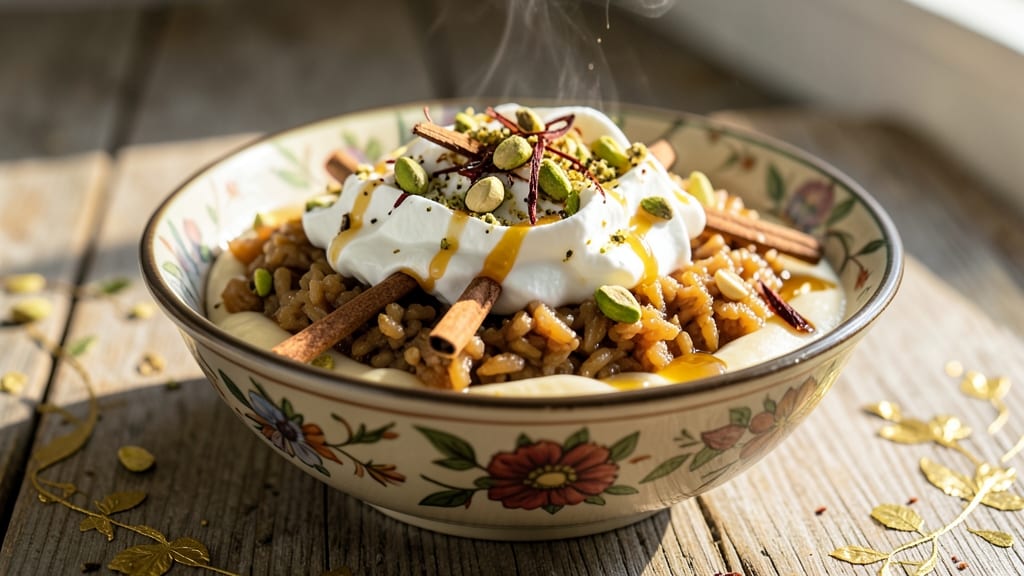
This brown rice kheer recipe transforms simple whole grains into a luxurious, cardamom-spiced dessert that feels like a warm embrace after dinner. 💛 The secret lies in slow-cooking milk with aromatic spices until it thickens into a velvety pudding, where perfectly soaked brown rice absorbs all the flavors—nuttiness from the rice, warmth from cinnamon, and delicate floral notes from saffron.
What sets this apart is the texture: creamy yet light, with each spoonful offering a perfect balance of earthy rice and rich dairy. The cardamom infuses the milk with its signature warmth, while rose water adds a subtle, sophisticated sweetness.
Unlike traditional white rice kheer, the brown rice version delivers extra nutrition without compromising on decadence—ideal for health-conscious dessert lovers.
Ingredients for brown rice kheer
Whole grains meet aromatic spices in this vegetarian dessert masterpiece—creamy yet nutritious.
| Ingredient | Amount | Notes |
|---|---|---|
| Long-Grain Brown Rice 🌾 | ½ cup | Uncooked, rinsed thoroughly |
| Whole Milk 🥛 | 4 cups | Full-fat for creaminess |
| Heavy Whipping Cream 🧈 | 1 cup | 35% fat preferred |
| Granulated Sugar 🍚 | ¾ cup | Adjust to taste |
| Cardamom Pods 🌿 | 8 whole | Lightly crushed, seeds only |
| Cinnamon Sticks 🍃 | 2 whole | For aroma infusion |
| Saffron Threads 🌼 | ⅛ tsp | High-quality, soaked in 1 tbsp warm milk |
| Rose Water 🌹 | 1 tsp | Pure, food-grade |
| Ghee 🧈 | 2 tbsp | For tempering |
| Pistachios 🌰 | ¼ cup | Shelled, roughly chopped |
| Slivered Almonds 🌰 | ¼ cup | Toasted lightly |
| Salt 🧂 | ¼ tsp | Fine sea salt |
The brown rice is the heart of this dish—opt for short-grain varieties like Basmati for better texture. Soak it for at least 4 hours (overnight ideal) to ensure proper hydration. For the milk, full-fat options like Organic Valley or Whole Foods Market brands deliver superior creaminess. Cardamom quality matters: Kashmiri cardamom offers the most intense flavor, but Indian green cardamom works well too. Saffron is non-negotiable for authenticity—Iranian saffron is the gold standard, though it's pricey. Always soak it in warm milk for 15 minutes before adding to the pot to maximize flavor extraction.
No cardamom pods? Ground cardamom at half the amount works in a pinch, though whole pods infuse better. Substituting milk? Heavy coconut milk mimics the richness, but texture will differ slightly. For rose water, pure, food-grade is essential—avoid perfumed varieties. The pistachios and almonds should be lightly toasted to enhance their natural sweetness. If you can't find slivered almonds, whole almonds chopped yourself work perfectly. For a vegan version, replace ghee with coconut oil and use coconut cream instead of heavy cream—though texture will be slightly lighter.
Store the cooked kheer in an airtight glass container in the refrigerator for up to 5 days. The flavors deepen overnight, making it even more luxurious. For serving, reheat gently on low heat, stirring occasionally to restore creaminess. The nuts keep well in the freezer for up to 3 months—toast them fresh before garnishing. For meal prep, portion into individual ramekins with a sprinkle of nuts on top. This dessert reheats beautifully, so leftovers are just as delightful as the first serving.
Why You'll Love This Recipe
- No-Fuss Simmer: I swear by this method—just cook the brown rice until tender, then pour in the warm milk and let it absorb. No fancy techniques, no stress, and honestly? The rice does most of the work for you.
- Velvet Creamy Magic: That combo of whole milk and heavy cream transforms the rice into something silky and rich, like a hug in dessert form. The cardamom? Subtle but chef’s kiss—it’s the secret that makes this taste like a restaurant treat, not just a pudding.
- Weekend or Weeknight: Make it ahead for potlucks or serve it warm after dinner when you’re too tired to bake. Between us, I’ve had it cold, room temp, and reheated—it’s always a win, especially when guests ask for seconds.
- Budget Luxury: Brown rice keeps it affordable, but the cream and sugar make it feel indulgent. Leftovers? Even better—it thickens overnight, so you can stretch one batch into breakfast or dessert for days. My wallet and taste buds thank me.
Step-by-step instructions for brown rice kheer
Transform simple ingredients into a velvety, aromatic dessert with this precise method.
🍳 Step 1: Cook the Brown Rice to Perfect Texture
Rinse the 0.5 cup long-grain brown rice thoroughly under cold water until the water runs clear. This removes excess starch that can make the kheer gummy. In a heavy-bottomed pot, combine the rinsed rice with 4 cups whole milk and the 2 whole cinnamon sticks. Bring to a boil over medium-high heat, then immediately reduce to low heat and simmer uncovered for 30-35 minutes, stirring occasionally.
You're aiming for a rice that's tender but still maintains a slight bite—it should be soft enough to break down into creamy strands but not mushy. The milk will reduce significantly, leaving you with about 2 cups of thickened rice mixture. If it starts to stick, add a splash of water, but avoid over-diluting. This foundational step creates the kheer's signature body.
👨🍳 Step 2: Infuse with Spices and Sweeten
While the rice cooks, prepare the spice infusion. Lightly crush the 8 whole cardamom pods (just enough to expose the seeds) and add them to the rice mixture along with the 0.75 cup granulated sugar and 0.25 tsp salt. Stir well to dissolve the sugar completely. For the saffron, soak the 0.125 tsp saffron threads in 1 tablespoon warm milk for 10 minutes—this maximizes their vibrant color and aroma.
Continue simmering the rice mixture for another 10-15 minutes until it reaches a pudding-like consistency. The cardamom should perfume the air with its warm, citrusy scent. When the mixture coats the back of a spoon and leaves a clean line when you run your finger through it, it's ready. This is the moment when all the flavors meld together—don't rush it. The sugar should be fully incorporated, but you can adjust to taste later if needed.
🍳 Step 3: Temper the Cream with Ghee
In a small saucepan, gently heat the 1 cup heavy whipping cream over low heat until it just begins to steam—never let it boil. In a separate small bowl, melt the 2 tbsp ghee until it's completely liquid. Slowly pour the melted ghee into the warm cream while whisking continuously. This tempering process prevents the cream from curdling when added to the hot rice mixture.
Once the ghee is fully incorporated into the cream, gradually pour the cream mixture into the rice kheer while stirring constantly. The heat from the kheer will cause the cream to thicken beautifully. Add the saffron milk and 1 tsp rose water now, stirring well to distribute the delicate floral notes evenly. The kheer should now have a luxurious, velvety texture with a subtle sheen. If it's too thick, thin it with 1-2 tablespoons warm milk—but aim for a consistency that coats a spoon without being gluey.
🥘 Step 4: Finish with Toasted Nuts and Garnish
In a dry skillet over medium heat, toast the 0.25 cup slivered almonds and 0.25 cup pistachios for 2-3 minutes until fragrant and lightly golden. Watch them closely—they burn quickly. Remove from heat and set aside. The toasted nuts will add a delightful crunch that contrasts perfectly with the creamy kheer.
Transfer the kheer to a serving bowl or individual ramekins. Allow it to cool to room temperature (about 30 minutes) before serving. The flavors deepen as it cools, and the texture becomes even more luxurious. Garnish with the toasted nuts and a few extra cardamom pods for presentation. Serve chilled or at room temperature—either way, it's pure comfort in every spoonful.
⏰ Step 5: Rest and Serve for Optimal Texture
Here's the secret to restaurant-quality kheer: let it rest for at least 2 hours in the refrigerator before serving. This resting period allows the flavors to fully meld and the texture to set into its ideal consistency—creamy yet light, with just enough body to coat the spoon. When ready to serve, give it one final stir to redistribute any settled cream on top.
The final product should be rich and aromatic, with the cardamom's warm notes balanced by the floral rose water. Each spoonful should deliver that perfect contrast of creamy kheer, crunchy nuts, and delicate saffron threads. Serve in small bowls with a dusting of pistachios on top—this dessert is meant to be savored slowly, perhaps with a cup of chai for the ultimate experience.
Pro Tips For Making Brown Rice Kheer
- Soak Rice Overnight: I learned this the hard way—rushing the soak leaves your brown rice kheer with a gritty texture. Use 1 cup rice to 3 cups water, cover, and let it sit 12+ hours. The longer it soaks, the creamier the final dish.
- Simmer Low and Slow: After burning three batches, I finally figured out: brown rice kheer needs patience. Once the milk comes to a gentle boil, drop the heat to the lowest setting you can stand. This prevents scorching and lets the rice absorb the milk evenly—no more grainy surprises.
- Toast Cardamom First: My grandmother swore by this, and she was right: crush cardamom pods lightly, then dry-toast them in a pan for 30 seconds before adding to the milk. This releases their aroma and prevents a bitter aftertaste—trust me, it makes a real difference.
- Sweeten Gradually: Sounds weird, but it works: add sugar in two batches. Start with half the amount while the kheer cooks, then adjust to taste at the end. This avoids clumping and lets you control the sweetness without ending up with a syrup-like mess.
Regional styles of this brown rice kheer
North Indian Style
In North India, this dessert is often called brown rice falooda kheer, where it's layered with kewra water and rose syrup for an elegant presentation. I love adding vermicelli noodles (½ cup cooked) to the milk mixture before simmering, which gives it a silky texture.
Garnish with silver leaf (varak) for a festive touch—this is a staple at weddings and Diwali celebrations. 🌟
South Indian Adaptation
South Indian chefs transform this into brown rice payasam by replacing cardamom with black pepper and nutmeg (¼ tsp each) for a warm, spiced profile. They also use coconut milk (1 cup) instead of heavy cream, making it lighter yet equally creamy.
For extra richness, stir in 1 tbsp jaggery at the end—this balances the sweetness beautifully. Serve with banana slices on top for a tropical twist. 🍌
Bengali Kheer Twist
Bengali households prefer brown rice chhanar payesh, where they infuse the milk with panch phoron (a five-spice blend) instead of cardamom. I use ½ tsp each of fennel, nigella seeds, cumin, fenugreek, and black pepper for a complex, aromatic depth.
The dessert is traditionally served with boondi (tiny fried gram flour balls) sprinkled on top, adding a delightful crunch. This version is often made with less sugar to highlight the spices' natural sweetness. 🌿
Punjabi Special
In Punjab, this dessert becomes brown rice kheer with mango pulp—adding ½ cup ripe mango purée at the end creates a vibrant, fruity variation. They also incorporate 1 tbsp khoya (mawa) for extra thickness and a richer mouthfeel.
For garnish, use fried papad pieces instead of nuts, which adds a crispy contrast. This version is especially popular during Vaisakhi and Baisakhi festivals. 🍑
Kerala's Unique Touch
Kerala chefs create brown rice payasam with jackfruit, blending ½ cup ripe jackfruit pulp into the milk mixture for a tropical flavor. They also use green cardamom and cinnamon (1 tsp each) for a distinct aromatic profile.
The dessert is often served with coconut shavings and a drizzle of palm sugar syrup instead of rose water. This version is lighter and perfect for hot afternoons. 🥥
Nutrition facts
Frequently asked questions
Why does brown rice make kheer healthier than white rice?
Brown rice retains its bran and germ layers, providing extra fiber (3g per serving vs 0.5g in white rice) and more nutrients like magnesium and B vitamins. The nutty flavor also complements the spices beautifully without needing extra sugar. Plus, the slower digestion keeps you satisfied longer—perfect for a guilt-free dessert!
Can I make this kheer without saffron?
Yes! Skip the saffron and use ½ tsp turmeric for color, or add 1 tsp orange blossom water instead of rose water for a floral alternative. For richness, increase the cardamom to 10 pods—it'll still taste amazing. The texture won't change, just the color and aroma profile.
How do I fix kheer that's too thick or too thin?
For too thick: Thin with 1-2 tbsp warm milk while stirring constantly. For too thin: Simmer uncovered for 5-10 more minutes to reduce. Pro tip: If it splits (separates), whisk in 1 tbsp cornstarch mixed with 1 tbsp cold water—this binds the mixture beautifully. Always stir gently to avoid lumps.
What's the best way to reheat leftover kheer?
Gently reheat in a saucepan over low heat with 1-2 tbsp milk to restore creaminess. Never microwave directly—it makes the texture rubbery. For a restaurant-style finish, temper with 1 tsp ghee before serving. Leftovers actually improve overnight as flavors meld! Store in an airtight container for up to 5 days.
Can I use short-grain brown rice instead of long-grain?
Short-grain brown rice (like jasmine) works perfectly—it cooks faster (20-25 minutes) and creates a creamier texture. Reduce the milk to 3.5 cups since short-grain absorbs less. For extra richness, add ¼ cup condensed milk at the end. The trade-off? It may be slightly stickier, so thin with milk if needed.