
Main Courses
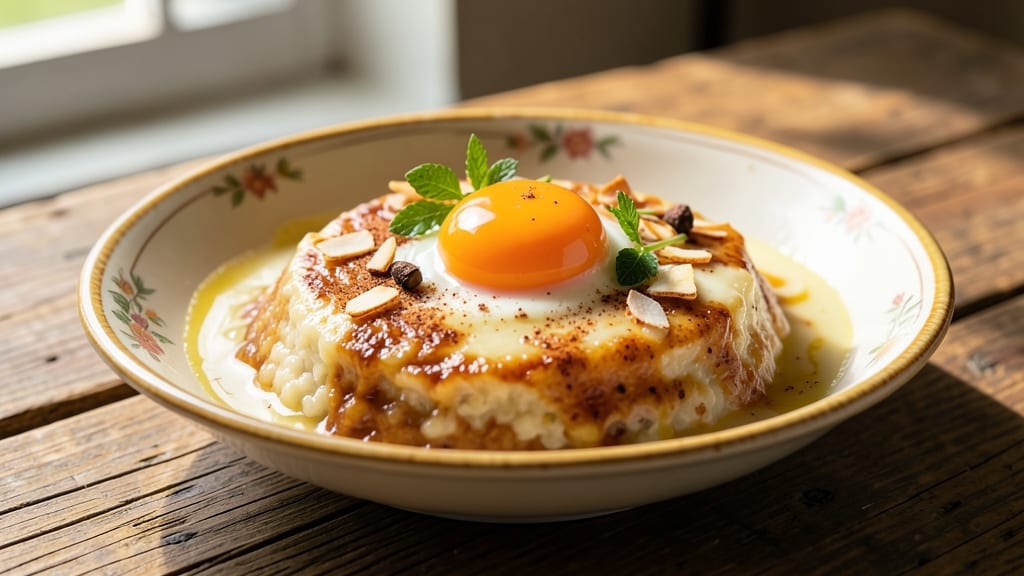
This Brazilian rice pudding recipe delivers the creamy, cinnamon-kissed comfort of a traditional arroz doce—where tender rice simmers in coconut milk until silky, then finishes with toasted coconut and warm spices.
The secret lies in slow cooking the rice until it melts into a velvety texture, balanced by the natural sweetness of coconut and a whisper of vanilla.
What makes this version special is the authentic touch of egg yolks, which enrich the pudding without making it heavy, while cinnamon and cloves infuse every spoonful with the cozy flavors of Brazil.
The result is a dessert that’s rich yet light, with a delicate caramelized top from the toasted coconut and a hint of warmth from freshly ground cinnamon.
Perfect for special occasions or as a comforting weeknight treat, this recipe stays true to its roots while being simple enough for home cooks. Whether you’re serving it chilled or at room temperature, each bite captures the essence of Brazilian home cooking—creamy, fragrant, and impossibly satisfying.
Ingredients for brazilian rice pudding
Six essential ingredients transform into Brazil's beloved arroz doce—creamy, spiced, and irresistibly comforting.
| Ingredient | Amount | Notes |
|---|---|---|
| Long-Grain White Rice 🍚 | 1 cup | Uncooked, jasmine or basmati preferred |
| Coconut Milk 🥥 | 2 cans | Full-fat, 13.5 oz each, unsweetened |
| Granulated Sugar 🍚 | 1 ½ cups | White or light brown preferred |
| Large Egg Yolks 🥚 | 4 whole | Freshly separated from pasteurized eggs |
| Ground Cinnamon 🌿 | 1 ½ tsp | Freshly ground for best flavor |
| Ground Cloves 🌶️ | ½ tsp | Freshly ground, not pre-ground |
| Vanilla Extract 🍯 | 1 tbsp | Pure vanilla, not imitation |
| Unsalted Butter 🧈 | 2 tbsp | Cold, cubed for toasting coconut |
| Toasted Coconut Flakes 🥥 | ½ cup | Unsweetened, lightly toasted |
| Salt 🧂 | ¼ tsp | Fine sea salt preferred |
| Whole Milk 🥛 | 1 cup | For creaminess, optional |
The coconut milk makes this dessert authentically Brazilian—look for full-fat cans (the first ingredient should be coconut cream) for that rich, velvety texture. Thai Kitchen or Goya brands are reliable, but check the ingredients list for additives. Freshly ground spices are non-negotiable here: cinnamon and cloves should smell warm and aromatic, not stale. For the rice, jasmine or basmati holds up better to long cooking than basic white rice. The egg yolks are key—they add richness without heaviness, so use pasteurized eggs if you're concerned about raw egg safety.
No full-fat coconut milk? Light coconut milk plus 1/4 cup heavy cream gets you close. Short on egg yolks? 1/4 cup aquafaba (chickpea brine) per yolk works as a vegan substitute (though texture will differ). The vanilla extract should be pure—Nielsen-Massey or McCormick are solid choices. For the toasted coconut, unsweetened flakes are best (sweetened will make the pudding cloyingly sweet). If you can't find unsweetened, reduce the sugar by 1/4 cup to balance. The butter is only for toasting the coconut—don't skip this step, it adds depth to the final texture.
This pudding tastes even better the next day as flavors meld. Store leftovers in an airtight container in the fridge for up to 5 days. For a make-ahead dessert, prepare through Step 3, then refrigerate overnight. The toasted coconut keeps its crunch for 1 week in a sealed jar, but add it fresh before serving. Freeze portions for up to 3 months—thaw in the fridge overnight and stir gently to restore creaminess. Serve chilled or at room temperature for the full Brazilian experience.
Why You'll Love This Recipe
- One-Pot Magic: That’s right—just rice, coconut milk, and a few pantry staples in one pot. No fancy layers, no last-minute shopping. Honestly, I’ve made this while scrolling through my phone; it’s that simple.
- Creamy Without the Guilt: The egg yolks and coconut milk transform plain rice into something velvety, but here’s the kicker: no heavy cream or butter. It’s rich, but somehow still feels light—like a dessert that won’t weigh you down (or your wallet).
- Weeknight to Holiday: Serve it warm with a sprinkle of cinnamon for a quick dinner, or chill it overnight for a no-fuss dessert. Between us, I’ve used it to impress at Thanksgiving and as a midnight snack when I forgot to pack lunch.
- Leftovers? More Like Forever Lovers: This stuff tastes better the next day—yes, really. The flavors meld, and the texture gets even dreamier. I make a big batch on Sundays and eat it for days; it’s my secret weapon for lazy mornings and unexpected guests.
Step-by-step instructions for Brazilian rice pudding
Transform simple ingredients into velvety, spiced rice pudding with this authentic method.
Toast the Rice for Deep Nuttiness
Heat a heavy-bottomed saucepan over medium heat and add the 1 cup long-grain white rice. Toast the rice for 3-4 minutes, stirring constantly with a wooden spoon, until it turns a pale golden color and smells nutty. This step develops the rice's natural flavors and prevents a starchy texture.
Watch the rice carefully—it should be lightly browned but not browned. If it starts to darken too quickly, reduce the heat slightly. Once toasted, remove the pan from heat and immediately add the 2 cans coconut milk and 1 cup whole milk. Stir well to combine before returning to the stove.
Simmer Until Tender and Absorbent
Return the pan to medium-low heat and bring the mixture to a gentle simmer. Add the 1.5 cups granulated sugar, 1.5 teaspoons ground cinnamon, 0.5 teaspoon ground cloves, and 0.25 teaspoon salt. Stir well to dissolve the sugar completely.
Reduce heat to low and let the mixture simmer uncovered for 30-35 minutes, stirring occasionally. You're looking for the rice to become tender and the pudding to thicken to a creamy consistency. The pudding should coat the back of a spoon but still be slightly loose—it will thicken further as it cools.
Here's the thing—don't rush this step. The rice needs time to absorb all the liquid and develop that perfect creamy texture. If it starts to stick, add a splash of water or milk to loosen it.
Temper the Egg Yolks for Silky Texture
While the pudding simmers, prepare a separate bowl by whisking together the 4 whole large egg yolks and 1 tablespoon vanilla extract. To temper the eggs, gradually ladle ½ cup of the hot pudding into the egg mixture while whisking constantly. This gradual addition prevents the eggs from scrambling.
Once the egg mixture is fully incorporated, slowly pour it back into the pudding pan while stirring continuously. Return the pan to low heat and cook for an additional 5-7 minutes, stirring constantly, until the mixture thickens slightly and reaches 160°F on an instant-read thermometer.
This is the moment that matters: the eggs will create that signature silky texture, but you must work quickly to avoid curdling. If the pudding starts to thicken too much, remove it from heat and stir in a splash of milk to loosen it.
Finish with Butter and Coconut for Richness
Remove the pudding from heat and stir in the 2 tablespoons unsalted butter and 0.5 cup toasted coconut flakes. The butter adds richness, while the toasted coconut provides a delightful crunchy contrast. Let the mixture cool for 10 minutes, stirring occasionally to distribute the coconut evenly.
During this cooling period, the pudding will thicken further. If it becomes too thick, stir in a splash of milk to reach your desired consistency. The texture should be creamy but still spoonable—not too stiff.
Chill and Serve with Confidence
Transfer the pudding to a serving dish and let it cool to room temperature. Then, cover it and refrigerate for at least 2 hours (or up to 24 hours) to allow the flavors to meld and the texture to set properly. The longer it chills, the more pronounced the cinnamon and clove flavors become.
When ready to serve, give the pudding a final stir and adjust the consistency with a splash of milk if needed. The final product should be thick, creamy, and fragrant with warm spices. Serve in bowls, topped with additional toasted coconut flakes if desired. Each spoonful should deliver a perfect balance of sweet, spiced, and creamy—this is what makes Brazilian rice pudding truly special.
Pro Tips For Making Brazilian Rice Pudding
- TOAST THE RICE FIRST: I learned this the hard way—skipping the quick toast in a dry pan kills the texture. Heat the rice over medium until it smells nutty (about 2 minutes), then add liquids. This prevents gummy pudding and lets the cinnamon flavor pop right from the start.
- USE FULL-FAT COCONUT MILK: The cheap, watery stuff ruins the creaminess. Splurge on canned full-fat coconut milk—it thickens better and gives that rich, velvety mouthfeel. If you’re fresh out, simmer the thick paste from the can with the liquid to force extra richness.
- WHISK YOLKS COLD: Warm yolks turn into scrambled eggs in the pot. Whisk them into the hot pudding last, off the heat, while stirring constantly. The residual heat will temper them just enough to cook through without curdling—no one wants rubbery pudding.
- SWEAT THE CINNAMON: This isn’t the prettiest method, but it works: Toast the cinnamon in a dry pan for 30 seconds until fragrant, then grind it fresh. The aroma locks in way better than pre-ground powder, and it prevents that bitter aftertaste that sneaks in when you skip this step.
Regional styles of these flavors
Northern Brazil Style
In the Amazon region, rice pudding often incorporates fresh tropical fruits like passionfruit or cashew purée. Replace ½ cup of coconut milk with cashew cream (soak ½ cup cashews overnight, blend with water) and fold in 2 tbsp passionfruit pulp at the end.
The result is a lighter, fruitier version that reflects the region's abundance of exotic flavors. Serve with a sprinkle of toasted coconut and a dusting of cocoa powder for a modern twist on a traditional dessert. 🌿
Southern Brazil Twist
Southern Brazil leans toward bolder spices and sometimes includes orange zest for brightness. Add 1 tbsp freshly grated orange zest with the cinnamon and cloves, and reduce the sugar to 1 cup to balance the acidity.
For extra richness, stir in 1 tbsp dulce de leche (available at Latin markets) when mixing in the egg yolks. This variation is perfect for pairing with mate tea or a glass of Brazilian cachaça. 🍊
Bahian Influence
Bahia’s coastal cuisine brings dendê oil (palm oil) and dried shrimp to the pudding. After toasting the rice, sauté 1 tbsp dendê oil until fragrant, then add it with the coconut milk.
For a savory-sweet balance, fold in 2 tbsp finely chopped dried shrimp (soaked in warm water for 10 minutes) during the final cooling step. This version is a unique fusion of dessert and savory flavors, ideal for adventurous eaters. 🌊
Modern Vegan Adaptation
For a plant-based version, replace the egg yolks with ¼ cup aquafaba (chickpea brine) and use coconut oil instead of butter. Add 1 tsp agar-agar to the simmering pudding for thickness, and stir in 1 tbsp vanilla bean paste for depth.
Toast the coconut separately and serve over coconut yogurt for a creamy finish. This adaptation keeps the essence of arroz doce while making it accessible to vegans. 🌱
Portuguese-Brazilian Fusion
Influenced by Portuguese settlers, some Brazilian families add rum and raisins to their rice pudding. After simmering the pudding, stir in 2 tbsp dark rum (like Bailley’s) and ¼ cup raisins, then let it sit for 10 minutes before chilling.
Top with crumbled amaretti cookies** for a crunchy contrast. This fusion highlights Brazil’s colonial history while keeping the dish comforting and familiar. 🍷
Nutrition facts
Frequently asked questions
Why does Brazilian rice pudding need toasting?
Toasting the rice first removes excess starch, which prevents the pudding from becoming gummy. The nutty aroma also deepens the flavor, creating that authentic Brazilian profile. This step is essential for achieving the perfect creamy texture without any graininess.
Can I make this pudding without egg yolks?
Yes, but the texture will be slightly different. For a vegan version, use ¼ cup aquafaba (chickpea brine) or 1 tsp agar-agar to thicken. The pudding will still be delicious, though the traditional silky mouthfeel comes from the yolks. Tempering is key—always mix cold ingredients with hot liquid gradually.
How do I know when the pudding is done?
It's ready when the rice is tender and the mixture coats the back of a spoon but still feels slightly loose. Check for 160°F on an instant-read thermometer after adding the egg yolks. If it thickens too much while cooling, stir in a splash of milk to reach your desired consistency.
What's the best way to store leftovers?
Transfer to an airtight container and refrigerate for up to 5 days. For longer storage, freeze portions for 3 months. Thaw overnight in the fridge and stir gently to restore creaminess. The flavors actually improve after chilling, so it's perfect for making ahead!
Can I use instant rice instead of long-grain?
Not recommended—it lacks the proper starch structure for this recipe. Instant rice will make the pudding too soft and mushy. Stick with jasmine or basmati for that ideal creamy texture. If you're short on time, use pre-cooked rice (like sushi rice) but reduce the coconut milk by ½ cup.