
Main Courses
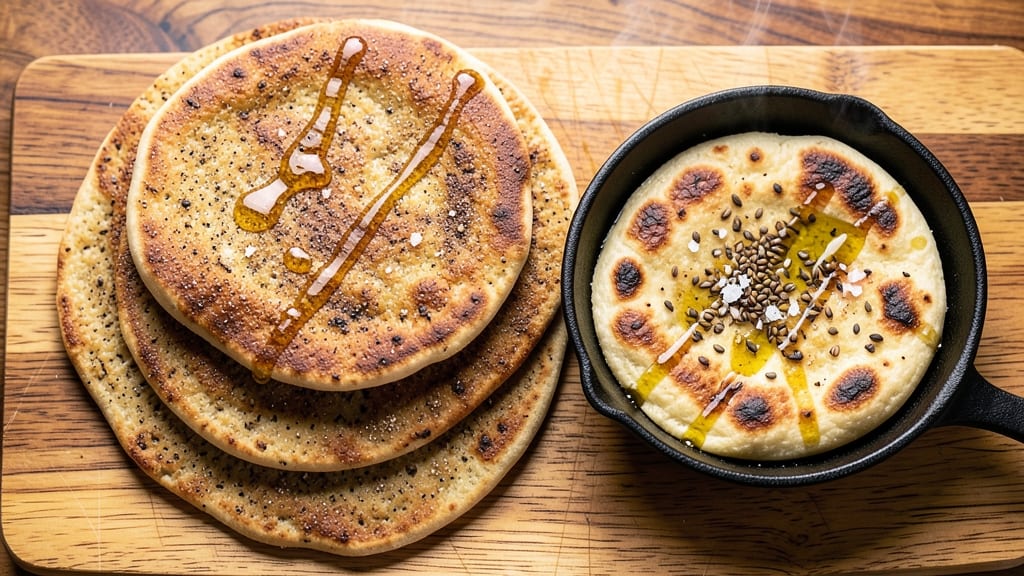
This brown rice flatbread recipe transforms simple ingredients into a versatile, nutty, and crispy base for any meal. The key lies in blending brown rice flour with whole wheat for a perfect balance of texture and flavor—earthy yet light, sturdy yet flexible.
Whether you're wrapping tacos, serving with curry, or toasting for dipping, these flatbreads deliver satisfying crunch every time.
What makes this recipe stand out is its adaptability—no yeast required, minimal prep, and a dough that comes together in just 15 minutes. The secret to achieving that crispy edge while keeping the center tender is high-heat cooking on a dry griddle or skillet.
For extra flavor, brush with garlic butter or sprinkle with za'atar before serving. Perfect for meal prep or spontaneous gatherings, this recipe proves wholesome ingredients can be both nutritious and irresistibly delicious.
Ingredients for brown rice flatbread
Earthy brown rice flour meets whole wheat for a nutty, crispy flatbread base that's both sturdy and flexible.
| Ingredient | Amount | Notes |
|---|---|---|
| Brown Rice Flour 🌾 | 1 ½ cups | Finely milled for smooth texture |
| Whole Wheat Flour 🌾 | ½ cup | Adds structural integrity |
| Warm Water 💧 | 1 ¼ cups | 110°F for optimal hydration |
| Olive Oil 🫒 | ½ tbsp | Extra-virgin for flavor |
| Salt 🧂 | ½ tsp | Diamond Crystal kosher |
| Ground Cumin 🌿 | ½ tsp | Toasted for aromatic depth |
| Ground Coriander 🌿 | ½ tsp | Adds citrusy brightness |
| Garlic Powder 🧄 | ¼ tsp | Freshly ground preferred |
| Unsalted Butter 🧈 | 2 tbsp | Melted for brushing |
| Za'atar Seasoning 🌿 | 1 tbsp | Optional for Middle Eastern flair |
| Sesame Seeds 🌻 | 1 tbsp | Toasted for crunch |
The brown rice flour is the star here—look for finely milled varieties at health food stores like Whole Foods or bulk sections of Sprouts. The whole wheat flour adds structure, so don't skip it, even if you're aiming for a lighter texture. For the water, warm (110°F) is key—it hydrates the flours more evenly than cold water. If you can't find Diamond Crystal kosher salt, Morton is fine, but adjust to taste afterward. The spices should be freshly ground if possible—Penzeys or Spicewalla carry excellent pre-ground options.
No olive oil? Avocado oil or melted coconut oil work just as well. Substituting whole wheat flour? Try spelt flour at a 1:1 ratio, though texture may vary slightly. The za'atar is optional but adds incredible depth—Burlap & Barrel makes an excellent version. For sesame seeds, toasted black or white both work, but toast them fresh for maximum crunch. If you're making these ahead, store the dough wrapped in plastic in the fridge for up to 2 days, or freeze for 3 months—just let it come to room temperature before shaping.
These flatbreads are best made fresh, but you can prep the dough a day ahead and refrigerate. For extra crispiness, cook on a dry, heavy skillet like cast iron—no oil needed. The butter brushing is optional but highly recommended for that restaurant-quality finish. Leftovers? Reheat in a dry skillet for 1-2 minutes per side to restore crispness. They also freeze beautifully—wrap individually in parchment and store for up to 2 months.
Why You'll Love This Recipe
- Four-Ingredient Magic: I swear, this flatbread comes together with just warm water, olive oil, and a pinch of salt—no yeast, no waiting, no fuss. The brown rice flour gives it that subtle nutty depth while staying light enough to fold like a dream.
- Nutty-Crispy Delight: That first bite? Crispy edges with a pillowy center, and the brown rice flour adds a warm, toasty flavor that’s way more interesting than plain naan. Honestly, I’ll take this over store-bought any day.
- Lunchbox Hero: Between us, these flatbreads are my go-to for packed lunches—stays fresh for days, reheats in seconds, and pairs with everything from hummus to leftover curry. My kid even sneaks them into her backpack for school.
- Pantry Staple: Brown rice flour and whole wheat? Things I already have. No specialty trips, no wasted ingredients—just a reliable, budget-friendly staple that turns into something special with zero effort. My wallet and taste buds thank me.
Step-by-step instructions for brown rice flatbread
Transform simple ingredients into nutty, crisp-edged flatbreads with this precise technique.
Combine Dry Ingredients for Optimal Texture
In a large mixing bowl, whisk together the 1.5 cups brown rice flour and 0.5 cup whole wheat flour until fully aerated. The brown rice flour gives these flatbreads their signature nutty depth, while the whole wheat flour provides just enough structure to prevent them from crumbling. Add the 0.5 tsp salt, 0.5 tsp ground cumin, 0.5 tsp ground coriander, and 0.25 tsp garlic powder, whisking until all spices are evenly distributed throughout the flour mixture.
This dry blend is your foundation, and proper mixing at this stage ensures even flavor distribution. The spices should look like fine dust throughout the flour—no visible clumps. I like to press the mixture gently with my fingers to break up any potential lumps from the brown rice flour, which can be slightly coarser than white flour.
Create the Dough with Warm Water and Olive Oil
In a separate measuring cup, combine the 1.25 cups warm water (about 110°F) and 0.5 tbsp olive oil. The warm water helps activate the gluten in the whole wheat flour while keeping the brown rice flour from absorbing too quickly. Slowly pour this liquid mixture into the dry ingredients while whisking continuously. You'll notice the mixture will look shaggy at first, but keep whisking until it forms a smooth, slightly sticky dough.
Here's the thing—this dough should be soft but not wet. If it feels too dry after mixing, add 1 teaspoon of warm water at a time until it reaches a pliable consistency that doesn't stick to your fingers. The dough should hold together when pressed gently but still be workable. Cover the bowl with a damp towel and let it rest for 15 minutes at room temperature. This resting period allows the gluten to relax, making the dough easier to roll out later.
Divide and Roll for Perfect Flatbreads
After resting, transfer the dough to a lightly floured surface. Using a bench scraper or sharp knife, divide it into 4 equal portions (about 4 ounces each). I find it helpful to gently press each portion into a rough ball before rolling to maintain consistent thickness. Working with one ball at a time, roll it out between two sheets of parchment paper to about ⅛-inch thickness. The paper prevents sticking and helps maintain an even shape.
This is where precision matters most. If the dough resists rolling, let it rest for another 5 minutes—it should become more pliable as you work. The edges will naturally want to thicken, so I use the parchment paper to gently tuck them under while rolling. Aim for circles about 6 inches in diameter—this size gives you the perfect balance of crispy edges and tender centers when cooked.
Cook Until Golden and Crisp
Heat a clean skillet over medium-high heat until it's hot enough to make a drop of water sizzle and evaporate instantly. Add 1 tbsp unsalted butter to the skillet and let it melt completely, coating the surface evenly. Place one rolled flatbread in the skillet and cook for 1-2 minutes per side until it develops golden brown spots and puffs up slightly at the edges. You're looking for that perfect contrast—crispy edges with a still-soft center.
Here's the critical part: don't press down on the flatbread while cooking. The natural steam from the dough will help it puff up, creating those beautiful pockets. When the edges are deep golden brown and the flatbread releases easily from the pan, transfer it to a wire rack. Repeat with the remaining dough balls, adding 1 tbsp butter to the skillet for each batch. The residual butter in the pan adds incredible flavor with each new flatbread.
Finish with Za'atar and Sesame for Crunch
While the flatbreads are still warm, brush the tops generously with any remaining melted butter from the skillet. Then sprinkle each with 1 teaspoon za'atar seasoning and 1 teaspoon sesame seeds, pressing them gently into the surface. The za'atar adds that distinctive Middle Eastern flavor profile with its blend of thyme, sumac, and sesame, while the toasted sesame seeds provide a delightful crunch contrast to the soft interior.
Let the flatbreads cool for 2-3 minutes before serving. They should be crisp enough to hold their shape but still warm enough to enjoy that perfect balance of textures. Serve immediately with hummus, grilled vegetables, or as a wrap for your favorite fillings. The nutty earthiness from the brown rice flour pairs beautifully with rich dips or spicy sauces, making these versatile for any meal.
Pro Tips For Making Brown Rice Flatbread
- Mix the dough fast: Brown rice flour gets gummy if you overwork it—combine the dry ingredients first, then add warm water in a rush. Stir just until the dough clumps, then let it sit. I learned this the hard way after a batch turned into glue.
- Use a scale for flour: Measuring cups lie with brown rice flour—it’s lighter and absorbs differently. Weigh it instead (1 cup = ~120g) for consistent texture. Your flatbread won’t turn out tough or dry if you skip this.
- Press thin, cook hot: Roll the dough to ⅛-inch thickness—thicker pieces stay doughy inside. Heat your skillet ripping before adding oil, then cook until edges lift easily. Skimping on heat = sad, flat pancakes.
- Add olive oil mid-cook: Brush the flatbread with a little extra olive oil when flipping—it crisps the edges and keeps them from curling. (Yes, even if the recipe doesn’t say it.) Trust me, it makes all the difference when serving with yogurt or hummus.
Essential equipment for great brown rice flatbread
Essential Cooking Tools
Start with a heavy-bottomed skillet—I swear by a Lodge cast iron or All-Clad stainless steel—to achieve that perfect golden crust without burning. The skillet's even heat distribution is critical for crispy edges while keeping centers tender.
A wire rack is also essential for cooling flatbreads to maintain crispness after cooking. 🔥
Dough Prep Gear
Use parchment paper (I prefer If You Care Unbleached) to roll out dough without sticking—it also makes cleanup a breeze. A bench scraper or sharp chef's knife helps divide dough into equal portions with clean cuts.
For precision, a rolling pin with silicon handles (like OXO Good Grips) prevents slipping while rolling. The dough should be ⅛-inch thick for even cooking.
Optional Flavor Tools
For that restaurant-quality finish, keep a small pastry brush (like Norpro Silicone Pastry Brush) handy to apply melted butter. A za'atar seasoning (I love Burlap & Barrel) and toasted sesame seeds add authentic flavor—sprinkle them while flatbreads are still warm.
A mortar and pestle lets you toast spices fresh for maximum aroma, though pre-ground works in a pinch.
Budget-Friendly Swaps
No cast iron skillet? A non-stick skillet (like GreenPan Ceramic) works well with a tiny bit of oil. Skip parchment paper? Lightly flour your surface and use a damp towel to prevent sticking.
For rolling, a clean wine bottle or rolling pin substitute (like a wooden spoon handle) can work in emergencies—just apply steady pressure for even thickness.
Storage Solutions
Store leftover dough in an airtight container (like Rubbermaid Brilliance) in the fridge for up to 2 days or freeze for 3 months. For cooked flatbreads, stack them with parchment paper between layers to maintain crispness.
To reheat, use the same skillet over medium heat for 30 seconds per side—no microwave needed! ❄️
Nutrition facts
Frequently asked questions
Can I make this brown rice flatbread gluten-free?
Yes, but you'll need to substitute both flours. Replace the whole wheat flour with 100% brown rice flour and add 1 tbsp xanthan gum to help bind the dough. The texture will be slightly more delicate, so handle it gently when rolling. For extra structure, consider adding 1/4 cup tapioca starch to the mix.
Why did my flatbreads turn out dense instead of crispy? This usually happens when the dough is overworked or undercooked.
How can I make these flatbreads ahead of time?
You can prep the dough 1 day ahead and store it in an airtight container in the fridge. For cooked flatbreads, wrap them in parchment paper and freeze for up to 3 months. To reheat, warm in a dry skillet over medium heat for 30 seconds per side to restore crispness without sogginess.
What's the best way to use leftover flatbreads?
Leftover flatbreads are perfect for making crispy chips! Cut into triangles, brush with olive oil, and bake at 375°F for 8-10 minutes until golden. They also work great as a base for breakfast hash, stuffed with feta and herbs, or even as crusty pizza boats.
Can I substitute brown rice flour with other whole-grain flours?
You can try buckwheat flour (1:1 ratio) for a richer flavor, or oat flour (mix with 1/4 cup extra water) for a nuttier taste. However, these may alter the texture slightly. For best results, stick with brown rice flour for that signature earthy flavor and tender crumb.