
Side Dishes
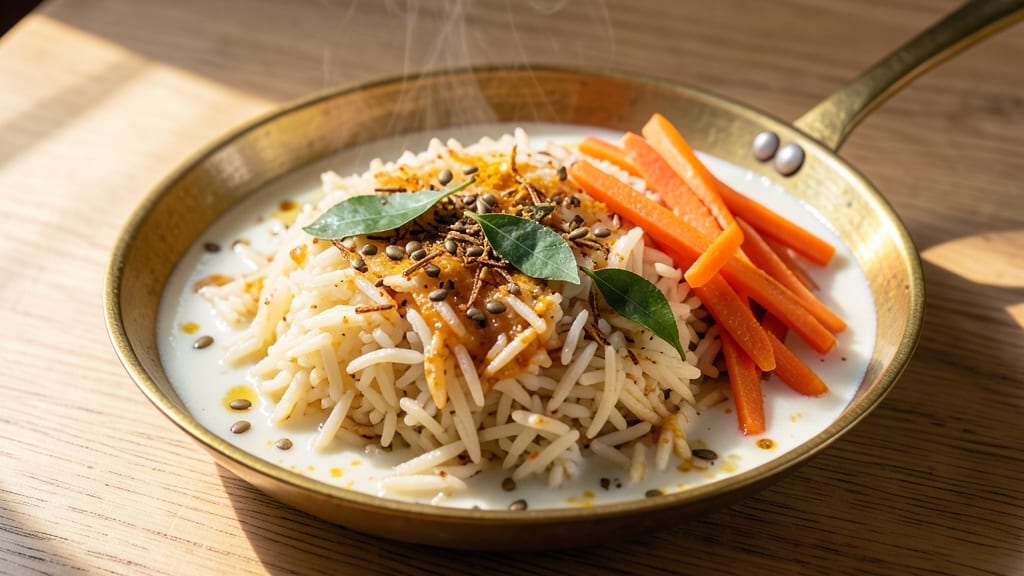
This South Indian carrot rice recipe transforms humble ingredients into a fragrant, golden side dish that belongs at every meal. The secret lies in tempering mustard seeds and curry leaves with coconut and turmeric, creating an aromatic base that infuses through perfectly cooked rice and tender carrots.
My grandmother used to say good food starts with the spices, and this dish proves it every time.
The beauty of this recipe is its simplicity—just one pot, minimal prep, and ingredients you likely already have. The carrots soften just enough to absorb the coconut-turmeric flavor while maintaining their natural sweetness.
Turmeric not only adds color but also brings that signature South Indian warmth, while coconut milk keeps everything rich and creamy without being heavy.
What you'll end up with is a dish that's as comforting as it is flavorful—fragrant enough to make your kitchen smell like a bustling Indian restaurant, with perfectly cooked rice and carrots that cling together just right.
This is the kind of side that disappears first at any meal, leaving everyone asking for seconds. The best part? It pairs beautifully with curries, biryanis, or even grilled meats.
Ready in about 45 minutes, this recipe delivers restaurant-quality results with minimal effort. The key is patience—letting the spices bloom and the flavors meld. Trust me, once you try this version, store-bought carrot rice will never measure up again. Let's get cooking!
Ingredients for carrot rice recipe south indian
Just 12 ingredients for this fragrant South Indian classic—simple, spiced, and full of coconut warmth.
| Ingredient | Amount | Notes |
|---|---|---|
| Basmati Rice 🍚 | 1 cup | Uncooked, long-grain preferred |
| Carrots 🥕 | 2 cups | Medium, julienned or thinly sliced |
| Coconut Milk 🥥 | 1 can | 13.5 oz can, full-fat preferred |
| Mustard Seeds 🌶️ | 1 tbsp | Whole, yellow variety |
| Curry Leaves 🌿 | ¼ cup | Fresh, packed |
| Turmeric Powder 🧂 | ½ tsp | Freshly ground preferred |
| Ginger 🌿 | 1 inch | Fresh, peeled, grated |
| Green Chilies 🌶️ | 2 whole | Slit lengthwise, adjust to heat |
| Salt 🧂 | 1 tsp | Adjust to taste |
| Coconut Oil 🫒 | 2 tbsp | For tempering |
| Water 💧 | 1 ½ cups | For cooking rice |
| Asafoetida 🌿 | ⅛ tsp | Optional, for depth of flavor |
The coconut milk is non-negotiable here—full-fat canned coconut milk gives that rich, creamy texture. Thai Kitchen or Goya brands work well, but if you're feeling fancy, grab a fresh coconut and make your own milk. For the curry leaves, Indian grocery stores usually have them fresh and packed—look for vibrant green, not wilted. The ginger should smell sharp and zesty, not musty. And those green chilies? Bird's eye chilies pack the most heat, but serrano or jalapeño work too if you prefer milder flavors. If you can't find fresh curry leaves, dried leaves work at half the amount—just crush them between your palms first to wake up the flavor.
No coconut milk? Coconut cream plus extra water gets you close, or light coconut milk with a splash of heavy cream for richness. Short on curry leaves? Dried fenugreek leaves (kasuri methi) at one-fourth the amount add a similar earthy note. The asafoetida (hing) might be tricky to find—check the international aisle at Whole Foods or Indian markets. If you can't find it, skip it—this dish still shines. For the rice, Basmati is ideal, but jasmine works too. The key is rinsing it until the water runs clear—removes excess starch so the grains stay separate. And if you're prepping ahead, soak the rice for 20 minutes—makes it cook faster and more evenly.
This dish reheats beautifully—just add a splash of water and cover. Keeps in the fridge for 4-5 days in an airtight container, though I find it tastes best within the first 2 days. For leftovers, microwave with a damp paper towel to restore moisture. Freezes for 3 months if you portion it into single servings first. Pro tip: Double the batch—it disappears fast, and the second day is even better as the flavors meld. Store the coconut milk in the fridge after opening, and keep the curry leaves in a dry, dark place—they last for months this way.
Why You'll Love This Recipe
- No Chopping Chaos: I swear, this dish only needs one knife—just slice those carrots thick or thin, no julienne skills required. The mustard seeds and curry leaves do all the flavor work while you stir, so even on days when I’m too tired to measure, it still comes together.
- Coconut Cream Magic: That first spoonful of coconut milk hitting the rice? Chef’s kiss. It’s not sweet like dessert—just rich and velvety, balancing the earthy carrots perfectly. Honestly, I’ve tried skipping it, and I immediately regretted it.
- Lunchbox Legend: Pack this cold or at room temp, and it’s a hit—whether you’re feeding kids who’ll pick out the carrots or coworkers who’ll devour it all. (Yes, even on a Tuesday night.) The rice stays fluffy, and the coconut keeps it from getting soggy.
- Pantry Staple Power: Between us, I’ve made this three times with whatever was on hand—leftover rice, extra curry leaves, even a splash of coconut milk from a can. It’s the kind of dish that turns $5 worth of ingredients into something that feels like a restaurant meal.
Step-by-step instructions for South Indian carrot rice
This one-pot wonder delivers fragrant, coconut-infused carrot rice with perfect texture every time.
Prepare the Carrots and Rice
Start by washing the 1 cup Basmati Rice thoroughly under cold water until the water runs clear. Soak it in fresh water for 20 minutes—this removes excess starch and prevents mushiness. While the rice soaks, peel and julienne the 2 cups Carrots into thin matchsticks about ¼-inch wide. You want even-sized pieces so they cook uniformly.
Drain the soaked rice and set it aside. In a large, heavy-bottomed pot (I use my 4-quart Dutch oven), combine the drained rice, julienned carrots, 1.5 cups Water, and 1 tsp Salt. Give everything a gentle stir to distribute the salt evenly. This initial mix ensures the rice and carrots cook together without sticking.
Cook the Rice and Carrots
Bring the mixture to a boil over medium-high heat, then immediately reduce to medium-low heat. Cover the pot with a tight-fitting lid and let it simmer for 12-15 minutes. You'll notice the rice and carrots absorb the water gradually—this is normal. Stir gently once or twice during cooking to prevent sticking at the bottom.
After 12 minutes, check for doneness by lifting a grain of rice with a fork. It should be tender but still slightly firm in the center (al dente). The carrots should be fork-tender but still hold their shape. If the mixture looks dry before the rice is fully cooked, add 2 tablespoons of Water and cover again for another 2-3 minutes.
Temper the Pot with Spices
Once the rice and carrots are cooked, reduce the heat to low and let the pot sit uncovered for 2 minutes. This resting period prevents the rice from becoming gummy when we add the tempering spices. In a small bowl, combine the 1 tbsp Mustard Seeds, 0.25 cup Curry Leaves, 0.5 tsp Turmeric Powder, 1 inch Ginger (finely grated), 2 whole Green Chilies (slit lengthwise), and 0.125 tsp Asafoetida.
Heat the 2 tbsp Coconut Oil in a small skillet over medium heat until it shimmers but doesn't smoke. Add the spice mixture and let it sizzle for 1-2 minutes until the mustard seeds pop and turn golden. This is your tempering—it adds layers of aroma and flavor. Pour this fragrant oil mixture over the cooked rice and carrots, stirring gently to combine.
Finish with Coconut Milk
Stir in the 1 can Coconut Milk (open the can and pour in the full contents, including the thick cream at the top). The coconut milk will create a rich, creamy texture while keeping the dish light. Mix well and let the carrot rice simmer uncovered over low heat for 5-7 minutes. This allows the flavors to meld and the coconut milk to infuse the rice.
Taste and adjust the seasoning with additional salt if needed. The dish should be fragrant with a balance of spicy, earthy, and creamy flavors. Serve warm or at room temperature, garnished with a sprinkle of fresh curry leaves for a pop of color and extra aroma. This carrot rice pairs perfectly with raita or a simple yogurt dip.
Pro Tips For Making Carrot Rice Recipe South Indian
- SOAK RICE 30 MINUTES: I learned this the hard way—skipping the soak makes your basmati rice turn mushy when you add coconut milk later. Use hot water (double the rice volume) and let it sit while you prep the carrots. The grains will stay separate and fluffy, even with all that creamy coconut.
- GRATE CARROTS FINE: Sounds weird, but it works—use a box grater (not a food processor) for thin, even shreds. Thick chunks stay crunchy and watery, while fine grated carrots melt into the rice like they belong there. If you’re lazy, julienne them super thin with a knife, but don’t skip this step entirely.
- TEMPER MUSTARD LOW: After burning three batches, I finally figured out: mustard seeds and curry leaves need low heat to bloom properly. Crank the flame down to medium-low the second you add them—otherwise, you’ll get bitter smoke instead of that nutty aroma. Let them sizzle gently for 30 seconds before adding anything else.
- STIR COCONUT MILK LATE: I skip this when I’m lazy, but the dish is noticeably better when I don’t: wait until the rice is almost done (about 2 minutes before it’s fully cooked) to fold in the coconut milk. This keeps the grains intact instead of turning them into a gluey mess. Stir gently—you’re not making dal here.
Regional styles of this carrot rice recipe south indian
Kerala-Style Sweet Version
In Kerala, carrot rice often takes on a sweeter profile, balancing the coconut's richness with natural carrot sweetness. After tempering the spices, add ½ cup jaggery or brown sugar along with the coconut milk. Simmer for an extra 5 minutes to let the sugar caramelize slightly.
I like to finish with a pinch of cardamom powder for warmth—it’s a staple in Kerala breakfasts. This version pairs beautifully with spicy fish curries or even as a standalone dessert-like side. 🌟
Tamil Nadu's Spicy Twist
Tamil Nadu cooks crank up the heat by adding 1 tbsp tamarind paste and ½ tsp black pepper to the tempering spices. The tamarind adds a tangy depth, while black pepper cuts through the coconut cream. For extra texture, stir in ¼ cup roasted peanuts at the end.
This version is a crowd-pleaser at Tamil weddings, where it’s served alongside sambar and dosa. Trust me, the contrast of spicy and creamy is unforgettable. 🔥
Andhra's One-Pot Magic
In Andhra Pradesh, they take carrot rice to the next level by cooking it in a pressure cooker for 3 whistles after adding the coconut milk. The high pressure infuses the flavors faster, giving you perfectly cooked rice in 20 minutes.
After cooking, let it sit for 5 minutes before fluffing with a fork. Add 1 tsp ghee at the end for that signature Andhra richness. This method is a game-changer for busy weeknights. ⚡
Karnataka's Coconut Cream Finish
Karnataka cooks often finish their carrot rice with a generous swirl of coconut cream (the thick part from the can) mixed with 1 tsp sugar and a pinch of salt. This creates a luxurious, almost pudding-like texture.
Garnish with toasted cashew nuts for crunch. It’s a favorite in Karnataka’s coastal regions, where coconut is king. The creaminess makes it feel like a special occasion dish, even when it’s a weekday meal. 🥥
Hyderabadi Mild & Creamy
Hyderabadi carrot rice leans into mild, creamy flavors with a touch of kewra water (screw pine flower essence) and ½ tsp rose water in the tempering. The kewra adds a floral note that’s subtle but distinctive.
For extra richness, replace half the coconut milk with full-fat yogurt. This version is lighter on spices but packs a fragrant punch—perfect for those who love delicate flavors with depth. 💫
Nutrition facts
Frequently asked questions
Can I make this carrot rice in an Instant Pot?
Use the same ingredients but adjust the cooking time. After adding rice, carrots, water, and salt, cook on high pressure for 4 minutes instead of simmering. Quick-release the pressure, then proceed with the tempering and coconut milk steps. The Instant Pot version cooks in about 15 minutes total.
Why does my carrot rice turn out mushy?
Mushy rice usually means overcooking or too much water. Always rinse the rice first to remove excess starch, and use 1.5 cups water for 1 cup rice. Stir gently during cooking and check doneness at 12 minutes. If using basmati, it should be tender but still slightly firm. For extra insurance, let the pot rest 2 minutes off heat before adding spices.
What's the best way to store leftovers?
Transfer to an airtight container and refrigerate for up to 4-5 days. Reheat gently in a pot with 2 tbsp water over low heat, covered, until warm. For freezer storage, portion into single servings and freeze for 3 months. Microwave reheating works too—just add a damp paper towel to restore moisture.
Can I substitute coconut milk with something else?
For a lighter version, use ½ cup coconut milk + ½ cup light coconut cream. For dairy-free alternatives, try cashew cream (blend soaked cashews with water) or oat milk with a pinch of salt. If you prefer regular milk, use whole milk + 1 tbsp cream for richness. The coconut flavor is key to authentic taste, though!
How do I adjust the spice level?
For milder heat, remove the seeds from green chilies or use 1 chili instead of 2. For extra spice, add ½ tsp red chili powder with the tempering spices. If you love heat, include 1 tsp finely chopped dried red chilies in the coconut oil before adding other spices. Always taste before serving!