
Side Dishes
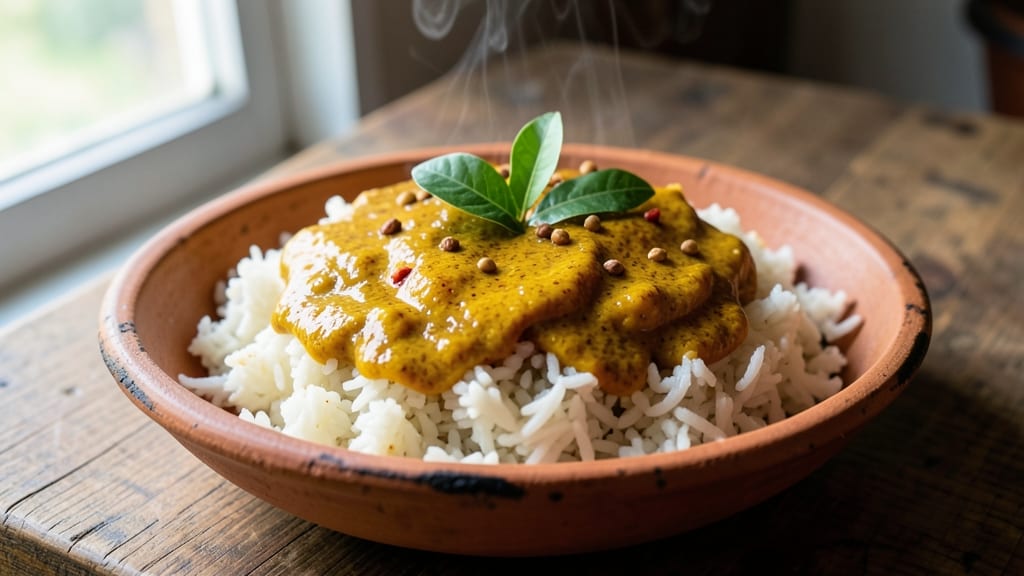
This Tamil cauliflower rice recipe transforms humble rice into crisp-tender bites with bold coconut-curry flavors. 🌟 The secret lies in a traditional tempering of mustard seeds, curry leaves, and turmeric that infuses every floret with aromatic depth, making it a perfect side for dosa or idli—or a satisfying standalone dish.
What sets this apart is the tangy coconut touch, balancing the earthy cauliflower with a bright, creamy finish. The dish stays tender yet develops satisfying texture through careful sautéing, ensuring each bite delivers both crunch and melt-in-your-mouth comfort.
Ready in just 20 minutes, it’s a vegetarian-friendly staple with authentic Tamil roots.
Ingredients for cauliflower rice recipe in tamil
Authentic Tamil flavors meet crisp-tender cauliflower in this vibrant coconut-curry creation.
| Ingredient | Amount | Notes |
|---|---|---|
| Fresh Cauliflower 🥬 | 1 lb | Riced or florets cut small |
| Unsweetened Coconut Milk 🥥 | ½ cup | Full-fat for creaminess |
| Fresh Curry Leaves 🌿 | ¼ cup | Dried at half quantity |
| Mustard Seeds 🌶️ | 1 tbsp | Lightly toasted first |
| Yellow Turmeric Powder 🌿 | ½ tsp | Fresh root preferred |
| Red Chili Powder 🌶️ | ½ tsp | Adjust for spice level |
| Ground Cumin 🌿 | ½ tsp | Toasted for depth |
| Ghee or Coconut Oil 🫒 | 2 tbsp | For authentic tempering |
| Fresh Cilantro 🌿 | ¼ cup | Chopped for garnish |
| Lemon Juice 🍋 | 1 tbsp | Freshly squeezed |
| Asafoetida Powder 🌶️ | ⅛ tsp | Optional for umami |
| Sea Salt 🧂 | ½ tsp | Diamond Crystal preferred |
| Green Chili 🌶️ | 1 whole | Slit lengthwise for garnish |
Curry leaves are the heart of this dish—fresh is non-negotiable for that authentic aroma. Indian grocery stores carry them year-round, or look for frozen packs if fresh isn't available. The mustard seeds should be lightly toasted in hot ghee until they sizzle—this releases their full nutty potential. For turmeric, fresh root yields the brightest color, but powder works in a pinch. If you can't find yellow turmeric, regular turmeric will do, though the color will be less vibrant. The coconut milk should be full-fat for that creamy Tamil texture—light versions won't deliver the same richness.
No fresh curry leaves? Dried works at half the quantity, but the flavor won't be identical. Substituting coconut milk? Heavy cream thinned with water mimics the fat content, though the coconut's subtle sweetness is irreplaceable. For extra heat, add a pinch of cayenne alongside the red chili powder. The asafoetida (hing) might be hard to find—skip it if unavailable, but it adds that signature umami depth. If you're using pre-riced cauliflower, pat it completely dry first to ensure crisp-tender results. The ghee is crucial for the tempering—coconut oil works if you're avoiding dairy, though traditional recipes use ghee.
This dish stays best when made fresh, but reheats beautifully within 2 days—cover with a damp paper towel to maintain moisture. For longer storage, freeze portions for up to 3 months, though texture may soften slightly upon thawing. The fresh cilantro and green chili are best added just before serving—garnish each portion generously for that restaurant-quality finish. If prepping ahead, store the cooked cauliflower separately from the coconut sauce and combine when reheating to preserve texture.
Why You'll Love This Recipe
- No Chopping Nightmare: I just pulse the cauliflower in a food processor—no knife skills required. The florets stay intact enough to soak up those fragrant curry leaves and mustard seeds like a dream, while the coconut milk adds a velvety finish without extra effort.
- Tamil Comfort in a Bowl: That first sizzle of mustard seeds in hot oil, the earthy turmeric, and the bright curry leaves—it’s the kind of aroma that makes my kitchen feel like Amma’s home. The coconut milk balances the spice just right, so it’s never overpowering, just right.
- Lunchbox Hero: Between us, this keeps perfectly for days in the fridge. Pack it cold for work or school lunches—it reheats in seconds and still tastes like you slaved over it. My kids actually eat their veggies when it’s disguised as this creamy, mildly spiced rice.
- Pocket-Friendly Luxury: A whole cauliflower and a can of coconut milk stretch this into four servings for less than $5. Honestly, it’s the kind of budget hack that makes me feel fancy without breaking the bank. Plus, turmeric and curry leaves are pantry staples I already had.
Step-by-step instructions for tangy coconut cauliflower curry
Master this authentic Tamil-style dish where crisp-tender cauliflower meets aromatic spices and coconut milk.
🍳 Step 1: Prepare the Cauliflower and Temper the Spices
Cut the 1 lb fresh cauliflower into small florets or rice them using a food processor. Heat 2 tbsp ghee or coconut oil in a heavy-bottomed pan over medium heat. Add the 1 tbsp mustard seeds and let them sizzle until they pop—this should take about 30 seconds. Immediately add the 0.25 cup fresh curry leaves and 1 whole green chili (slit lengthwise). Stir for 1 minute until the curry leaves darken and release their fragrance.
Here's the thing—don't rush this step. The mustard seeds need to bloom fully before adding other spices. If you skip this, you'll miss that authentic Tamil tempering flavor. Watch for the seeds to turn golden and smell nutty before proceeding.
🍳 Step 2: Build the Spice Base and Cook the Cauliflower
Reduce heat to medium-low and add the 0.5 tsp ground cumin, 0.5 tsp red chili powder, and 0.5 tsp yellow turmeric powder. Stir for 30 seconds until the spices are fragrant but not burnt. Add the prepared cauliflower and toss to coat evenly in the spice mixture. Cook for 5-6 minutes, stirring occasionally, until the cauliflower begins to soften but still maintains a slight crispness.
I press down gently on the florets during the first minute—this prevents them from curling and ensures even contact with the spices. You'll know it's ready when the edges start to soften but the centers still feel firm to the touch. Overcooking here will turn your crisp-tender cauliflower into mush.
🥘 Step 3: Finish with Coconut Milk and Acid Balance
Pour in the 0.5 cup unsweetened coconut milk and stir well to combine. Sprinkle the 0.5 tsp sea salt and 0.125 tsp asafoetida powder over the top. Add 1 tbsp lemon juice and bring to a gentle simmer. Cover the pan and cook for 4-5 minutes on low heat, allowing the flavors to meld together.
This is where the magic happens—the coconut milk creates a velvety sauce while the lemon juice brightens everything up. Taste and adjust the seasoning—you might need a pinch more salt or chili powder depending on your preference. The curry should be tangy, aromatic, and perfectly balanced between spice and sweetness.
🔪 Step 4: Garnish and Serve Immediately
Remove from heat and stir in the 0.25 cup fresh cilantro, reserving a few sprigs for garnish. Transfer to a serving dish and immediately garnish with the reserved cilantro and any remaining curry leaves. Serve hot with steamed rice or as a side with dosa or idli.
Real talk: this dish tastes best when served immediately while the cauliflower still has that perfect texture contrast—tender centers with slightly crisp edges. The aromatics will continue to develop as it sits, so don't wait too long to eat. For extra authenticity, serve with a side of coconut chutney or a dollop of yogurt.
Pro Tips For Making Cauliflower Rice Recipe In Tamil
- PULSE THE CAULIFLOWER: After grating or rice-ing the cauliflower, spread it on a plate and sprinkle with ½ teaspoon salt. Let it sit for 10 minutes—this draws out excess moisture so your coconut milk doesn’t turn into soup. I learned this the hard way when my first batch turned mushy after adding the curry leaves.
- CRACK MUSTARD SEEDS LOW: Start mustard seeds on medium-low heat in oil—no sizzling, no rushing. If you crank it high, they’ll burn before popping, and you’ll taste bitter smoke instead of that nutty aroma. Watch the heat like you’re waiting for a bus: too fast, and you miss the show.
- TOAST CURRY LEAVES FIRST: Fry 4-5 curry leaves in oil for 10 seconds until their edges curl slightly—this intensifies their flavor before they hit the cauliflower. Skip this, and they’ll just wilt into the mix like sad, undercooked greens. (Yes, even if you’re impatient like me.)
- STIR IN COCONUT MILK LAST: Add turmeric and salt to the cauliflower first, then fold in coconut milk off the heat—it cools down faster and keeps the texture light. Dumping it in early makes the rice soggy, and nobody wants a sad, watery side dish when you’ve put in this much effort.
Common mistakes when making your cauliflower rice recipe in tamil
Overcrowding the Pan
Adding too much cauliflower at once causes steam buildup, which makes the florets soggy instead of crisp-tender. I always work in batches—I divide the 1 lb cauliflower into 2-3 portions and cook them separately.
This ensures the florets get proper browning and maintain their texture. If your pan is too crowded, the edges will soften unevenly, and you’ll lose that satisfying crunch. 🥬
Skipping the Mustard Seed Bloom
The mustard seeds need 30-45 seconds to fully bloom before adding other spices—skipping this step means missing the nutty depth that defines Tamil flavors. I watch for the seeds to turn golden and smell aromatic before moving on.
If you add spices too soon, the mustard will taste raw and bitter, throwing off the entire dish’s balance.
Undercooking or Overcooking
Cauliflower rice needs 5-6 minutes of cooking to reach the perfect texture—tender centers with slightly crisp edges. Undercooking leaves it raw, while overcooking turns it mushy. I test doneness by pressing a floret gently with tongs; it should yield slightly but still hold its shape.
If it feels too firm, cook another 1-2 minutes. If it’s too soft, it’s already ruined for this dish.
Using Low-Quality Coconut Milk
Light or watered-down coconut milk won’t give you that creamy, authentic Tamil texture. I always use full-fat unsweetened coconut milk—the fat content is key for that velvety sauce. If you substitute with cream or half-and-half, the dish will taste flat and lack the coconut’s natural sweetness.
For the best results, opt for brands like Goya or Thai Kitchen, which are widely available and reliable.
Ignoring the Lemon Juice
The 1 tbsp lemon juice is what brightens the dish and balances the richness of the coconut milk. Without it, the flavors can taste heavy or one-dimensional. I add it right before simmering to preserve its freshness.
If you forget, a splash of tamarind paste (½ tsp dissolved in water) can mimic the tang, but nothing beats fresh lemon juice for that authentic zing.
Not Garnishing Properly
Fresh cilantro and curry leaves aren’t just for looks—they add layers of flavor and aroma. I always reserve a few sprigs of cilantro and any remaining curry leaves to garnish right before serving.
This step elevates the dish from homemade to restaurant-quality. Skipping it means missing out on that final burst of freshness that ties everything together. 🌿
Nutrition facts
Frequently asked questions
Can I use pre-riced cauliflower for this Tamil recipe?
Yes, but pat it completely dry first to maintain that crisp-tender texture. Pre-riced cauliflower often contains moisture, which can make your dish soggy. Spread it on paper towels and press gently to remove excess water before cooking. This step is especially important if you're making it ahead.
What makes this cauliflower rice different from regular stir-fried versions?
The key lies in the authentic Tamil tempering—mustard seeds blooming in hot ghee, fresh curry leaves, and the tangy coconut-curry finish. Unlike basic stir-fries, this version uses yellow turmeric, asafoetida for umami, and lemon juice to balance the richness. The coconut milk adds a creamy depth that's distinctly South Indian.
How spicy is this recipe and can I adjust it?
The recipe includes 0.5 tsp red chili powder and 1 green chili, giving it a mild to moderate heat. For less spice, reduce the chili powder to ¼ tsp or omit the green chili. For extra heat, add ½ tsp cayenne pepper or include 1 tsp finely chopped dried red chili with the spices.
Can I make this ahead of time for meal prep?
Yes, but with a few adjustments. Cook the cauliflower and spices as directed, then store separately from the coconut sauce. Reheat the sauce in a separate pan, then combine with the cauliflower just before serving. This preserves the crisp texture. The dish keeps well in the fridge for 2 days or can be frozen for 3 months.
What are the best sides to serve with this Tamil cauliflower rice?
This dish pairs perfectly with traditional Tamil staples like steamed rice, dosa, or idli. For extra authenticity, serve with coconut chutney or a dollop of yogurt. It also works well as a side for grilled fish or chicken dishes in Tamil cuisine.