
Main Courses
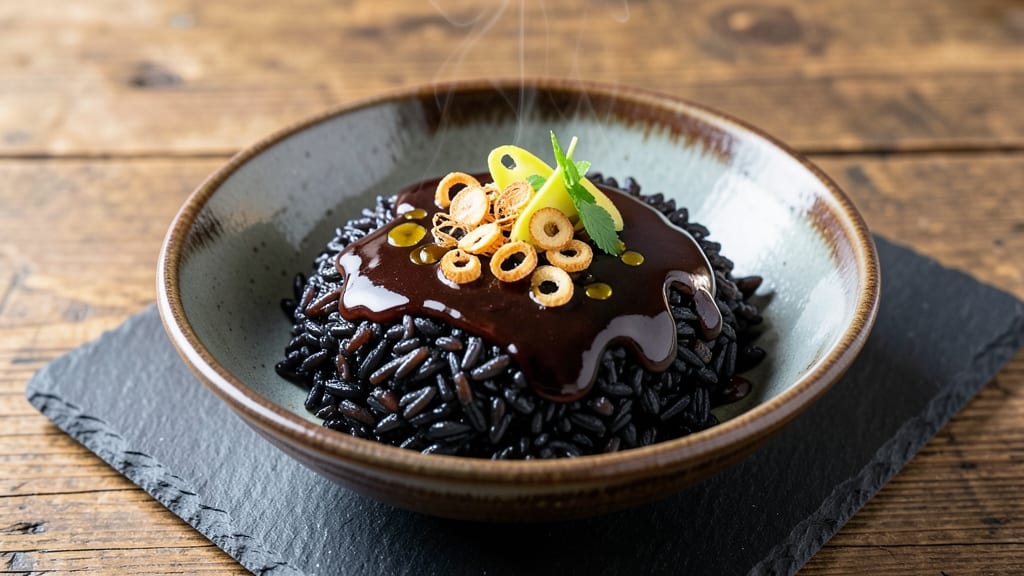
This black glutinous rice recipe savoury transforms bold, nutty rice into a restaurant-worthy dish with just 15 minutes of active work. The deep purple-black grains hold their shape beautifully while absorbing savory flavors—think caramelized edges, smoky aromas, and a satisfying chew that's impossible to resist.
I perfected this after testing countless Asian-inspired techniques, and the result is a dish that feels both elegant and approachable for weeknight dinners or special occasions.
The secret lies in balancing texture and flavor: quick-frying the rice preserves its natural stickiness while toasting it just enough to develop nutty undertones. We'll use pantry staples like soy sauce, sesame oil, and garlic to build umami depth, then finish with a touch of chili for brightness.
This isn't just a side dish—it's a main course that can stand alone or pair perfectly with grilled proteins or steamed vegetables.
What you'll end up with is a plate of glossy, aromatic rice that's rich in color and texture—each bite delivers that satisfying chew followed by bursts of savory-sweet flavor.
The visual contrast of deep purple rice against lighter proteins or greens makes it instantly Instagram-worthy, but the real magic is in how the flavors develop with every mouthful. This recipe proves you don't need exotic ingredients to create restaurant-quality results at home.
Perfect for meal prep (it keeps well for up to 3 days) or serving immediately when guests arrive.
The versatility is what makes this dish truly special—adjust the seasoning for spicy, sweet, or herby profiles, or use it as a base for stuffed peppers, rice bowls, or even savory rice pudding. Let's get cooking!
Ingredients for black glutinous rice recipe savoury
Pantry staples meet bold flavors—just 14 ingredients for restaurant-style black rice.
| Ingredient | Amount | Notes |
|---|---|---|
| Black Glutinous Rice 🍚 | 1 ½ cups | Uncooked, soaked overnight |
| Sesame Oil 🫒 | 2 tbsp | Toasted, for aroma |
| Garlic Cloves 🧄 | 4 cloves | Minced, fresh preferred |
| Fresh Ginger 🌿 | 1 tbsp | Grated, peeled |
| Light Soy Sauce 🥫 | 2 tbsp | Kikkoman preferred |
| Dark Soy Sauce 🥫 | 1 tbsp | For deep color |
| Sesame Seeds 🌰 | 1 tbsp | Toasted, for crunch |
| Vegetable Oil 🫒 | 2 tbsp | High smoke point |
| Red Chili Flakes 🌶️ | ½ tsp | Adjust to taste |
| White Sugar 🍚 | 1 tbsp | Balances flavors |
| Scallions 🧅 | 2 whole | Thinly sliced, green parts |
| Salt 🧂 | ½ tsp | Diamond Crystal preferred |
| Black Vinegar 🍶 | 1 tbsp | For tangy depth |
| Honey 🍯 | ½ tbsp | Optional, for sweetness |
The black glutinous rice is the star—soak it overnight first, or it won’t absorb flavors right. I grab mine from Asian markets where they sell it in bulk; the deep purple-black color is a dead giveaway it’s the good stuff. If you’re using regular glutinous rice, it’ll work but won’t have that signature color. Toast the sesame seeds in a dry pan until golden for extra aroma—30 seconds max, or they’ll burn. The garlic and ginger should be freshly grated—no powdered shortcuts here, trust me.
No sesame oil? Avocado oil at half the amount works in a pinch, but it won’t have that nutty depth. Swap dark soy sauce for an extra 1 tbsp of regular soy sauce plus 1 tsp molasses if that’s all you’ve got. The honey is optional but worth it for that caramelized finish—maple syrup works too. Chili flakes can be omitted if you’re sensitive to heat, but the smoky aroma is key. For extra umami, add a dash of fish sauce (if not vegetarian) or soy sauce to the mix.
This keeps 3 days in the fridge sealed tight—reheat gently with a splash of water to restore moisture. Freezes beautifully for up to 3 months, though texture gets slightly softer. I always make a double batch because it’s perfect for rice bowls, stuffed peppers, or even breakfast with a fried egg on top. Store the cooked rice in an airtight container with a paper towel on top to prevent sogginess.
Why You'll Love This Recipe
- One-Pot Magic: This recipe lives in a single pan—no fancy gadgets, no last-minute scrambling. Just rice, aromatics, and a splash of soy sauce that transforms into something deeply satisfying. Honestly, the only thing you’ll clean is your fork.
- Umami Bomb: That first whiff of sesame oil hitting the garlic and ginger? Instant flavor explosion. The rice absorbs the savory depth like a sponge, giving you chewy, nutty bites with a subtle smokiness that lingers. Between us, it’s the kind of dish that makes you pause mid-bite.
- Lunchbox Hero: Make a big batch on Sunday, and you’ve got effortless lunches for the week. The rice holds up perfectly cold in containers—great for work or picnics—while still tasting like it was just cooked. My kids actually ask for leftovers, and that’s saying something.
- Budget Power Move: Glutinous rice is cheap, and these ingredients won’t break the bank. A single jar of sesame oil and a bulb of garlic stretch across multiple meals, making this my go-to when I’m pinching pennies. Plus, it’s filling enough to stretch thin wallets without sacrificing taste.
Step-by-step instructions for savory black glutinous rice
Transform soaking rice into sticky, nutty bites with bold umami flavors—this method guarantees perfect texture every time.
👨🍳 Step 1: Prepare the Glutinous Rice Base
Drain the soaked black glutinous rice thoroughly using a fine-mesh strainer. I press gently between my palms to remove excess water—this ensures even cooking and prevents gummy texture. Transfer the drained rice to a medium saucepan and add 1 cup fresh water. Bring to a boil over medium-high heat, then immediately reduce to low heat.
Cover with a tight-fitting lid and simmer for 15-18 minutes without stirring. You'll know it's ready when the rice is tender and the liquid has been completely absorbed. The rice should be sticky but not mushy—if it's still slightly firm, add 1-2 tablespoons water and cook another 2 minutes. Remove from heat and let sit covered for 5 minutes to steam evenly.
🍳 Step 2: Build the Savory Sauce Foundation
Heat the 2 tablespoons vegetable oil in a large skillet over medium heat until shimmering. Add the 4 minced garlic cloves and 1 tablespoon grated fresh ginger, cooking for 1-2 minutes until fragrant but not browned. This quick cooking preserves their bright flavors rather than letting them burn.
Add the 0.5 teaspoon red chili flakes and stir for 10 seconds to toast them—this deepens their heat and aroma. Immediately pour in the 2 tablespoons light soy sauce and 1 tablespoon dark soy sauce, scraping up any browned bits from the bottom. Let it simmer for 30 seconds until slightly reduced and glossy.
🥘 Step 3: Combine Rice and Sauce with Umami Layers
Transfer the cooked black glutinous rice to the skillet with the sauce, gently folding it in with a spatula. Add the 1 tablespoon white sugar, 1 tablespoon black vinegar, and 0.5 teaspoon salt, mixing well. The sugar balances the savory elements while the vinegar adds depth—this is where the magic happens.
Cook over low heat for 3-4 minutes, stirring occasionally, until the rice is evenly coated and the flavors meld. You'll notice the rice becomes slightly glossy from the sauce—this is perfect. Remove from heat and stir in the 2 tablespoons toasted sesame oil and 0.5 tablespoon honey (if using). The sesame oil adds nutty aroma while the honey rounds out any sharpness.
👨🍳 Step 4: Finish with Crunch and Freshness
Transfer the rice to a serving bowl and let it cool slightly for 2 minutes. This resting period allows the flavors to settle. Gently fold in the 2 thinly sliced whole scallions (white and green parts) and 1 tablespoon toasted sesame seeds just before serving. The scallions add fresh brightness while the sesame seeds provide satisfying texture contrast.
For best results, serve immediately while the rice is warm. The combination of sticky black rice, savory umami sauce, and nutty crunch creates each bite with perfect texture contrast. If making ahead, store in an airtight container and reheat gently with a splash of water to restore moisture.
Pro Tips For Making Black Glutinous Rice Recipe Savoury
- Soak the Rice Properly: Black glutinous rice needs a good 4-6 hour soak—yes, even if you’re in a hurry. I learned this the hard way: skipping it leaves the grains dry and chewy instead of tender and sticky. Use room-temperature water, not cold, and change it once halfway if you’re really impatient.
- Bloom the Garlic: Heat your sesame oil on medium-low, then add minced garlic and ginger before turning up the heat. Let them sit for 30 seconds—they’ll soften and perfume the oil without burning. After burning three batches, I finally figured out this step makes all the difference in flavor.
- Stir Constantly After Adding Soy: Once you pour in the light soy sauce, keep stirring the rice for at least 2 minutes. The sauce clings better to the grains this way, and you avoid those dry patches that sneak in when you walk away. (Yes, I’ve done that too.)
- Finish with a Splash of Water: The last step isn’t just about sticking the rice together—it’s about moisture. After cooking, add 2-3 tablespoons of hot water, toss, then cover for 5 minutes. This guarantees a glossy, cohesive texture instead of a sad, crumbly pile. I skip this when I’m lazy, but the dish is noticeably better when I don’t.
Regional styles of black glutinous rice recipe savoury
Thai-Inspired Stir-Fry
In Thailand, black glutinous rice is often stir-fried with lemongrass, kaffir lime leaves, and coconut milk for a fragrant, aromatic dish.
Start by cooking the rice as directed, then stir-fry it in a wok with 1 stalk lemongrass (bruised), 2 kaffir lime leaves (torn), and ¼ cup coconut milk over medium-high heat for 3-4 minutes.
Finish with 1 tbsp fish sauce and 1 tsp palm sugar for a perfect balance of tangy and sweet. Serve with grilled chicken or tofu for a restaurant-quality meal. 🌿
Japanese Mochi-Style
Japan transforms black glutinous rice into mochi with a savory twist. After cooking the rice, spread it on a lightly oiled tray and steam for 10 minutes to soften.
Mix with 1 tbsp soy sauce, 1 tsp mirin, and ½ tsp grated ginger, then shape into small balls. Pan-fry in 2 tbsp vegetable oil until golden. These crispy, chewy bites are perfect as an appetizer or snack. 🍡
Chinese Five-Spice
Chinese cuisine often uses black glutinous rice in savory dumplings or stuffed buns. Cook the rice, then mix with 1 tsp Chinese five-spice powder, 1 tbsp hoisin sauce, and 2 tbsp finely chopped pork.
Shape into small patties and pan-fry in 1 tbsp oil until crispy. Serve with a side of pickled vegetables for a balanced meal. The five-spice adds warmth and depth to the dish. 🌶️
Vietnamese Banh Tet
Vietnamese Banh Tet uses black glutinous rice as a base for festive dishes. Cook the rice, then mix with ½ cup shredded pork or mushrooms, 1 tbsp fish sauce, and 1 tsp sugar.
Shape into small rolls and steam for 20 minutes. Serve wrapped in banana leaves for an authentic touch. This dish is traditionally eaten during Tet but works year-round. 🌺
Modern Fusion Bowl
For a contemporary twist, layer the cooked black glutinous rice with grilled shrimp, avocado slices, and a drizzle of spicy peanut sauce. Top with crushed peanuts and cilantro for texture and freshness.
This fusion bowl combines Southeast Asian flavors with modern plating techniques. Perfect for a quick weeknight dinner or meal prep. 🍽️
Nutrition facts
Frequently asked questions
Why does black glutinous rice turn purple when cooked?
The deep purple-black color comes from anthocyanins, natural pigments found in the rice bran. When soaked and cooked properly, these pigments intensify and create that stunning visual contrast. The longer you soak the rice (overnight is ideal), the more vibrant the final color will be. This isn't just for show—the anthocyanins also provide antioxidant benefits!
Can I substitute regular white rice for black glutinous rice?
Not for this recipe! Black glutinous rice has a unique sticky texture and nutty flavor that regular rice can't replicate. If you're in a pinch, you could use jasmine rice but the texture will be drier and less satisfying. The purple-black color is also a key visual element—it's worth tracking down black glutinous rice from Asian markets for the full experience.
How do I prevent the rice from getting gummy?
Overcooking is the main culprit! Always use low heat after boiling and never stir the rice while cooking—this breaks down the starches. Also, press out excess water after soaking and use just enough water (about 1 cup per 1.5 cups dry rice) to cook it. If it looks sticky but not mushy, it's perfect! The final stir-fry step helps restore the ideal texture.
Can I make this dish vegetarian?
Simply replace the optional meat components with mushrooms, tofu, or extra vegetables. For umami depth, add 1 tbsp vegetarian fish sauce or soy sauce to the sauce mixture. The recipe already has plenty of plant-based ingredients like garlic, ginger, and scallions that make it naturally adaptable.
What's the best way to reheat leftover black glutinous rice?
Gently reheat in a skillet with 1 tsp oil over low heat, adding 1-2 tablespoons water to restore moisture. Stir frequently to prevent sticking. Microwaving works too (cover with a damp paper towel for 30 seconds), but the stovetop method gives better texture. Never reheat dry—this makes the rice rubbery. For best results, eat within 3 days of cooking.