
Main Courses
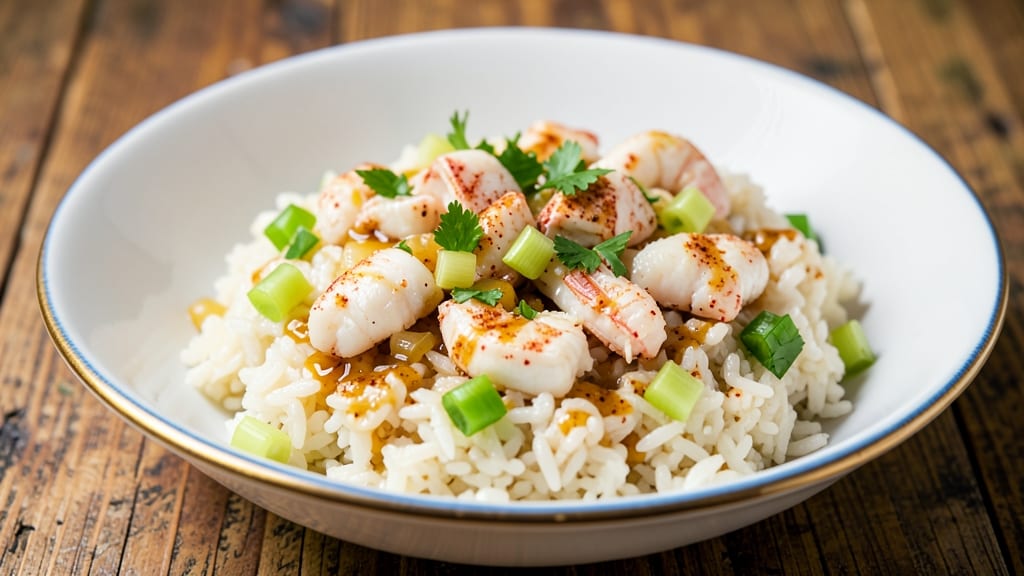
This Cajun crab rice recipe delivers bold Louisiana flavors in every bite—spicy, buttery rice packed with sweet crab meat that's impossible to resist. The secret lies in balancing heat from cayenne and smoked paprika with the natural sweetness of crab, all while achieving perfectly fluffy rice that soaks up every bit of flavor. I've perfected this dish after countless batches, ensuring the crab stays tender while the rice develops that signature Cajun depth.
What makes this recipe stand out is the combination of techniques: sautéing the crab in butter until just cooked, then folding it into perfectly seasoned rice that's been cooked in a rich Cajun broth.
The result is a dish that's restaurant-quality at home, with each forkful offering a perfect balance of spice, sweetness, and buttery richness. Serve it as a main course with a crisp green salad or as a showstopping centerpiece for your next seafood gathering.
Ingredients for cajun crab rice
Bold Louisiana flavors meet tender crab and buttery rice in this restaurant-quality dish.
| Ingredient | Amount | Notes |
|---|---|---|
| Long-Grain White Rice 🍚 | 1 ½ cups | Uncooked, jasmine or basmati preferred |
| Lump Crab Meat 🦀 | 1 ½ lb | Fresh or high-quality canned, drained |
| Unsalted Butter 🧈 | ½ cup | European-style preferred for flavor |
| Celery Stalks 🧅 | 2 whole | Diced, for Cajun holy trinity |
| Green Bell Pepper 🍆 | 1 whole | Diced, any color bell pepper |
| Yellow Onion 🧅 | 1 whole | Diced, sweet variety preferred |
| Garlic Cloves 🧄 | 4 cloves | Minced, for depth of flavor |
| Cayenne Pepper 🌶️ | 1 tsp | Adjust for desired heat level |
| Smoked Paprika 🌶️ | 1 tbsp | For authentic Cajun smokiness |
| Dried Thyme 🌿 | 1 tsp | Or 1 tbsp fresh thyme leaves |
| Seafood Stock 💧 | 2 cups | Low-sodium preferred for balance |
| Lemon Juice 🍋 | 2 tbsp | Freshly squeezed for brightness |
| Salt 🧂 | 1 ½ tsp | Kosher or sea salt preferred |
| Black Pepper 🌶️ | ½ tsp | Freshly ground for best flavor |
| Green Onions 🧅 | 2 whole | Sliced, for garnish |
The crab makes this dish special, so prioritize quality. Fresh lump crab from a trusted seafood market is ideal, but high-end canned crab like Crown Prince works beautifully too. Look for bright, moist crab with minimal shell fragments. The rice? Jasmine or basmati both work—jasmine has a slight floral note that pairs perfectly with Cajun flavors. For the butter, European-style brands like Plugrá or Land O'Lakes have more flavor than generic American butter. Don't skip the Cajun holy trinity (onion, bell pepper, celery)—it's the flavor foundation of this dish.
No lump crab? Claw meat or even imitation crab will work in a pinch, though texture will differ. Short on seafood stock? Chicken stock with a splash of clam juice gets you close. The smoked paprika is non-negotiable for that authentic Cajun flavor—Goya or Tony Chachere's are my go-tos. Fresh thyme is better, but dried works fine if that's what you've got. For extra heat, add a pinch of crushed red pepper flakes. The lemon juice should be freshly squeezed—bottled won't have the same bright punch.
This dish reheats beautifully—just add a splash of water or stock to keep it moist. Store leftovers in an airtight container for up to 3 days in the fridge. For longer storage, freeze portions for up to 3 months. The rice will dry out if frozen, so add a tablespoon of water when reheating. Garnish with green onions and a sprinkle of smoked paprika just before serving to keep everything vibrant. Make a double batch—the leftovers make amazing crab rice bowls the next day.
Why You'll Love This Recipe
- One-Pot Magic: I swear by this recipe—just toss everything in one pot, stir, and walk away. No fancy techniques, no stress. The rice cooks while the crab soaks up the Cajun spices, and that butter? It melts into pure richness without extra effort.
- Crab Lovers’ Dream: The moment that lump crab meat hits the simmering Cajun butter, it’s chef’s kiss. Sweet, briny, and just tender enough—plus, the celery and bell pepper add a fresh crunch that cuts through the richness. My husband licks his plate clean (yes, really).
- Weeknight to Party: Same dish, different vibes. Toss it together for a lazy Tuesday dinner, or double the batch for a crowd at a summer BBQ. The Cajun kick makes it feel special, but the simplicity keeps it stress-free—no one will guess how little work it took.
- Leftovers That Win: This recipe actually improves the next day. The flavors meld even better, and the rice stays fluffy. I meal prep it all the time—just reheat with a splash of water, and it’s like making it fresh. (Bonus: Freezes like a champ for those “I don’t wanna cook” nights.)
Step-by-step instructions for Cajun crab rice
Here's the method for creating rich, spicy Cajun crab rice with tender grains and sweet crab.
Sauté the Cajun Holy Trinity
Heat a large, heavy-bottomed pot over medium heat and add the 0.5 cup unsalted butter. Once the butter melts and begins to foam, add the diced celery stalks, diced green bell pepper, and diced yellow onion. Cook for 5-6 minutes until the vegetables soften and release their moisture, stirring occasionally to prevent burning.
This foundational step builds flavor through caramelization. You'll know it's ready when the vegetables are tender and the butter has taken on a golden hue. Add the 4 cloves minced garlic and cook for another 30 seconds until fragrant—this adds depth that transforms ordinary rice into something extraordinary.
Toast the Spices and Rice
Reduce heat to medium-low and stir in the 1 tbsp smoked paprika, 1 tsp dried thyme, and 1 tsp cayenne pepper. Cook for 1 minute until the spices are fragrant and the paprika develops its characteristic aroma. This step prevents the rice from absorbing too much liquid too quickly and adds that signature Cajun kick.
Add the 1.5 cups long-grain white rice and stir to coat each grain with the spiced butter mixture. Toast the rice for 2 minutes until it becomes translucent at the edges. This toasting step creates a nutty flavor and prevents the rice from becoming mushy during cooking. Don't walk away—burnt rice ruins everything.
Add Liquid and Simmer
Pour in the 2 cups seafood stock and bring to a boil. Once boiling, reduce heat to low and cover the pot with a tight-fitting lid. The rice should cook undisturbed for 15 minutes. This initial cooking phase allows the rice to absorb liquid evenly without stirring—disturbing it now creates uneven grains.
After 15 minutes, remove the lid and stir the rice gently with a wooden spoon. You'll notice the liquid has been absorbed and the rice is still slightly firm to the bite. Add the 1.5 lb lump crab meat and 2 tbsp lemon juice, then stir gently to distribute the crab evenly. The lemon juice brightens the dish and balances the richness of the butter and crab.
Finish Cooking and Rest
Return the lid to the pot and cook for another 10-12 minutes on low heat, until the rice is tender and the liquid has been fully absorbed. You'll know it's done when the rice pulls away from the sides of the pot and has a slight crunch at the edges. The crab should be heated through but not overcooked—it should still have a delicate, sweet texture.
Remove from heat and let the rice rest, covered, for 5 minutes. This resting period allows the flavors to meld and the crab to absorb some of the rice's moisture, ensuring every bite is perfectly balanced. Fluff the rice gently with a fork before serving, then garnish with sliced green onions for freshness and color.
Pro Tips For Making Cajun Crab Rice
- Sweat the Holy Trinity: First, dice the celery and bell pepper into ¼-inch pieces—smaller than you’d think. If you leave them in big chunks, they’ll turn to mush and ruin the texture. I used to skip this, and the dish felt sloppy. Now I treat it like a fine sauce: cook it low and slow until it’s soft but still holds shape.
- Toast the Rice Dry: Before adding liquid, spread the raw rice in a dry skillet over medium heat for 2-3 minutes, stirring constantly. This step removes excess starch and gives the rice that perfect, separate-grain texture. I learned this the hard way—skipping it leads to gluey, sad rice.
- Add Crab Meat Late: Hold off on mixing in the lump crab meat until the very end, when the rice is just tender. If you add it early, it’ll turn rubbery from the heat. Instead, fold it in gently with a fork right after draining the rice—this keeps it tender and lets you taste every sweet, buttery bite.
- Use a 1:2 Ratio: For every cup of rice, use 2 cups of liquid—broth, water, or a mix. Too much liquid and you’ll end up with porridge; too little and the rice will dry out. I used to eyeball it and always messed up. Now I measure, and the rice comes out fluffy every time.
Wine and beer pairings for these flavors
White Wine Pairings
For this rich, buttery dish, I reach for a crisp Dry Riesling from Germany or Alsace—its bright acidity cuts through the richness while complementing the crab's sweetness. A Sauvignon Blanc from New Zealand adds zesty citrus notes that echo the lemon juice in the recipe.
Both wines should be chilled to 45-50°F to maintain their refreshing qualities. 🍷
Red Wine Options
If you prefer red, a light-bodied Pinot Noir from Oregon or Burgundy works beautifully. Its earthy undertones pair surprisingly well with the Cajun spices, while its gentle tannins won't overpower the delicate crab. Serve it slightly cooler than usual (55°F) to enhance its fruitiness against the dish's heat.
Beer Recommendations
A crisp lager like Peroni or Stella Artois cleanses the palate between bites, while a Belgian witbier with its coriander and citrus notes adds a refreshing contrast. For something more robust, try a light American ale—its subtle malt sweetness balances the spice.
Avoid heavy stouts or IPAs that would compete with the dish's flavors.
Non-Alcoholic Choices
For a refreshing non-alcoholic option, I love sparkling grapefruit soda—its bitterness and effervescence mirror the wine pairings. A ginger beer with a squeeze of lime also works wonders, especially if you want to emphasize the dish's spicy elements.
Both options should be served well-chilled (38-40°F) for the best experience.
Regional Pairing Twist
In Louisiana, locals often pair Cajun seafood with Abita beer, a local favorite with a malty sweetness that complements the dish's richness. For a more adventurous choice, try a Sazerac cocktail—its herbal notes and citrus forwardness make it a perfect match for the complex flavors in this recipe. 🍸
Nutrition facts
Frequently asked questions
Can I substitute fresh crab with canned for this recipe?
Yes! High-quality canned lump crab like Crown Prince works beautifully. Look for brands with minimal shell fragments and drain it thoroughly. For best results, gently heat the canned crab in a skillet with a pat of butter and a pinch of smoked paprika before folding it into the rice. This adds extra flavor and mimics the texture of fresh crab.
How do I adjust the heat level in this Cajun crab rice?
Start with the 1 tsp cayenne pepper called for, then adjust to taste. For mild heat, reduce to ½ tsp or swap for ½ tsp paprika only. For extra spice, add ½ tsp crushed red pepper flakes or a dash of hot sauce. Remember, the smoked paprika already contributes depth without heat—it's the cayenne that brings the kick!
What's the best way to reheat leftover Cajun crab rice?
Reheat gently in a skillet over low heat with a splash of water or seafood stock (about 1-2 tablespoons) to restore moisture. Cover for 3-5 minutes, stirring occasionally. For microwave reheating, cover with a damp paper towel and heat in 30-second intervals, stirring between each. The crab should stay tender, not rubbery!
Can I make this dish ahead of time?
This recipe actually tastes better the next day as flavors meld. Cook the rice completely, then refrigerate in an airtight container for up to 3 days. When ready to serve, gently reheat with a splash of stock or water. For freezing, portion into containers and freeze for up to 3 months. Thaw overnight in the fridge before reheating.
What's the secret to perfectly fluffy Cajun rice?
The key is toasting the rice in butter until translucent before adding liquid, then cooking undisturbed for 15 minutes before stirring. Using a tight-fitting lid traps steam, creating fluffy grains. Also, never stir the rice while cooking—this releases starches that make it mushy. The 5-minute rest at the end is crucial for even texture!