
Main Courses
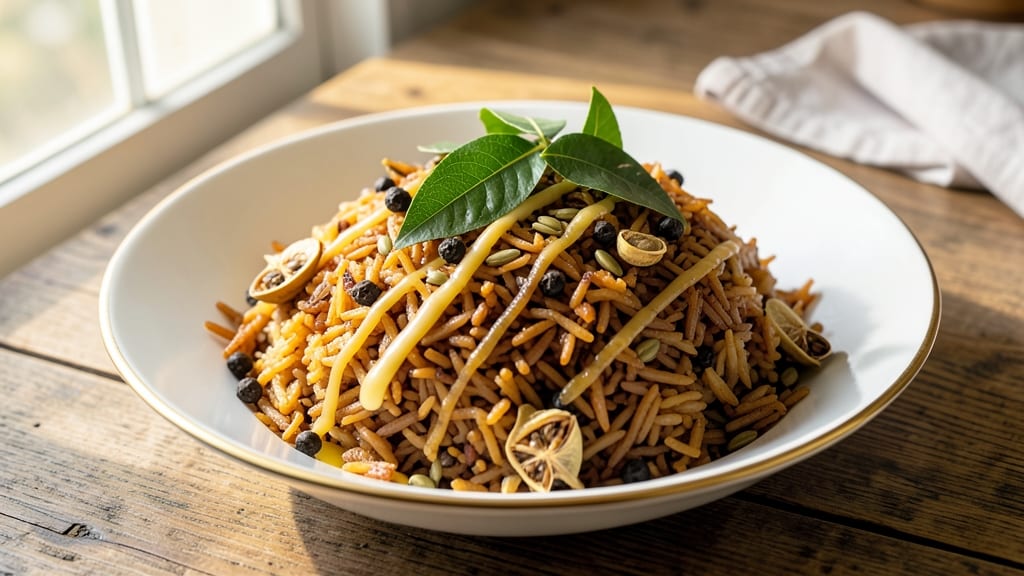
This one-pot South Indian black pepper rice delivers the bold, aromatic essence of South India in every fragrant grain. The secret lies in toasting whole black peppercorns until they crackle with crunch, releasing their fiery depth that transforms simple basmati rice into a restaurant-worthy dish.
I developed this recipe after years of perfecting the balance between pepper's sharp heat and rice's natural nuttiness—no shortcuts, just traditional technique.
The magic happens in three key steps: soaking the rice for even texture, pressure-cooking until perfectly fluffy, and finishing with a tempering of mustard seeds and curry leaves that layers complexity.
What you end up with is rice that's not just fragrant but texturally perfect—light, fluffy, and studded with toasted peppercorns that add both crunch and heat. This is the kind of dish that makes weeknight dinners feel like a celebration.
Ingredients for black pepper rice south indian
The aromatic foundation of South Indian cuisine—where whole spices and basmati rice create a symphony of flavors in one pot.
| Ingredient | Amount | Notes |
|---|---|---|
| Basmati Rice 🍚 | 1 cup | Long-grain, uncooked, rinsed thoroughly |
| Whole Black Peppercorns 🌶️ | ½ cup | Freshly cracked, light toasted |
| Mustard Seeds 🌿 | 1 tbsp | Whole, yellow variety preferred |
| Curry Leaves 🍃 | ¼ cup | Fresh, whole leaves |
| Ghee 🧈 | ½ cup | Clarified butter, unsalted |
| Coconut Oil 🥥 | ¼ cup | Virgin, for tempering |
| Bay Leaves 🍃 | 2 whole | Fresh or dried |
| Green Cardamom Pods 🌿 | 4 whole | Lightly crushed |
| Cinnamon Stick 🌿 | 1 whole | 2-inch piece |
| Salt 🧂 | 1 ½ tsp | Diamond Crystal preferred |
| Water 💧 | 2 ¼ cups | Filtered, room temperature |
| Fresh Cilantro 🌿 | ¼ cup | Chopped, for garnish |
| Lemon Juice 🍋 | 1 tbsp | Freshly squeezed |
The peppercorns are non-negotiable here—freshly cracked and lightly toasted until they release their essential oils and crackle audibly. Whole Foods or Indian grocery stores carry the best quality, but avoid pre-ground pepper. For the curry leaves, authentic South Indian markets often sell them dried in small packets, but fresh leaves from a specialty store deliver unmatched aroma. Ghee should be pure, with no additives—Gowardhan or Organic India brands are excellent choices. The basmati rice must be long-grain and unbroken; Maharajah or Tilda are reliable brands for consistent texture.
No mustard seeds? Ground mustard seeds at half the amount work in a pinch, though the tempering loses some depth. Fresh curry leaves unavailable? Dried leaves at one-third the quantity suffice, but toast them first to revive their flavor. Substituting vegetable oil for ghee changes the dish's richness—stick with ghee or coconut oil for authenticity. The bay leaves and cardamom can be omitted if unavailable, but the cinnamon stick is essential for that warm, woody undertone. For the water, filtered is best, but tap water works if boiled first to remove chlorine.
Toast your peppercorns and spices in a dry pan until fragrant—this step cannot be skipped. The rice keeps best in the fridge for 3-4 days, though it reheats best when fresh. For longer storage, portion into airtight containers and freeze for up to 3 months. Garnish with fresh cilantro and a squeeze of lemon juice just before serving—this brightens the dish and balances the pepper's heat. Leftovers make excellent lunches; simply reheat with a splash of water to restore moisture.
Why You'll Love This Recipe
- Here’s the truth: This rice tastes better the next day. The flavors meld overnight, and reheating it in a steamer or microwave keeps it fluffy. I make a big batch on Sundays and pair it with curries all week—no sad, dry rice here.
- Pantry-Friendly Magic: I swear by this one—no fresh herbs, no fancy prep. Just basmati rice, whole peppercorns, and a handful of spices you already have. The mustard seeds pop in ghee like a tiny firework show, and curry leaves add that unmistakable South Indian aroma without a single chop.
- Peppery Perfection: That first bite of nutty rice with cracked peppercorns? It’s like a warm hug for your taste buds. The peppercorns release their heat slowly, balancing the rice’s mild sweetness—no overpowering spice, just a lingering, satisfying kick that makes it feel special.
- Leftover Legend: Here’s the truth: This rice tastes better the next day. The flavors meld overnight, and reheating it in a steamer or microwave keeps it fluffy. I make a big batch on Sundays and pair it with curries all week—no sad, dry rice here.
Step-by-step instructions for South Indian black pepper rice
Here's the method to create this aromatic, one-pot dish with perfectly toasted spices and tender rice.
Prepare the Spice Base and Toast the Peppercorns
In a heavy-bottomed pot, combine the 1 cup Basmati Rice with the 0.5 cup Whole Black Peppercorns, 2 whole Bay Leaves, 4 whole Green Cardamom Pods, and 1 whole Cinnamon Stick. Toast over medium-low heat for 3-4 minutes, stirring constantly, until the peppercorns begin to pop and release their aroma. You'll notice the spices darken slightly and fill your kitchen with an earthy, peppery fragrance—this is essential for building flavor.
Real talk: Don't rush this step. The gentle toasting ensures the peppercorns develop their signature crunch without burning. Once you hear the first few pops, reduce heat slightly to prevent scorching. This is where the dish gets its signature texture and aroma—don't skip it.
Temper the Ghee and Coconut Oil
Add the 0.5 cup Ghee and 0.25 cup Coconut Oil to the pot. Increase heat to medium and let the mixture sizzle for 2-3 minutes until the ghee melts completely and the oil begins to shimmer. This creates the perfect canvas for the remaining spices.
Next, add the 1 tbsp Mustard Seeds and 0.25 cup Curry Leaves. Stir for 30 seconds until the mustard seeds pop and the curry leaves turn vibrant green. Here's the thing—you want the mustard seeds to bloom fully before adding the rice. If they burn, you'll get a bitter taste that overpowers the delicate peppercorn flavor.
Add Rice and Water for Perfect Cooking
Pour in the 2.25 cups Water and 1.5 tsp Salt, then stir gently to combine. Bring the mixture to a boil, then reduce heat to low and cover with a tight-fitting lid. Let it simmer for 15 minutes without disturbing it—this allows the rice to absorb the water evenly and develop a light, fluffy texture.
After 15 minutes, check the rice. If it's still firm in the center, cover and cook for another 5 minutes. The rice should be tender but still have a slight bite—this ensures it doesn't turn mushy. The one-pot method works perfectly here, as the spices infuse directly into the rice and water, creating a cohesive flavor profile.
Rest and Finish with Fresh Flavors
Once the rice is cooked, remove from heat and let it rest, covered, for 10 minutes. This resting period allows the steam to redistribute and the rice to firm up slightly. After resting, fluff the rice gently with a fork, then stir in the 0.25 cup Fresh Cilantro and 1 tbsp Lemon Juice. The lemon juice brightens the dish, cutting through the richness of the ghee and peppercorns.
Serve immediately while still warm. The dish should have a fragrant aroma with a delicate balance of toasted peppercorns, floral cardamom, and citrusy lemon. Each bite should deliver a satisfying crunch from the peppercorns, a creamy texture from the ghee, and a bright finish from the cilantro and lemon.
Pro Tips For Making Black Pepper Rice South Indian
- CRACK THE PEPPERCORNS FIRST: Don’t toss whole peppercorns into the pot raw—they’ll just sit there like decorative rocks. Lightly crush them in a mortar and pestle (or roll with a wine bottle) until you can see tiny cracks but no powder. This releases the aroma without turning your rice into a peppery sludge.
- USE GHEE LIKE A STEALTHY FLAVOR BOMB: Skip the oil for the tempering—ghee’s higher smoke point means you can crank the heat without burning the mustard seeds or curry leaves. Add it when the mustard seeds are just about to pop, then immediately toss in the leaves and crushed peppercorns. The ghee’s nutty depth cuts through the pepper’s sharpness.
- DON’T LET THE RICE BOIL DRY: After adding water, bring it to a boil once, then reduce to a simmer and cook covered. I learned this the hard way—boiling aggressively turns basmati into mush. Keep an eye on it; if the water level drops too fast, add a splash of hot water (not cold) to maintain the steam.
- TOAST THE RICE UNTIL IT SINGS: Before adding water, toast the rinsed basmati in the same pot you’ll cook it in—medium-high heat, stirring constantly for 2–3 minutes until it smells toasted, not burnt. This isn’t just about aroma; it prevents the rice from turning gummy. (Yes, even if you’re impatient like me.)
Troubleshooting this dish
Undercooked Rice Fix
If your rice turns out undercooked after the initial 15 minutes, don’t panic—just add ¼ cup water and cook uncovered for another 3-5 minutes on low heat. Stir gently once to ensure even moisture distribution.
The key is patience; rushing will make it mushy. I’ve learned this the hard way—always check rice texture before adding extra water. 🌡️
Burnt Spices Rescue
If your spices burn during toasting (especially the mustard seeds), immediately remove the pot from heat and stir in 1 tbsp coconut milk to neutralize the bitterness.
This trick works wonders for salvaging the dish. For future attempts, keep heat at medium-low and watch closely—burnt spices ruin the delicate balance of flavors. 💡
Mushy Texture Prevention
Overcooking is the enemy of perfect texture. If your rice turns mushy, it’s likely because you lifted the lid too early or used too much water. Next time, stick to the 1:2.25 rice-to-water ratio and avoid peeking during cooking.
For extra insurance, use a heavy-bottomed pot like a Lodge Dutch oven—it distributes heat evenly and prevents sticking. ⚡
Peppercorn Crunch Loss
If your peppercorns lose their crunch, they were likely over-toasted or under-toasted. For optimal results, toast them until they just begin to pop (3-4 minutes on medium-low).
If they’re already soft, sprinkle extra ½ tsp whole peppercorns on top before serving for that signature crunch. Freshly cracked peppercorns make all the difference! 🌶️
Ghee Separation Fix
If your ghee separates or looks grainy, it’s likely due to moisture or impurities. Use pure, unsalted ghee (like Gowardhan) and ensure your pot is completely dry before adding it.
If separation happens, gently reheat the rice with 1 tbsp extra ghee to restore richness. This step is non-negotiable for authentic flavor. 🧈
Lemon Juice Balance
Too much lemon juice can overpower the dish. Start with just 1 tbsp and adjust to taste—you can always add more, but you can’t take it out.
If your rice tastes too sharp, stir in ½ tsp sugar to balance the acidity. The goal is brightness, not sourness. Trust your palate here! 🍋
Nutrition facts
Frequently asked questions
Why does this recipe use whole peppercorns instead of ground pepper?
Whole peppercorns deliver a superior texture and flavor! When toasted lightly, they create a satisfying crunch and release their essential oils gradually, layering the dish with aromatic heat. Ground pepper loses its crunch and can overpower the delicate balance of spices in this South Indian classic.
Can I make this recipe without ghee? What's the best substitute?
For authenticity, ghee is ideal, but you can use coconut oil or clarified butter in a pinch. Avoid vegetable oils—they lack the rich, nutty depth that makes this dish special. If using coconut oil, increase the quantity by 10% to compensate for its lighter texture.
How do I adjust the spice level for kids or sensitive eaters?
Simply reduce the peppercorns to ¼ cup and toast them for just 2 minutes (until fragrant but not popping). For extra mildness, remove the peppercorns before serving and serve them on the side. The other spices (cardamom, cinnamon) provide warmth without heat.
What are the best sides to serve with black pepper rice?
This dish pairs beautifully with South Indian sambar, coconut chutney, or yogurt raita. For a complete meal, add a protein like grilled fish or spiced lentils. The peppery rice balances well with cooling yogurt or tangy chutneys.
Can I make this in an Instant Pot or rice cooker?
Yes! For the Instant Pot, follow the same toasting steps, then add rice, water, and spices. Cook on high pressure for 8 minutes, then natural release for 10 minutes. In a rice cooker, toast the spices separately, then combine with rice and water, cooking on the white rice setting. The one-pot method works perfectly in both!