
Main Courses
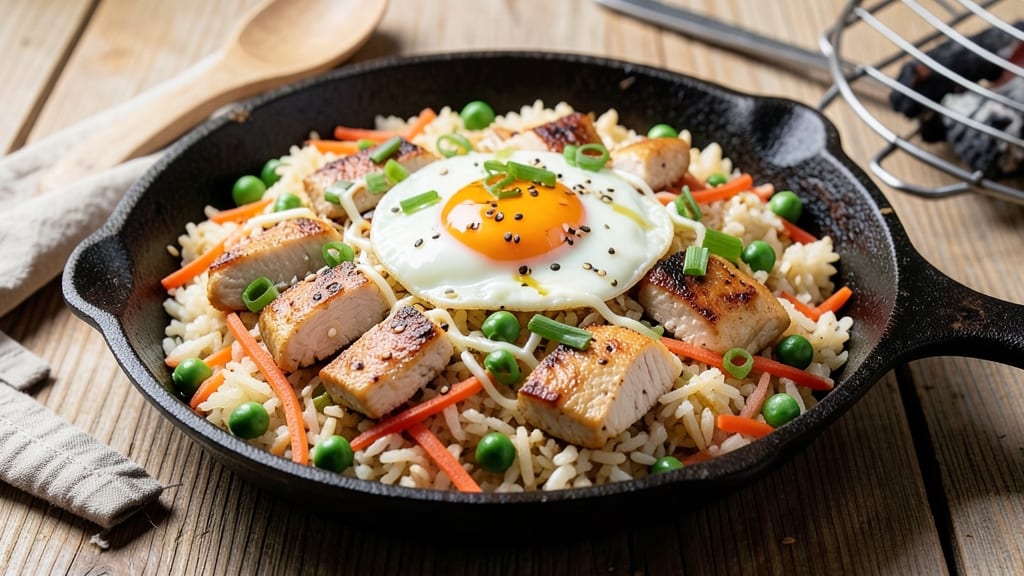
This camping fried rice recipe transforms leftover rice into a hearty, one-pan meal perfect for campfires and limited kitchen setups. 🔥 The secret lies in using simple pantry staples—eggs, veggies, and protein—cooked together in a single skillet or foil packet over a camp stove.
No fancy equipment needed, just a little creativity and the right technique to balance flavors without a full kitchen.
What makes this recipe special is its adaptability: use whatever protein or veggies you have on hand, and adjust seasonings to match your taste. The key is high heat for crispy edges and tender rice, all while keeping it lightweight enough for backpacking trips.
Whether you're cooking over a campfire or a portable stove, this fried rice delivers restaurant-quality results with minimal effort.
Ingredients for camping fried rice
Simple pantry staples transform leftover rice into a hearty camping meal with minimal equipment.
| Ingredient | Amount | Notes |
|---|---|---|
| Cooked White Rice 🍚 | 4 cups | Day-old rice preferred |
| Large Eggs 🥚 | 2 whole | Freshly cracked for binding |
| Chicken Breast 🍗 | 1 lb | Diced into small pieces |
| Carrots 🥕 | 1 cup | Diced small for even cooking |
| Frozen Peas 🌱 | ½ cup | Thawed before adding |
| Green Onions 🧅 | ¼ cup | Sliced thin for freshness |
| Garlic Cloves 🧄 | 3 cloves | Minced for aromatic base |
| Soy Sauce 🍶 | ¼ cup | Low-sodium preferred |
| Sesame Oil 🫒 | 1 tbsp | For authentic flavor |
| Vegetable Oil 🫒 | 2 tbsp | High smoke point for camp stove |
| Salt 🧂 | 1 tsp | Adjust to taste |
| Black Pepper 🌶️ | ½ tsp | Freshly ground preferred |
| Optional Protein 🥓 | 1 cup | Diced ham or tofu substitute |
The rice is your base—day-old works best (no soggy texture). Cooked chicken breast is ideal for protein, but swap in ham, tofu, or even canned beans if needed. Carrots and peas add color and texture, but frozen veggies work perfectly for camp cooking. Garlic and green onions bring freshness—fresh is best, but dried will do in a pinch. Grab the low-sodium soy sauce from the camping section at REI or Backcountry—it travels well and keeps flavors balanced. Sesame oil is a game-changer for that authentic wok-house taste, but a drizzle of olive oil works too if you're skipping it.
No chicken? Canned tuna or pre-cooked sausage are great swaps—just drain well. Fresh garlic unavailable? Garlic powder at half the amount works, but the flavor won't be as deep. Soy sauce too salty? Dilute with a splash of water or use coconut aminos. The veggies can be whatever you've got—frozen mixed veggies, bell peppers, or even leftover corn. For extra crunch, toss in crushed peanuts or fried shallots at the end. The key is high heat—camp stoves or even a grill grate over coals works perfectly for crispy edges.
Prep ahead what you can: chop veggies and protein at home to save time at camp. The rice keeps 3-4 days in a sealed container, and frozen veggies stay good indefinitely. Pack the soy sauce and sesame oil in small travel-sized bottles—they won't spill even if your pack shifts. This reheats beautifully over campfire coals or on a portable stove. For leftovers, store in a ziplock bag and it'll keep 2-3 days without refrigeration. Perfect for backpacking trips where weight and space matter.
Why You'll Love This Recipe
- One-Pot Magic: I swear by this—no extra dishes, just one pan, and I’m done. Toss in the rice, scrambled eggs, chicken, and veggies all at once, and let the heat work its magic. Even my picky campers don’t complain about the mess (or lack thereof).
- Crispy Eggs, Creamy Rice: That first bite? The eggs get perfectly crispy on the edges while the rice stays tender—like a little golden hug. Honestly, the soy sauce and garlic powder combo turns this into something way more exciting than takeout.
- Campfire or Kitchen: I make it over a camp stove with no problem, but it’s just as easy on my stovetop at home. Whether you’re roughing it or just skipping the grocery store, this recipe adapts like a champ.
- Leftovers? Please.: It reheats like a dream, so I always double the batch. The peas stay bright, the chicken stays juicy, and my kids still beg for seconds—even after day-old lunches. Budget-friendly? Absolutely. Waste-free? Even better.
Step-by-step instructions for camping fried rice
Transform leftover rice into a flavorful one-pan meal with minimal cleanup.
🍳 Step 1: Prep and Preheat for Cooking
Start by dicing the 1 lb chicken breast into small, even pieces—about ½-inch cubes. This ensures they cook quickly and evenly over the camp stove. In a separate bowl, thaw the 0.5 cup frozen peas by running them under warm water for 2-3 minutes. Dice the 1 cup carrots into small, uniform pieces so they cook through without becoming mushy.
Heat a large camp stove skillet over medium-high heat. Add 2 tablespoons vegetable oil and let it get hot enough to shimmer—this prevents the rice from sticking and ensures a proper sear. I like to wait until the oil ripples slightly before adding ingredients. This is where the magic starts for that perfect campfire fried rice texture.
👨🍳 Step 2: Cook the Protein and Aromatics
Add the diced chicken breast to the hot oil and cook for 4-5 minutes, stirring occasionally, until the pieces are lightly browned and no longer pink in the center. Remove the chicken from the skillet and set it aside on a plate. In the same skillet, add 3 minced garlic cloves and cook for 30 seconds until fragrant—this releases their full flavor.
Next, add the diced carrots and cook for 3-4 minutes until they begin to soften slightly but still retain a bit of bite. This step builds the foundation of flavors that will blend beautifully with the rice. If using the 1 cup optional protein (like diced ham or tofu), add it now and cook for 2-3 minutes until heated through. Keep everything moving in the pan to prevent sticking.
🍳 Step 3: Scramble the Eggs and Combine
Push the cooked vegetables and protein to one side of the skillet, creating space in the center. Crack the 2 whole large eggs into the empty space and let them sit for 5-10 seconds until they start to set slightly. Using a spatula, gently scramble the eggs, breaking them into small, soft curds. Once they're just set but still slightly runny, mix them into the vegetables and protein.
Add the 4 cups cooked white rice to the skillet, breaking up any large clumps with your spatula. The rice should sizzle as it hits the hot pan—this is your signal to keep everything moving. Sprinkle the 1 teaspoon salt and 0.5 teaspoon black pepper over the rice and stir to combine. The rice should be hot and slightly sticky, which helps it cling together beautifully.
🥘 Step 4: Add Flavor and Finish Cooking
Pour in the 0.25 cup soy sauce and 1 tablespoon sesame oil, stirring everything together. The soy sauce will start to caramelize slightly, adding depth of flavor, while the sesame oil infuses that nutty, aromatic touch. Add the thawed 0.5 cup frozen peas and 0.25 cup sliced green onions, stirring gently to distribute them evenly. Cook for 2-3 minutes until the peas are heated through and the green onions are wilted.
Taste the fried rice and adjust the seasoning if needed—you might want to add a splash more soy sauce for extra umami or a pinch of salt for balance. Remove the skillet from heat and let it sit for 1 minute to allow the flavors to meld together. Serve immediately while everything is hot and the rice is still slightly sticky.
Pro Tips For Making Camping Fried Rice
- USE COLD RICE: Day-old rice is your friend—it’s drier, less sticky, and won’t turn mushy when you fry it. If you’re cooking fresh, spread it out on a tray and refrigerate for 30 minutes first. Trust me, the difference is night and day.
- PRE-CUT THE CARROTS: Thinly slice those carrots before you leave home—no one wants to be chopping veggies by a campfire with a dull knife. Use a mandoline if you’re fancy, or just ask the butcher to do it for you. Small, even pieces cook faster and look better.
- COOK CHICKEN UNTIL DRY: Overcooked chicken? Better than undercooked. Fry those breast strips until they’re bone-dry on the outside—no pink, no juices. If you’re in a hurry, slice them thinner first. Dry chicken absorbs flavor and doesn’t turn your fried rice into a soggy mess.
- FREEZE PEAS FIRST: Thaw those frozen peas in a bowl of cold water for 10 minutes before adding them to the pan. This keeps them from steaming and turning to mush when they hit the hot oil. Cold peas also add a nice crunch—because who wants mushy peas in their camping meal?
Wine and beer pairings for camping fried rice
Light Beer Pairings
A crisp, pilsner-style beer like Heineken or Miller Lite cuts through the richness of fried rice beautifully. The light body and subtle hop bitterness balance the soy sauce's saltiness while keeping the dish from feeling too heavy.
I always reach for a cold pilsner when camping—it's refreshing and complements the dish's simplicity. 🍺
Sake for Authentic Flavor
For a more traditional pairing, serve your camping fried rice with a small cup of dry sake like Kubota Junmai. The clean, slightly nutty profile of sake enhances the sesame oil and soy sauce flavors without overpowering them.
If you're not a sake drinker, a dry white wine like Sauvignon Blanc works too—just keep it chilled. ✨
Spiced Rum Cocktail
If you're cooking over a campfire and want something stronger, try a rum-based cocktail like a dark 'n' stormy (rum, ginger beer, lime) or a spiced rum punch with citrus and cinnamon.
The warmth of the rum complements the fried rice's savory notes, while the citrus brightens the dish. Just mix it in a collapsible camping cup for easy transport. 🔥
Non-Alcoholic Options
For those who prefer not to drink, a sparkling citrus soda like San Pellegrino Aranciata or Fanta Orange adds a refreshing contrast. The effervescence cleanses your palate between bites, while the citrus enhances the dish's umami flavors.
I always pack a few cans of soda for camping—it’s a game-changer for balancing rich, fried dishes. 💛
Coffee or Tea Pairing
If you're looking for a caffeine boost, a strong black coffee or jasmine green tea pairs surprisingly well with fried rice. The bitterness of coffee or the floral notes of tea complement the dish’s savory-sweet balance.
Brew a pot over your camp stove or pack instant coffee in a thermos** for convenience. ☕
Nutrition facts
Frequently asked questions
Can I make this camping fried rice with fresh rice instead of leftovers?
Fresh rice works, but it's trickier—it releases too much moisture and can turn mushy. If you must use it, spread the rice on a baking sheet and let it dry out for 10-15 minutes before cooking. Alternatively, cook the rice slightly underdone (firm but not sticky) and stir-fry it immediately over high heat to evaporate excess moisture.
What's the best way to cook this over a campfire without a skillet?
Use heavy-duty aluminum foil! Line a fireproof surface with foil, add all ingredients, and fold the edges tightly. Cook over hot coals for 10-12 minutes, shaking occasionally. For extra crispiness, place the foil packet directly on the grill grate over flames for the last 3 minutes. No sticking, no cleanup!
How do I adjust this recipe for backpacking where I have limited ingredients?
Swap proteins for canned tuna, spam, or pre-cooked sausage. Skip fresh veggies—use frozen mixed veggies or even dehydrated ones (rehydrate in hot oil). Replace soy sauce with coconut aminos or even a pinch of salt + a splash of vinegar. The key is maintaining the high-heat stir-fry technique to keep it flavorful.
Why did my camping fried rice turn out dry and crumbly?
Overcooking or using old rice without moisture is usually the culprit. Add 1-2 tablespoons water or broth when combining ingredients, or toss in a handful of chopped nuts (like peanuts) at the end for texture. Also ensure your camp stove heat is medium-high—too low heat leads to dry results.
Can I make this ahead of time for a camping trip?
Pre-chop all veggies and protein at home, then store in separate ziplock bags. Pack the rice cooked and cooled, and keep sauces in small containers. Assemble and cook fresh at camp—this saves 15-20 minutes of prep time. For extra flavor, marinate the protein in soy sauce overnight before your trip.