
Main Courses
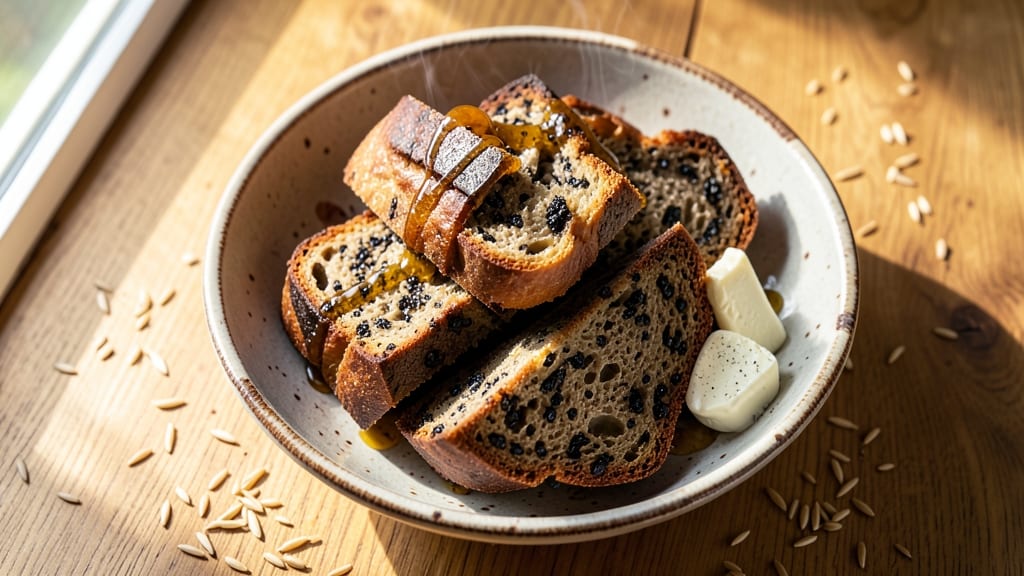
This black rice bread recipe transforms ordinary loaves into a rich, umami-packed masterpiece with a deeply caramelized crust and silky, moist interior. The secret lies in black rice flour's earthy depth and natural sweetness, creating a bread that's both visually striking and packed with flavor.
Unlike standard white bread, this version delivers a subtle nuttiness and complex taste that elevates any meal.
Perfect for sandwiches, toast, or serving alongside soups, this bread requires simple ingredients but yields restaurant-quality results. The dough develops a firm yet elastic texture during kneading, while baking creates that coveted contrast between crispy exterior and tender crumb.
Whether you're gluten-sensitive or simply seeking a unique baking challenge, this recipe delivers on both nutrition and taste—without compromising on texture.
Ingredients for black rice bread
Transform ordinary loaves into a rich, umami-packed masterpiece with these twelve precise ingredients.
| Ingredient | Amount | Notes |
|---|---|---|
| Black Rice Flour 🌾 | 3 cups | High-quality, finely milled preferred |
| All-Purpose Flour 🌾 | 1 cup | King Arthur or Bob's Red Mill |
| Active Dry Yeast 🍞 | 2 ¼ tsp | Freshly opened for best results |
| Granulated Sugar 🍚 | ¼ cup | Organic preferred for purity |
| Unsalted Butter 🧈 | ½ cup | Cold, cubed for dough handling |
| Large Eggs 🥚 | 1 whole | Room temperature for even mixing |
| Whole Milk 🥛 | ¾ cup | Full-fat for optimal texture |
| Diamond Crystal Kosher Salt 🧂 | 1 ½ tsp | Fine grain for even distribution |
| Ground Black Pepper 🌶️ | ½ tsp | Freshly cracked for aroma |
| Olive Oil 🫒 | 1 tbsp | Extra-virgin for flavor infusion |
| Honey 🍯 | 1 tbsp | Wildflower preferred for complexity |
| Sesame Seeds 🌰 | 1 tbsp | Toasted for nutty aroma |
| Water 💧 | ¾ cup | Room temperature for activation |
Black rice flour is the cornerstone of this recipe—Bob's Red Mill or Anthony's Goods are reliable sources for high-quality, finely milled black rice flour. The flour's deep umami profile comes from anthocyanins, so avoid pre-milled flour that's been sitting on shelves for months. For the yeast, FreshPaks from grocery stores are ideal, but ensure the package hasn't expired. The sesame seeds should be toasted in a dry pan until golden—this enhances their nutty aroma and prevents bitterness during baking. When selecting butter, Plugrá or Land O'Lakes offer consistent quality, but always use unsalted to control the final seasoning.
No black rice flour? Substitute with a 1:1 blend of whole wheat flour and a pinch of activated charcoal for a similar visual effect, though the flavor will differ. Running short on sesame seeds? Toasted poppy seeds or flaxseeds add a comparable crunch. For a dairy-free option, coconut oil replaces butter (reduce by 1 tbsp) and almond milk substitutes for whole milk (add 1 tsp xanthan gum to thicken). The honey can be swapped for maple syrup or agave nectar, but reduce other liquids by 1 tsp to maintain dough consistency. Always measure flour by weight for precision—1 cup all-purpose flour weighs 4.5 oz, while black rice flour is denser at 5 oz per cup.
The dough can be refrigerated for up to 24 hours to develop deeper flavor, though it's best baked immediately for optimal texture. Store baked loaves in an airtight container at room temperature for 3-4 days or freeze for up to 3 months—wrap tightly in plastic wrap before placing in a freezer bag. To revive frozen bread, thaw at room temperature for 1-2 hours or warm in a 200°F oven for 10 minutes. For extra crispiness, brush the crust with melted butter and sprinkle with flaky sea salt before serving. This bread freezes exceptionally well, making it perfect for batch baking.
Why You'll Love This Recipe
- No Yeast Struggle: I swear by this dough—just mix, let it rise once, and bake. The black rice flour handles the yeast like a champ, no kneading marathon required.
- Nutty Earthy Crunch: That first bite? Rich, toasty, and packed with black rice’s deep flavor—like a cross between sourdough and a warm cookie. The butter keeps it tender, but the crust? Chef’s kiss.
- Breakfast to Brunch: Toast it for a quick breakfast, serve slices with jam for a fancy brunch, or even use it as a base for French toast. Honestly, I’ve made it work for all three in a single week.
- Budget-Friendly Staple: Black rice flour might sound fancy, but a little goes a long way. This recipe stretches ingredients without sacrificing taste, and the leftovers? Still fresh and delicious three days later.
Step-by-step instructions for black rice bread with deep umami crust
Mastering this bread requires patience and precision—each step builds the signature contrast between the dark, nutty crust and tender interior.
Activate the Yeast for Maximum Rise
In a small bowl, combine the 0.75 cup of room-temperature water with the 0.25 cup granulated sugar and 2.25 teaspoons active dry yeast. Let this mixture sit for 5-10 minutes until it becomes frothy and bubbly. This activation ensures your yeast is alive and ready to work—if it doesn't bubble, your bread will be dense.
While waiting, whisk together the 3 cups black rice flour and 1 cup all-purpose flour in a large mixing bowl. This combination gives the bread its signature color and umami depth. The black rice flour should be sifted to eliminate lumps, which prevents uneven texture in the final loaf.
Develop the Dough with Wet Ingredients
To the flour mixture, add the 0.5 cup cold, cubed unsalted butter, 1 whole large egg, 0.75 cup whole milk, 1.5 teaspoons kosher salt, and 0.5 teaspoon ground black pepper. Mix with a wooden spoon until the ingredients come together into a shaggy dough. The butter should remain in small, pea-sized pieces at this stage.
Gradually add the activated yeast mixture and 1 tablespoon olive oil, mixing until the dough begins to pull away from the sides of the bowl. This stage is crucial—overmixing develops gluten too early, which can make the bread tough. Instead, focus on creating a sticky, cohesive mass that's ready for kneading.
Knead and Rest for Optimal Texture
Turn the dough onto a lightly floured surface and knead for 8-10 minutes until smooth and elastic. The dough should spring back slowly when pressed with a finger—a sign the gluten has developed properly. If it feels too sticky, wet your hands slightly to prevent tearing the delicate strands.
Place the dough in a lightly oiled bowl, cover with a damp towel, and let it rise in a warm place for 1-2 hours or until it has doubled in size. The warmth helps activate the yeast, while the cover prevents the surface from drying out. This resting period allows the gluten to relax, which is essential for the bread's tender crumb.
Shape and Proof for Structure
Punch down the risen dough to release air, then shape it into a round loaf on a parchment-lined baking sheet. Brush the top with a mixture of 1 tablespoon honey and 1 tablespoon olive oil, then sprinkle evenly with 1 tablespoon toasted sesame seeds. This not only enhances flavor but also creates a beautiful, textured crust.
Cover the loaf again and let it proof for another 30-45 minutes until it has risen noticeably. The dough should feel firm to the touch but still springy. This final rise ensures the bread will be light and airy rather than dense. Avoid overproofing, which can cause the bread to collapse during baking.
Bake for Perfect Contrast
Preheat your oven to 375°F with a baking stone or inverted baking sheet on the middle rack. Place the loaf on the preheated stone and bake for 30-35 minutes until the crust is deep golden brown and the internal temperature reaches 190-200°F. The crust should be firm to the touch, while the interior should remain tender.
For the best results, bake the bread until the edges are slightly caramelized and the aroma fills your kitchen. If the top browns too quickly, tent the loaf with foil to prevent over-browning. Let the bread cool on a wire rack for 15-20 minutes before slicing—this allows the steam to escape, ensuring a clean slice every time.
Pro Tips For Making Black Rice Bread
- Bloom the Yeast First: Skip mixing yeast dry into the flour—it’s a waste of time and often kills the yeast before it wakes up. Instead, dissolve the sugar in warm (not hot) water first, sprinkle the yeast on top, and let it foam for 5-10 minutes. If it doesn’t bubble, your bread will taste flat no matter what you do.
- Sift the Black Rice Flour: Black rice flour is dense and clumpy—don’t just dump it in. Sift it with the all-purpose flour before mixing to avoid lumps in your dough. I learned this the hard way when my first batch turned out like a brick.
- Chill the Dough Overnight: Black rice flour absorbs moisture differently, so your dough will be stickier than usual. Instead of fighting it, shape the dough, cover it, and refrigerate for 12 hours. The gluten relaxes, the flavor deepens, and shaping becomes a breeze—no more frustrated hands covered in purple dough.
- Use Cold Butter for Layers: Cut the unsalted butter into thin sheets and freeze it for 10 minutes before layering. Cold butter creates crisp, flaky layers instead of melting into a greasy mess. (Yes, even if you’re impatient like me—just don’t skip this.)
Regional styles of these flavors
Japanese Black Rice Bread
In Japan, black rice bread (kurogome pan) is a beloved specialty, often served at celebrations like New Year's. The key difference here is using 1 cup of black rice flour alongside 2 cups all-purpose flour for a lighter texture while keeping the deep color.
I like adding 1 teaspoon of matcha powder to the dough for an earthy depth that pairs beautifully with the rice's natural sweetness. 🌏
For shaping, Japanese bakers often create a round, slightly flattened loaf with a decorative cross pattern on top using a sharp knife. Brush with egg wash (1 egg + 1 tbsp water) before baking for a glossy finish. The crust develops a rich mahogany hue that's visually stunning when sliced.
Thai-Inspired Sweet Loaf
Thailand transforms black rice bread into a sweet, sticky treat by incorporating ½ cup of coconut milk into the dough and adding 1 tablespoon of pandan extract for that signature floral aroma.
I've found that reducing the sugar to ¼ cup balances the sweetness perfectly while maintaining the bread's moisture. 🌴
After baking, this version is often sliced and served with condensed milk or mango purée for dipping. The texture becomes almost cake-like when made with slightly less flour (try 2½ cups total). For extra indulgence, fold in chopped dried longan or lychee during the final kneading stage.
Korean Black Rice Bread
Korean households often make heukmi bap (black rice bread) with a soy-miso glaze for that unmistakable umami punch. After shaping the loaf, brush it with a mixture of 2 tablespoons of white miso paste and 1 tablespoon of honey before the final proof.
This creates a sticky, caramelized crust that's irresistible. 🍜
For an extra layer of flavor, sprinkle 1 teaspoon of toasted sesame seeds and ½ teaspoon of gochugaru (Korean red pepper flakes) on top before baking. The heat from the gochugaru pairs perfectly with the bread's natural sweetness, creating a savory-sweet balance that's hard to resist.
American Artisan Adaptation
In the US, black rice bread has become a gourmet bakery staple, often featuring whole-grain additions like ½ cup of rolled oats or ¼ cup of walnuts for texture.
I've experimented with adding 1 teaspoon of cinnamon and ½ teaspoon of cardamom to the dough for a warm, spiced profile that works beautifully with morning toast. 🇺🇸
For a gluten-free version, substitute the all-purpose flour with a 1:1 gluten-free blend (like Bob's Red Mill 1-to-1) and add 1 extra tablespoon of xanthan gum to improve elasticity. The texture won't be identical, but it's a great alternative for those with sensitivities.
Nutrition facts
Frequently asked questions
Can I substitute black rice flour with regular rice flour?
Regular rice flour won't work—the deep umami flavor and rich color come from black rice's anthocyanins. For a similar texture, try a 1:1 blend of whole wheat flour and 1 teaspoon activated charcoal, though the flavor will differ. The bread will lack the signature nutty depth but maintain a darker appearance.
Why does my black rice bread turn out dense instead of light?
Dense bread usually means overproofing or underdeveloped gluten. Knead for 8-10 minutes until elastic, and proof in a warm spot (75-80°F) for 1-2 hours max. If your kitchen is cold, place the dough bowl near a warm oven with the light on. Also ensure your yeast is fresh—it should bubble within 5-10 minutes when mixed with sugar and water.
How do I store black rice bread for maximum freshness?
Wrap cooled loaves tightly in plastic wrap, then place in an airtight container. Store at room temperature for 3-4 days or freeze for up to 3 months. To revive frozen bread, thaw at room temperature for 1-2 hours or warm in a 200°F oven for 10 minutes. For extra crispiness, brush the crust with melted butter before serving.
Can I make this bread gluten-free?
Yes! Replace the all-purpose flour with a 1:1 gluten-free blend (like Bob's Red Mill) and add 1 extra tablespoon of xanthan gum to improve elasticity. The texture won't be identical, but it'll be chewier. For best results, use black rice flour** as the base (it's naturally gluten-free) and blend with a certified GF flour mix.
What's the best way to reheat sliced black rice bread?
For toast, use a toaster or 375°F oven for 5-7 minutes until crispy. For sandwiches, warm slices in a dry skillet over medium heat for 1-2 minutes per side until golden. Microwaving works in a pinch, but it makes the bread gummy—always cover slices with a damp paper towel first to restore moisture.