
Main Courses
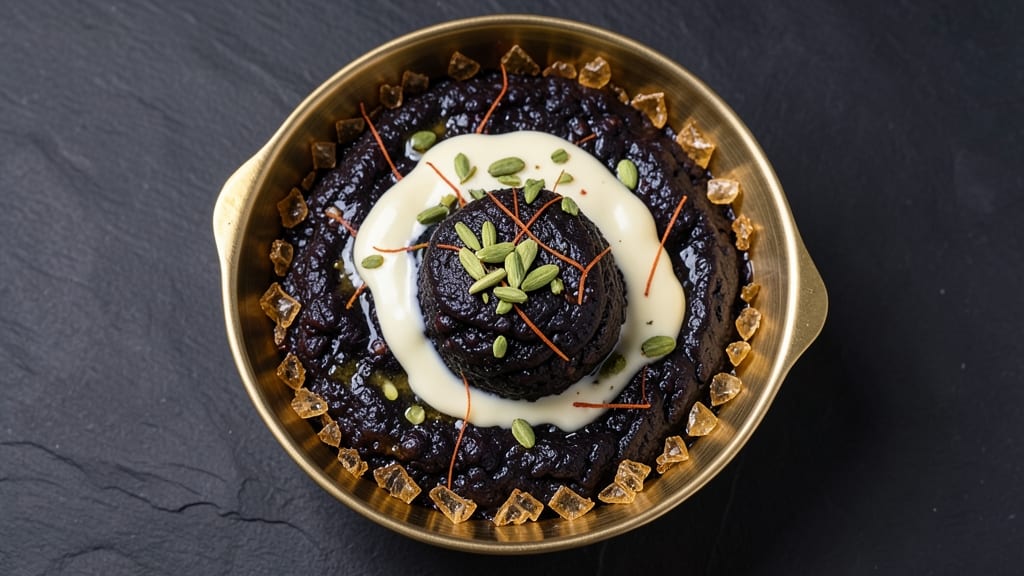
This black rice halwa recipe transforms humble black rice into a luxurious, silky dessert with just one pot and traditional techniques. The deep, earthy flavor of black rice pairs perfectly with warm cardamom and ghee, creating a dessert that feels both nostalgic and refined.
Unlike quick puddings, this halwa requires patience—soaking the rice overnight and simmering it slowly—but the result is worth every moment.
The magic happens in the slow cooking process, where the rice absorbs milk and sugar until it dissolves into a velvety, caramelized texture. A pinch of cardamom adds aromatic depth, while ghee enriches the flavor and gives that signature golden sheen.
The key is low-and-slow heat, ensuring the rice breaks down completely without burning, leaving you with a dessert that’s rich, fragrant, and impossible to resist.
What makes this recipe special is its versatility—you can customize it with nuts like pistachios or almonds for crunch, or a splash of rose water for floral notes. It’s perfect for celebrations, family gatherings, or even a cozy weekend treat.
The aroma alone will fill your kitchen with warmth, and the first bite delivers that perfect balance of sweetness and spice.
Once mastered, this halwa becomes a staple in your dessert repertoire, offering a taste of tradition with a modern twist. Let’s get started—your taste buds (and guests) will thank you.
Ingredients for black rice halwa
Six ingredients transform simple black rice into a luxurious, cardamom-spiced halwa dessert.
| Ingredient | Amount | Notes |
|---|---|---|
| Black Rice 🍚 | 1 ½ cups | Uncooked, rinsed thoroughly |
| Whole Milk 🥛 | 3 cups | Full-fat for creaminess |
| Granulated Sugar 🍚 | 1 ½ cups | White or brown preferred |
| Ghee 🧈 | ½ cup | Clarified butter for richness |
| Green Cardamom Pods 🌿 | 10 whole | Lightly crushed, seeds only |
| Water 💧 | 3 cups | For soaking rice |
| Heavy Cream 🥛 | ½ cup | For finishing touch |
| Pistachios 🥜 | ½ cup | Chopped, optional garnish |
| Salt 🧂 | ½ tsp | Fine sea salt |
| Rose Water 🌸 | 1 tsp | Optional floral touch |
| Almond Slices 🌰 | ¼ cup | Lightly toasted, optional |
Black rice is the star here—look for it in the international aisle of most grocery stores like Whole Foods or Trader Joe's. The deep purple hue fades as it cooks, revealing a creamy texture. If you can't find it, forbidden black rice works too, though it's less common. For the ghee, store-bought or homemade both work, but avoid margarine—it won’t give that rich, golden finish. Cardamom pods should be fragrant and plump; if they smell stale, toast them briefly in a dry pan to revive their aroma. The milk and sugar are straightforward, but whole milk is non-negotiable—it’s what creates that velvety texture.
No cardamom pods? Ground cardamom at half the amount works, but the pods impart better flavor. Running short on ghee? Butter or coconut oil can substitute in a pinch, though the flavor won’t be identical. For a nutty twist, swap pistachios for cashews or walnuts. The rose water is optional but adds a lovely floral note—if you skip it, a splash of vanilla extract gives a similar warmth. For the sugar, brown sugar adds depth, but white keeps it classic. If you’re making this ahead, soak the rice overnight—it’s the secret to that silky texture.
This halwa tastes even better the next day as the flavors meld. Store it in an airtight container in the fridge for up to 5 days, though it’s best enjoyed within 2-3 days. For serving, warm it gently in the microwave—20-second bursts to keep it creamy. The nuts stay crunchy if added just before serving. Freeze any leftovers for up to 3 months—thaw overnight in the fridge for the best texture. A dollop of whipped cream or a sprinkle of extra nuts makes it feel extra special for guests.
Why You'll Love This Recipe
- No-Soaking Needed: I’ll admit, I was skeptical about black rice—until I tried this halwa. No pre-soaking, no fuss; just rinse the grains and cook. The rice softens right into that velvety texture while the milk and ghee work their magic.
- Rich, Nutty Depth: That first bite? Pure indulgence. The black rice brings an earthy, almost toasty sweetness, while the ghee caramelizes into a fragrant, buttery layer. Cardamom’s warmth ties it all together—like dessert meets comfort food.
- Party or Patience: Make a big batch for gatherings (it’s always the first to disappear) or portion it into small jars for quiet weeknight treats. Honestly, I’ve served it at weddings and as a midnight snack—works every time.
- Budget Luxury: Whole milk and sugar might seem simple, but here’s the trick: a little ghee goes a long way, stretching the richness. Leftovers? Even better—this halwa keeps for days, and reheating it just makes it more irresistible. (Yes, even on a Tuesday night.)
Step-by-step instructions for black rice halwa
Here's how to create this velvety, fragrant dessert with just one pot.
Soak and Cook the Black Rice
Rinse the 1.5 cups black rice thoroughly under cold water until the water runs clear. This removes excess starch that can make the halwa gummy. Transfer the rice to a bowl, cover with the 3 cups water, and let it soak for at least 4 hours (overnight works best). The rice should absorb all the water and become soft to the touch.
Drain the soaked rice and transfer it to a heavy-bottomed pot. Add the 3 cups whole milk and 0.5 tsp salt. Bring to a gentle boil over medium heat, then reduce to a simmer. Cook uncovered for 20-25 minutes, stirring occasionally, until the rice is completely tender and the mixture thickens to a porridge-like consistency. You'll know it's ready when the rice grains disappear and the texture becomes smooth and creamy.
Infuse with Cardamom and Sweeten
Once the rice mixture is cooked, gently stir in the 1.5 cups granulated sugar until fully dissolved. Add the 10 lightly crushed green cardamom pods and the 0.5 cup ghee. Increase the heat to medium-high and bring the mixture to a boil, stirring constantly to prevent burning. Here's the thing—you want the sugar to fully caramelize slightly, giving that rich, deep flavor, but don't let it scorch.
After 5-7 minutes of boiling, the halwa will thicken dramatically. Watch closely as it transforms from a thin porridge to a glossy, pudding-like texture. The moment it starts to pull away from the sides of the pot and leaves a clean coating on the back of a spoon, it's ready for the next step. This is where the magic happens—patience is key.
Finish with Cream and Rose Water
Reduce the heat to low and stir in the 0.5 cup heavy cream and 1 tsp rose water. The cream will make the halwa luxuriously smooth, while the rose water adds a delicate floral note that balances the richness. Simmer gently for 3-4 minutes, stirring constantly, until the mixture is silky and coats the spoon smoothly. If it thickens too much, add 1-2 tablespoons water to loosen it.
Here's where it gets fun—taste and adjust the sweetness if needed. Some people prefer it slightly less sweet, especially if they're adding fruit or nuts later. The halwa should be sweet but not cloying, with a perfect balance of cardamom and floral notes. Remove from heat immediately to preserve the delicate flavors.
Garnish and Serve Warm
Transfer the halwa to a serving bowl or individual ramekins. Garnish with the 0.5 cup chopped pistachios and 0.25 cup lightly toasted almond slices. The toasted nuts add a pleasant crunch that contrasts beautifully with the creamy texture. Serve warm for the best experience—this dessert is at its most luxurious when enjoyed straight from the pot.
For an extra-special touch, drizzle a little extra ghee over the top before serving. The contrast of warm, spiced halwa with cool, nutty garnishes makes every bite unforgettable. This one-pot wonder is perfect for special occasions or as a comforting dessert after a rich meal.
Pro Tips For Making Black Rice Halwa
- Soak Rice Properly: Black rice absorbs water like a sponge—give it at least 8 hours (overnight is ideal) in cold water. I learned this the hard way: skipping this step leaves the rice tough, and no amount of cooking will fix it. Drain well before cooking, but don’t rinse afterward—those nutrients matter.
- Low and Slow Wins: Start with medium heat to toast the rice in ghee, but once the milk comes in, drop to the lowest simmer possible. I used to rush it, and the halwa would split or turn grainy. Let it bubble gently for 45-60 minutes, stirring often—patience here makes the texture creamy, not gluey.
- Cardamom Early: Crack open those green cardamom pods and add the seeds (not the shells) with the ghee at the start. I was skeptical until I tried it—this way, the aroma infuses the ghee first, then carries through the milk and rice. Skipping this step leaves the flavor buried under sugar.
- Check Sugar Gradually: Don’t dump all the sugar at once—add half first, let it dissolve completely, then taste. Black rice halwa needs balance: too much sugar early masks the rice’s nutty depth. Adjust in small batches; you can always add more, but you can’t take it out. (Yes, even if you’re impatient like me.)
Essential equipment for this dish
Heavy-Bottomed Pot
A heavy-bottomed pot is non-negotiable for this recipe—it prevents scorching and ensures even heat distribution. I swear by a 5-quart stainless steel pot (like the All-Clad D500) because it handles the prolonged simmering without hot spots.
If you don’t have one, any enameled cast iron (like Le Creuset) works beautifully. Avoid thin aluminum pots—they’ll burn the halwa before it thickens properly. 🔥
Wooden Spoon
Use a long wooden spoon (at least 12 inches) to stir the halwa continuously while it thickens. A silicon-coated spoon (like OXO Good Grips) is my backup—it’s heat-resistant and won’t scratch your pot.
Avoid metal spoons; they can scratch the enameled surfaces and react with the ghee. Stirring constantly prevents burning and helps dissolve the sugar evenly.
Fine-Mesh Strainer
A fine-mesh strainer (like the OXO Good Grips) is essential for rinsing the black rice thoroughly before soaking. The goal is to remove all excess starch, which can make the halwa gummy. I also use it to strain the soaked rice before transferring it to the pot.
For extra insurance, I rinse the rice twice—once to remove debris, and again to cleanse the grains. 💧
Cardamom Pod Cracker
While you can crush cardamom pods with a mortar and pestle, a cardamom pod cracker (or even a rolling pin) makes this task effortless. Lightly crush the pods to release the seeds—never grind them into powder unless you’re using ground cardamom.
The whole seeds infuse the halwa with aromatic depth. If you’re short on time, pre-packaged cardamom pods from Penzeys Spices are a reliable shortcut. ✨
Instant-Read Thermometer
An instant-read thermometer (like the Thermoworks ThermoPop) helps you monitor the halwa’s temperature for perfect texture. Aim for a gentle simmer between 180–190°F—any hotter, and the sugar risks burning. I use it to confirm the halwa is 160°F before removing it from heat.
This ensures it’s creamy but not curdled. For those without a thermometer, watch for the clean spoon-coat test: when the halwa leaves a glossy film on the back of a spoon, it’s ready. 🌡️
Ramekins or Serving Bowl
For serving, individual ramekins (like Corelle Stoneware) or a heatproof glass bowl (like Pyrex) keeps the halwa warm and elegant. If you’re serving immediately, ramekins let guests enjoy it straight from the pot.
For make-ahead prep, I transfer the halwa to an airtight container and reheat portions in the microwave for 20-second bursts. Avoid metal bowls—they can react with the ghee and alter the flavor. 💫
Nutrition facts
Frequently asked questions
Why does black rice turn purple in halwa?
The deep purple color fades as black rice cooks, revealing its creamy texture. This natural anthocyanin pigment reacts with heat and acidity (like cardamom) to transform into warm brown tones. The final halwa should have subtle hints of its original hue, not remain purple—this means it's properly cooked and ready to serve.
Can I substitute black rice with regular rice?
No, regular rice won't work—the unique flavor and texture of black rice are essential. The earthy, slightly nutty notes of black rice create the signature taste of halwa. If you absolutely must substitute, try forbidden black rice (a similar variety) or brown rice, but the result won't be authentic. The soaking and simmering times will also differ significantly.
How do I fix halwa that's too thin?
If your halwa is too runny, simmer it uncovered over low heat for 5-10 minutes more, stirring constantly. For extra thickness, mix 1 tablespoon cornstarch with 2 tablespoons cold water, then stir it into the halwa while hot. Cook for 1-2 minutes until it thickens. Avoid adding too much at once—you can always adjust later.
Is this halwa gluten-free?
Yes, this recipe is naturally gluten-free as long as you use certified gluten-free ingredients. Black rice, milk, sugar, ghee, and cardamom are all gluten-free staples. Always check labels on store-bought items like ghee or rose water, but the base ingredients themselves are safe for gluten-free diets.
Can I make this halwa without ghee?
You can substitute ghee with butter or coconut oil, but the flavor and texture will differ. Ghee adds richness and a golden sheen that's hard to replicate. If using butter, add 1 tablespoon lemon juice to prevent curdling. For coconut oil, use refined version to avoid coconut flavor dominance. The halwa will still be delicious, just slightly lighter.