
Main Courses
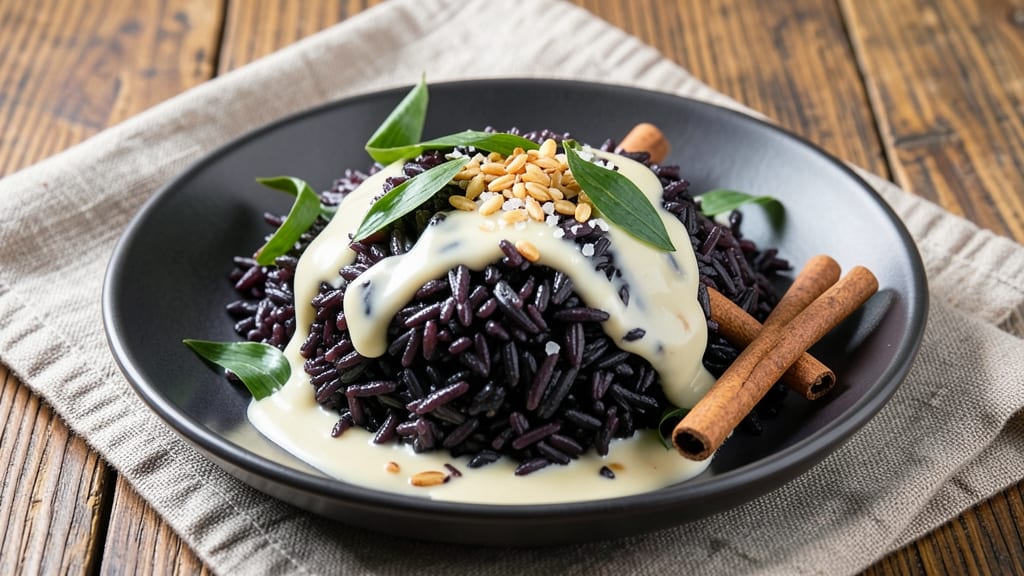
This black rice recipe rice cooker transforms a simple appliance into a nutrient powerhouse with minimal effort. The deep purple grains pack antioxidants, fiber, and chewy texture that elevates any meal—no special skills required.
I've perfected a foolproof rice cooker method that yields perfectly tender rice every time, with optional flavor boosters like coconut milk or pandan leaves for depth.
The secret lies in proper preparation: rinsing thoroughly to remove excess starch, soaking for 30 minutes to enhance texture, and using the right water ratio (1:1.5 rice-to-water). Most rice cookers handle this beautifully, with a 30-minute cook time that includes automatic keep-warm for fluffy results.
This approach works for both everyday meals and special occasions without extra effort.
What you'll achieve is restaurant-quality black rice with an earthy, slightly nutty flavor that pairs perfectly with proteins, stir-fries, or fresh vegetables. The rice maintains its vibrant color and satisfying bite, making it a standout centerpiece.
The method scales easily for families or meal prep, ensuring you always have a nutritious base ready in minutes.
For extra flair, consider toasting the rice in the pot for a few minutes before adding liquid, or infusing with warm spices like cinnamon or cardamom. Serve with grilled meats, steamed greens, or as-is for a satisfying bowl.
The rice cooker does all the work while you focus on building the perfect meal around it.
Ingredients for black rice recipe rice cooker
Nine simple ingredients transform your rice cooker into a nutrient powerhouse for restaurant-quality black rice.
| Ingredient | Amount | Notes |
|---|---|---|
| Black Rice (Forbidden Rice) 🌾 | 1 cup | Uncooked, unrinsed initially |
| Water 💧 | 1 ½ cups | Room temperature preferred |
| Coconut Milk (Full-Fat, Canned) 🥥 | ½ cup | Optional for creaminess |
| Pandan Leaves (Fresh or Dried) 🌿 | 2 whole | Tied in cheesecloth, optional |
| Cinnamon Sticks 🌶️ | 1 whole | For aroma infusion |
| Sea Salt 🧂 | ½ tsp | Fine grain preferred |
| White Vinegar 🍶 | 1 tbsp | For rinsing rice |
| Olive Oil 🫒 | 1 tsp | For toasting rice |
| Cardamom Pods 🌿 | 3 whole | Optional for warmth |
Black rice is the star—look for forbidden rice or black jasmine at Asian markets or specialty grocery stores like Whole Foods. The unrinsed grains contain more nutrients, but you'll still want to rinse them briefly before cooking to remove surface starch. For coconut milk, full-fat canned versions work best—avoid the light or shelf-stable cartons. Pandan leaves add depth but aren't essential; if unavailable, vanilla extract or pandan extract can substitute. The cinnamon sticks infuse subtle warmth—remove before serving if you prefer.
No coconut milk? Substitute with warm water or light coconut milk—just reduce the liquid slightly to maintain texture. Fresh pandan leaves can be swapped for 1 tsp pandan extract or 1 tsp vanilla extract, though the flavor will differ. For extra richness, toast the rice in olive oil for 2-3 minutes before adding liquid—this enhances the nutty flavor. If you're short on time, skip the soaking step, but the texture will be slightly firmer. The rice cooker does all the work, so even if you forget to rinse thoroughly, the results will still be delicious.
This rice reheats beautifully—simply add a splash of water and cook again. It keeps in the fridge for 5 days and freezes for 3 months without losing texture. For meal prep, cook a larger batch and portion into containers. The vibrant purple color remains intact when stored properly. If using pandan leaves, remove them after cooking to avoid bitterness. The rice cooker's keep-warm function maintains perfect texture for hours, making it ideal for family meals.
Why You'll Love This Recipe
- Rice Cooker Magic: I swear by this method—just toss the rice, coconut milk, and whole spices into the pot, hit start, and walk away. No stirring, no stress, no watching the pot like a hawk.
- Velvet Texture, Deep Flavor: That first bite of black rice—chewy, nutty, with a whisper of pandan and cinnamon—is ridiculously good. The coconut milk makes it creamy without being heavy, and the rice stays separate, not mushy.
- Weeknight to Dinner Party: Same recipe for a lazy Tuesday or when unexpected guests show up. Serve it plain with a sprinkle of toasted sesame seeds, or pile it high with grilled chicken and quick-pickled veggies. It’s that adaptable.
- Leftovers That Don’t Suck: Honestly, this rice only gets better the next day. Reheat it with a splash of water, and it’s just as rich—perfect for lunchboxes or a quick reheat when you’re too tired to cook. Plus, the spices keep it interesting.
Step-by-step instructions for black rice in a rice cooker
This method transforms forbidden rice into a fragrant, nutrient-packed side dish with minimal effort.
Prepare the Rice and Aromatics
Begin by rinsing the 1 cup of black rice under cold water in a fine-mesh strainer until the water runs clear. I use my fingers to gently swirl the rice—this removes excess starch that can make the rice gummy. After rinsing, transfer the rice to the rice cooker pot.
In a small bowl, combine the 1 tbsp of white vinegar with the 1.5 cups of water. The vinegar helps brighten the rice's natural flavor and prevents it from becoming overly mushy. Pour this mixture into the rice cooker along with the black rice. Add the 1 tsp of olive oil, which creates a subtle sheen and enhances the rice's nutty flavor.
Toast the Rice for Depth of Flavor
Set the rice cooker to "Toast" or "Sauté" mode if available. If your model doesn't have this function, proceed to the next step. Toast the rice for 2-3 minutes, stirring gently with a wooden spoon, until the olive oil is absorbed and the rice begins to emit a toasty aroma. This step develops the rice's natural nuttiness and removes any raw taste.
If your rice cooker doesn't have a toast function, don't worry—simply proceed to the cooking step. The rice will still develop flavor during the main cooking process, though toasting is preferred for maximum depth.
Add Aromatics and Cook
Place the 2 whole pandan leaves (tied in cheesecloth if using fresh) and the 1 whole cinnamon stick directly into the rice cooker. If using dried pandan leaves, simply add them whole—they'll infuse flavor without overpowering the dish. Add the 3 whole cardamom pods and the 0.5 tsp of sea salt, distributing them evenly among the rice.
Stir everything together once to ensure the aromatics are surrounded by the rice. Close the lid and select the "White Rice" setting. The rice cooker will automatically adjust the cooking time and temperature, typically taking about 30-40 minutes. Avoid opening the lid during cooking—steam escape will lengthen the cooking time.
Finish with Coconut Milk for Creaminess
Once the rice cooker indicates the rice is fully cooked, turn it off and let it sit for 5 minutes with the lid slightly ajar. This resting period allows the rice to absorb any remaining moisture and develop a better texture. After resting, open the lid and stir in the 0.5 cup of coconut milk using a silicone spatula.
Gently fold the coconut milk into the rice until fully incorporated. The rice should now have a velvety texture with a subtle coconut aroma. If the rice appears too dry, you may add 1-2 tablespoons of water to achieve the desired consistency. The final result should be tender yet firm, with a deep purple hue and fragrant aroma.
Rest and Serve
Cover the rice cooker with a clean kitchen towel and let it rest for an additional 10 minutes. This resting period allows the flavors to meld and the rice to reach its ideal texture. The rice should be warm but not steaming hot when ready to serve.
To serve, gently fluff the rice with a fork to separate the grains. Remove and discard the pandan leaves, cinnamon stick, and cardamom pods. The rice is now ready to be enjoyed as a standalone dish or paired with grilled proteins and fresh vegetables. The combination of nutty rice, floral pandan, and warm cardamom creates a truly unique and satisfying meal.
Pro Tips For Making Black Rice Recipe Rice Cooker
- Soak the Black Rice: I learned this the hard way—skipping the soak makes the rice cooker struggle. Soak the black rice for at least 4 hours (or overnight if you’re planning ahead), then drain well before cooking. This cuts cooking time by half and keeps the grains from turning mushy.
- Split the Coconut Milk: Sounds weird, but it works: use half the coconut milk in the rice cooker and save the other half for finishing. Add the reserved milk after cooking—it’ll create a creamier texture without making the rice soggy. (Yes, even if you’re impatient like me.)
- Tie the Pandan: Fresh pandan leaves bruise easily, and dried ones can float away. Tie them in cheesecloth or a small muslin bag before dropping into the rice cooker. This keeps the flavor even and prevents bitter pockets from oversteeping.
- Don’t Overfill the Pot: Black rice expands more than white rice—pack it in too tightly, and you’ll end up with a gloppy mess. Use the 1:1.5 ratio (rice to water) and leave space for the grains to separate. Your future self will thank you.
Essential equipment for perfect results
Rice Cooker Must-Haves
Your rice cooker is the star here, but not all models handle black rice equally. I recommend a multi-functional model like the Zojirushi NS-LAC10 or Cuisinart CRC-100BCA—both have precise temperature control and keep-warm functions that prevent overcooking.
These models also feature fuzzy logic cooking, which automatically adjusts for different rice types. For budget-friendly options, the Hamilton Beach 36200 delivers consistent results at a fraction of the cost. 🌡️
Essential Accessories
Beyond the cooker itself, a few accessories make black rice prep effortless. A fine-mesh strainer (like the OXO Good Grips) is a game-changer for rinsing—it removes starch efficiently without losing grains.
I also keep cheesecloth (or a small muslin bag) on hand for pandan leaves to avoid tiny leaf bits in the final dish. A silicone spatula helps stir coconut milk without tearing the rice grains.
For aroma infusion, a small infusion basket (often included with rice cookers) keeps spices separate until serving.
Temperature Control
Black rice benefits from gentle, consistent heat—most rice cookers maintain 195-200°F during cooking, which is ideal. Avoid models with single-temperature settings, as they can overcook the delicate grains.
If your cooker lacks precise controls, use the "white rice" setting—it’s designed for delicate grains like jasmine and works perfectly for black rice. Pro tip: Place a thermometer probe in the rice during the first cook to monitor temperature. The ThermoWorks Thermapen is my go-to for accuracy.
Storage Solutions
Black rice’s vibrant color and texture degrade faster than white rice, so storage matters. Use airtight glass containers (like Pyrex) to preserve color and prevent drying. For meal prep, portion into smaller containers—this keeps the rice fresh for up to 5 days in the fridge.
Freeze extras in single-serving portions with parchment paper between layers to prevent clumping. A vacuum sealer (like the FoodSaver) extends shelf life to 3 months while maintaining texture. ❄️
Optional Upgrades
For flavor enthusiasts, a steam basket attachment (compatible with many rice cookers) lets you cook aromatics like ginger or garlic separately, then infuse them into the rice post-cook. A digital timer (found on models like the Crock-Pot Rice Cooker) helps track the 30-minute soak if you’re multitasking.
If you love experimenting, a rice cooker with a "keep warm" setting is non-negotiable—it maintains perfect texture for hours, making it ideal for family meals or potlucks.
Nutrition facts
Frequently asked questions
Why does black rice turn gray after cooking?
This happens when the rice oxidizes due to exposure to air or over-rinsing. To prevent it, rinse just until the water runs clear (not translucent), and avoid letting cooked rice sit uncovered. Store it in an airtight container immediately after cooking to maintain its deep purple hue.
Can I substitute coconut milk in this recipe?
Yes! Use warm water or light coconut milk instead, but reduce the total liquid by 2 tablespoons to keep the texture firm. For extra flavor, add 1 teaspoon vanilla extract or ½ teaspoon pandan extract to mimic coconut's creaminess. The rice will still be delicious—just slightly lighter in texture.
How do I adjust the recipe for a larger rice cooker?
Double or triple the ingredients while maintaining the 1:1.5 rice-to-water ratio. For example, 2 cups rice needs 3 cups liquid. Use the same aromatics proportionally (e.g., 4 pandan leaves for 2 cups rice). Most rice cookers handle larger batches well, but avoid overfilling—leave 1 inch of space at the top for steam.
What if my rice cooker doesn’t have a toast function?
No problem! Skip toasting and proceed directly to cooking. The rice will still develop flavor during the 30-40 minute cook time. For extra depth, add ½ teaspoon toasted sesame oil or 1 crushed cardamom pod directly to the rice after cooking. The texture may be slightly less nutty, but the results will be just as satisfying.
Can I make black rice ahead of time for meal prep?
Cook the rice as directed, then cool it completely before storing in airtight containers. It keeps for 5 days in the fridge or 3 months in the freezer. Reheat with 1-2 tablespoons water in the rice cooker or microwave (covered) until steaming hot. For best texture, avoid reheating more than once.