
Main Courses
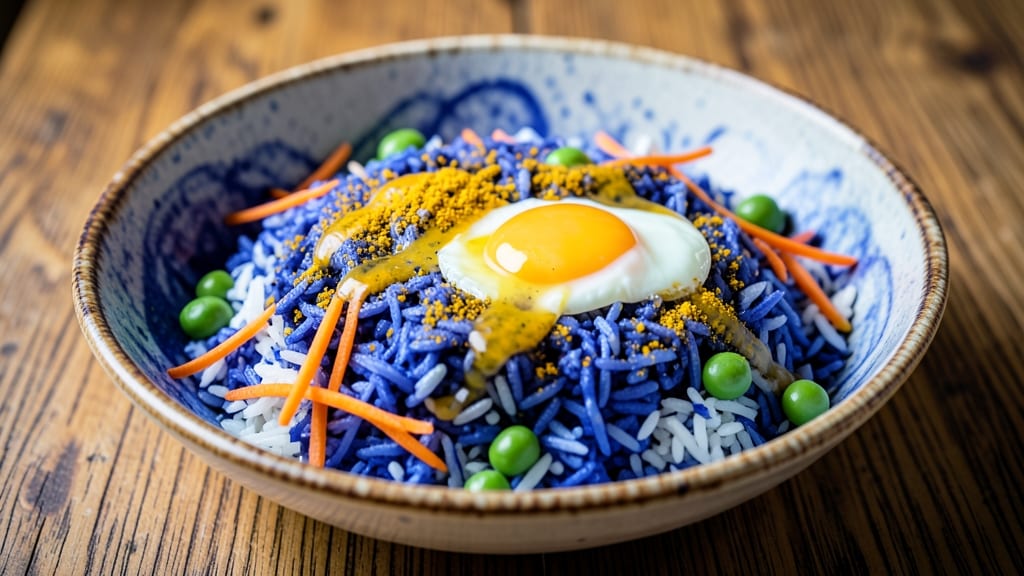
This blue fried rice recipe transforms a classic comfort dish into a visually stunning masterpiece with just one secret ingredient—vibrant butterfly pea flower powder. The magic lies in balancing bold flavors: nutty turmeric, sweet peas, and savory protein, all coated in a fragrant wok-fried crust.
What makes this recipe stand out isn't just the color, but the technique—high-heat stir-frying that locks in texture while developing that signature "wok hei" aroma.
The result is a dish that looks as impressive as it tastes: bright blue rice with crisp-tender vegetables and protein, where every bite delivers a satisfying contrast of textures and flavors.
Whether you're serving it as a main course or a colorful centerpiece, this recipe proves that vibrant food isn't just for show—it's a game-changer for any meal.
Ingredients for blue fried rice
Transform ordinary fried rice into a vibrant masterpiece with these carefully balanced ingredients.
| Ingredient | Amount | Notes |
|---|---|---|
| Long-Grain White Rice 🌾 | 2 cups | Uncooked, jasmine or basmati preferred |
| Butterfly Pea Flower Powder 🌸 | 1 tbsp | Organic, vibrant blue color |
| Turmeric Powder 🌶️ | 1 tsp | High-quality, bright yellow |
| Frozen Peas 🌱 | 1 cup | Sweet, no need to thaw |
| Carrots 🥕 | 1 cup | Julienned, medium dice |
| Large Eggs 🥚 | 2 whole | Fresh, beaten thoroughly |
| Chicken Breast 🍗 | 1 lb | Boneless, skinless, diced small |
| Green Onions 🧅 | ¼ cup | White and green parts, sliced |
| Ginger Root 🧄 | 1 tbsp | Fresh, finely grated |
| Garlic Cloves 🧄 | 4 cloves | Fresh, minced finely |
| Soy Sauce 🥢 | ½ cup | Low-sodium preferred |
| Sesame Oil 🫒 | 1 tbsp | Toasted, for aroma |
| Vegetable Oil 🫒 | 3 tbsp | High smoke point |
| Salt 🧂 | 1 tsp | Kosher or sea salt |
| Black Pepper 🌶️ | ½ tsp | Freshly ground |
The butterfly pea flower powder is non-negotiable here—look for organic powder at specialty stores or online for the most vibrant blue color. Whole Foods or Trader Joe's often carry it, but if you can't find it, spirulina powder at half the amount works as a backup. Turmeric should be bright yellow, not dull—Penzeys or Spicewalla have excellent quality. For the rice, jasmine or basmati holds up best to stir-frying, but any long-grain white rice will work. The chicken should be cut into uniform pieces for even cooking—pound to 1/4-inch thickness if it's thick-cut.
No butterfly pea powder? Blue spirulina or a few drops of natural blue food coloring can mimic the effect, though the flavor will differ. Frozen peas are ideal for convenience, but fresh work too—just blanch them first. The ginger and garlic are essential for depth, but if you're short on time, 1 tbsp fresh ginger paste from the Asian aisle saves chopping. For the soy sauce, Kikkoman or La Choy are reliable choices, but any low-sodium brand will do. The sesame oil adds aroma—use the toasted kind, not the regular cooking oil labeled sesame.
This dish reheats beautifully—store in airtight containers for up to 3 days in the fridge. For longer storage, freeze portions for up to 2 months. The blue color fades slightly when reheated, but the flavor remains vibrant. To keep the rice from drying out, spritz with a little water before reheating. The butterflies pea powder can stain surfaces, so use a non-reactive bowl and wash immediately after use.
Why You'll Love This Recipe
- One-Pan Magic: I swear by this recipe when I’m too tired to wash dishes—just toss in day-old rice, stir-fry the frozen peas and shredded carrots, sprinkle that vibrant butterfly pea powder, and boom. No extra pans, no fuss. That turmeric gives it a golden glow while keeping it light, so it’s ready in the time it takes to boil water.
- Color-Shifting Wow: Here’s what sold me—the way this dish transforms. Start with a golden turmeric base, then add lemon or vinegar later, and watch it turn a dreamy blue. It’s not just food; it’s a little science experiment that tastes just as good as it looks. My kids still ask why their rice is "magic."
- Lunchbox Hero: Between us, this is my go-to for meal prep. The rice stays firm, the peas add crunch, and the blue hue makes it look fancy enough for a work lunch or picnic. Pack it in containers, and it’s still delicious cold—no sad, soggy rice here. (Yes, even on a Tuesday night.)
- Pantry Staple Power: Honestly? This recipe costs me pennies. Long-grain rice, frozen peas, and a tiny bag of butterfly pea powder stretch for weeks. I’ll be real: the first time I made it, I thought, "This is too good to be true." But it’s not—it’s just smart cooking. Leftovers? Even better the next day.
Step-by-step instructions for blue fried rice
Master this vibrant dish with precise timing and technique for perfect texture and color.
Cook the Long-Grain White Rice to Al Dente
Rinse the 2 cups long-grain white rice thoroughly under cold water until the water runs clear. This removes excess starch that would make the fried rice gummy. Combine the rice with 2 cups water in a pot and bring to a boil over high heat. Once boiling, reduce to medium-low heat, cover, and simmer for 12-14 minutes until the rice is al dente—just slightly undercooked with a tiny firm core when bitten.
Resist the urge to peek or stir during cooking. After removing from heat, let the rice steam covered for 5 minutes, then fluff gently with a fork. The rice should be dry enough to separate easily but still retain a slight bite. If it feels moist, spread it on a tray and let it cool slightly before proceeding—this prevents a mushy fried rice.
Prep and Sear the Chicken Breast
Cut the 1 lb chicken breast into ½-inch cubes and season generously with ½ teaspoon black pepper and ½ teaspoon salt. Heat 1 tablespoon vegetable oil in a large skillet over medium-high heat until shimmering. Add the chicken in a single layer and cook undisturbed for 3-4 minutes until the bottoms develop a golden-brown crust. Flip and cook another 2-3 minutes until the internal temperature reaches 165°F and the chicken is no longer pink.
Remove the chicken from the skillet and set aside. The residual heat will keep it warm while you finish prepping the other ingredients. Don't overcrowd the pan—cooking in batches ensures even browning. If needed, add a touch more oil to prevent sticking, but keep the pan hot for that essential sear.
Stir-Fry Aromatics and Vegetables
In the same skillet (no need to clean it—the fond adds flavor), add 1 tablespoon vegetable oil and swirl to coat. Add the 1 tablespoon finely grated ginger root and 4 minced garlic cloves, cooking for 30 seconds until fragrant. Add the 1 cup julienned carrots and stir-fry for 2 minutes until they begin to soften but still retain a slight crunch.
Add the 1 cup frozen peas and cook for another 2 minutes, stirring constantly. The peas should thaw quickly and develop a bright green color. Remove the vegetables from the skillet and set aside with the chicken. Now add 1 tablespoon vegetable oil to the skillet and let it heat through—this fresh oil ensures the eggs cook properly in the next step.
Scramble the Eggs and Combine Ingredients
Crack the 2 whole large eggs into a bowl, add 1 tablespoon soy sauce, and whisk vigorously until the mixture is completely uniform. Heat the skillet over medium heat and pour in the egg mixture. Let it sit undisturbed for 10 seconds before gently pushing it around with a spatula, folding as it sets into soft curds. Remove from heat once just set—slightly undercooked is ideal as it will finish cooking when mixed with the hot rice.
Return all ingredients—the rice, chicken, vegetables, and eggs—to the skillet. Add the 1 tablespoon butterfly pea flower powder and 1 teaspoon turmeric powder, then toss everything together over medium heat for 2-3 minutes until the rice is heated through and the colors begin to meld. The dish should transform from separate components into a cohesive, vibrant blue-green mass.
Finish with Seasoning and Garnish
Drizzle the fried rice with 1 tablespoon toasted sesame oil and ½ cup soy sauce, tossing gently to coat evenly. Cook for another 1 minute until the sauce absorbs and the rice reaches 165°F internally. Taste and adjust seasoning with additional salt or black pepper if needed—this dish should be savory, slightly sweet, and perfectly balanced. The butterfly pea flower should create a striking blue hue, while the turmeric adds a subtle golden tint.
Transfer to serving plates and garnish with the ¼ cup sliced green onions. Serve immediately while the rice is hot and the colors are at their peak. The contrast of textures—crisp vegetables, tender chicken, and fluffy rice—paired with the vibrant color makes this dish as visually stunning as it is delicious. For best results, serve with a side of steamed greens or a simple cucumber salad to complement the richness.
Pro Tips For Making Blue Fried Rice
- USE DAY-OLD RICE: Freshly cooked rice turns to mush when fried—no matter how careful you are. Cold rice from the fridge (or even better, refrigerated overnight) holds its shape and absorbs flavors like a sponge. I used to skip this, but now I always make extra rice the night before just for fried dishes.
- PREP CARROTS SMALL: Big chunks of carrot stay tough and chewy. Dice them into ¼-inch pieces or smaller—they’ll soften faster and blend better into the rice. If you’re lazy like me, use a food processor for quick, even bits, but don’t overdo it or they’ll turn to mush.
- STIR IN COLOR LAST: Add the butterfly pea powder and turmeric after everything else is cooked. The heat will deepen the blue hue and prevent the powder from clumping. I learned this after my first batch looked like a sad, muddy gray—now it’s vibrant every time.
- FREEZE PEAS FIRST: Thawing frozen peas in the pan steals heat and steams them into mush. Toss them straight from the freezer into the wok—just a few seconds of frying will warm them through without turning them to mush. Works for carrots too if they’re still icy.
Pro cooking tips for this recipe
High-Heat Stir-Fry Mastery
Your wok or skillet needs to be screaming hot—think medium-high to high heat—before adding any ingredients. I use a 14-inch carbon steel wok (like the De Buyer brand) because it heats up fast and retains heat better than stainless steel.
Preheat it for 2-3 minutes on the stove until you can hold your hand over it for just 2-3 seconds without discomfort. This ensures proper browning and that wok hei aroma that makes fried rice sing. 🔥
Rice Texture Secrets
The key to crisp-tender rice lies in cooking it just slightly underdone—al dente—then letting it rest off the heat for 5 minutes before spreading it on a tray to cool. This evaporates excess moisture, preventing a mushy final dish.
I like to use a fine-mesh strainer to rinse the rice until the water runs clear, removing excess starch that would make it gummy. For extra insurance, spread the cooked rice on a baking sheet and let it cool for 10 minutes before stir-frying. 💫
Egg Cooking Precision
Eggs are the glue that binds fried rice together, so cook them just until they're soft curds—not fully set. Whisk them vigorously with 1 tablespoon soy sauce first, then cook in a hot pan over medium heat (not high) until just set.
Let them sit undisturbed for 10 seconds before gently folding—they should still be slightly runny inside. This ensures they finish cooking perfectly when mixed with the hot rice. I find a non-stick skillet helps prevent sticking while still giving that beautiful, slightly crispy edge. ✨
Color Development Tricks
The butterfly pea flower powder needs heat and acid to reveal its full blue potential. Add it to the hot rice along with the turmeric, then toss vigorously for 30 seconds before adding the soy sauce.
The acidity in the soy sauce enhances the color transformation—you'll see it go from purple to vibrant blue. For an even more intense hue, add ½ teaspoon lemon juice or rice vinegar when tossing. The turmeric adds a golden contrast, creating that perfect blue-green color we all love. 💛
Protein Timing Tips
Chicken should be cooked to 165°F internal temperature but removed from the pan while still slightly pink—it will finish cooking when mixed with the hot rice. Work in batches if needed to avoid crowding the pan, which lowers the temperature and steams instead of sears.
For extra flavor, I like to add 1 teaspoon oyster sauce to the chicken while searing. If using shrimp or tofu, cook them separately and add them to the wok just before serving to maintain their texture. 🌟
Flavor Layering Technique
Build flavors in layers: start with the aromatic ginger and garlic, then add vegetables, then protein, and finally the eggs. Each component should be cooked to its ideal doneness before combining.
When tossing everything together, work quickly over medium-high heat for just 2-3 minutes—overcooking turns fried rice into a sad, dry mess. The sesame oil should be added at the very end to preserve its delicate aroma.
Taste as you go and adjust seasoning incrementally—fried rice is forgiving, but balance is key. 💡
Nutrition facts
Frequently asked questions
Why does my blue fried rice turn purple instead of blue?
The butterfly pea flower powder needs acidity to transform from purple to vibrant blue. Add ½ teaspoon lemon juice or rice vinegar when tossing the rice with the powder, then stir vigorously for 30 seconds before adding soy sauce. The acidity triggers the color change instantly!
Can I make this recipe vegetarian or vegan?
Swap the chicken for firm tofu (pressed and cubed) or mushrooms (shiitake or oyster). For vegan eggs, use silken tofu scrambled with turmeric or store-bought vegan egg substitute. The recipe works beautifully with plant-based proteins—just adjust cooking times slightly.
How do I prevent my fried rice from getting soggy?
Cook the rice al dente (with a tiny firm core) and spread it on a tray to cool for 10 minutes before stir-frying. This evaporates excess moisture. Also, use high heat and work quickly when combining ingredients—overcooking turns fried rice mushy. Keep the wok hot and toss everything together for just 2-3 minutes after adding the rice.
What if I can't find butterfly pea flower powder?
Try these substitutes: ½ teaspoon spirulina powder (for a green-blue hue) or 2-3 drops natural blue food coloring (for pure blue). For a golden version, skip the blue entirely and add extra turmeric (1½ teaspoons) for color. The flavor will differ, but the technique remains the same!
Can I make blue fried rice ahead of time?
Yes! Store in an airtight container in the fridge for up to 3 days or freeze for 2 months. Reheat gently in a skillet with a splash of water to restore moisture. The blue color may fade slightly when reheated, but the flavor stays vibrant. For the best presentation, garnish with fresh green onions right before serving.