
Main Courses
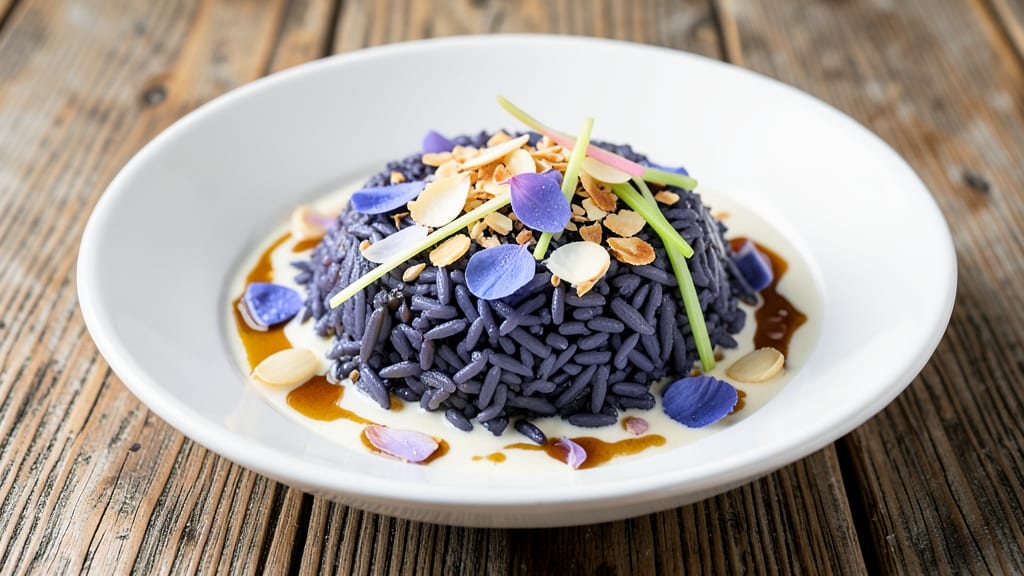
This blue pea flower rice recipe transforms simple grains into a stunning, earthy dish with vibrant purple hues and nutty depth.
The secret lies in soaking the rice overnight to soften its texture and infuse it with the delicate floral notes of blue pea flowers—a traditional technique that elevates this Southeast Asian staple to restaurant-quality levels.
Perfectly cooked with coconut milk or broth, this dish delivers a harmonious balance of savory and herbal flavors. The rice absorbs the rich liquid while maintaining its distinct purple color, creating a visually striking centerpiece for any meal.
Pair it with grilled tofu, fresh herbs, or a tangy lime-chili dressing for a complete, satisfying dish.
Ingredients for blue pea flower rice
Transform simple grains into vibrant purple perfection with these earthy, floral ingredients.
| Ingredient | Amount | Notes |
|---|---|---|
| Blue Pea Flower Rice 🌾 | 1 cup | Uncooked, soaked overnight |
| Coconut Milk 🥥 | 1 ½ cups | Full-fat, canned preferred |
| Vegetable Broth 💧 | 2 cups | Low-sodium, homemade or store-bought |
| Blue Pea Flower Petals 🌸 | 2 tbsp | Dried, food-grade quality |
| Garlic Cloves 🧄 | 4 cloves | Minced, fresh preferred |
| Fresh Ginger 🌿 | 1 tbsp | Grated, peeled |
| Lime Zest 🍋 | 1 tsp | Organic, finely grated |
| Lime Juice 🍋 | 2 tbsp | Freshly squeezed |
| Coconut Oil 🫒 | 1 tbsp | Refined, for cooking |
| Sea Salt 🧂 | 1 tsp | Diamond Crystal preferred |
| Black Peppercorns 🌶️ | ½ tsp | Freshly cracked |
| Fresh Cilantro 🌿 | ¼ cup | Chopped, stems removed |
| Red Chili Flakes 🔥 | ½ tsp | Adjust to taste |
| Tofu 🍫 | 8 oz | Extra-firm, pressed |
| Sesame Seeds 🌰 | 1 tbsp | Toasted, for garnish |
The blue pea flower rice is the star—look for organic, unbleached varieties at specialty stores like Whole Foods or Asian markets. The dried petals should be vibrant purple, not faded. If you can't find them fresh, dried petals work too—just steep them longer. Coconut milk matters here: full-fat canned brands like Thai Kitchen give the richest texture. For the broth, homemade vegetable broth delivers the deepest flavor, but low-sodium store-bought is a solid shortcut. Fresh ginger and garlic? Buy them whole—they last longer and taste fresher than pre-minced.
No blue pea flowers? Butterfly pea flowers are a close substitute, though they'll give a slightly different hue. Short on coconut milk? Substitute equal parts cashew cream—it's neutral and creamy. The tofu can be swapped for tempeh or extra-firm soy curls if you prefer. For heat, fresh Thai chilies add more complexity than flakes. The lime zest is non-negotiable—organic limes have more vibrant flavor. If you're using dried petals, steep them in warm broth for 10 minutes before adding to the rice. And yes, toasting the sesame seeds in a dry pan makes all the difference.
Store the cooked rice in an airtight container with a damp paper towel to keep it moist for up to 4 days in the fridge. The tofu and broth can be prepped ahead—marinate the tofu overnight for maximum tenderness. For leftovers, reheat gently with a splash of water to restore moisture. This dish freezes beautifully—portion into single servings before freezing for easy reheating. The petals lose some vibrancy when frozen, but the flavor stays intact.
Why You'll Love This Recipe
- I’ll be real: this keeps better than most rice dishes. The coconut milk prevents it from drying out, so it’s my go-to for packed lunches or reheating leftovers—no mushy texture, just warm, fragrant rice every time. Even my picky teen eats it cold the next day.
- One-Pot Magic: Between us, this dish is that rare recipe where you dump everything in one pot and walk away. The blue pea flowers soften perfectly in the coconut milk while the broth simmers—no stirring required, no fancy techniques. I’ve made it while scrolling through my phone; it’s that unfussy.
- Creamy Garlic Hug: Honestly, the garlic and coconut milk combo is where this dish shines. That rich, slightly sweet depth from the blue pea flowers? It’s like a hug for your taste buds—especially when the petals add a delicate floral note that balances the savory broth. My husband licks his plate (yes, really).
- Lunchbox Hero: I’ll be real: this keeps better than most rice dishes. The coconut milk prevents it from drying out, so it’s my go-to for packed lunches or reheating leftovers—no mushy texture, just warm, fragrant rice every time. Even my picky teen eats it cold the next day.
Step-by-step instructions for blue pea flower rice
Here's how to transform vibrant blue pea flower rice into a fragrant, earthy base dish with perfect texture.
Prepare the Blue Pea Flower Rice
Begin by draining the soaked blue pea flower rice completely, reserving any excess water. In a medium saucepan, combine the drained rice with the 2 cups vegetable broth and bring to a gentle boil over medium-high heat. Once boiling, immediately reduce heat to low and cover with a tight-fitting lid.
Simmer for 20-25 minutes until the liquid is fully absorbed and the rice achieves a creamy, al dente texture. You'll notice the vibrant purple color deepen as it cooks—this indicates proper hydration. If the rice appears undercooked after 25 minutes, add 1-2 tablespoons water and continue cooking for another 5 minutes. The rice should be tender but still hold its shape with a slight bite.
Sauté Aromatics and Tofu
While the rice cooks, heat 1 tablespoon coconut oil in a separate skillet over medium heat. Add the 8 oz pressed tofu, cut into ½-inch cubes, and cook for 8-10 minutes until golden brown on all sides. Remove the tofu and set aside, leaving the rendered oil in the pan.
In the same pan, add 1 tablespoon coconut oil if needed, then sauté the 4 cloves minced garlic and 1 tablespoon grated fresh ginger for 1-2 minutes until fragrant and lightly golden. This step builds the aromatic foundation—don't let the garlic burn, as it will turn bitter. Immediately add the 2 tablespoons blue pea flower petals and stir for 30 seconds to infuse their delicate floral notes into the oil.
Combine and Season
Transfer the cooked rice to the skillet with the aromatics, gently folding everything together. Pour in the 1.5 cups coconut milk and stir well to coat the rice evenly. Add the 1 tsp sea salt, 0.5 tsp cracked black peppercorns, 0.5 tsp red chili flakes, 1 tsp lime zest, and 2 tbsp lime juice. The mixture should smell bright and citrusy—this is where the flavors truly come together.
Simmer uncovered over low heat for 5-7 minutes, stirring occasionally, until the coconut milk reduces slightly and the rice absorbs all the liquid. The texture should be moist but not saucy, with the rice grains coated in a delicate, fragrant sauce. Taste and adjust seasoning—you may need a pinch more salt or chili flakes to balance the earthy pea flavor.
Finish and Garnish
Return the tofu cubes to the skillet and toss gently to warm through. The tofu should be hot but not crispy—just enough to meld its neutral flavor with the vibrant rice. Remove from heat and stir in the 0.25 cup chopped fresh cilantro, reserving a few sprigs for garnish. The cilantro adds a fresh contrast that brightens the earthy pea notes.
Transfer to a serving platter and garnish with the reserved cilantro and 1 tablespoon toasted sesame seeds. The sesame seeds add a nutty crunch that cuts through the creamy texture. Serve immediately while the rice is still warm, as the flavors continue to develop off the heat. The dish should have a vibrant purple hue with a balance of earthy, citrusy, and slightly spicy notes.
Pro Tips For Making Blue Pea Flower Rice
- STIR THE RICE LOW: The second the broth and coconut milk hit the heat, drop the rice in and stir constantly for the first 30 seconds—until it’s fully coated. I learned this the hard way when I walked away for "just a second" and ended up with a pot of gluey, uneven mush. That first minute is where the texture gets set.
- TOAST THE PETALS: Toss the blue pea flower petals in a dry pan over medium heat for 10-15 seconds until they just start to crisp at the edges. This stops them from turning bitter and adds a subtle crunch that makes the dish pop. (Yes, even if you’re impatient like me—don’t skip this.)
- USE FULL-FAT COCONUT MILK: The cheap, watery stuff ruins the creaminess. Splurge on the canned full-fat version—it’s the thing that matters most for that rich, velvety finish. If you’re out, blend frozen coconut cream with a splash of broth, but don’t substitute with anything lighter.
- GARLIC FIRST, THEN BROTH: Sauté the minced garlic in oil until it’s golden—not brown, not raw, but that sweet, nutty stage. Then add the broth and coconut milk. If you toss the broth in first, you’ll end up with bland garlic that just disappears into the sauce. (Your future self will thank you.)
Perfect pairings for this dish
Herbal Side Pairings
Fresh Thai basil or mint leaves add a bright, aromatic contrast to the earthy rice. Toss 2 cups torn leaves with 1 tbsp lime juice and ½ tsp chili flakes for a quick herb salad.
I love serving this alongside the rice to balance its richness with cool, fresh notes. 🌿
Protein Complements
Grilled tempeh or seared shrimp (if not vegan) pair beautifully with the floral rice. Marinate 1 block tempeh in 2 tbsp soy sauce, 1 tbsp maple syrup, and 1 minced garlic clove for 30 minutes before grilling. The smoky char complements the dish's delicate flavors perfectly.
Citrusy Dressings
A lime-cilantro dressing elevates the dish further. Blend ½ cup cilantro, 2 tbsp lime juice, 1 tbsp coconut oil, 1 minced garlic clove, and ½ tsp salt until smooth.
Drizzle over the rice or use as a dip for extra-firm tofu. The tangy brightness cuts through the creamy coconut milk beautifully.
Crunchy Toppings
Toasted peanuts or crushed roasted cashews add texture contrast. Spread ¼ cup peanuts on a dry skillet over medium heat for 3-4 minutes until golden, then sprinkle over the rice. The nutty crunch balances the dish's softness while enhancing its earthy depth. 🌰
Warm Bread Option
Serve with steamed jasmine rice or warm naan on the side for a comforting, filling meal. Brush naan with garlic-infused coconut oil before serving—it soaks up the rice's flavors beautifully. This adds a satisfying texture that rounds out the dish.
Sweet Contrast
For dessert, offer mango slices drizzled with honey and sprinkled with toasted sesame seeds. The sweetness contrasts the savory rice, creating a satisfying balance. I find this pairing especially refreshing after a rich meal. 🍯
Nutrition facts
Frequently asked questions
Why does the blue pea flower rice turn purple?
The vibrant purple color comes from natural anthocyanins in blue pea flowers—these same compounds give blueberries their hue! The longer you soak the rice, the more deeply it absorbs these pigments. For the most intense color, use 2 tablespoons dried petals and simmer them with the rice for 5 minutes before adding other ingredients.
Can I make this recipe without coconut milk?
For a lighter version, substitute with cashew cream (blend soaked cashews with water) or extra vegetable broth. If you prefer dairy, half-and-half works but will change the flavor profile slightly. The key is maintaining 1.5 cups liquid total to keep the rice moist.
What's the best way to store leftovers?
Store in an airtight container with a damp paper towel to prevent drying. Cooked rice keeps for 4 days in the fridge or 3 months frozen. For reheating, add 1 tablespoon water per cup of rice and steam for 3-4 minutes to restore moisture. The purple color may fade slightly when reheated.
How do I adjust the spice level?
Start with 0.5 teaspoon chili flakes and adjust to taste. For extra heat, add 1 minced Thai chili with the aromatics. If you prefer milder heat, reduce to ¼ teaspoon flakes or omit completely. The lime zest already provides natural brightness without spice.
Can I use regular rice instead of blue pea flower rice?
While you can substitute jasmine or basmati rice, you'll lose the unique earthy flavor and vibrant color. For best results, use 1 cup blue pea flower rice (soaked) and mix with ½ cup regular rice—this gives a milder purple hue while keeping some familiar texture. The dish will still taste delicious but with a different character.