
Side Dishes
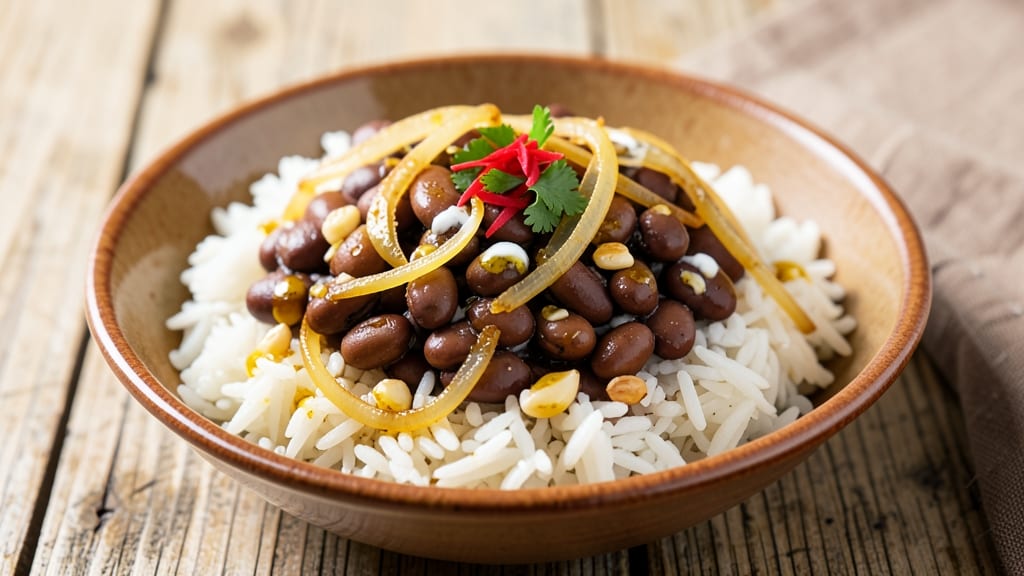
This Blue Zone beans and rice recipe unlocks the secret to longevity through simple, plant-powered ingredients. Inspired by the world's longest-lived communities, this dish combines fiber-rich beans with nutrient-dense rice for a protein-packed meal that supports heart health and sustained energy.
The traditional preparation method preserves maximum nutrients while delivering bold Mediterranean flavors.
The foundation begins with slow-cooked beans—either pressure-cooked for 30 minutes or soaked overnight—for optimal digestibility and flavor absorption. Paired with perfectly steamed rice, this combination creates a balanced, satisfying plate that aligns with Blue Zone principles of minimal processing and whole-food nutrition.
Simple seasonings like garlic, turmeric, and miso elevate the dish without overpowering its natural goodness, making it both restaurant-quality and health-focused.
Ingredients for blue zone beans and rice
Simple plant-powered ingredients inspired by the world's longest-lived communities.
| Ingredient | Amount | Notes |
|---|---|---|
| Navy Beans (Dried) 🌾 | 1 ½ cups | Unsoaked, rinsed thoroughly |
| Long-Grain White Rice 🍚 | 1 cup | Uncooked, jasmine or basmati preferred |
| Yellow Onion 🧅 | 1 whole | Medium size, diced finely |
| Garlic Cloves 🧄 | 4 cloves | Fresh, minced for depth |
| Ground Turmeric 🌿 | 1 tsp | Freshly ground for vibrant color |
| White Miso Paste 🍶 | 2 tbsp | Organic, unsweetened preferred |
| Extra-Virgin Olive Oil 🫒 | 2 tbsp | Cold-pressed, fruity variety |
| Fresh Parsley 🌿 | ¼ cup | Chopped, for garnish |
| Lemon Juice 🍋 | 1 tbsp | Freshly squeezed, bright flavor |
| Sea Salt 🧂 | 1 tsp | Diamond Crystal preferred |
| Ground Black Pepper 🌶️ | ½ tsp | Freshly cracked for heat |
| Fresh Ginger 🌿 | 1 tbsp | Grated, for zesty kick |
| Bay Leaf 🍃 | 1 whole | Dried, removed before serving |
| Vegetable Broth 💧 | 2 cups | Low-sodium, homemade preferred |
The beans are the heart of this dish—navy beans deliver the perfect balance of fiber and protein. Organic or heirloom varieties from Whole Foods Market or local co-ops offer superior texture and flavor. For the rice, jasmine or basmati absorbs flavors beautifully while maintaining its shape. The yellow onion should be sweet and firm; avoid anything with sprouting or soft spots. Garlic cloves should be plump and free of sprouts—Italian or Spanish varieties tend to have the most robust flavor. Turmeric is non-negotiable for both color and anti-inflammatory benefits; look for fresh, bright yellow powder rather than dull, grayish varieties.
No fresh turmeric? Ground turmeric at double the amount works in a pinch, though fresh yields better results. Substitute miso with soy sauce or tamari, but reduce by half to avoid overpowering the dish. For those without a pressure cooker, soaked beans overnight with a pinch of baking soda soften perfectly. The vegetable broth can be swapped for water plus bouillon cubes, though homemade broth adds depth. Fresh ginger loses potency quickly—freeze grated ginger in ice cube trays for convenience. Bay leaves should be removed before serving as they can be tough; crush them gently before adding to release their aromatic oils.
Beans keep for 3-4 days in the fridge once cooked, or 6 months frozen in airtight containers. Rice reheats best with a splash of water—microwave for 1 minute to restore moisture. Store cooked portions separately to maintain texture. For meal prep, assemble the dish fresh and refrigerate for up to 4 days—flavors meld beautifully overnight. Freeze individual servings for 3 months by laying flat between parchment paper.
Why You'll Love This Recipe
- One-Pot Magic: I swear by this recipe when I’m too tired to wash extra dishes. Just toss everything—beans, rice, onions, garlic, and that golden turmeric—into one pot, add water, and let it simmer. No chopping boards, no fuss, just pure, satisfying ease.
- Golden Turmeric Glow: That pinch of ground turmeric? It’s the secret weapon. The beans soak up its earthy warmth while the rice cooks, giving every bite a subtle, sunny depth. Honestly, it’s the kind of flavor that makes you pause mid-bite and think, "Wait, how is this so good?"
- Meal Prep MVP: I make a big batch on Sundays and it lasts me all week. The beans hold up perfectly, and the rice stays fluffy even reheated. Pack it for lunch, serve it with grilled chicken, or just eat it straight from the pot—it’s that reliable.
- Budget-Friendly Staple: Navy beans and rice are cheap, but this recipe feels like a restaurant dish. Between us, I’ve fed four people for under $10 with this, and no one ever complains. It’s my go-to when I need to stretch a grocery budget without sacrificing taste.
Step-by-step instructions for Blue Zone beans and rice
Transform simple ingredients into a nutrient-dense, longevity-boosting meal with this precise method.
Prepare the Beans for Maximum Digestion
Rinse the 1.5 cups navy beans (dried) thoroughly under cold water in a colander, then transfer them to a large pot. Add 2 cups vegetable broth and bring to a boil over high heat. Once boiling, immediately reduce to medium-low heat and add the whole bay leaf, 1 tablespoon grated fresh ginger, and 1 teaspoon ground turmeric. The turmeric will infuse the beans with vibrant color and anti-inflammatory properties.
Simmer uncovered for 45 minutes, stirring occasionally to prevent sticking. You'll notice the beans soften significantly but shouldn't fully break down—this preserves their texture. After 45 minutes, drain any remaining liquid and set the beans aside. The beans should be tender but still hold their shape when pressed between fingers. This preparation method enhances digestibility while maintaining their nutritional integrity, a key principle of Blue Zone diets.
Sauté Aromatics and Build the Base
Heat 2 tablespoons extra-virgin olive oil in a large skillet over medium heat. Add the finely diced yellow onion and cook for 5 minutes until translucent, stirring occasionally. This gentle cooking prevents the onions from browning too quickly, preserving their sweetness.
Add the 4 minced garlic cloves and cook for an additional 1 minute until fragrant. Immediately stir in the 2 tablespoons white miso paste and cook for 30 seconds while stirring constantly. The miso adds umami depth and probiotic benefits that align with Blue Zone dietary principles. You'll see the mixture darken slightly as the miso caramelizes—this is normal and enhances flavor. Remove the skillet from heat and set aside.
Toast the Rice for Enhanced Texture
In the same skillet (now containing the aromatic base), add 1 cup long-grain white rice and stir to coat evenly in the miso-onion mixture. Toast the rice over medium heat for 2 minutes, stirring constantly. You'll notice the rice becomes translucent at the edges—a sign the starches are beginning to gelatinize, which creates that coveted separate-grain texture.
Add 1 teaspoon sea salt, ½ teaspoon ground black pepper, and 1 tablespoon freshly squeezed lemon juice. Stir vigorously for 30 seconds to distribute the seasoning evenly. The lemon juice brightens the flavors and provides vitamin C, while the salt enhances the natural umami from the miso. Remove the skillet from heat and set aside alongside the prepared beans.
Combine and Simmer to Perfection
Return the skillet to medium heat and add 1 cup fresh vegetable broth (enough to just cover the rice). Bring to a gentle simmer, then reduce heat to low. Cover with a tight-fitting lid and cook for 15 minutes without stirring. This resting period allows the rice to absorb liquid evenly and develop its characteristic fluffiness.
After 15 minutes, stir in the prepared navy beans and ¼ cup chopped fresh parsley. The parsley adds freshness and a pop of color while providing additional nutrients. Simmer uncovered for an additional 5 minutes until the liquid has mostly evaporated and the beans are fully integrated into the rice. The dish should have a thick, creamy consistency with distinct grains of rice visible.
Rest and Serve for Optimal Texture
Remove the skillet from heat and let the dish rest for 5 minutes before serving. This resting period allows the flavors to meld and the rice to finish absorbing any remaining liquid, resulting in perfectly separate grains. Remove and discard the bay leaf before serving.
Serve immediately while hot, garnished with additional parsley if desired. Each serving contains a balanced combination of plant-based protein from the beans and complex carbohydrates from the rice, along with anti-inflammatory spices that align with Blue Zone dietary patterns. The dish should have a vibrant yellow hue from the turmeric, a rich umami flavor from the miso, and a bright finish from the lemon and parsley.
Pro Tips For Making Blue Zone Beans And Rice
- SOAK BEANS 12 HOURS: I learned this the hard way—skipping the soak leaves navy beans tough as boot leather. Dump them in cold water with a pinch of salt (yes, even if you’re impatient) and let them sit overnight. The texture? Silky, not mushy.
- CARAMELIZE ONIONS LOW: After burning three batches, I finally figured out: slow wins. Slice onions thin, cook them on medium-low with a splash of water until deep golden—about 20 minutes. Rushed onions taste raw; patient onions make the dish sing.
- TOAST RICE IN BUTTER: This isn’t the prettiest method, but it’s the tastiest. Once your onions are done, dump in raw rice and cook 2 minutes, stirring like your life depends on it. The nutty aroma? That’s flavor locking in—don’t skip it.
- SIMMER BEANS COVERED: Watch the heat—blue zone beans need gentle love. After adding turmeric and garlic, keep the pot barely simmering, lid on tight. Boiling turns them gluey; a whisper of steam keeps them tender and separate. (Your future self will thank you.)
Wine and beer pairings for blue zone beans and rice
Light White Wine
For this dish, I recommend a crisp, dry Vermentino from Sardinia or a Pinot Grigio from Alto Adige—both complement the earthy beans and bright lemon notes beautifully. The acidity cuts through the richness of the miso while enhancing the turmeric's warmth. Look for wines labeled "superiore" for higher quality. 🍷
Light Beer Pairings
A Belgian witbier like Hoegaarden or a German Helles lager balances the dish perfectly. The citrusy notes in witbier mirror the lemon juice, while the light maltiness of Helles won't overpower the delicate flavors.
For a local option, try a Mexican lager like Modelo Especial—its clean finish lets the dish shine.
Red Wine Option
If you prefer red, a light-bodied Chianti or Pinot Noir works surprisingly well. The acidity in Chianti matches the lemon, while Pinot Noir's earthy notes harmonize with the turmeric. Avoid heavy reds like Cabernet—they'd clash with the dish's brightness. A 2019 Chianti Classico from Tuscany is my go-to choice.
Non-Alcoholic Choices
For a refreshing non-alcoholic option, try sparkling water with lemon—the bubbles cleanse your palate between bites. Alternatively, a hibiscus iced tea (brewed with Adagio Teas hibiscus blend) adds tartness that complements the turmeric and miso. Both options highlight the dish's natural flavors without distraction. ✨
Regional Adaptations
In Okinawa, where Blue Zone principles originated, locals often pair this dish with green tea—its grassy notes balance the umami. For a Mediterranean twist, try a sparkling rosé like Prosecco—the effervescence and light fruitiness enhance the lemon and parsley.
Each pairing reflects the dish's global influences while keeping the focus on plant-based nutrition.
Nutrition facts
Frequently asked questions
Why does this recipe use dried beans instead of canned?
Dried beans retain more fiber and nutrients than canned varieties, which is key for Blue Zone nutrition. The slow cooking process also enhances digestibility and flavor absorption—something canned beans can't match. Plus, dried beans cost less per serving and reduce packaging waste!
Can I substitute other beans like black beans or chickpeas?
Black beans or chickpeas work well, but adjust cooking times—black beans need 30 minutes while chickpeas require 45-60 minutes to soften. The flavor profile will shift slightly (chickpeas add nuttiness), but the dish remains balanced and nutritious. Navy beans were chosen for their mild taste and high protein content.
How do I make this dish gluten-free?
Simply swap the white rice for jasmine brown rice or quinoa (use 1.5 cups quinoa cooked) and ensure your miso paste is certified gluten-free. The rest of the ingredients are naturally gluten-free. Quinoa adds extra protein, making it an even better Blue Zone adaptation!
What's the best way to reheat leftovers?
Reheat gently in a skillet with 1 tablespoon water over low heat for 3-4 minutes, stirring occasionally. Microwaving can make the rice mushy. For extra flavor, add a splash of vegetable broth and a pinch of turmeric while reheating. Leftovers keep for 4 days in the fridge or 3 months frozen.
Is this dish suitable for meal prep?
Perfect for meal prep! Cook the beans and rice separately, then combine when ready to eat. Store components in airtight containers for up to 5 days. When reheating, add a splash of water to maintain texture. The flavors actually improve overnight as the spices meld—ideal for busy weeks!