
Main Courses
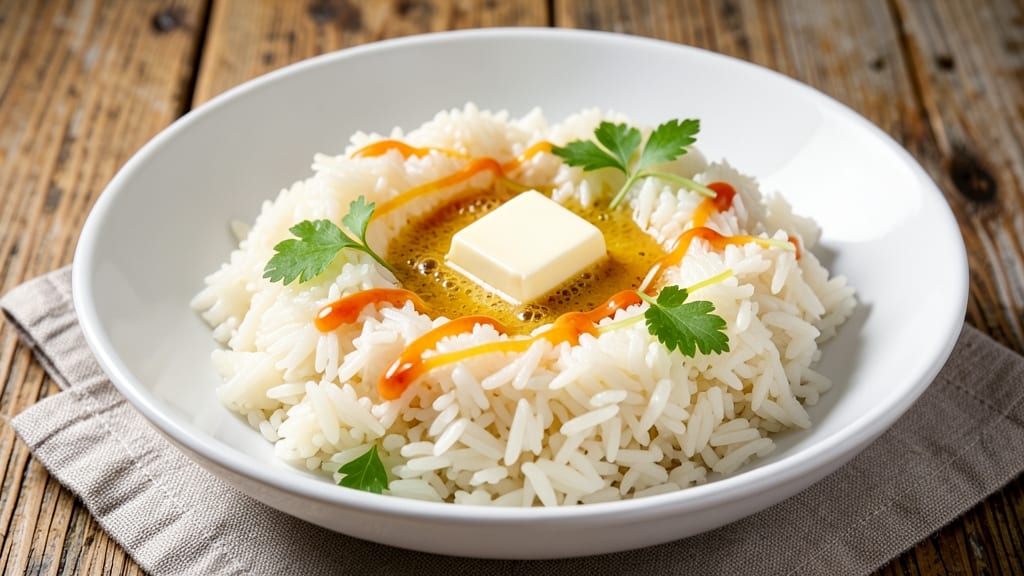
Mastering boiled white rice starts with the right ratio—1 part rice to 1.5 parts water—and a simple stovetop technique that guarantees fluffy, clump-free grains every time. The secret lies in proper drainage and gentle fluffing, transforming basic rice into the perfect side dish for any meal.
This method works whether you're cooking for two or feeding a crowd, delivering consistent results without fancy equipment.
With just 15 minutes of active time and a 20-minute simmer, you’ll have restaurant-quality rice that’s light, separate, and ready to pair with anything from stir-fries to soups. The key steps—boiling, draining, and resting—ensure each grain stays distinct, while optional seasonings like butter or herbs add depth.
Whether you prefer a rice cooker or stovetop, this foolproof approach eliminates guesswork and delivers perfect rice, every time.
Ingredients for boil white rice
Precision ratios and technique transform simple rice into restaurant-quality side dishes every time.
| Ingredient | Amount | Notes |
|---|---|---|
| Long-Grain White Rice 🍚 | 1 cup | Uncooked, rinsed thoroughly |
| Water 💧 | 1 ½ cups | Room temperature preferred |
| Salt 🧂 | ¼ tsp | Diamond Crystal kosher preferred |
| Unsalted Butter 🧈 | 1 tbsp | Optional, for finishing |
| Fresh Lemon Juice 🍋 | 1 tsp | Optional, for brightness |
| Fresh Parsley 🌿 | 1 tbsp | Chopped, for garnish (optional) |
| Garlic Cloves 🧄 | 1 whole | Minced, optional for flavor |
The rice is non-negotiable—long-grain varieties like jasmine or basmati yield the best texture, but white rice from a trusted brand (like Lundberg Family Farms) works perfectly. Rinse it thoroughly before cooking to remove excess starch, which prevents clumping. For large batches, Costco's bulk rice is a cost-effective choice, but avoid pre-rinsed or pre-seasoned varieties—they disrupt the cooking process. The water-to-rice ratio of 1.5:1 is critical for fluffy grains; measuring precisely ensures consistent results every time.
No need for fancy substitutions here—any long-grain white rice works, though jasmine rice adds subtle floral notes. Short on salt? A pinch of garlic powder enhances flavor without altering the technique. Want extra richness? A splash of coconut milk (1 tbsp) replaces butter for a dairy-free option. The lemon juice and parsley are purely optional but elevate the dish—freshly squeezed lemon brightens the final texture, while dried parsley works in a pinch. For garlic lovers, roasted garlic adds depth without overpowering.
Cooked rice reheats beautifully—steam over low heat with a splash of water to restore moisture. Store leftovers in an airtight container for up to 5 days in the fridge or freeze for 3 months. To prevent drying, cover rice with a damp paper towel before sealing. For meal prep, divide into portioned containers—perfect for lunches or stir-fry bases. The butter and lemon should be added immediately after cooking to preserve their freshness and prevent sogginess.
Why You'll Love This Recipe
- Four-Ingredient Magic: I swear, this is the only rice recipe I keep coming back to—just rice, water, butter, and a squeeze of lemon. No fancy tools, no measuring cups that require a PhD to read, and zero guesswork.
- Butter-Bright Finish: That last minute of melting butter into the steaming rice? It’s the secret weapon. The grains get this golden sheen and a buttery aroma that hits you the second you open the lid—like a hug for your taste buds.
- Lunchbox Hero: Between us, this is my go-to for meal prep. Cook a big batch on Sunday, divide it into containers, and toss it with anything—grilled chicken, roasted veggies, or straight-up with a fried egg. It’s the blank canvas no one complains about.
- Leftovers That Don’t Suck: Honestly, I make this just to have rice for the next three days. The lemon keeps it from getting stale, and reheating it is as simple as microwaving with a splash of water. Zero sad, dry rice here.
Step-by-step instructions for perfectly boiled white rice
Master this technique and you'll achieve restaurant-quality rice every time—light, fluffy, and completely free of clumps.
Rinse the Rice Thoroughly
Place the 1 cup long-grain white rice in a fine-mesh strainer and rinse under cold running water for 30-45 seconds. This removes excess starch that would otherwise cause the grains to stick together. Rub the rice gently between your fingers while rinsing to ensure all surfaces are clean.
After rinsing, shake the strainer vigorously to remove any remaining water droplets. The rice should look translucent with no visible white residue. This step is critical—skipping it guarantees clumpy rice. I always rinse twice if the water runs clear too quickly on the first try.
Combine Rice, Water, and Salt
In a medium saucepan with a tight-fitting lid, combine the rinsed rice, 1.5 cups water, and 0.25 tsp salt. I use a 4-quart saucepan for this quantity—it allows enough room for the rice to expand without boiling over. Stir gently once to distribute the salt evenly.
Bring the mixture to a rolling boil over medium-high heat. Once boiling vigorously, immediately reduce the heat to low and place the lid on securely, leaving a small gap (about the width of a pencil) to allow steam to escape. This prevents pressure buildup while still maintaining moisture.
Simmer Without Disturbing
Let the rice simmer undisturbed for 15 minutes exactly. This is where patience pays off—resist the urge to peek or stir. The rice needs this uninterrupted time to absorb the water evenly and develop its characteristic fluffiness.
After 15 minutes, remove the saucepan from heat and let it sit, covered, for an additional 5 minutes. This resting period allows the steam to finish cooking the rice evenly. The residual heat during this time is crucial for achieving perfectly tender grains without turning them mushy.
Fluff and Finish with Optional Ingredients
Using a fork, gently fluff the rice from the center outward, being careful not to press down on the grains. This action separates the individual kernels while redistributing any remaining steam. If you're using the 1 tbsp unsalted butter, add it now and toss gently to melt and coat the rice.
For the 1 tsp fresh lemon juice and 1 tbsp chopped fresh parsley, sprinkle them over the rice and toss lightly. The lemon juice adds brightness while the parsley provides freshness and color. If you included the 1 minced garlic clove, now is the time to fold it in. Serve immediately while still hot.
Maintain Perfect Texture
Transfer the rice to a serving dish and cover loosely with a clean kitchen towel. This keeps the rice warm while preventing condensation from turning it soggy. The rice should be light and separate, with each grain distinct and tender enough to break apart with gentle pressure.
If you find any residual moisture at the bottom of the pan, simply stir it back into the rice—this ensures every bite has that perfect texture. Remember, the key to perfect boiled rice lies in the precision of timing, the gentle handling, and the patience to let it rest after cooking.
Pro Tips For Making Boil White Rice
- Rinse Until Clear: Don’t just splash water over the rice—hold it in a fine-mesh strainer and swirl it under cold running water until the water runs completely clear. This removes excess starch, which is why your rice turns gummy or clumps when cooked. I learned this the hard way after making a pot of gluey rice that stuck together like regret.
- Start with Boiling Water: Use boiling water, not room temp or cold—this guarantees even cooking and cuts down on starchy residue. Cold-starting rice makes it absorb water unevenly, leading to some grains turning mushy while others stay hard. Trust me, the extra 30 seconds to boil water saves you from a sad, uneven pot.
- Add Butter Last: Stir in the unsalted butter and lemon juice after the rice is fully cooked and just off the heat. Adding it earlier can make the butter burn or separate, and the acidity of the lemon will brighten the rice more effectively when it’s hot. This isn’t just fussy—it makes a real difference in flavor and texture.
- Let It Sit Covered: After cooking, keep the pot covered for at least 10 minutes—no peeking. This steams the rice evenly and lets the starch redistribute, giving you fluffy grains instead of a dry, crunchy mess. I know, I know, you’re eager to eat it, but resisting the urge to lift the lid is the thing that matters most.
Make-ahead tips for leftovers
Prep Ahead Strategy
Cook a large batch (like 4 cups dry rice) and store it in an airtight glass container in the fridge for up to 5 days. Portion it into single-serving containers—perfect for meal prep lunches or quick stir-fry bases.
Just reheat with 2 tbsp water per cup of rice over low heat for 3-5 minutes, covered. This method preserves texture better than microwaving. 💫
Freezer-Friendly Method
For long-term storage, spread cooked rice on a baking sheet to cool completely, then transfer to freezer bags in 1-cup portions. Freeze for up to 3 months. When ready to use, thaw overnight in the fridge, then reheat with 2 tbsp water per cup on the stovetop.
Avoid microwaving frozen rice—it turns mushy. I always label bags with dates to track freshness. ❄️
Rice Cooker Shortcut
Use a rice cooker for hands-off prep: rinse 2 cups rice, add 3 cups water, and let it do the work. Cook while you prep other dishes—it automatically switches to "keep warm" mode.
For meal prep, cook 4 cups rice at once, then divide into containers. The cooker’s steam distribution ensures perfect texture every time. My Cuisinart CRC-100AMY handles this flawlessly. ⏰
Day-Old Rice Hacks
Revive slightly dried day-old rice by steaming it: place in a heatproof bowl over a pot of boiling water, covered, for 5 minutes. For extra flavor, add 1 tbsp butter or olive oil while reheating.
This works perfectly for fried rice or as a base for grain bowls. I keep a stash of pre-cooked rice in the fridge for spontaneous meals. 🔥
Portion Control Tips
Use ice cube trays for individual portions: press cooked rice into the trays, cover, and freeze. Pop out cubes as needed—ideal for adding to soups or casseroles. For larger batches, store in mason jars with a damp paper towel on top to prevent drying.
Label jars with dates to track freshness. This keeps rice ready for 5 days in the fridge. 📅
Seasoning Prep
Pre-mix seasonings in small jars: combine 1 tbsp butter, 1 tsp lemon juice, and 1 tbsp chopped parsley for easy tossing later. Store in the fridge for up to 3 days.
For garlic lovers, pre-mince 4 cloves and store in a sealed container. This saves time when reheating—just toss the prepped seasoning with rice and heat through. 🧄
Nutrition facts
Frequently asked questions
Why does my boiled rice always turn out mushy?
Mushy rice usually happens from either overcooking or not letting it rest properly. After the 15-minute simmer, always let it sit covered for an additional 5 minutes off the heat—this resting time lets the steam finish cooking the rice evenly without making it gummy. Also, check your water ratio: stick to 1.5 cups water per 1 cup rice for perfect texture.
Can I use a different water-to-rice ratio?
Yes, but adjust carefully! For slightly firmer rice, try 1 cup rice to 1.25 cups water. For softer rice (like for risotto), use 1.75 cups water. The key is to taste-test after cooking—if it's still slightly firm, add a splash of water and let it steam covered for 2-3 more minutes. Always start with the 1.5:1 ratio for foolproof results.
How do I prevent rice from sticking to the pot?
Use a pot with a tight-fitting lid and leave a small gap (about the width of a pencil) for steam to escape. After cooking, let the rice rest covered for 5 minutes before fluffing—this helps the grains separate naturally. If you're worried about sticking, lightly butter the pot before adding the rice and water. For stubborn cases, a wooden rice paddle works better than metal utensils.
What's the best way to reheat cooked rice?
Steam reheating preserves texture best: place rice in a heatproof bowl over a pot of boiling water, covered, for 5 minutes. For stovetop, add 2 tbsp water per cup of rice and cook on low heat for 3-5 minutes, stirring gently. Never microwave dry rice—it turns rubbery. For extra flavor, add 1 tbsp butter or olive oil while reheating.
Can I substitute white rice with another variety?
For this method, stick to long-grain white rice (like jasmine or basmati) for the best texture. Short-grain rice (like sushi rice) will be stickier, while brown rice requires 30-40 minutes and 2.5 cups water per 1 cup rice. If you must use brown rice, soak it for 30 minutes first to reduce cooking time. For quick meals, instant rice works but lacks the fluffy texture of boiled rice.