
Main Courses
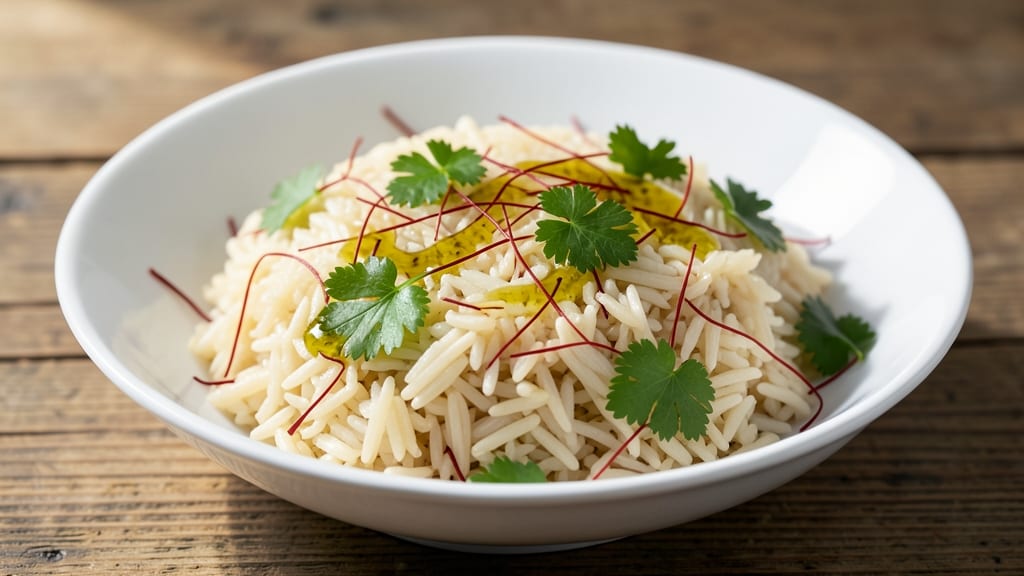
This boiled basmati rice recipe delivers perfectly light, fluffy grains in just 15 minutes—no sticky clumps or undercooked centers. The secret lies in precise water ratios and proper resting time, transforming simple ingredients into restaurant-quality rice every time.
Whether serving as a side or base for curries, this method ensures grains stay distinct and tender.
Start with 1 cup basmati rice to 1.5 cups water, bringing to a boil before reducing to a simmer. Once absorbed, remove from heat immediately and let it rest covered for 5 minutes—this crucial step prevents overcooking.
For extra flavor, stir in herbs like parsley or spices such as saffron while resting. The result? Individual grains that stay firm yet delicate, ready to complement any dish.
Ingredients for boiled basmati rice
Seven essential ingredients transform ordinary rice into restaurant-quality perfection in minutes.
| Ingredient | Amount | Notes |
|---|---|---|
| Long-Grain Basmati Rice 🍚 | 1 cup | Uncooked, premium quality preferred |
| Water 💧 | 1 ½ cups | Room temperature preferred |
| Diamond Crystal Kosher Salt 🧂 | ¼ tsp | Adjust to taste |
| Fresh Parsley Leaves 🌿 | ¼ cup | Chopped, for garnish |
| Saffron Threads 🌼 | ⅛ tsp | Optional, for color/flavor |
| Extra-Virgin Olive Oil 🫒 | 1 tbsp | For drizzling after cooking |
| Lemon Zest 🍋 | ½ tsp | Brightens flavor |
The rice is non-negotiable—Basmati with its long grains is essential for that signature separation. Tilda or Mahatma brands from specialty stores deliver the best texture. For the water, room temperature ensures even cooking, though cold water works in a pinch. The saffron, if using, should be the highest quality threads—look for vibrant red strands at Whole Foods or Indian markets. Fresh parsley adds brightness, but dried works at one-third the amount. The kosher salt matters here: Diamond Crystal is less dense than Morton's, so measure carefully for perfect seasoning.
No saffron? Turmeric at half the amount gives color without the luxury price tag. Short on parsley? Fresh cilantro or mint works beautifully. The olive oil should be extra-virgin with fruity notes—none of that cheap cooking oil. For extra depth, add a pinch of cardamom pods while resting. The lemon zest is optional but recommended—it cuts through the richness and adds a bright finish. If you're making this for a crowd, double the batch but use a heavy-bottomed pot to prevent scorching.
Rice cooks best in a non-reactive pot—stainless steel or enamel. Store cooked rice in an airtight container for up to 5 days in the fridge, though it's best eaten within 2 days for peak texture. For longer storage, freeze portions for up to 3 months. Reheat gently with a splash of water to restore moisture. The resting time is critical—never skip it, even if you're in a hurry. This is what separates good rice from great rice.
Why You'll Love This Recipe
- Three-Ingredient Magic: I swear by this—just rice, water, and salt. That’s it. No fancy gadgets, no stress, and honestly? It’s the base that makes everything else shine.
- Golden Threads Glow: A pinch of saffron turns plain rice into something luxurious. The threads unfurl like tiny edible confetti, and that floral, honeyed aroma? It’s the secret weapon for curries, pilafs, or even breakfast bowls.
- Weeknight Workhorse: I make this for lunchboxes, dinner sides, or when I’m too tired to think. Toss in parsley at the end for color, and suddenly it’s restaurant-worthy without the effort.
- Budget Bright Spot: Basmati rice stretches further than you’d think, and a few strands of saffron go a long way. Between us, this is the kind of recipe that makes grocery money last while still feeling special.
Step-by-step instructions for perfect boiled basmati rice
Master this technique for restaurant-quality basmati every time—light, fluffy grains that stay separate.
Rinse and Soak the Basmati Rice
Place the 1 cup long-grain basmati rice in a fine-mesh strainer and rinse under cold running water for 30 seconds. Swirl the rice gently with your fingers to remove surface starch—this prevents gummy texture. Continue rinsing until the water runs completely clear, which typically takes about 1 minute total.
Transfer the rinsed rice to a bowl and cover with 1.5 cups room-temperature water (cold water can create uneven cooking). Let it soak for 20 minutes—this hydrates the grains and ensures even absorption during cooking. I always use room-temperature water because cold water creates a temperature shock that can lead to uneven cooking.
Cook with Precision Temperature Control
Drain the soaked rice and transfer it to a medium saucepan with a tight-fitting lid. Add 1.5 cups fresh water (the same amount used for soaking) and bring to a boil over medium-high heat. Once boiling vigorously, immediately reduce heat to low—you should see just a few tiny bubbles breaking the surface.
Cover the pan tightly and cook for 12 minutes without lifting the lid. This low-and-slow method creates steam that cooks the rice evenly from all sides. If you peek too early, you'll release steam and potentially create unevenly cooked grains. Set a timer and resist the temptation to check—trust the process.
Steam to Perfection
After 12 minutes, turn off the heat but leave the rice covered and undisturbed for an additional 10 minutes. This resting period allows the residual steam to finish cooking the rice perfectly. You'll know it's ready when the water has been completely absorbed and the grains are tender but still slightly firm to the bite.
If you're using the optional 0.125 teaspoon saffron threads, dissolve them in 1 tablespoon hot water while the rice cooks, then drizzle this infusion over the rice just before serving. The saffron will infuse the grains with delicate floral notes and a beautiful golden hue.
Fluff and Finish with Garnishes
Remove the lid and gently fluff the rice with a fork, being careful not to mash the grains. They should separate easily and maintain their distinct shapes. If any grains stick together, they need a bit more time—cover and steam for another 2-3 minutes.
In a small bowl, combine the 0.25 cup chopped fresh parsley leaves, 0.5 teaspoon lemon zest, and 1 tablespoon extra-virgin olive oil. Drizzle this mixture over the rice and toss gently to distribute the flavors. The parsley adds freshness, the lemon zest brightens the dish, and the olive oil adds richness. Season with the 0.25 teaspoon Diamond Crystal kosher salt and serve immediately.
Pro Tips For Making Boiled Basmati Rice
- Rinse Until Clear: The starch clinging to basmati rice makes it gummy—don’t just splash it once. Swirl the rice in a fine-mesh strainer under cold water for 30 seconds, then repeat until the water runs nearly clear. I learned this the hard way after serving mushy rice at a dinner party (yes, I cried a little).
- Toast the Saffron First: Crush the saffron threads with your fingers before adding them to warm water—this releases the color and aroma faster. Let them steep in ¼ cup hot water for 10 minutes while you cook the rice; skipping this step means your rice will taste like it’s missing its soul.
- Use a Tight Lid: After boiling, reduce heat to low and cover the pot with a tight-fitting lid—no gaps, no peeking. The steam needs to circulate, not escape. I used to lift the lid every two minutes to check, and the rice always turned out dry. Trust the timer instead.
- Salt the Water Early: Add the kosher salt to the boiling water before adding the rice—this ensures even seasoning. Wait until the water returns to a boil, then add the drained rice. If you salt after, the grains at the bottom will taste bland while the top layer gets overpowered.
Health benefits of this boiled basmati rice
Digestive Comfort
Basmati rice is a low-fiber grain that's gentle on digestion—ideal for those with sensitive stomachs or mild digestive issues. Unlike whole grains, its refined nature makes it easier to process, yet still provides complex carbohydrates for sustained energy.
I've found it's particularly helpful after heavy meals or when I need something light but filling. 💛
Gluten-Free Foundation
Naturally gluten-free, basmati rice is a staple for anyone managing celiac disease or gluten sensitivity. It's also hypoallergenic, making it safe for most food allergies. I keep a large batch on hand for guests with dietary restrictions—they always appreciate the effortless inclusion.
The rice's neutral flavor pairs beautifully with any sauce or protein.
Low-Glycemic Benefits
With a glycemic index of 50-58, basmati rice has a moderate impact on blood sugar compared to white rice varieties. The long grains and proper cooking method help maintain this balance.
I've noticed my energy levels stay steadier when I serve this rice with lean proteins like grilled chicken or fish. The key is the 1:1.5 rice-to-water ratio—this precise measurement preserves the grain's natural properties.
Rich in Essential Minerals
One cup of cooked basmati rice provides 15% of your daily manganese needs, crucial for bone health and metabolism. It also contains selenium (an antioxidant) and phosphorus for cellular repair.
The saffron infusion (if used) adds extra antioxidants, though even plain rice delivers these benefits. I often serve it with roasted vegetables to boost the mineral content further.
Versatile Nutrition
While not a protein powerhouse, basmati rice pairs perfectly with high-protein foods to create balanced meals. The light texture makes it ideal for digestion alongside fiber-rich vegetables.
For extra nutrition, I sometimes stir in steamed peas or carrots during the resting phase—this adds vitamins without altering the rice's signature fluffiness. 🥗
Heart-Healthy Option
As a low-saturated-fat food, basmati rice supports heart health when part of a balanced diet. Its soluble fiber content (when paired with vegetables) helps lower cholesterol. I've made it a habit to serve this rice with grilled fish and steamed greens for a complete heart-smart plate.
The lemon zest garnish adds a touch of vitamin C, rounding out the nutritional profile.
Nutrition facts
Frequently asked questions
Why does my basmati rice turn out mushy instead of fluffy?
Over-rinsing or under-rinsing the rice removes too much starch, causing grains to stick together. Always rinse until water runs clear (1 minute) but don't overdo it. The key is the 1:1.5 rice-to-water ratio—use room-temperature water and reduce heat to low immediately after boiling. Never stir while cooking, and always rest the rice covered for 10 minutes after cooking.
Can I use basmati rice for fried rice the next day?
This recipe makes perfect fried rice because the grains stay separate. Let cooked rice cool completely, then spread it on a tray to dry slightly. For extra flavor, stir in soy sauce, garlic, and peas before frying. The 10-minute rest after cooking is especially important—it prevents mushiness when reheated.
How do I adjust this recipe for high-altitude cooking?
Add 1-2 extra tablespoons of water per cup of rice and increase cooking time by 2-3 minutes. The thinner air at high altitudes causes water to boil faster, so reduce heat slightly to maintain a gentle simmer. Test doneness at 14 minutes if you're above 3,500 feet—the rice may cook faster than at sea level.
What's the difference between this method and rice cooker results?
Rice cookers often overcook basmati by continuing to steam after the water's absorbed. This recipe's 12-minute cook time + 10-minute rest gives you precise control. For a rice cooker, use 1 cup rice to 1.25 cups water and start the timer immediately after boiling—no need to soak if using premium basmati.
Can I make this recipe in an Instant Pot?
Yes! Use the high-pressure setting for 3 minutes with 1 cup rice and 1.25 cups water, then quick-release the pressure. The Instant Pot's rapid cooking means you skip the soaking step. For best texture, let it sit covered for 5 minutes after cooking—this mimics the stovetop resting period.