
Main Courses
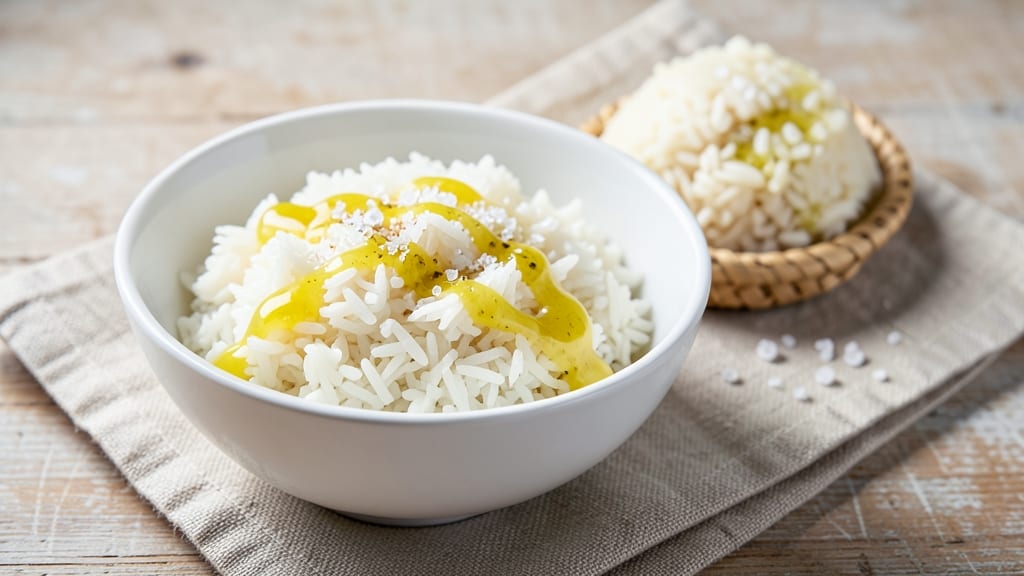
A delicious boiled rice recipe ideas is the foundation of countless global dishes—from Japanese sushi to Mexican-style fried rice. The secret lies in the water-to-rice ratio and gentle heat, ensuring fluffy grains every time. Whether you're making short-grain or long-grain, this method guarantees restaurant-quality results at home.
Start with a 1:1.5 water-to-rice ratio for most varieties, simmering uncovered until the water absorbs completely. For extra fluffiness, let it rest for 5 minutes after cooking. This simple technique transforms plain rice into the perfect base for stir-fries, curries, or bowls.
Ingredients for boiled rice recipe ideas
Simple ingredients elevate rice from side dish to global foundation—perfect for stir-fries, sushi, or bowls.
| Ingredient | Amount | Notes |
|---|---|---|
| Long-Grain White Rice 🍚 | 1 cup | Uncooked, rinsed thoroughly |
| Short-Grain Rice 🍚 | 1 cup | Uncooked, rinsed thoroughly (for sushi-style) |
| Water 💧 | 1 ½ cups | Filtered or distilled preferred |
| Diamond Crystal Kosher Salt 🧂 | ½ tsp | For seasoning water |
| Extra-Virgin Olive Oil 🫒 | 1 tbsp | For finishing fluffiness |
| Fresh Lemon Juice 🍋 | 1 tsp | Brightens flavor (optional) |
| Garlic Cloves 🧄 | 2 cloves | Minced for stir-fry base |
| Fresh Ginger 🌿 | 1 tbsp | Grated, for Asian-inspired dishes |
| Sesame Oil 🫒 | 1 tsp | For finishing Asian dishes |
| Low-Sodium Soy Sauce 🍶 | 1 tbsp | For umami depth |
| Rice Vinegar 🍶 | 1 tbsp | For Japanese-style rice |
| Butter 🧈 | 1 tbsp | Unsalted, for creamy finish |
The rice variety matters—long-grain for fluffy texture (ideal for Mexican-style rice) and short-grain for sticky, sushi-style grains. Lundberg Family Farms or Tilda brands deliver consistent quality. Rinse rice until water runs clear—removes excess starch for lighter grains. For restaurant-quality results, use a heavy-bottomed pot—prevents scorching. The water-to-rice ratio is non-negotiable: 1.5 cups water per 1 cup rice ensures even absorption without mushiness.
No sesame oil? Avocado oil or neutral vegetable oil works in a pinch, though flavor differs. Substitute soy sauce with coconut aminos for gluten-free versions. Fresh ginger loses potency quickly—freeze grated ginger in ice cube trays for month-long use. For creamy finishes, vegan butter replaces dairy without sacrificing texture. The lemon juice and rice vinegar can be swapped for white wine vinegar if preferred, though acidity levels vary—taste as you go.
Rice reheats best with a steam method: cover with damp paper towels and microwave 1-2 minutes. Store cooked rice in an airtight container for up to 5 days in the fridge or 3 months frozen. For extra fluffiness, spread warm rice on a tray to cool—prevents clumping. Portion into individual containers before freezing to avoid thawing entire batches. Always cook rice in batches no larger than 2 cups uncooked—ensures even heat distribution.
Why You'll Love This Recipe
- No-Fuss Basics: I swear by this method—just rice, water, and salt. No fancy ratios to stress over, no measuring cups that never fit right. Honestly, I’ve ruined rice more times than I’ll admit, but this? Even if I walk away, it comes out right.
- Two Grains for the Win: Short-grain for that sticky, comforting texture (hello, risotto vibes) and long-grain when I want something lighter. Between us, I keep both on hand just for this—no extra pots, no extra mess. The olive oil finish? That’s the real MVP.
- Meal Prep MVP: I make a big batch on Sundays and use it all week—bowls, fried rice, even a quick stir-fry. The short-grain holds up better for grains, while the long-grain stays fluffy for days. (Yes, even on a Tuesday night when I’m exhausted.)
- Budget Bingo: Rice is cheap, and this recipe stretches it further than takeout. A single pot feeds four, and leftovers reheat like a dream. I’ll be real: my wallet thanks me every time I skip the grocery store’s overpriced pre-packaged stuff.
Step-by-step instructions for perfectly boiled rice
Master these fundamentals first—fluffy, even grains form the foundation for every global dish.
Rinse and Soak for Ideal Texture
Place the 1 cup long-grain white rice in a fine-mesh strainer and rinse under cold water until the water runs completely clear. This removes excess starch that would make the rice gummy. I like to swirl the rice gently with my fingers while rinsing to ensure all grains are clean. For the 1 cup short-grain rice, repeat the same rinsing process—these varieties need thorough cleaning to achieve that coveted sushi-style stickiness.
Transfer both rinsed rice varieties to separate bowls and cover with cold water by about 1 inch. Let them soak for 30 minutes while you prepare your cooking vessel. Soaking ensures even cooking and prevents uneven expansion during boiling. The long-grain rice will absorb water more quickly than the short-grain variety, so monitor them separately if soaking longer than 30 minutes.
Boil Water with Seasoning
In a medium saucepan, combine the 1.5 cups water with the 0.5 tsp Diamond Crystal kosher salt. Bring to a rolling boil over medium-high heat—you'll see large bubbles breaking the surface consistently. I always use filtered water for rice cooking as it contains fewer minerals that can interfere with even cooking and starch development.
Once boiling, carefully add the drained long-grain white rice (use a rice scoop or measuring cup for precision). The water should return to a boil immediately. If it doesn't, increase the heat slightly. For the short-grain rice, repeat this process in a separate saucepan—never mix varieties as they have different cooking times and textures. The key here is maintaining a vigorous boil throughout the cooking process.
Simmer with Precision Timing
Reduce heat to low immediately after adding the rice to maintain a gentle simmer. Cover the saucepan tightly with a lid and cook for 15 minutes for the long-grain rice. For the short-grain rice, simmer for 12 minutes. This lower heat prevents the rice from becoming mushy while allowing even steam penetration.
Here's the critical part: do not lift the lid during cooking. The steam buildup is what creates those signature fluffy grains. If you must check for doneness, use a timer and peek only when absolutely necessary. After the initial cooking time, turn off the heat and let the rice sit covered for 10 minutes. This resting period allows the steam to finish cooking the grains evenly and redistribute moisture throughout.
Finish with Flavor Enhancements
After resting, transfer the long-grain rice to a serving bowl. Drizzle with 1 tbsp extra-virgin olive oil and gently fold with a fork to distribute evenly. This creates a subtle sheen and prevents sticking. For the short-grain rice, combine with 1 tbsp rice vinegar and 1 tbsp low-sodium soy sauce to create a Japanese-inspired base. The acidity from the vinegar brightens the rice while the soy sauce adds umami depth.
For additional flavor variations, stir in 1 tsp sesame oil and 1 tbsp fresh lemon juice for a zesty finish. The lemon juice adds brightness that cuts through rich dishes, while the sesame oil provides nutty complexity. For a creamy finish, fold in the 1 tbsp butter until melted and fully incorporated. These finishing touches transform simple boiled rice into a versatile canvas for global cuisine.
Pro Tips For Making Boiled Rice Recipe Ideas
- Rinse Until Clear: Don’t just splash water over the rice—cupping your hand and swirling it in the bowl until the water runs nearly clear removes excess starch. I learned this the hard way when my short-grain rice turned into gluey mush. For long-grain, a quick rinse (20 seconds) is enough; short-grain needs the full treatment.
- Salt the Water Early: Add kosher salt to the boiling water before dumping in the rice—it dissolves better and seasons evenly. After the fact? You’ll get clumpy, uneven flavor. Pro move: Taste the water before adding rice; it should be like the ocean, not a swimming pool.
- Use a Lid, But Crack It: Cover the pot with a lid, then leave a tiny gap (or prop it open with a spoon) for the first 10 minutes. Trapped steam turns rice mushy, but a little airflow lets moisture escape gradually. Short-grain rice especially rebels against suffocation—give it room to breathe.
- Toast the Rice First: Dry-toast the rice in olive oil over medium heat for 2–3 minutes before adding water. The grains develop a nutty aroma and stay separate. Sounds weird, but it works—especially for long-grain rice, which benefits from that initial crisp. Just don’t walk away; burned rice is a tragedy.
Health benefits of boiled rice recipe ideas
Digestive Benefits
Boiled rice is a low-fiber, easy-to-digest carbohydrate that's gentle on your stomach. The simple preparation method removes much of the phytic acid found in raw grains, making it easier for your body to absorb nutrients.
I've found this particularly helpful after heavy meals—boiled rice helps settle digestion while providing quick energy. 💪
Blood Sugar Balance
With a low glycemic index (GI) of about 50, boiled rice won't cause rapid blood sugar spikes like white bread. The fiber content (even in white rice) helps slow glucose absorption, making it a better choice for diabetics than many refined carbs.
I recommend pairing it with protein or healthy fats to further stabilize blood sugar levels throughout the day.
Energy Boost
Each cup of cooked rice provides about 200 calories and 45 grams of carbohydrates, offering sustained energy without the crash. The complex carbs in rice fuel your brain and muscles efficiently, which is why athletes often include it in their post-workout meals.
I keep a batch of boiled rice on hand for quick energy recovery after intense training sessions.
Nutrient Absorption
Rice acts as a nutrient delivery system when paired with vitamin-rich foods. The B vitamins in rice help your body metabolize these nutrients effectively. For example, pairing rice with steamed vegetables creates a complete meal where the rice's thiamine (B1) aids in converting those veggies into usable energy.
I always include rice in my meals with leafy greens for this reason.
Weight Management
Boiled rice is naturally low in fat and cholesterol-free, making it an excellent choice for weight-conscious diets. The high water content (about 70% of cooked rice) contributes to a feeling of fullness with relatively few calories.
I've found that substituting rice for higher-calorie sides helps me maintain my target weight without feeling deprived.
Hydration Support
The high water content in boiled rice actually helps with body hydration—each serving contains about 0.5 cups of water that your body absorbs during digestion. This makes rice an excellent base for meals in hot climates or after physical activity when you need to replenish fluids.
I often serve chilled rice salads during summer months for this very reason. 💧
Nutrition facts
Frequently asked questions
What's the best water-to-rice ratio for perfect boiled rice?
For most varieties, use a 1:1.5 ratio (1 cup rice to 1.5 cups water). This ensures even cooking without mushiness. Short-grain rice may need slightly less water (1:1.2 ratio) due to its stickier texture. Always use filtered water to prevent mineral buildup that can make rice gummy.
Why does my boiled rice turn out mushy?
Mushy rice usually means one of two things: either you used too much water or didn't let it rest after cooking. The 1.5:1 water-to-rice ratio is critical, and you must simmer uncovered for the full time before resting 10 minutes covered. Also, avoid lifting the lid while cooking—steam is what creates fluffy grains.
Can I cook different rice varieties together?
No, never mix varieties in the same pot. Long-grain and short-grain rice have different cooking times and textures. Cook them separately in their own pans for perfect results. Short-grain rice (like sushi rice) needs 12 minutes while long-grain takes 15 minutes—they won't cook evenly together.
How do I make my boiled rice extra fluffy?
After cooking, let the rice rest 10 minutes covered before fluffing. For restaurant-quality texture, spread warm rice on a tray to cool—this prevents clumping. A finishing drizzle of olive oil or butter also adds body and shine. For Japanese-style rice, mix in 1 tbsp rice vinegar while warm.
What are the best global dishes to serve with boiled rice?
Boiled rice works perfectly as a base for stir-fries, curries, and grain bowls. Try Mexican-style rice with black beans and avocado, or Japanese-inspired rice with teriyaki chicken. For a complete meal, pair with steamed veggies, grilled proteins, or fresh salads. The neutral flavor absorbs sauces beautifully!