
Main Courses
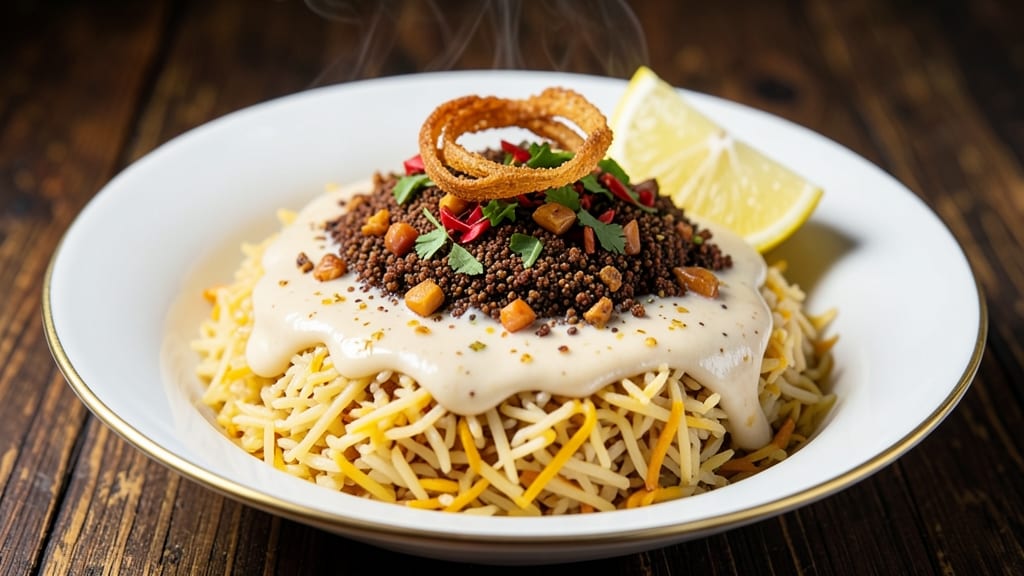
This Bombay rice recipe transforms simple basmati rice into a fragrant, one-pot masterpiece with coconut, turmeric, and sweet peas—perfect for weeknight dinners or special occasions.
The aromatic blend of spices and tender rice creates a dish that’s both comforting and impressive, requiring just 30 minutes of active prep and 20 minutes of simmering for a restaurant-quality result.
The secret lies in toasting whole spices until fragrant, then layering flavors with coconut milk and turmeric for that signature golden hue. Optional protein like chicken or paneer can be added for a heartier meal, while garnishes of fried onions and fresh herbs elevate every bite.
This recipe balances tradition with simplicity, delivering bold Indian flavors without complexity.
Ingredients for bombay rice
Fifteen aromatic ingredients transform basmati rice into Bombay's golden, coconut-infused masterpiece.
| Ingredient | Amount | Notes |
|---|---|---|
| Basmati Rice 🍚 | 1 cup | Uncooked, long-grain preferred |
| Light Coconut Milk 🥥 | 13 ½ oz | Full-fat for creaminess |
| Yellow Turmeric Powder 🌿 | 1 tsp | Freshly ground preferred |
| Ground Cumin 🌿 | ½ tsp | Toasted for deeper flavor |
| Ground Coriander 🌿 | ½ tsp | Freshly ground preferred |
| Garlic Cloves 🧄 | 4 cloves | Peeled and minced |
| Yellow Onion 🧅 | 1 whole | Medium size, finely chopped |
| Sweet Peas 🌱 | 1 cup | Fresh or frozen, thawed |
| Ghee 🧈 | 2 tbsp | Clarified butter, unsalted |
| Fresh Cilantro 🌿 | ¼ cup | Chopped, for garnish |
| Salt 🧂 | ½ tsp | Diamond Crystal preferred |
| Black Peppercorns 🌶️ | ¼ tsp | Freshly cracked preferred |
| Bay Leaf 🍃 | 1 whole | Dried, removed before serving |
| Cardamom Pods 🌿 | 3 whole | Lightly crushed, removed later |
| Cinnamon Stick 🌳 | 1 whole | Optional, for depth of flavor |
The spices are where this dish comes alive. Whole cardamom and cinnamon should be lightly crushed to release their oils without turning to dust—Whole Foods bulk section has the freshest pods. Turmeric must be vibrant yellow, not dull; Penzeys or any reputable spice merchant ensures potency. For coconut milk, full-fat is non-negotiable—light versions won't deliver that creamy texture. The basmati rice should be long-grain and unbroken; store it in the freezer to preserve freshness beyond its labeled date.
No cardamom? Substitute 1/4 tsp ground cardamom, but you'll lose that floral complexity. Short on bay leaf? Double the cinnamon stick for warmth. Fresh cilantro unavailable? Dried works at 1/3 the amount, but toast it first for depth. The sweet peas can be swapped for frozen green peas if needed—just thaw and drain well. For the onions, yellow is traditional, but red adds subtle sweetness. If you're adding protein, chicken breast or paneer cubes cook through beautifully in the same pot.
Toast your whole spices in the ghee until fragrant—about 30 seconds—this builds the foundation. Store leftover rice in an airtight container for 4-5 days; reheat with a splash of water or coconut milk. The spices lose potency after 6 months, so replace your stock regularly. For extra flavor, rinse the rice before cooking to remove excess starch, preventing mushiness. Garnish with fried onions if you're feeling ambitious—sliced thin and cooked in ghee until golden.
Why You'll Love This Recipe
- One-Pot Magic: I swear by this—just basmati rice, coconut milk, and a pinch of turmeric simmering together. No separate pots, no fussing with layers. That golden yellow hue? It’s all from the turmeric, and it transforms something simple into something special with zero extra work.
- Creamy Without Guilt: The coconut milk makes this dish velvety smooth, but here’s the kicker: it’s not heavy or cloying. The cumin and coriander cut through the richness, leaving you with that perfect balance—like a hug from your favorite comfort food, but one that won’t weigh you down.
- Lunchbox Hero: Between us, this is my go-to for meal prep. Cold or reheated, it’s still delicious—pack it in containers for work or school, and you’ve got a flavorful, filling side that actually tastes better the next day. (Yes, even my picky-eating teenager steals my portions.)
- Budget Bright Spot: Turmeric and cumin are dirt cheap, and basmati rice stretches forever. A single batch feeds four, and leftovers reheat like a dream. Honestly, I make this when I’m pinching pennies, but no one ever guesses—it’s just that good.
Step-by-step instructions for Bombay rice
This aromatic one-pot rice dish delivers restaurant-quality flavors with minimal effort.
Sauté the Aromatics in Ghee
In a heavy-bottomed pot with a tight-fitting lid, melt the 2 tablespoons ghee over medium heat. Add the 1 whole yellow onion and cook for 5 minutes until softened and translucent. This foundational step builds flavor through caramelization.
Add the 4 cloves garlic, 3 whole cardamom pods, 1 whole cinnamon stick, and 1 whole bay leaf. Stir for 1 minute until the garlic becomes fragrant—this releases their essential oils. Here's the thing: don't rush this step. The spices need time to bloom properly for maximum aromatic impact.
Toast the Spices and Add Rice
Stir in the 1 teaspoon yellow turmeric powder, 0.5 teaspoon ground cumin, and 0.5 teaspoon ground coriander. Toast for 30 seconds until the spices become slightly fragrant—you'll smell their warm, earthy notes. This toasting prevents raw, bitter flavors in the finished dish.
Add the 1 cup basmati rice and stir to coat evenly with the spiced ghee. Cook for 2 minutes until the rice becomes translucent at the edges. This step ensures each grain absorbs the aromatic base before adding liquid. If the rice begins to brown too quickly, reduce heat to medium-low.
Add Coconut Milk and Simmer
Pour in the 13.5 ounces light coconut milk and stir well to combine. Bring to a gentle boil, then reduce heat to low and cover the pot. Simmer for 15 minutes without lifting the lid—this steaming process allows the rice to absorb the coconut milk evenly and develop its signature creamy texture.
Real talk: resist the urge to check early. The rice needs undisturbed time to cook through. After 15 minutes, check for doneness by fluffing the rice with a fork. The grains should be tender but still have a slight bite. If needed, continue cooking for another 5 minutes.
Incorporate Peas and Season
Stir in the 1 cup sweet peas and 0.5 teaspoon salt. Cook for 5 minutes more until the peas are heated through and the rice reaches perfect tenderness. The peas should be vibrant green and slightly crisp—this indicates they're cooked just enough to enhance the dish without becoming mushy.
Remove the bay leaf, cardamom pods, and cinnamon stick at this stage. These whole spices have fulfilled their purpose and would otherwise make the dish bitter. Taste and adjust seasoning with additional salt or 0.25 teaspoon black peppercorns as needed. The dish should be fragrant, slightly spiced, and perfectly balanced.
Rest and Garnish
Turn off the heat and let the rice rest covered for 5 minutes. This resting period allows the flavors to meld and the rice to absorb any remaining moisture. Don't skip this step—it's crucial for developing the dish's signature texture and depth of flavor.
Fluff the rice gently with a fork and transfer to a serving dish. Garnish with the 0.25 cup fresh cilantro, chopped finely. The bright herb notes cut through the richness of the coconut and spices, providing a refreshing contrast. Serve immediately while still warm for the best experience.
Pro Tips For Making Bombay Rice
- Toast the Spices First: Heat your ground cumin and coriander in a dry pan for 30 seconds until fragrant—this banishes that raw, dusty flavor that ruins the dish. I learned this the hard way after making Bombay rice that tasted like a spice cabinet explosion.
- Soak Rice 20 Minutes: Give your basmati rice a quick 20-minute soak in cold water before cooking—it prevents mushiness and ensures those grains stay separate. Yes, even if you’re impatient like me, this makes a real difference.
- Simmer, Don’t Boil: Once the coconut milk and rice are combined, keep the heat low enough that you barely see bubbles—boiling turns the rice gluey. I used to rush this, and the texture always suffered.
- Stir in Turmeric Last: Add the yellow turmeric powder just before turning off the heat—it brightens the color without overpowering the dish. Skip this, and you’ll end up with rice that looks like it’s been sitting in a saffron mine.
Wine and beer pairings for bombay rice
Creamy Coconut Wine
Aromatic Bombay rice pairs beautifully with crisp, tropical wines that complement its coconut and spice profile. I love Gewürztraminer from Alsace—its lychee and rose notes mirror the dish's sweetness while the slight sweetness balances the turmeric's earthiness.
Look for a 2021 Trimbach Gewürztraminer with its vibrant acidity and floral complexity. 🍷
Spiced Chardonnay
For a richer pairing, opt for a oaked Chardonnay with subtle spice notes. A 2020 Santa Barbara County Chardonnay offers caramel and vanilla undertones that harmonize with the coconut milk and cardamom. The wine's creamy texture mirrors the rice's luxurious mouthfeel without overpowering the delicate spices.
Light Lager Balance
If you prefer beer, a crisp German Pilsner like Warsteiner cuts through the dish's richness with its clean, refreshing profile. The subtle malt sweetness complements the peas, while the hop bitterness provides balance to the coconut's creaminess. Serve slightly chilled for the best contrast. 🍺
Herbal White Wine
For a lighter option, try Sauvignon Blanc from New Zealand with its zesty citrus and herbal notes. The 2022 Oyster Bay Sauvignon Blanc adds brightness that cleanses the palate between bites of fragrant rice. Its grassy undertones echo the fresh cilantro garnish beautifully.
Flavor-Boosting Garnish
Before serving, drizzle a touch of mango chutney or yogurt sauce over the rice to enhance the wine pairing. The sweet-tangy contrast elevates both the dish and beverage, creating a complete sensory experience. I like Mango Madness brand for its perfect balance of sweetness and acidity.
Nutrition facts
Frequently asked questions
Can I make Bombay rice without coconut milk?
Yes, but the dish will lose its signature creamy texture. Substitute with 1 cup whole milk + 1/4 cup heavy cream> for a lighter version, or use 1 cup chicken broth> for a savory twist. The turmeric and spices will still shine, but the richness will be different.
How do I prevent my Bombay rice from becoming mushy?
Rinse the basmati rice once before cooking to remove excess starch, then use the 1:1.5 rice-to-liquid ratio> (1 cup rice to 13.5 oz coconut milk). Never stir the rice while cooking—simmer uncovered for 15 minutes> on low heat, then rest covered for 5 minutes> before fluffing.
What's the best protein to add to Bombay rice?
Chicken breast or paneer are classic choices! For chicken, cook 1 cup diced breast> in the same pot after adding rice (simmer 10 minutes> until 165°F>). For paneer, add 1 cup cubes> during the last 5 minutes> of cooking—they’ll melt slightly but stay firm. Lamb or shrimp work too!
Can I use jasmine rice instead of basmati?
Not ideal—jasmine rice is stickier and absorbs more liquid, risking mushiness. If you must, use 1/3 less liquid> (about 9 oz coconut milk) and cook on low heat> for 12 minutes> instead. The aroma will differ too—jasmine has a floral note while basmati’s nutty profile is traditional.
How long will leftover Bombay rice keep?
Store in an airtight container> in the fridge for 4-5 days> or freeze for 3 months>. Reheat with 1 tbsp water or coconut milk> per cup of rice, covered on low heat> until warmed through. The texture will be slightly drier but still delicious!