
Main Courses
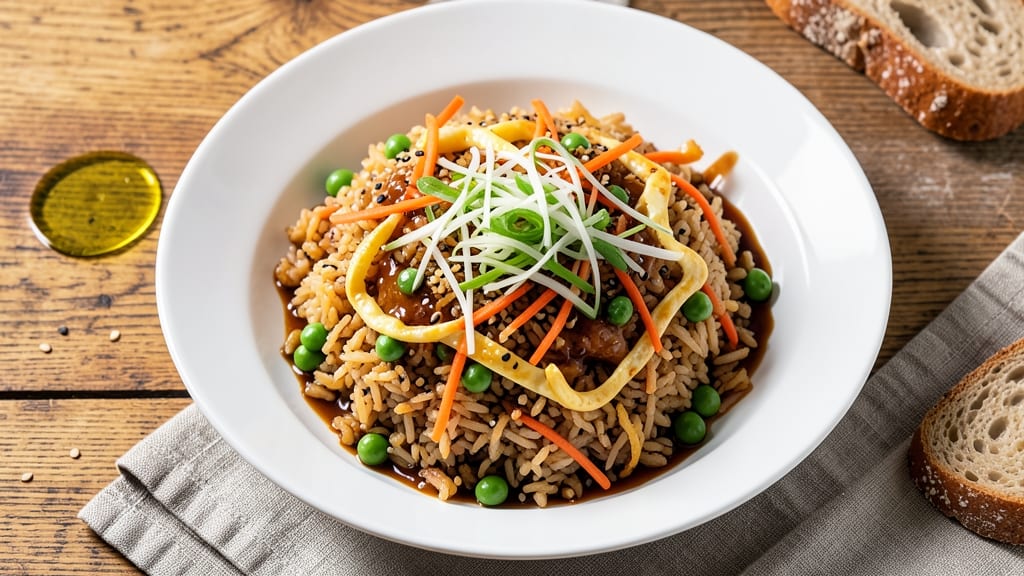
Bonchon-style fried rice delivers restaurant-quality crispy egg bits and savory soy-garlic flavors you won’t find in basic recipes. This dish transforms simple ingredients into a textured masterpiece—crunchy fried rice, tender egg curds, and umami-packed seasoning that balances perfectly.
The secret lies in high-heat stir-frying and precise timing to lock in those signature textures.
What sets this recipe apart is the layered flavor profile: a deep soy-garlic base, subtle sweetness, and a touch of sesame that ties everything together. Unlike generic fried rice, Bonchon’s version prioritizes crispy edges on the rice and egg while keeping the centers tender.
With just 15 minutes of active cooking, you’ll achieve restaurant-quality results that taste like a trip to Korea—no shortcuts, just technique.
Ingredients for bonchon fried rice
Crispy egg bits and savory soy-garlic flavors transform simple ingredients into restaurant-quality fried rice.
| Ingredient | Amount | Notes |
|---|---|---|
| Day-Old Cooked White Rice 🍚 | 4 cups | Cold, day-old preferred for texture |
| Large Eggs 🥚 | 4 whole | Room temperature for even cooking |
| Green Onions 🧅 | ½ cup | White and green parts separated |
| Carrots 🥕 | 1 cup | Finely diced, small pieces |
| Frozen Peas 🌱 | ½ cup | Thawed, no need to drain |
| Soy Sauce 🍶 | ½ cup | Light or all-purpose variety |
| Sesame Oil 🫒 | 1 tbsp | Toasted sesame oil preferred |
| Vegetable Oil 🫒 | 3 tbsp | High smoke point recommended |
| Minced Garlic 🧄 | 4 cloves | Freshly minced for aroma |
| Sesame Seeds 🌾 | 1 tbsp | Toasted lightly before adding |
| White Sugar 🍚 | 1 tbsp | Adjust to taste for sweetness |
| Kosher Salt 🧂 | 1 tsp | Diamond Crystal preferred |
| Black Pepper 🌶️ | ½ tsp | Freshly ground for best flavor |
| Butter 🧈 | 2 tbsp | Unsalted, for richness |
The rice is non-negotiable—day-old, cold rice achieves that signature Bonchon texture. Lundberg Farms or Jasmine rice work best, but any long-grain will do. The eggs? Room temperature is key for those perfect, tender curds. Use large eggs for the right size of crispy bits. For the soy sauce, Kikkoman or Lee Kum Kee deliver that authentic umami punch. The carrots and peas should be prepped uniformly—small, even pieces cook faster and stay crisp. Green onions add freshness, so don't skip the white parts—they pack flavor.
No sesame oil? Toasted peanut oil works in a pinch, though the flavor will differ slightly. Substituting frozen peas for fresh? Thaw and drain thoroughly to avoid a watery rice. For extra crispiness, double the butter**—it creates a flavorful crust. The sugar might seem odd, but it balances the soy's saltiness beautifully. Need more heat? Add a pinch of gochugaru (Korean chili flakes) with the black pepper. The garlic should be freshly minced—jarred garlic lacks the aromatic punch. If you're short on time, microwave the butter 40 seconds** to just melt it before adding to the wok.
Rice reheats beautifully—5 minutes in the microwave with a splash of water restores texture. Store leftovers in an airtight container for 3-4 days in the fridge, or freeze for up to 3 months. For extra crispy egg bits, separate the whites and yolks—cook whites first until set, then add yolks for a runny center. This technique mimics Bonchon's signature presentation. The sesame seeds should be toasted in a dry pan for 30 seconds before adding to the rice—this intensifies their nutty aroma. Portion into containers with a sprinkle of sesame seeds on top for that restaurant touch.
Why You'll Love This Recipe
- One-Pan Magic: The second you slide that wok into the heat, you’re already halfway done. No chopping boards cluttering the counter—just toss in diced carrots, frozen peas, and day-old rice, then let the egg sizzle right into the mix. Honestly, I’ve made this while keeping an eye on the kids’ soccer practice.
- Crispy-Creamy Egg: That runny yolk breaking into the rice? It’s the star. The eggs get that perfect golden crust while staying creamy inside, and the green onions add a bright cut that makes every bite feel like a little celebration. (Yes, even on a Tuesday night.)
- Leftovers That Don’t Suck: This rice actually improves the next day—crispier edges, flavors melded together. I portion it into containers right after cooking, and by Thursday, it’s still the easiest lunch to throw together. No sad, soggy takeout here.
- Budget Meal for Crowds: A few eggs, a bag of frozen peas, and whatever veggies you have on hand—this feeds four for under $8. My college buddies used to call it “the poor man’s feast,” but between us, it’s still my go-to for game nights or when friends drop by unannounced.
Step-by-step instructions for Bonchon-style fried rice
Master the secret to Bonchon's signature texture—crispy egg bits and perfectly seasoned rice.
Prepare the Egg Mixture for Crispy Bits
Crack the 4 whole large eggs into a bowl and whisk vigorously until the yolks and whites are completely combined. I like to use a fork first to break up the yolks, then switch to a whisk for about 30 seconds—this creates tiny air pockets that will give you those signature crispy egg bits.
Add 1 tablespoon white sugar and ½ teaspoon black pepper to the egg mixture. The sugar helps caramelize the edges of the egg bits, while the pepper adds depth of flavor. Let the mixture sit at room temperature for 5 minutes while you prepare the rest of your ingredients—this ensures even cooking when you scramble them later.
Sear the Eggs for Perfect Texture
Heat 2 tablespoons butter in a 14-inch wok or large skillet over medium-high heat until it foams but doesn't brown. Pour in the egg mixture and let it sit undisturbed for 10-15 seconds—this allows the bottom to set slightly before you begin stirring.
Using a spatula, gently push the eggs from the edges toward the center, creating small curds. Continue this motion for about 30 seconds until the eggs are soft but slightly set with visible crispy edges. Remove the eggs from the wok and set aside—you'll add them back later. The residual heat will keep them warm while you cook the rice.
Stir-Fry Vegetables in High Heat
In the same wok, add 3 tablespoons vegetable oil and increase heat to high. Add the 1 cup finely diced carrots and stir-fry for 2 minutes until they begin to soften slightly but still retain a bit of crunch. Add the 4 cloves minced garlic and cook for an additional 30 seconds until fragrant.
Toss in the ½ cup thawed frozen peas and ½ cup green onions (white parts only). Stir-fry for another 1 minute until the peas are heated through. Remove the vegetables from the wok and set them aside with the eggs. The high heat ensures they stay hot while you prepare the rice base.
Cook the Rice with Soy-Garlic Sauce
Return the wok to high heat and add the 4 cups day-old cooked white rice. Break up any clumps with your spatula and spread the rice evenly in the wok. Let it cook undisturbed for 1 minute to dry out slightly—this prevents a mushy texture.
Pour in the ½ cup soy sauce and 1 tablespoon sesame oil. Stir constantly for 2 minutes until the rice is evenly coated and the soy sauce begins to caramelize slightly. Add the 1 tablespoon white sugar and 1 teaspoon kosher salt, mixing well. The rice should be glossy and well-seasoned, with a slight sheen from the sauce.
Combine and Finish with Sesame Seeds
Return the eggs and vegetables to the wok, spreading them evenly over the rice. Stir everything together for 1-2 minutes until the rice is heated through and the egg bits are evenly distributed. The residual heat from the wok will help crisp up the egg edges again.
Remove from heat and immediately sprinkle with the ½ teaspoon black pepper and 1 tablespoon sesame seeds. Toss one final time to coat everything evenly. Serve immediately while the egg bits are still crispy and the rice maintains its texture. The contrast of warm rice, crispy egg bits, and tender vegetables makes this dish truly special.
Pro Tips For Making Bonchon Fried Rice
- Scatter, Don’t Stack, the Rice: Break up your day-old rice into individual grains before tossing it in—no clumps. I used to just dump it straight from the fridge, and half the batch would stay stuck together. A quick flick of the wrist with a spatula (or your fingers) while heating the oil ensures even cooking and that signature Bonchon texture.
- Prep Carrots Like a Pro: Thinly slice carrots on the bias (diagonal cut) and soak them in cold water for 10 minutes before cooking. The soak removes excess starch, so they stay crisp instead of turning mushy. Skip this, and you’ll end up with sad, limp orange bits—trust me, it’s worse than you think.
- Eggs First, Then Everything: Push the scrambled eggs to one side of the wok before adding the rest of the ingredients. This keeps them creamy and warm while the rice and veggies cook. I learned this the hard way when my eggs turned rubbery from sitting too long in the mix—now I always prioritize them.
- Use Frozen Peas Straight: Toss in the frozen peas raw at the very end—they’ll thaw and soften instantly from the residual heat. No need to pre-thaw or boil them first. My grandmother swore by this, and she was right: they stay bright green and add that perfect pop of texture without turning to mush.
Pro cooking tips for great bonchon fried rice
High-Heat Wok Mastery
Bonchon fried rice demands high, consistent heat—your wok should be screaming hot before adding oil. I crank my burner to high and let it sit for 2 minutes before testing with a drop of water (it should sizzle violently).
A carbon steel wok like Mauviel or De Buyer conducts heat perfectly, but a heavy stainless steel skillet works too. If your pan isn't hot enough, the eggs will turn rubbery and the rice will steam instead of crisp. 🔥
Egg Texture Secrets
The magic of Bonchon's crispy egg bits comes from two key moves: first, letting the eggs sit undisturbed for 10-15 seconds after pouring into the pan (this creates a thin crust), and second, stirring in small, deliberate motions to form pencil-sized curds.
I use a heat-resistant silicone spatula—it won't scratch your wok. For extra crunch, add 1 tsp cornstarch to the egg mixture before cooking. The starch helps the edges caramelize faster.
Soy Sauce Timing
Add the soy sauce only after the rice has had 1 minute to dry out—this prevents a mushy texture. Stir constantly for 2 full minutes until the sauce caramelizes slightly and coats each grain.
If your rice sticks, it means the pan wasn't hot enough or the rice had too much moisture. Pro tip: Taste the rice before adding salt—sometimes the soy sauce is already salty enough, and you'll only need ½ tsp kosher salt instead of the full amount.
Vegetable Prep Matters
Uniformly sized veggies cook evenly and stay crisp. Dice carrots into ¼-inch pieces and blanch peas for 30 seconds before adding to the wok—this jumpstarts their cooking time. The white parts of green onions add 30% more flavor than just the greens, so don't skip them.
For extra authenticity, add ½ tsp gochugaru (Korean chili flakes) with the black pepper—it adds a subtle heat that balances the richness. 🌶️
Sesame Oil Finish
The sesame oil should be added after the soy sauce, not before—this prevents it from burning. Toss it in during the final 30 seconds of cooking so it infuses without overpowering.
For maximum aroma, toast sesame seeds in a dry pan for 30 seconds until golden, then sprinkle them on top right before serving. This step makes the difference between homemade and restaurant-quality fried rice.
I like to finish with a light drizzle of toasted sesame oil over each serving for extra depth.
One-Pan Efficiency
Work in one wok the entire time—transferring between pans drops the temperature and ruins the texture. Keep eggs and veggies warm in the same pan while you cook the rice base.
If your wok isn't large enough (like a 12-inch skillet), cook the rice in batches and combine at the end. For extra crispy edges, spread the rice in a single even layer before adding sauce—this ensures maximum contact with the hot surface. 💡
Nutrition facts
Frequently asked questions
Why does Bonchon fried rice have crispy egg bits?
The secret lies in high-heat searing and precise timing. Let the eggs sit undisturbed for 10-15 seconds after pouring into the pan to form a thin crust, then stir gently to create pencil-sized curds. The residual heat keeps them crispy when mixed back with the rice.
Can I use fresh rice instead of day-old?
Fresh rice is too moist and will turn mushy when stir-fried. Always use day-old, cold rice—it absorbs flavors better and achieves that signature Bonchon texture. If needed, spread freshly cooked rice on a tray and refrigerate for 1 hour before using.
What if my fried rice turns out too salty?
Taste the rice before adding salt—sometimes the soy sauce is already salty enough. If it's too strong, balance it with 1 teaspoon sugar or ½ cup warm water to dilute the sauce. For extra flavor, add 1 tablespoon toasted sesame oil at the end.
How do I make it extra crispy like Bonchon's?
Use high heat and spread the rice in a single even layer before adding sauce. For eggs, add 1 teaspoon cornstarch to the mixture before cooking. Also, work in one wok the entire time—transferring between pans ruins the texture.
Can I add protein like chicken or shrimp?
Cook ½ pound chicken breast or ½ pound shrimp separately in the wok before adding rice. Slice chicken into ¼-inch strips and season with ½ teaspoon soy sauce and ¼ teaspoon black pepper before stir-frying for 3-4 minutes** until fully cooked.