
Main Courses
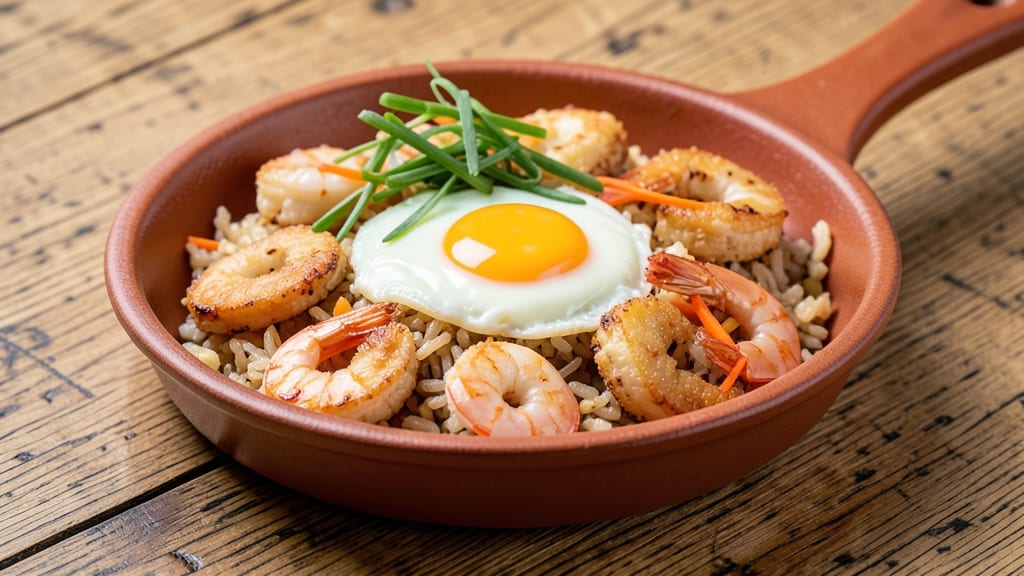
This bonsai fried rice recipe transforms a classic into delicate, restaurant-worthy bites that pack maximum flavor into tiny portions. The secret lies in precise portioning—using a small scoop or cookie cutter to create uniform, bite-sized pieces that hold their shape while delivering that signature wok-hei aroma.
Every ingredient matters here: day-old rice, high-heat stir-frying, and a balance of proteins and veggies that stay vibrant even in small servings.
What makes this recipe truly special is how it maintains the soul of traditional fried rice while adapting to modern presentation. The rice gets toasted in the wok until fragrant, then combined with proteins (like shrimp or chicken) and colorful vegetables in perfectly portioned mounds.
The result? Miniature masterpieces that are crisp at the edges, tender inside, and bursting with umami—ideal for parties, appetizers, or a visually stunning main course. Ready to turn your next meal into edible art?
Ingredients for bonsai fried rice
These ingredients transform ordinary fried rice into delicate, restaurant-quality miniature bites perfect for parties or appetizers.
| Ingredient | Amount | Notes |
|---|---|---|
| Day-Old Jasmine Rice 🍚 | 2 cups | Cooled completely before using |
| Large Eggs 🥚 | 3 whole | Beaten for egg wash |
| Shrimp, Peeled & Deveined 🦐 | 1 lb | Small size preferred, tails optional |
| Carrots 🥕 | ½ cup | Finely julienned or grated |
| Green Onions 🧅 | ¼ cup | White and green parts separated |
| Garlic Cloves 🧄 | 4 cloves | Minced for aromatic base |
| Sesame Oil 🫒 | 1 tbsp | Toasted for nutty aroma |
| Soy Sauce 🥢 | ½ cup | Light or all-purpose |
| Oyster Sauce 🍜 | 2 tbsp | For umami depth |
| Sesame Seeds 🌾 | 1 tbsp | Toasted for garnish |
| Vegetable Oil 🫒 | 2 tbsp | High smoke point |
| Diamond Crystal Kosher Salt 🧂 | ½ tsp | For seasoning |
| White Pepper 🌶️ | ¼ tsp | Freshly ground |
| Cookie Cutter or Small Scoop 🪴 | 1 piece | 3/4-inch diameter preferred |
The rice is the foundation—day-old jasmine rice yields the best texture, but basmati or short-grain rice works too. For shrimp, small size (16/20 count) holds its shape best during high-heat cooking. Whole Foods or Trader Joe's carry pre-peeled shrimp that saves time, but peeling yourself ensures uniform size for those perfect mini portions. The green onions should be separated—white parts caramelize beautifully, while green tops add vibrant color. Look for fresh, firm carrots with no soft spots, and store them in the fridge wrapped in a damp towel to maintain crispness. Sesame oil may be pricey, but Kadoya brand delivers the most authentic toasted aroma.
No shrimp? Chicken breast or firm tofu works equally well—just cut into small cubes. Substitute vegetable broth for soy sauce if avoiding sodium, though the umami will be subtler. Light soy sauce is preferred for its delicate flavor, but dark soy sauce adds color if you're serving these as a visual centerpiece. The cookie cutter can be any size, but 3/4-inch diameter creates perfect bite-sized portions. For extra crispiness, flash-freeze the rice cubes for 10 minutes before stir-frying. And if you're short on time, pre-grated carrots (the good kind, not the canned) work in a pinch—just pat them dry thoroughly.
Store cooked bonsai rice in an airtight container with parchment paper between layers to prevent sticking. Keeps for 3-4 days in the fridge, though flavor peaks within the first 24 hours. For longer storage, freeze in a single layer on a tray, then transfer to a bag for up to 3 months. Reheat gently in a steamer or with a splash of water in the microwave. These make stunning appetizers—arrange on a platter with pickled ginger or chili oil drizzle for an elegant presentation. The shrimp version reheats best, while chicken or tofu-based bites hold up better to make-ahead prep.
Why You'll Love This Recipe
- One-Pan Magic: I swear by this—no chopping boards, no extra pans, just toss everything in one hot wok. The shrimp sizzles while the eggs scramble, and that day-old jasmine rice? It soaks up every bit of flavor like a sponge.
- Shrimp & Egg Bliss: That first bite of perfectly cooked shrimp with the eggs still runny in the center? It’s the kind of fried rice that makes you close your eyes. The green onions add this fresh, bright finish that cuts through the richness.
- Leftovers? Better Than Fresh: Between us, the second day is when this dish really shines. The rice gets even more fragrant, the shrimp stays tender, and I’ve reheated portions for lunch all week without a single complaint.
- Budget Breakfast for Dinner: I keep a bag of jasmine rice and frozen shrimp on hand just for this—it’s my go-to when I’m tired but still want something special. Carrots add color, eggs add protein, and suddenly, dinner feels like a treat.
Step-by-step instructions for miniature bonsai fried rice
Transform day-old rice into delicate, flavor-packed bonsai bites with precise technique and bold seasoning.
Prepare the Rice and Shape the Bonsai Bites
Spread the 2 cups day-old jasmine rice on a clean surface and gently fluff with your fingers to separate the grains. This prevents clumping in your mini portions. Using the cookie cutter or small scoop, press firmly to create 3/4-inch diameter rice patties—you should get about 16-20 pieces. Place them on a parchment-lined tray and refrigerate for 15 minutes to firm up slightly. This chilling step ensures they hold their shape during frying.
I like to work in batches here—shape half the rice, chill it, then repeat with the rest. The cold rice forms tighter patties that won't disintegrate when you add the egg wash later. If your rice feels too dry, lightly mist it with 1 teaspoon water before shaping, but don't overdo it or your bonsai will fall apart.
Create the Egg Wash and Prep the Shrimp
In a shallow bowl, beat the 3 whole large eggs until just combined but still slightly thick. Add 0.5 teaspoon diamond crystal kosher salt and 0.25 teaspoon white pepper, whisking until evenly distributed. This egg wash will create a delicate, golden crust on your fried rice bites.
While the eggs rest, prepare the shrimp by patting them dry with paper towels. In a small bowl, toss the 1 lb shrimp with 0.25 cup finely julienned carrots, 0.25 cup chopped green onions (white parts only), and 4 minced garlic cloves. This pre-mix ensures even distribution of vegetables and aromatics in every bite. Cover and set aside until ready to use.
Fry the Bonsai Bites to Golden Perfection
Heat 2 tablespoons vegetable oil in a non-stick skillet over medium-high heat until shimmering but not smoking. Working in batches to avoid crowding, dip each chilled rice patty into the egg wash, letting excess drip off, then carefully place in the skillet. Fry for 2-3 minutes per side until golden brown and crispy. Transfer to a paper towel-lined plate to drain.
In the same skillet, add the shrimp-vegetable mixture and cook over medium heat for 2-3 minutes until the shrimp turn opaque and the carrots soften slightly. The residual heat from the fried rice will help cook them through without overcooking. Season lightly with 0.25 cup soy sauce and 2 tablespoons oyster sauce, tossing to coat evenly.
Assemble and Finish with Flavor Layers
Return the fried rice bites to the skillet with the shrimp mixture. Gently toss everything together for 1-2 minutes until heated through and the sauces cling to the crispy exterior. The rice should be warm but still maintain its texture—overmixing will turn it mushy. Taste and adjust seasoning with additional soy sauce if needed.
For the final touch, transfer the bonsai bites to a serving plate. Drizzle with 1 tablespoon toasted sesame oil and sprinkle generously with 1 tablespoon toasted sesame seeds. The nutty aroma of the sesame oil and seeds will elevate the dish, adding both visual appeal and depth of flavor. Serve immediately while crispy, with extra green onion tops for garnish.
Pro Tips For Making Bonsai Fried Rice
- CRISP THE SHRIMP FIRST: I learned this the hard way—tossing raw shrimp into the rice pan just to "cook it all together" ends with rubbery, underdone shrimp. Sear them in a separate pan for 30 seconds per side until they turn opaque, then set aside. The extra effort guarantees they stay tender and sweet while the rice gets its moment to shine.
- BREAK EGGS INTO ICE WATER: This isn’t the prettiest method, but it’s the tastiest. Crack eggs into a bowl of ice water, then gently swirl to create soft curds. Drain and pat dry—this gives you silky, cloud-like egg bits that melt into the rice instead of turning into scrambled chunks. (Yes, even if you’re impatient like me.)
- CHOP CARROTS SMALLER THAN YOU THINK: I used to slice them like stir-fry strips, but that’s a mistake. For bonsai fried rice, dice carrots into 1/8-inch pieces—they’ll soften faster and blend seamlessly into the rice. If they’re too big, they’ll sit like awkward guests at a party, refusing to join the fun.
- USE DAY-OLD RICE—BUT FIX IT: Day-old rice is non-negotiable, but if yours is too dry, here’s the fix: Spritz it lightly with water (just a teaspoon or two), then let it sit for 5 minutes under a damp towel. This revives the texture without turning it mushy—your future self will thank you when the rice stays separate and fluffy.
Dietary considerations for this recipe
Gluten-Free Adaptations
This recipe naturally accommodates gluten-free diets since the core ingredients—rice, shrimp, and vegetables—are gluten-free. The key is ensuring your sauces and seasonings meet the standard. Use tamari instead of regular soy sauce (I recommend San-J brand tamari for authentic flavor), and check that your oyster sauce is certified gluten-free.
For extra umami without gluten, add 1 teaspoon gluten-free fish sauce to the shrimp mixture. 🌱
Vegetarian/Vegan Options
Swap shrimp for extra-firm tofu pressed for 30 minutes to remove excess water, then cubed into small pieces. Toss the tofu with 1 tablespoon cornstarch before frying to achieve a crispy texture. For protein, add 1 cup cooked edamame or chickpeas to the shrimp-vegetable mix.
Keep the egg wash optional—use aquafaba (chickpea brine) for a vegan alternative, whisked with ½ teaspoon turmeric for color. 🌿
Low-Sodium Adjustments
Reduce the ½ cup soy sauce to 2 tablespoons and replace the rest with ¼ cup low-sodium coconut aminos for a milder flavor. Skip the ½ teaspoon kosher salt in the egg wash, and use no-salt-added oyster sauce (like Lee Kum Kee Low Sodium).
Boost flavor with 1 teaspoon rice vinegar and ½ teaspoon white miso paste in the shrimp mixture. Taste as you go—these adjustments keep the dish flavorful without excess sodium. ❄️
Allergen-Friendly Swaps
For nut allergies, omit sesame oil and seeds—replace with toasted pumpkin seeds (pepitas) for crunch and garnish. If avoiding eggs, use aquafaba as mentioned earlier, or coat the rice patties in crushed cornflakes before frying for crispiness.
For seafood allergies, replace shrimp with chicken breast cut into small cubes, marinated in 1 tablespoon lime juice and 1 teaspoon smoked paprika for depth. Always double-check labels on sauces for hidden allergens. 🚫
Keto-Friendly Version
Replace the rice with cauliflower rice (fresh or frozen, thawed and squeezed dry). Use 2 cups cauliflower rice and follow the same shaping and frying process. For protein, stick with shrimp or chicken, but avoid soy sauce—use 2 tablespoons coconut aminos and 1 tablespoon fish sauce for flavor.
Garnish with sesame seeds (if no nut allergies) and a drizzle of toasted coconut oil instead of sesame oil. This version keeps carbs under 5g per serving while maintaining the bonsai aesthetic. 🥦
Nutrition facts
Frequently asked questions
Why does the recipe call for day-old rice instead of fresh?
Day-old rice works best because its slightly drier texture prevents clumping when shaped into mini portions. Fresh rice contains too much moisture, causing your bonsai bites to fall apart during frying. If you only have fresh rice, spread it on a tray and refrigerate uncovered for 1 hour to dry it out before shaping.
Can I make these without a cookie cutter?
Use a small 3/4-inch round cookie cutter, or improvise with a thimble, small cup, or even a spoon. For irregular shapes, try a small ice cube tray—press rice into each compartment, then pop out. The key is uniform size for even cooking.
How do I keep the shrimp from overcooking?
Cook shrimp over medium heat for just 2-3 minutes—they're done when opaque and slightly curled. The residual heat from the fried rice will finish cooking them during the final toss. For extra safety, use smaller shrimp (16/20 count) that cook faster. Overcooking turns them rubbery!
Can I make these ahead of time?
Yes, but with a twist! Fry the rice bites completely, then store them in a single layer on a tray. Once cooled, transfer to an airtight container with parchment between layers. Reheat in a 350°F oven for 5-7 minutes to restore crispiness. The shrimp should be added fresh for best texture.
What's the secret to crispy fried rice bites?
Three things: chilled rice patties (firm up before frying), medium-high heat (not too hot or they'll burn outside before cooking inside), and egg wash (creates a golden crust). Press the rice firmly when shaping—this prevents crumbling.