
Main Courses
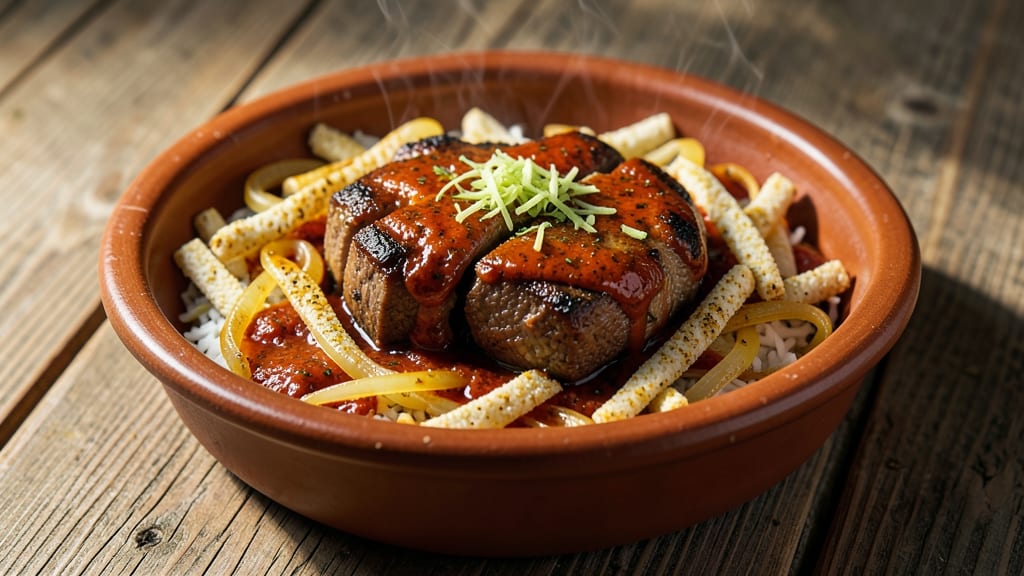
Boorelu recipe with rice flour transforms simple beef into a fragrant, spiced Ethiopian masterpiece where tender meat melts in every bite. This traditional dish relies on rice flour’s unique texture—absorbing spices and creating a delicate crust—that sets it apart from other stews. The secret lies in slow cooking with berbere spice, which builds deep, aromatic layers that make this more than just a meal. What you’ll achieve is perfectly tender beef infused with Ethiopian spices, served with fluffy rice flour-based boorelu that soaks up every flavorful drop. The rice flour’s subtle nuttiness complements the rich stew, creating a dish that’s both comforting and restaurant-worthy. Ready to bring Ethiopian flavors to your table?
Ingredients for boorelu recipe with rice flour
Ethiopian spices, tender beef, and rice flour create this fragrant, restaurant-worthy stew.
| Ingredient | Amount | Notes |
|---|---|---|
| Beef Chuck Roast 🥩 | 2 lb | Cut into 1-inch cubes |
| Rice Flour 🌾 | 1 cup | For boorelu base |
| Berbere Spice 🌶️ | 2 tbsp | Traditional Ethiopian blend |
| Fresh Ginger 🧅 | ½ cup | Finely grated, skin on |
| Yellow Onions 🧅 | 2 whole | Chopped, medium size |
| Garlic Cloves 🧄 | 8 cloves | Minced, fresh preferred |
| Tomato Paste 🍅 | ½ cup | High-quality, no sugar added |
| Vegetable Oil 🫒 | ½ cup | For sautéing |
| Water 💧 | 4 cups | For cooking boorelu |
| Salt 🧂 | 1 ½ tsp | Diamond Crystal preferred |
| Ground Black Pepper 🌶️ | ½ tsp | Freshly ground |
| Cardamom Pods 🍃 | 4 whole | Lightly crushed |
| Cinnamon Sticks 🌿 | 2 whole | For aroma |
| Bay Leaves 🍃 | 2 whole | For depth |
The beef is the star—chuck roast holds up best to slow cooking, giving you that melt-in-your-mouth texture. Look for good marbling at Whole Foods or your local butcher shop. If you're buying a whole roast, ask for it to be cut into 1-inch cubes for you. The rice flour? Bob's Red Mill is my go-to brand—it's finely milled and gives that perfect boorelu texture. For berbere spice, Ethiopian Epicure online or specialty markets carry the real deal. If you can't find it, a mix of paprika, cayenne, fenugreek, and coriander gets you close.
No berbere? Mix 1 tbsp paprika, 1 tsp cayenne, 1 tsp ground coriander, and ½ tsp fenugreek. Fresh ginger is non-negotiable here—dried won't give that bright, zesty kick. The tomato paste can be the squeeze-tube kind from Trader Joe's for convenience. Cardamom and cinnamon are optional but add serious depth. If you're missing one, don't skip it—just use half the amount of the other spices to keep balance. For the onions, yellow or red both work, but yellow has a touch more sweetness that pairs perfectly with the berbere.
This stew tastes even better the next day as flavors meld. Store in an airtight container in the fridge for up to 5 days. For longer storage, freeze portions for 3 months. I like to make a double batch—one for dinner, one for lunches. The boorelu thickens as it cools, so you might need to add a splash of water when reheating. Serve with injera or crusty bread to soak up every last bit of that spiced goodness.
Why You'll Love This Recipe
- I swear by this trick: the rice flour thickens the sauce without a separate roux or constant stirring. Toss everything in one pot, walk away for 20 minutes, and boom—rich, velvety boorelu that clings to every bite of beef.
- One-Pot Magic: I swear by this trick: the rice flour thickens the sauce without a separate roux or constant stirring. Toss everything in one pot, walk away for 20 minutes, and boom—rich, velvety boorelu that clings to every bite of beef.
- Berbere Bomb: That spice blend isn’t just "flavor"—it’s the star. The ginger and onions caramelize into something deep and smoky, while the berbere adds a slow-building heat that lingers. Honestly, I’ve made it without the spice, and it’s just… sad.
- Leftover Goldmine: This beef stays ridiculously tender for days, so I double the batch and freeze half. Reheat with a splash of water, and it’s like it was just made—no dry, chewy beef here. My lunchbox’s new best friend.
Step-by-step instructions for Ethiopian spiced stew with rice flour base
Here's how to craft a rich, aromatic boorelu where the beef becomes fork-tender and the rice flour thickens into a velvety sauce.
Sear the Beef for Deep Flavor
Heat the 0.5 cup vegetable oil in a heavy-bottomed pot over medium-high heat until shimmering. Add the 2 lb Beef Chuck Roast cut into 1-inch cubes, working in batches if needed to avoid crowding. Let each piece sear for 2-3 minutes per side until developing a deep mahogany crust. This step builds the foundation for the stew's complex flavor profile.
Once all beef is browned, remove it from the pot and set aside. You'll notice the oil will darken slightly from the caramelized meat—this is pure flavor you don't want to lose. The beef should release easily from the pot when ready to flip, indicating proper doneness at this stage.
Build the Spice Base with Rice Flour
In the same pot, reduce heat to medium and add the 2 whole Yellow Onions and 0.5 cup Fresh Ginger. Sauté for 5 minutes until softened and fragrant. Add the 8 cloves Garlic Cloves and cook for 30 seconds until aromatic—don't let it burn, as this will make the sauce bitter.
Stir in the 1 cup Rice Flour and cook for 1 minute to toast the flour slightly. This step prevents a raw flour taste in your final sauce. Immediately add the 2 tbsp Berbere Spice, 0.5 cup Tomato Paste, 1.5 tsp Salt, 0.5 tsp Ground Black Pepper, 4 whole Cardamom Pods, 2 whole Cinnamon Sticks, and 2 whole Bay Leaves. Stir vigorously for 2 minutes to bloom all the spices and create a fragrant paste.
Simmer the Beef in Flavorful Broth
Return the seared beef to the pot and pour in 4 cups Water. Bring to a gentle boil, then reduce heat to low and cover partially. Let it simmer for 2 hours, stirring occasionally. The rice flour will gradually thicken the sauce while the beef becomes fork-tender. You'll know it's ready when the beef easily pulls apart with a fork and the sauce coats the back of a spoon.
Here's the thing—don't rush this step. The slow simmer allows all the spices to meld together, creating that signature Ethiopian depth. If the sauce reduces too much before the beef is tender, add ½ cup Water at a time to maintain the proper consistency. The stew should be thick enough to coat the beef but still pourable.
Finish and Adjust Seasoning
Once the beef is tender, remove the cardamom pods, cinnamon sticks, and bay leaves—they've done their job and can be discarded. Taste the sauce and adjust seasoning if needed. The berbere spice is quite complex, so you might need to add a pinch more salt or pepper to balance the flavors.
For the perfect finish, let the stew sit off the heat for 10 minutes before serving. This resting period allows the flavors to truly meld together. Serve immediately with injera or steamed rice, and watch as everyone digs into this rich, spiced masterpiece. The beef should be so tender it practically melts in your mouth, while the sauce clings beautifully to each bite.
Pro Tips For Making Boorelu Recipe With Rice Flour
- Sear the Beef First: The rice flour coating won’t stick if you skip this step. Sear the chuck roast on high heat until deep brown—about 3-4 minutes per side—before adding berbere or onions. (Yes, it’ll look dry later, but that crust is what holds the sauce together.)
- Toast the Rice Flour: Don’t just dump it in cold. Heat your rice flour in a dry pan over medium-low for 2-3 minutes until it smells nutty and golden. This removes the raw starch taste and makes the coating crispier when fried. (I learned this the hard way—skipping it left me with a gluey mess.)
- Cook the Onions Slow: Low and slow is the only way. Sauté your yellow onions in oil for 15-20 minutes until they’re deep amber, almost caramelized, before adding ginger or berbere. Rushing this step means your sauce will taste raw and bitter instead of rich and layered.
- Use a Mixer for Berbere: Berbere spice blends can be gritty. Pulse it in a food processor with the onions and ginger for 10-15 seconds—just enough to break up the spices without turning it into paste. This ensures even distribution in the sauce without clumps. (Your future self will thank you when you’re not fishing out chunks.)
Perfect pairings for this recipe
Traditional Ethiopian Sides
No boorelu is complete without its classic Ethiopian companions. Serve with injera—Ethiopia's sourdough flatbread made from teff flour—which soaks up the rich sauce beautifully. I recommend Azuma Teff Flour from specialty stores for authentic injera.
Pair with gomen (collard greens cooked with garlic and oil) for a lighter contrast to the hearty beef. 🥖
Spiced Vegetable Medleys
Add spiced cabbage or carrot salad to brighten the meal. Toss ½ lb green cabbage with 1 tbsp olive oil, 1 tsp berbere, and ½ tsp ground cumin, then roast at 375°F for 20 minutes.
For carrots, julienne 4 medium carrots, sauté with 1 tbsp butter, 1 tsp honey, and a pinch of turmeric until tender-crisp. These veggies cut through the richness while complementing the stew's bold flavors.
Fresh Herbed Yogurt Dip
A cooling spiced yogurt dip balances the heat. Mix 1 cup plain Greek yogurt with 1 tbsp fresh mint, 1 tsp grated ginger, ½ tsp salt, and ¼ tsp cayenne.
Serve chilled in small bowls for scooping with injera or as a palate cleanser between bites. I love adding a drizzle of olive oil and a sprinkle of sumac for extra tang. 🥄
Warm Flatbread Variations
If injera isn't available, try Ethiopian ful meda (spiced lentil flatbread) or naan brushed with garlic butter. For a quick version, use store-bought pita warmed in a 350°F oven for 5 minutes with a sprinkle of berbere and paprika.
The smoky, spiced bread adds another delicious layer to your meal.
Beverage Pairings
Ethiopian tej (honey wine) or spiced coffee (like buna) are traditional choices. For a modern twist, serve with a light lager—such as Ethiopian Stella—to cleanse the palate between bites.
Avoid heavy wines; their tannins clash with the stew's spices. A chilled sparkling water with lime also works beautifully for a refreshing contrast. 🍹
Sweet Endings
Conclude the meal with Ethiopian coffee ceremony treats like dabo kolo (honey-dipped bread) or banana fritters. For simplicity, serve spiced dates stuffed with almonds or a cardamom-infused rice pudding. These sweet finishes echo the warm spices in the boorelu while providing a satisfying conclusion. 🍯
Nutrition facts
Frequently asked questions
Can I substitute rice flour with another flour?
While rice flour is key for authentic boorelu texture, you can use all-purpose flour in a pinch—but expect a denser result. For a closer match, blend ½ cup rice flour + ½ cup all-purpose flour. The rice flour creates that signature velvety consistency that soaks up flavors beautifully.
How do I adjust the spice level for sensitive eaters?
Start with 1 tbsp berbere instead of 2 tbsp and reduce cayenne to ½ tsp. For extra mildness, add 1 tsp honey or sugar at the end to balance heat. The spices develop more depth over time, so taste as you go and adjust gradually.
Can I make boorelu with chicken or lamb instead of beef?
For chicken, use 2 lbs bone-in thighs (they stay juicier) and reduce simmer time to 45 minutes. Lamb works well too—use 2 lbs shoulder and simmer for 2 hours. The rice flour base remains the same, but adjust meat type based on your preferred texture.
Why did my sauce turn out too thick?
This happens when the rice flour absorbs too much liquid. If your sauce is too thick, stir in 2-3 tbsp water at a time until you reach a pourable consistency. For future batches, start with 3 cups water instead of 4 cups and add more as needed during simmering. The sauce should coat the beef but still be spoonable.
What's the best way to reheat leftover boorelu?
Gently reheat on low heat with 1-2 tbsp water to prevent drying. For best results, cover and warm for 10-15 minutes, stirring occasionally. Microwaving can make the sauce watery—avoid it if possible. Leftovers taste even better the next day as flavors deepen!