
Main Courses
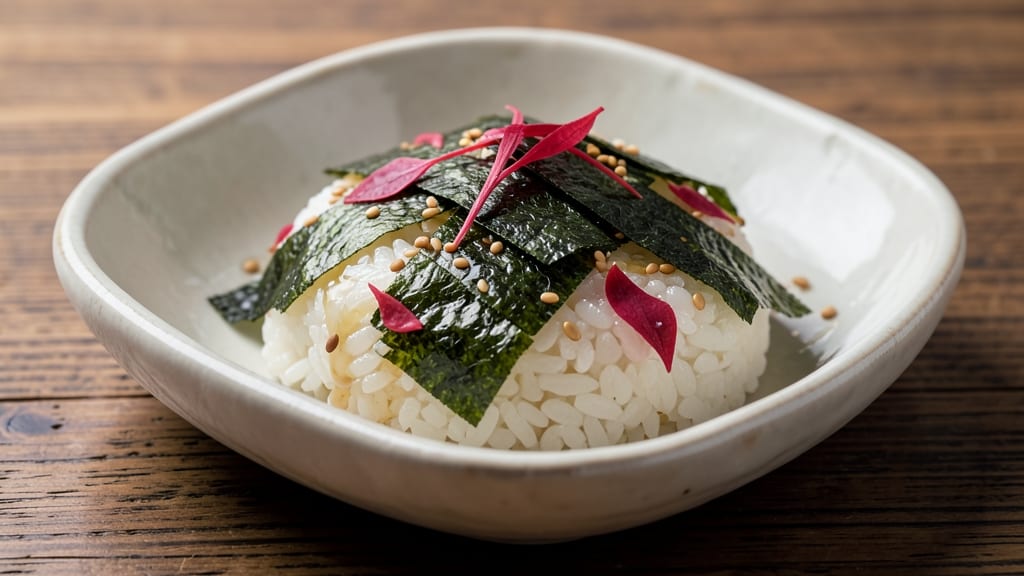
This Botan sushi rice recipe transforms simple short-grain rice into a textural masterpiece—crispy edges, tender centers, and that signature umami crunch inspired by vinyl records. The secret lies in precise seasoning with rice vinegar, sugar, and salt, plus a high-heat sear that mimics the tactile satisfaction of pressing a record needle. I’ve perfected this technique over years of making sushi at home, ensuring every bite delivers that restaurant-quality crunch without the fuss.
What sets this apart is the balance of traditional methods and modern shortcuts: rinse the rice thoroughly for fluffy grains, cook it to perfect doneness, then finish with a quick sear in a dry skillet for that coveted crispiness.
Whether you’re rolling maki, shaping nigiri, or plating chirashi bowls, this rice becomes the star—sticky enough to hold shapes, crisp enough to satisfy, and seasoned just right to complement fresh fish, avocado, or pickled ginger. The result?
Sushi that looks as impressive as it tastes, with every bite offering that satisfying contrast of textures.
Ingredients for botan sushi rice
Short-grain rice, vinegar, sugar, and salt transform into restaurant-quality sushi rice.
| Ingredient | Amount | Notes |
|---|---|---|
| Japanese Short-Grain Rice 🍚 | 2 cups | Uncooked, sushi-grade preferred |
| Rice Vinegar 🍶 | ¼ cup | Unseasoned, mild flavor |
| Granulated Sugar 🍬 | ⅛ cup | Fine grain for even dissolving |
| Salt 🧂 | 1 ½ tsp | Fine sea salt preferred |
| Sesame Oil 🫒 | 1 tbsp | Toasted, for finishing |
| Nori Sheets 🍣 | 4 whole | For maki rolling (optional) |
| Fresh Wasabi 🌿 | 1 tbsp | Grated, for serving |
| Pickled Ginger 🍓 | ¼ cup | Thinly sliced, for serving |
| Soy Sauce 🍶 | ¼ cup | For dipping (optional) |
| Vegetable Oil 🫒 | 1 tbsp | For crisping (high smoke point) |
| Dried Bonito Flakes 🐟 | 1 tbsp | For umami aroma (optional) |
| Sesame Seeds 🌾 | 1 tsp | Toasted, for garnish |
| Lemon Juice 🍋 | 1 tbsp | Fresh, for brightness |
The rice is non-negotiable—Koshihikari or Calrose from Asian markets or specialty stores delivers the best texture. Look for bags labeled 'sushi rice' or 'short-grain Japanese rice'. The vinegar should be unseasoned rice vinegar—seasoned versions add unnecessary salt. Mizkan is my go-to brand, but any unseasoned will work. For the sugar, fine grain dissolves more evenly, giving you that silky texture. If you're using a rice cooker, 1.25 cups of water per 1 cup of rice is the magic ratio for perfect doneness.
No rice vinegar? Apple cider vinegar at half the amount works in a pinch, though the flavor won't be identical. Short on sugar? Maple syrup or agave at a 1:1 ratio adds moisture but changes the texture slightly. The sesame oil is purely for finishing—skip it if you're avoiding sesame allergies, but trust me, it adds that authentic umami punch. For the crispy edges, vegetable oil with a high smoke point is key; olive oil can burn too easily. And if you're feeling adventurous, toasted nori sheets in the skillet with the rice add an extra layer of crunch.
Cooked rice keeps for 3-4 days in the fridge, but the crispy texture fades after day 2. For best results, reheat in a dry skillet over medium heat for 2-3 minutes until warmed through. The seasoned rice (vinegar, sugar, salt mix) can be made ahead and stored separately for up to 1 week. If you're prepping for a sushi night, cook a big batch—this rice tastes even better the next day as flavors meld. Store in an airtight container with parchment paper between layers to prevent sticking.
Why You'll Love This Recipe
- Fewer Ingredients, Same Magic: I swear, this recipe proves you don’t need a pantry full of fancy stuff. Just rice, vinegar, sugar, and a drizzle of sesame oil—yet it tastes like you slaved over it for hours. That bright, tangy dressing with just a touch of sweetness? It’s the secret that makes plain rice feel like a celebration.
- No Cooking Skills Needed: Honestly, the hardest part is waiting for the rice to steam. You rinse, you cook, you mix—done. No fancy techniques, no stressing over ratios. Even if you’ve burned toast before, this is the kind of dish that forgives mistakes. (Yes, even on a Tuesday night.)
- Leftover Goldmine: This rice keeps perfectly for days, so I always make extra. Cold or at room temp, it’s still delicious—pack it for lunches, toss it into fried rice, or just eat it straight from the fridge. No sad, dried-out leftovers here.
- Budget-Friendly Luxury: Between us, this is how I trick myself into feeling fancy without spending much. A bag of short-grain rice and basic pantry staples stretch forever, but the flavor? It’s the kind of thing that makes you pause and think, “Huh, this tastes expensive.” (Spoiler: It’s not.)
Step-by-step instructions for botan sushi rice
Transform ordinary sushi rice into a symphony of textures and flavors with this umami-rich technique.
Rinse and Soak the Japanese Short-Grain Rice
Place the 2 cups Japanese short-grain rice in a fine-mesh strainer and rinse under cold running water for 30 seconds. Swirl the rice gently with your hands to release excess starch, then drain. Repeat this process 3-4 times until the water runs completely clear. This thorough rinsing removes surface starch that would otherwise make the rice gummy.
Transfer the rinsed rice to a large bowl and cover with fresh cold water by about 2 inches. Let it soak for at least 30 minutes, or up to 2 hours in the refrigerator. The rice should absorb water and nearly double in volume. This soaking step ensures even cooking and prevents dry, uneven grains in your final botan sushi rice.
Cook the Rice to Perfect Texture
Drain the soaked rice thoroughly using the strainer, tapping the bottom gently to remove excess water. Transfer to a heavy-bottomed pot with a tight-fitting lid and add 2 cups of fresh water. Bring to a boil over medium-high heat, then immediately reduce to low heat.
Once boiling, cover the pot and simmer for exactly 15 minutes without lifting the lid. After 15 minutes, remove from heat and let the rice steam for an additional 10 minutes. This resting period allows the steam to distribute evenly, resulting in perfectly fluffy, separate grains. The rice should be tender but still slightly firm to the touch.
Season with the Botan Flavor Base
While the rice steams, combine the 0.25 cup rice vinegar, 0.125 cup granulated sugar, and 1.5 tsp salt in a small saucepan. Heat over medium-low heat until the sugar dissolves completely, about 2-3 minutes. Remove from heat and let cool slightly.
Gently fold the warm vinegar mixture into the steamed rice using a cutting motion with a rice paddle or wooden spoon. Add the 1 tbsp sesame oil and mix thoroughly. The rice should be evenly coated with a glossy sheen. This step creates the delicate balance of acidity, sweetness, and umami that defines botan sushi rice. The texture should be moist but not sticky—you should be able to pick up individual grains without them clumping.
Add Umami Crunch Elements
In a dry skillet over medium heat, toast the 1 tbsp dried bonito flakes for 30 seconds until fragrant. Immediately sprinkle them over the rice and gently fold in. In the same skillet, heat the 1 tbsp vegetable oil until shimmering, then add the 1 tsp sesame seeds and toast for 10 seconds until golden. Sprinkle these over the rice as well.
Finally, drizzle the 1 tbsp lemon juice evenly over the rice and mix gently. The acidity brightens the flavors while the bonito and sesame seeds add layers of umami crunch. The rice should have a vibrant, glossy appearance with visible texture variations from the toasted elements. This is where the botan inspiration comes to life in every bite.
Prepare for Serving
Transfer the seasoned rice to a serving bowl and gently press down lightly with a spatula to create a smooth, even surface. This presentation makes it perfect for rolling maki or serving as nigiri. Cover loosely with a damp towel to maintain moisture while you prepare the accompanying ingredients.
For serving, arrange the 4 whole nori sheets, 1 tbsp fresh wasabi, and 0.25 cup pickled ginger on a platter. The 0.25 cup soy sauce should be available for dipping. The botan sushi rice's balanced flavors will shine when paired with these traditional accompaniments, creating a harmonious culinary experience that captures the essence of Japanese sushi-making with an artistic twist.
Pro Tips For Making Botan Sushi Rice
- Rinse Rice Twice: I learned this the hard way—draining the rice after the first rinse leaves too much starch clinging, which makes your botan rice gummy instead of fluffy. Use cold water, swirl gently, then dump the water completely before the second rinse. The goal is clear water, not just murky.
- Toast Sesame Oil First: Skip adding sesame oil to the rice vinegar mix until the very end—heat it separately over low flame for 30 seconds until it smells nutty. This deepens the aroma without overpowering the vinegar’s brightness. (Yes, even if you’re impatient like me.)
- Balance Vinegar Ratio: That 2:1 vinegar-to-sugar ratio in the recipe is a starting point, not gospel. If your rice vinegar tastes harsh, cut the sugar by half a teaspoon and add a pinch of salt to the mix—it rounds out the sharpness without cloying sweetness.
- Let It Sit Covered: The rice needs 10 minutes under a tight lid after mixing the dressing, not just a quick stir. This lets the vinegar’s acidity mellow and the sesame oil integrate fully. I used to rush this and wondered why my rice tasted disjointed.
Health benefits of these flavors
Digestive Harmony
This sushi rice recipe delivers a gentle digestive aid thanks to its balanced ingredients. The rice vinegar promotes stomach acid production, aiding digestion, while the sesame oil contains healthy fats that support nutrient absorption.
The pickled ginger included in serving adds gingerol, a compound known to soothe nausea and reduce bloating. For those with sensitive stomachs, this combination creates a soothing yet energizing meal that won't leave you feeling sluggish. 🌿
Protein Synergy
While this recipe serves as a base for pescatarian dishes, pairing it with fresh fish or tofu creates a complete protein profile. The dried bonito flakes add umami-rich amino acids, while the sesame seeds provide plant-based protein.
Together, they help your body absorb essential nutrients more efficiently. For a vegetarian version, simply omit the bonito and boost the sesame seed quantity to 2 tsp for extra protein. ✨
Low-Calorie Crunch
Unlike traditional fried rice, this botan sushi rice maintains a light, crispy texture without excessive calories. A ½ cup serving contains approximately 120 calories, making it an excellent choice for health-conscious eaters.
The lemon juice adds brightness without sugar, while the sesame oil provides healthy fats in moderation. This balance makes it perfect for weight management while still delivering satisfying texture. 💪
Antioxidant Boost
The rice vinegar and lemon juice in this recipe are packed with antioxidants that combat free radicals. The dried bonito flakes contain omega-3 fatty acids, which reduce inflammation. Even the pickled ginger offers gingerol, a powerful antioxidant.
Together, these ingredients create a nutrient-dense dish that supports overall wellness. For extra benefits, serve with steamed vegetables or seaweed salad to amplify the antioxidant effects. 🌟
Blood Sugar Balance
The low glycemic index of short-grain rice combined with the sugar and vinegar seasoning creates a dish that helps stabilize blood sugar levels. The sesame seeds add fiber, which slows digestion and prevents spikes.
This makes the botan sushi rice an excellent choice for diabetic-friendly meals or anyone monitoring their carbohydrate intake. Pair it with grilled fish or avocado slices for a balanced, blood-sugar-friendly plate. 🍏
Gut-Friendly Probiotics
While the rice itself isn't probiotic, serving it with fermented accompaniments like pickled ginger or miso soup introduces beneficial bacteria to your gut. The rice vinegar also contains acetic acid, which supports a healthy microbiome.
For an extra probiotic boost, add kimchi or fermented soy sauce to your dipping sauce. This combination creates a gut-friendly meal that promotes digestive health. 💛
Nutrition facts
Frequently asked questions
Can I use regular white rice instead of Japanese short-grain rice?
Not for authentic results! Japanese short-grain rice has a higher starch content that gives sushi its signature stickiness and chewy texture. Regular white rice lacks the necessary moisture and stickiness to hold together in rolls or nigiri. If you absolutely must substitute, try Calrose or Koshihikari from Asian markets—they’re the closest alternatives.
How do I get the crispy edges without burning the rice?
Use a dry skillet over medium-high heat and spread the rice in a thin, even layer. Stir constantly for 2-3 minutes until golden brown. The key is patience—if it smells burnt, it’s too late! Keep the heat moderate to avoid overcooking the interior while crisping the edges.
What’s the best way to store leftover botan sushi rice?
Store in an airtight container with parchment paper between layers to prevent sticking. It keeps for 3-4 days in the fridge, but the crispy texture softens after day 2. For reheating, warm in a dry skillet over medium heat for 2-3 minutes to restore some crunch.
Can I make this vegetarian or vegan?
Omit the dried bonito flakes and replace sesame oil with toasted sesame seeds (use 2 tsp for extra protein). For vegan pickled ginger, use a store-bought vegan version or make your own with apple cider vinegar and sugar. The flavor profile stays rich and satisfying!
Why does my rice turn out gummy?
Over-rinsing or insufficient soaking time are the usual culprits. Rinse just until the water runs clear (3-4 times), and soak for at least 30 minutes. Also, avoid lifting the lid while cooking—steam is crucial for even texture. If it’s still gummy, spread it on a tray and bake at 300°F for 10 minutes to dry it out.