
Main Courses
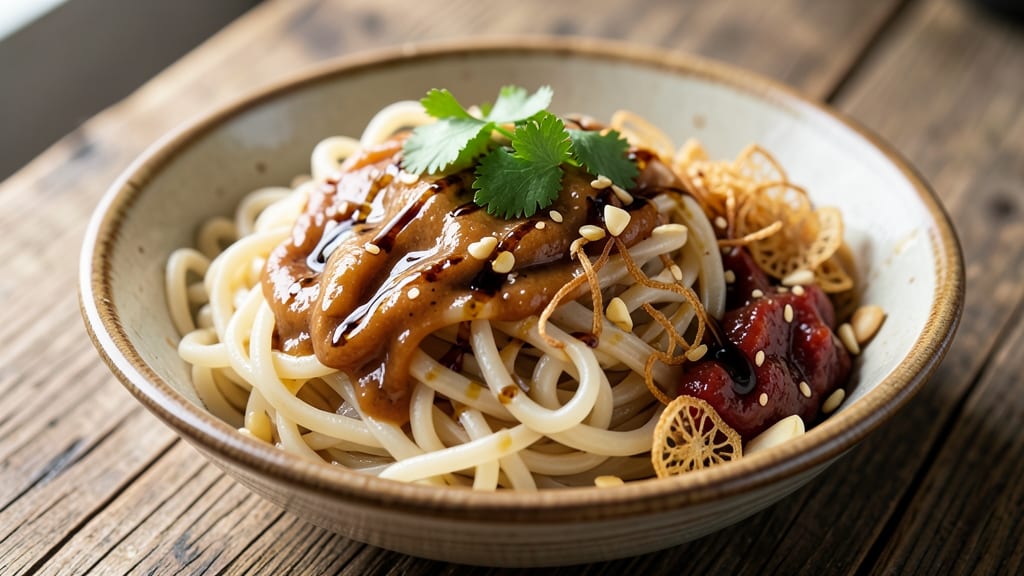
This broad rice noodle recipe delivers the perfect balance of chewy texture and bold flavors in just 20 minutes, making it an ideal weeknight dinner.
The secret lies in soaking the noodles properly and mastering a quick stir-fry technique that brings out their natural silkiness while keeping them from turning mushy. Whether you're craving a classic Pad Thai or a lighter vegetable stir-fry, this method ensures every bite is slurp-worthy and packed with umami-rich goodness.
With a simple peanut-tamarind sauce or a zesty lime-chili dressing, you can customize this dish to suit any taste—spicy, tangy, or nutty. The key is balancing the flavors: a touch of sweetness from the sauce, a hint of heat, and the satisfying chew of perfectly cooked noodles.
This recipe is designed to be adaptable, so you can swap in shrimp, chicken, tofu, or even just extra veggies for a vegetarian twist. Ready to transform simple ingredients into a restaurant-quality meal?
Ingredients for broad rice noodle
These fifteen ingredients transform into restaurant-quality broad rice noodles in minutes.
| Ingredient | Amount | Notes |
|---|---|---|
| Broad Rice Noodles 🍜 | 8 oz | Dried, flat rice noodles |
| Peanut Butter 🥜 | ¼ cup | Natural, unsweetened preferred |
| Tamarind Paste 🍈 | 2 tbsp | Or substitute lime juice |
| Soy Sauce 🍶 | 2 tbsp | Low-sodium preferred |
| Sesame Oil 🫒 | 1 tbsp | Toasted, for aroma |
| Garlic Cloves 🧄 | 4 cloves | Minced, fresh preferred |
| Fresh Ginger 🌿 | 1 tbsp | Grated, peeled |
| Firm Tofu 🥬 | 8 oz | Extra-firm, pressed |
| Red Bell Pepper 🍆 | 1 piece | Thinly sliced, any color |
| Carrot 🥕 | 1 whole | Julienned, medium size |
| Green Onions 🧅 | 3 whole | Thinly sliced, white and green |
| Vegetable Oil 🫒 | 2 tbsp | High smoke point |
| Lime Juice 🍋 | 1 tbsp | Freshly squeezed |
| Chili Flakes 🌶️ | ½ tsp | Adjust to taste |
| Sesame Seeds 🌱 | 1 tsp | Toasted, for garnish |
The broad rice noodles are the foundation—look for flat, medium-width strands at Asian markets or the international aisle. Thai Kitchen and Maesri are reliable brands, but any dried rice noodles will work. Soak them in hot water for exactly 5-7 minutes until pliable but still slightly firm—they'll cook further in the stir-fry. For the sauce, natural peanut butter without added sugar or oils ensures the best flavor balance, though creamy varieties work too. Tamarind paste can be found in the international section or online—if unavailable, lime juice plus 1 tsp maple syrup makes a decent substitute.
No tamarind? Substitute lime juice with a touch of sweetness—maple syrup or agave works best. The tofu should be extra-firm and pressed for 15 minutes to remove excess water, then cubed into even pieces for consistent cooking. Swapping in shrimp or chicken? Use 8 oz total and marinate briefly in soy sauce and lime. For extra umami, a splash of fish sauce (1 tsp) enhances the peanut-tamarind sauce, though it's optional for vegetarian versions. The red bell pepper and carrot add color and crunch—substitute with snap peas or broccoli florets if preferred, but keep the total vegetable volume similar.
Prep the vegetables first—they cook fastest. Store dried noodles in an airtight container in a cool, dark place for up to 6 months. Once cooked, the noodles can be refrigerated for 2 days or frozen for 3 months (thaw in cold water). The peanut sauce keeps for 1 week in the fridge, though it's best used fresh. Double the sauce recipe if you plan to use leftovers—it reheats beautifully with a splash of water or broth.
Why You'll Love This Recipe
- No-Soaking Needed: I keep a bag of broad rice noodles in my pantry—just toss them in hot water for 3 minutes, and they’re done. No waiting, no fuss, and they hold up perfectly in the tamarind-peanut sauce.
- Umami-Peanut Magic: That peanut butter isn’t just for spreading—it thickens the sauce into something rich and nutty, while the tamarind cuts through with tang. One bite and you’ll understand why this combo is dangerously addictive.
- Lunchbox Hero: Pack it cold or at room temp—it’s my go-to for picnics, office lunches, or even a quick school lunch. The noodles stay chewy, the sauce clings, and no one will guess it’s just five ingredients.
- Budget Stretch: A jar of peanut butter, a small bottle of tamarind, and a bag of noodles feed four for under $10. Leftovers? Even better—reheat with a splash of soy sauce, and it’s like eating it fresh. My wallet thanks me every time.
Step-by-step instructions for silky broad rice noodle stir-fry
Master this vibrant stir-fry with a perfect balance of textures and flavors in just 20 minutes.
Prepare the Noodles for Maximum Texture
Bring a large pot of water to a rolling boil. Add the 8 oz broad rice noodles and cook for 8-10 minutes until they're just tender but still retain a slight bite. You want them to be pliable but not mushy—think of al dente pasta. Drain immediately and rinse under cold water for 10 seconds to stop the cooking process. This quick rinse prevents the noodles from sticking together and keeps their delicate texture.
While the noodles cook, press the 8 oz firm tofu between two paper towels for 5 minutes to remove excess moisture. Cut it into ¼-inch thick slices—this size ensures even cooking and better texture contrast in the stir-fry. Keep both the noodles and tofu covered while you prepare the sauce components.
Create the Signature Peanut-Tamarind Sauce
In a small bowl, whisk together the 0.25 cup peanut butter, 2 tbsp tamarind paste, 2 tbsp soy sauce, and 1 tbsp sesame oil. The peanut butter should be completely smooth—if it's chunky, warm it slightly in the microwave for 10 seconds to make blending easier. Add 1 tbsp lime juice and 0.5 tsp chili flakes, then whisk vigorously until fully combined. This sauce is the heart of your dish, delivering that perfect balance of sweet, tangy, and spicy notes.
I like to taste the sauce at this stage—it should be thick but pourable, with a vibrant red hue from the tamarind. If it's too thick, add 1 teaspoon of water at a time until it reaches a smooth, coatable consistency. Set the sauce aside while you prepare the aromatics and vegetables.
Sauté Aromatics and Vegetables for Depth of Flavor
Heat 2 tbsp vegetable oil in a large wok or skillet over medium-high heat until shimmering. Add the 4 cloves minced garlic cloves and 1 tbsp grated fresh ginger—cook for 30 seconds until fragrant but not browned. This quick cooking preserves their bright flavors without bitterness.
Add the 1 piece thinly sliced red bell pepper and 1 whole julienned carrot, stirring continuously for 3-4 minutes until the vegetables soften slightly but still retain their vibrant colors. The bell pepper should be tender-crisp, while the carrot should offer a slight bite. Remove the vegetables to a plate and set aside, keeping them warm.
Cook the Tofu and Assemble the Stir-Fry
In the same pan, add the ¼-inch thick tofu slices in a single layer. Cook for 2-3 minutes per side until golden brown and crispy on the edges. The tofu should develop a nice sear without becoming rubbery—this is your signal it's ready. Remove the tofu and set it aside with the vegetables.
Return the pan to medium heat and add the drained noodles. Toss them with 1 tbsp sesame oil for 1 minute until they're evenly coated and heated through. Pour the peanut-tamarind sauce over the noodles and stir vigorously for 2 minutes until everything is well combined. The sauce should coat the noodles completely, creating a glossy, silky texture.
Finish with Garnishes and Serve Immediately
Divide the stir-fry among 4 serving plates. Garnish each portion with 3 whole thinly sliced green onions (white and green parts) and 1 tsp toasted sesame seeds. The green onions add a fresh, crisp contrast to the rich noodles, while the sesame seeds provide a nutty crunch and visual appeal.
Serve immediately while the noodles are still warm and the sauce maintains its silky consistency. Each bite should deliver a perfect harmony of textures—silky noodles, crisp vegetables, tender tofu, and a creamy peanut-tamarind sauce. The dish should be vibrant in color and balanced in flavor, with no single element overpowering the others.
Pro Tips For Making Broad Rice Noodle
- SOAK NOODLES UNTIL FLEXIBLE: I learned this the hard way—dry broad rice noodles are stubborn. Soak them in warm water for 15-20 minutes until they bend like fresh pasta, not snap like twigs. Over-soaking? Drain and rinse immediately—mushy noodles ruin the texture.
- SWEAT PEANUT BUTTER LOW: Peanut butter burns faster than you’d think. Heat your saucepan to medium-low and whisk in the peanut butter with a splash of water first—this breaks it down smoothly. High heat? You’ll end up with peanut butter glop, not a silky sauce.
- DILUTE TAMARIND PASTE FIRST: That thick tamarind paste? Stir it into warm water (about ¼ cup) before adding to the pan. Skipping this step means clumpy, grainy sauce—no matter how much you stir later. Trust me, 30 seconds of prep saves 10 minutes of frustration.
- FINISH WITH SESAME OIL LAST: Sesame oil’s nutty magic evaporates when heated. Toss it into the finished noodles off the heat—just a teaspoon—so the aroma hits you like a fresh breeze. Add it early, and you’re left with a dish that smells like a sad, underperforming stir-fry.
Wine and beer pairings for broad rice noodle
Peanut Sauce Pairings
The rich, nutty depth of the peanut-tamarind sauce pairs beautifully with light, crisp whites that cut through its creaminess. A Thai-inspired white wine like Riesling (off-dry style) or Pinot Grigio from Italy brings bright acidity that refreshes your palate between bites.
The slight sweetness in the wine mirrors the sauce's natural balance of sweet and tangy flavors. 🍷
Spicy Red Wine Options
For those who prefer a bolder pairing, a light-bodied red wine like Gewürztraminer or Pinot Noir works surprisingly well. The wine's subtle spice notes complement the chili flakes in the sauce, while its fruitiness enhances the peanut's richness.
I find a cool-climate Pinot Noir from Oregon or New Zealand adds an elegant touch without overpowering the dish.
Craft Beer Matches
If you're serving this with beer, opt for an Asian-inspired lager like Sapporo or Asahi—their clean, crisp profiles highlight the noodles' texture without competing. For something more adventurous, a wheat beer with citrus notes (like Blue Moon) mirrors the lime in the sauce.
Avoid heavy stouts or IPAs, which would muddle the delicate balance of flavors. 🍺
Non-Alcoholic Choices
For a refreshing non-alcoholic option, try sparkling yuzu soda or green tea with a squeeze of lime. The effervescence cleanses the palate, while the tea's grassy notes complement the peanut's earthiness. Iced hibiscus tea (like Thai iced tea) adds a floral sweetness that pairs beautifully with the tamarind's tang.
Regional Wine Adaptations
In Thailand, where this dish originated, locals often pair it with rice wine like Lao-Lao or Sato. For a Western twist, a dry Riesling from Germany captures the same balance of sweet and acidity.
If you're in a warm climate, a chilled Rosé with its berry notes adds a fruity contrast to the peanut's nuttiness.
Nutrition facts
Frequently asked questions
How do I know when broad rice noodles are cooked properly?
They should be pliable but still retain a slight bite—like al dente pasta. Soak dried noodles in hot water for 5-7 minutes (check package instructions) until they're translucent but not mushy. For stir-fries, boil them for 8-10 minutes before rinsing in cold water to stop cooking.
Can I substitute tamarind paste if I can't find it?
Yes! Mix 1 tbsp lime juice with ½ tsp maple syrup for a similar tangy-sweet balance. For extra depth, add ½ tsp fish sauce (optional for vegetarian versions). This combo mimics tamarind's complex flavor while keeping the sauce vibrant.
Why did my noodles turn mushy during stir-frying?
Overcooking is the most common cause. Start with slightly undercooked noodles (soak 1 minute less than package suggests) and stir-fry on medium-high heat for 2-3 minutes max. The residual heat will finish cooking them perfectly while keeping texture intact.
How can I make this recipe vegetarian without tofu?
Swap tofu for extra-firm tempeh (marinated in soy sauce) or mushrooms like shiitake. For protein, add 1 cup cooked chickpeas or 8 oz edamame. Both options hold up well to stir-frying and add hearty texture to balance the noodles.
Can I prepare the peanut sauce ahead of time?
Store it in an airtight container for up to 1 week in the fridge. Before using, whisk in 1 tsp water to thin if needed. For best flavor, reheat gently (don't boil) and adjust seasoning with extra lime or chili flakes to taste.