
Side Dishes
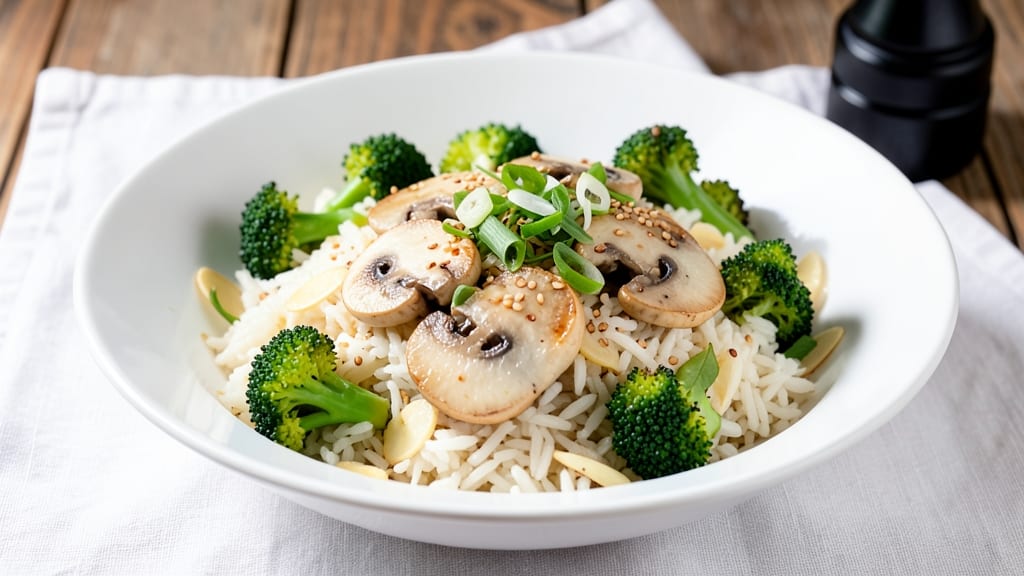
This broccoli mushroom rice recipe transforms simple ingredients into a savory, umami-rich dish that works as both a satisfying side or hearty main. The magic lies in caramelizing mushrooms and broccoli until deeply flavorful, then letting them meld with fragrant rice for a one-pan meal that’s impossible to resist.
No fancy techniques—just high heat, aromatic spices, and a 30-minute timeline to dinner.
The result is perfectly balanced: tender rice with crisp-tender broccoli and mushrooms that’ve developed rich, meaty depth. A sprinkle of sesame seeds or a drizzle of soy-ginger sauce elevates it further, but the base recipe delivers restaurant-quality texture and flavor.
Whether served alongside grilled protein or as a standalone vegetarian plate, this dish proves one-pan cooking can be both effortless and extraordinary.
Ingredients for broccoli mushroom rice
Fourteen ingredients for a dish that delivers restaurant-quality umami depth with minimal effort.
| Ingredient | Amount | Notes |
|---|---|---|
| Long-Grain White Rice 🍚 | 1 ½ cups | Uncooked, jasmine or basmati preferred |
| Creamy White Mushrooms 🍄 | 16 oz | Sliced 1/4-inch thick, baby bella or cremini |
| Broccoli Florets 🥦 | 4 cups | Medium florets, stems trimmed |
| Garlic Cloves 🧄 | 4 cloves | Minced, fresh preferred |
| Green Onions 🧅 | 3 whole | Thinly sliced, white and green parts |
| Sesame Seeds 🌾 | 1 tbsp | Toasted, for garnish |
| Vegetable Oil 🫒 | 2 tbsp | High smoke point, avocado preferred |
| Vegetable Broth 💧 | 1 ½ cups | Low-sodium, homemade or store-bought |
| Soy Sauce 🍶 | 2 tbsp | Low-sodium preferred |
| Sesame Oil 🫒 | 1 tbsp | Toasted, for aroma |
| Fresh Ginger 🌿 | 1 tbsp | Finely grated, peeled |
| Diamond Crystal Kosher Salt 🧂 | ½ tsp | Adjust to taste |
| Ground Black Pepper 🌶️ | ¼ tsp | Freshly ground |
| Toasted Sesame Oil 🫒 | 1 tsp | For finishing drizzle |
The mushrooms and broccoli are the flavor anchors here. Baby bella or cremini mushrooms caramelize beautifully, developing that coveted meaty texture. For broccoli, look for vibrant green florets with tight buds—they’ll stay crisp-tender while the stems soften. The garlic should be freshly minced (pre-minced loses potency), and the ginger needs to be finely grated for maximum aromatic release. Whole Foods Market and Trader Joe’s typically carry pre-sliced mushrooms, but I prefer buying whole to control the thickness. For the rice, jasmine or basmati grains stay distinct rather than clumping like short-grain varieties.
No sesame oil? Toasted peanut oil works in a pinch, though the flavor profile shifts slightly. Short on mushrooms? Shiitake mushrooms at half the quantity add an earthier depth, but they require longer cooking. The soy sauce can be swapped for tamari for gluten-free, or coconut aminos for a lighter taste. Fresh ginger not available? Ground ginger at one-third the amount is usable, but the texture won’t be as refined. For the vegetable broth, homemade with vegetable scraps elevates the dish, but low-sodium store-bought brands like Pacific Foods are perfectly adequate. The sesame seeds should be lightly toasted in a dry pan before using—they’ll release their nutty aroma immediately.
Rice keeps best in an airtight container for 3-4 days in the fridge, though the texture becomes slightly drier. The cooked mushrooms and broccoli can be stored separately for up to 5 days, but their texture degrades faster. For longer storage, freeze the cooked veggies in a single layer before transferring to a bag—they’ll last 3 months. Reheat gently in a skillet with a splash of water to restore moisture. This dish reheats beautifully, making it ideal for meal prep. Portion into individual containers with a drizzle of sesame oil to maintain freshness.
Why You'll Love This Recipe
- One-Pot Magic: I swear by this trick—just toss everything in one pot, cover it, and walk away. No fancy techniques, no extra bowls. The rice soaks up all that savory mushroom and garlic goodness while the broccoli steams right in, tender and bright.
- Umami Bomb: Between the earthy mushrooms and the punch of garlic, this dish has layers. The mushrooms melt into the rice, leaving behind this rich, almost buttery depth, while the broccoli adds a crisp snap. Honestly, it’s the kind of flavor that makes you pause mid-bite.
- Lunchbox Hero: This recipe is my go-to for meal prep because it reheats like a dream. Pack it cold for work or school, and it’ll still taste fresh hours later—no soggy rice here. The green onions add a little brightness that keeps it interesting, even on day three.
- Budget Win: A bag of rice, a handful of mushrooms, and a head of broccoli stretch far. I’ve fed four people for under $10 with this, and it’s filling enough to feel like a full meal. Plus, leftovers taste just as good the next day—no sad, dry rice in sight.
Step-by-step instructions for broccoli mushroom rice
A perfect balance of textures and flavors in one pan—this method delivers restaurant-quality umami depth with minimal effort.
Prepare the Base Ingredients for Even Cooking
Rinse the 1.5 cups long-grain white rice thoroughly under cold water until the water runs clear, then drain. This removes excess starch that could make the rice gummy. In a large skillet, heat 2 tablespoons vegetable oil over medium-high heat until shimmering. Add the 16 oz sliced creamy white mushrooms and cook for 4-5 minutes until they release their moisture and begin to brown at the edges.
Remove the mushrooms with a slotted spoon and set aside. In the same pan, add the 4 cloves minced garlic and 1 tablespoon finely grated fresh ginger, cooking for 30 seconds until fragrant. This quick sauté preserves their freshness while building aromatic depth. The residual mushroom fat in the pan will help prevent the rice from sticking later.
Build Umami Layers with Broccoli and Seasonings
Return the mushrooms to the pan and add the 4 cups broccoli florets, stirring to coat in the oil and garlic-ginger mixture. Cook for 3-4 minutes until the broccoli brightens in color and begins to soften at the edges. This short cooking time preserves their crisp-tender texture while allowing them to absorb the savory flavors.
Stir in the 2 tablespoons soy sauce, 1 tablespoon sesame oil, 0.5 teaspoon diamond crystal kosher salt, and 0.25 teaspoon ground black pepper. Let the mixture cook for 1 minute while you watch for the soy sauce to meld with the vegetables. This step creates the umami foundation that will carry through the entire dish.
Toast the Rice for Enhanced Texture and Flavor
Add the drained rice to the pan and stir vigorously for 2-3 minutes until every grain is well-coated in the oil and seasonings. This toasting step, known as "blooming," develops nutty flavors in the rice and prevents it from becoming mushy. You'll see the rice begin to turn slightly translucent at the edges—this is your visual cue that it's properly toasted.
Pour in the 1.5 cups vegetable broth and bring to a gentle simmer. The liquid should just come to the edges of the rice grains. Cover the pan tightly with a lid and reduce heat to low. Cook for 15 minutes without disturbing, allowing the rice to steam evenly and absorb the liquid completely.
Finish with Aromatics and Perfect Timing
After 15 minutes, remove the lid and check the rice. If it still appears slightly undercooked, replace the lid and cook for an additional 2-3 minutes. The rice should be tender with a slight bite—this is the ideal texture for broccoli mushroom rice. Stir in the 3 thinly sliced green onions, reserving the tops for garnish, and cook for 1 minute to wilt the whites while keeping the greens vibrant.
Remove from heat and let the rice sit covered for 5 minutes. This resting period allows the flavors to meld and the rice to finish absorbing any remaining liquid. The dish should have a fragrant aroma with notes of toasted sesame and umami-rich mushrooms.
Garnish and Serve with Professional Presentation
Drizzle the finished rice with 1 teaspoon toasted sesame oil and sprinkle evenly with the 1 tablespoon sesame seeds. The sesame oil adds a nutty aroma while the seeds provide a textural contrast. Garnish with the reserved green onion tops for a pop of fresh color and brightness.
Serve immediately while the rice is hot, allowing diners to experience the perfect balance of textures—tender rice, crisp-tender broccoli, and meaty mushrooms—all enhanced by the umami depth developed through careful layering. The dish pairs beautifully with a drizzle of chili oil or a side of steamed bok choy for a complete meal.
Pro Tips For Making Broccoli Mushroom Rice
- COOK RICE SEPARATELY: I used to toss rice in with the veggies and ended up with mushy grains every time. Cook the rice first—just slightly underdone—then mix it in at the end. That way, the mushrooms and broccoli steam perfectly without turning the rice into porridge.
- SALT THE MUSHROOMS FIRST: Creamy white mushrooms absorb flavor like sponges. Toss them with salt and a splash of water right after slicing, then let them sit for 10 minutes. This jumpstarts the seasoning and keeps them from turning to mush when cooking.
- STOP WHEN BROCCOLI CRUNCHES: Overcooked broccoli is sad broccoli. Test a floret early—it should hold its shape but yield slightly when pressed. If you’re stir-frying, aim for 2-3 minutes max; if baking, pull them out when edges are bright green.
- USE GARLIC OIL LAST: Infuse the garlic in a little oil (about 1 tablespoon) at the very end, just before tossing with the rice. This keeps the aroma intact instead of letting it cook away. (Yes, even if you’re impatient like me.)
Regional styles of this recipe
Japanese Yakisoba Style
Transform this dish into a Japanese-inspired yakisoba by adding 1 tbsp grated daikon radish and 1 tbsp Worcestershire sauce to the soy sauce mixture.
Swap the vegetable broth for 1.5 cups dashi stock (or substitute with extra vegetable broth + 1 tsp dried kombu simmered for 5 minutes), and stir in 1 tbsp mirin when adding the rice.
Garnish with thinly sliced nori strips and a sprinkle of bonito flakes for authentic umami depth. 🍜
Thai Green Curry Fusion
For a Thai-inspired twist, sauté 2 tbsp green curry paste (like Maesri) with the garlic and ginger, then add ½ cup coconut milk when incorporating the soy sauce.
Toss in 1 tbsp fish sauce (or soy sauce for vegetarian) and 1 tsp palm sugar (or brown sugar) to balance flavors. Top with fresh Thai basil leaves and a squeeze of lime. This version works beautifully as a main dish with extra rice. 🌶️
Korean Bibimbap Adaptation
Turn this into a Korean bibimbap by adding 1 tbsp gochujang (Korean chili paste) to the soy sauce mixture and serving the rice in individual bowls. Top with fried egg (sunny-side up), kimchi, and extra toasted sesame seeds.
Serve with a side of ssamjang (Korean dipping sauce) for assembly-style dining. The mushrooms and broccoli add a perfect vegetable contrast to the bold flavors. 🥢
Mediterranean Herb Version
Give it a Mediterranean flair by replacing sesame oil with 1 tbsp extra-virgin olive oil and adding 1 tsp dried oregano and ½ tsp red pepper flakes to the seasoning mix.
Swap soy sauce for 2 tbsp lemon juice and finish with ¼ cup crumbled feta cheese and 2 tbsp chopped kalamata olives. The bright, herby profile makes this a fantastic side for grilled meats. 🌿
Spicy Cajun Creole Style
For a Cajun-inspired kick, add 1 tsp smoked paprika, ½ tsp cayenne pepper, and ½ tsp garlic powder to the mushrooms while they caramelize.
Use Cajun seasoning (like Tony Chachere’s) instead of salt and pepper, and finish with chopped green onions and a dash of hot sauce. Serve with a side of cornbread for a Southern-inspired meal. 🔥
Vegetarian Protein Boost
Make this a high-protein vegetarian main by adding ½ cup crumbled firm tofu (pan-fried in 1 tbsp soy sauce and 1 tsp cornstarch) to the mushrooms during the initial sauté.
For extra richness, stir in 2 tbsp nutritional yeast** when adding the rice. The tofu absorbs the umami flavors beautifully while adding a satisfying texture. 💪
Nutrition facts
Frequently asked questions
Can I use brown rice instead of white rice in this recipe?
Yes, but adjust the cooking time! Brown rice needs 5-7 minutes longer to cook through. Start checking for doneness after 20 minutes of covered simmering, as it absorbs liquid more slowly. For extra flavor, toast the brown rice for 3-4 minutes before adding broth to deepen its nutty notes.
What if I don’t have sesame oil or seeds?
No problem! Skip the sesame oil in cooking and use 1 teaspoon olive oil instead. For garnish, try toasted pine nuts or crushed peanuts for a similar crunch. If you can't find sesame seeds, toasted pumpkin seeds add a nice texture contrast. The dish will still taste delicious—just slightly different!
How do I prevent the rice from becoming mushy?
Three key steps: toast the rice properly (stirring until translucent edges appear), use the right amount of broth (just enough to reach the rice's edges), and avoid lifting the lid while cooking. If your rice seems undercooked after 15 minutes, add 2-3 tablespoons more broth and cook 2-3 more minutes. Never stir the rice while cooking—this breaks the grains!
Can I make this dish ahead of time?
Cook the rice and vegetables separately, then refrigerate in airtight containers for 3-4 days. Reheat gently in a skillet with 1 tablespoon water or broth per cup of rice, covered, over low heat for 5-7 minutes. For best texture, add fresh sesame seeds and a drizzle of sesame oil when serving. The flavors actually deepen overnight!
What’s the best way to add protein to this vegetarian dish?
Try these high-protein boosts: ½ cup crumbled firm tofu (pan-fried with 1 tsp cornstarch), 2 scrambled eggs mixed in at the end, or ¼ cup chickpeas (rinsed and drained). For extra richness, stir in 2 tablespoons nutritional yeast when adding the rice. Each option adds 5-10g protein per serving without overpowering the dish!