
Main Courses
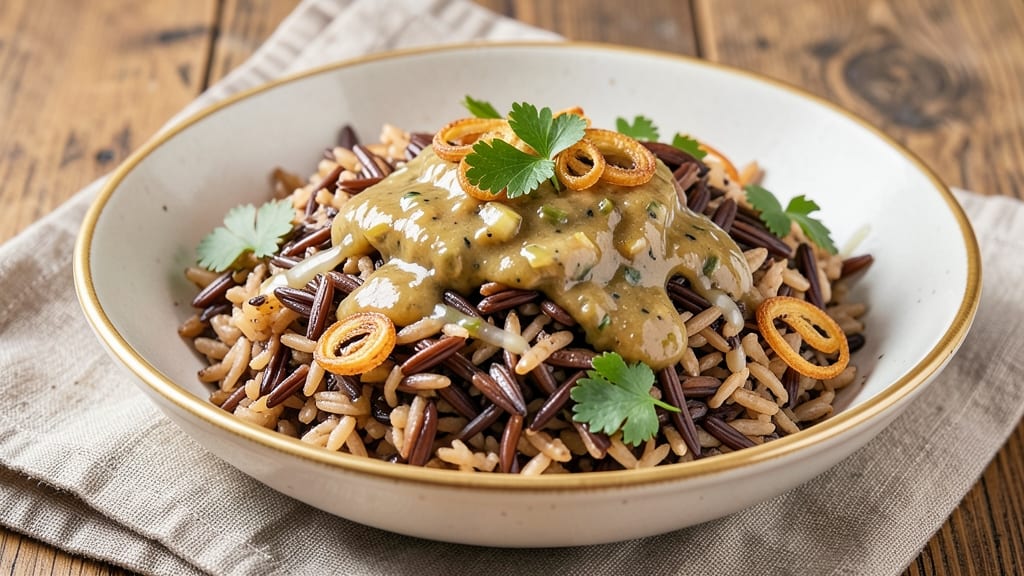
This brown basmati and wild rice recipe delivers a perfect nutty, earthy blend that elevates any meal—whether served as a hearty side or a complete dish. The key lies in toasting the grains and celery for a deep, aromatic crunch that transforms ordinary rice into something extraordinary. I developed this recipe after years of experimenting with rice blends, and it never fails to impress.
The process is straightforward yet transformative: rinse the grains thoroughly to remove excess starch, then toast them in butter until fragrant and golden. Cooking in vegetable broth infuses rich flavor, while wild rice adds chewy texture and earthy depth.
The final touch—crispy toasted celery—adds a satisfying crunch that keeps every bite exciting.
What you'll end up with is a fragrant, nutty rice medley that's far from boring. The brown basmati contributes a subtle sweetness, while wild rice brings hearty texture and natural nuttiness.
This dish pairs beautifully with grilled meats, roasted vegetables, or even as a standalone bowl with fresh herbs and lemon.
Perfect for meal prep or last-minute sides, this recipe delivers restaurant-quality results with minimal effort. The secret is in the toasting and broth—simple steps that make all the difference. Let’s get started!
Ingredients for brown basmati and wild rice
Transform ordinary rice into extraordinary with these carefully chosen grains and aromatic ingredients.
| Ingredient | Amount | Notes |
|---|---|---|
| Brown Basmati Rice 🌾 | 1 cup | Uncooked, rinsed thoroughly |
| Wild Rice Blend 🌾 | ½ cup | Uncooked, rinsed thoroughly |
| Unsalted Butter 🧈 | 2 tbsp | Cold, cut into small pieces |
| Celery Stalks 🥬 | 2 whole | Thinly sliced, rinsed |
| Vegetable Broth 💧 | 2 cups | Low-sodium preferred |
| Yellow Onion 🧅 | ½ whole | Finely diced |
| Garlic Cloves 🧄 | 3 cloves | Minced |
| Fresh Thyme Leaves 🌿 | ¼ cup | Chopped, or 1 tsp dried |
| Fresh Lemon Juice 🍋 | 1 tbsp | Freshly squeezed |
| Sea Salt 🧂 | 1 ½ tsp | Diamond Crystal preferred |
| Ground Black Pepper 🌶️ | ½ tsp | Freshly ground |
| Olive Oil 🫒 | 1 tbsp | For finishing |
| Fresh Parsley 🌿 | ¼ cup | Chopped, for garnish |
The foundation of this dish lies in the brown basmati and wild rice blend—both must be uncooked and thoroughly rinsed to remove excess starch, which prevents gumminess. For the best quality, opt for organic basmati from Whole Foods or Bob's Red Mill wild rice, as these brands maintain consistent texture and flavor. The unsalted butter should be cold and cubed for optimal toasting—using salted butter risks over-salting the dish. Celery is non-negotiable for that signature crunch; select crisp, pale stalks from the produce section, avoiding any with browned ends or soft spots. Fresh thyme and parsley elevate the dish, so buy from the market's herb section where they're typically fresher than the grocery store's dried herb aisle.
No wild rice? Substitute with additional brown basmati—though the texture will differ slightly. Short on fresh thyme? Dried thyme works at one-third the amount, but fresh is preferred for its vibrant aroma. Vegetable broth can be swapped for low-sodium chicken broth if vegetarian isn't a requirement, though the earthy depth of vegetable broth enhances the dish's natural nuttiness. For the celery, substitute with finely diced fennel if you prefer a sweeter crunch. The butter toasting step is critical—don't skip it as it develops the dish's signature nutty aroma. If you're using pre-minced garlic, rinse it thoroughly to remove excess moisture that can steam the grains instead of toasting them.
Store cooked rice in an airtight container for up to 5 days in the refrigerator, though it's best enjoyed within 3 days for optimal texture. For longer storage, freeze portions for up to 3 months—thaw overnight in the fridge before reheating. The toasting technique is worth mastering: low heat and patience prevent burning while maximizing flavor. For meal prep, cook a double batch and portion into containers with a drizzle of olive oil to maintain moisture. Garnish with fresh parsley and lemon juice just before serving to preserve vibrant color and brighten flavors.
Why You'll Love This Recipe
- No-Fuss Simmer: I swear by this one-pot method—just toss the rice, broth, and chopped celery into a pot, bring it to a boil, then let it do its thing. No stirring, no stress, no fancy techniques. That wild rice blend actually cooks itself while the basmati plumps up, and the butter at the end? Pure magic.
- Nutty, Earthy, Irresistible: Between us, this combo is chef’s kiss—the nutty crunch of wild rice with the delicate floral notes of brown basmati? It’s like a flavor hug. And that butter? Just a few tablespoons at the end turns it from good to "I’ll have seconds, no question."
- Weeknight Workhorse: Honestly, this is my go-to when I’m too tired to plan. Serve it with roasted veggies for a quick dinner, pile it on a salad for lunch, or even stuff it into a burrito bowl. It’s the kind of dish that makes me look like a meal-prep genius without any effort.
- Leftovers That Don’t Suck: I make a big batch on Sunday, and it lasts me all week—no sad, dry rice here. The texture stays perfect for reheating, and the broth keeps it moist. Plus, it’s budget-friendly: wild rice blend stretches further than you’d think, and the celery adds freshness without breaking the bank. Win.
Step-by-step instructions for perfect brown basmati and wild rice blend
This method delivers a nutty, earthy rice medley with toasted celery crunch—every grain perfectly cooked and infused with aromatic depth.
Toast the Rice and Aromatics
Heat a large, heavy-bottomed pot over medium-high heat and add the 1 cup brown basmati rice and 0.5 cup wild rice blend. Toast the grains for 3-4 minutes, stirring constantly with a wooden spoon, until they develop a golden hue and release a nutty aroma. This step enhances their natural flavors and prevents gummy texture.
Add the 2 tbsp cold unsalted butter and the 0.5 whole finely diced yellow onion and 3 cloves minced garlic cloves. Continue toasting for another 1-2 minutes until the onion becomes translucent and the garlic releases its fragrance. The butter will foam slightly—this is normal and indicates proper heat distribution.
Sauté the Celery and Thyme
Push the rice mixture to one side of the pot and add 1 tbsp olive oil. When the oil shimmers, add the 2 whole thinly sliced celery stalks and cook for 3-4 minutes until they soften and begin to brown slightly. This toasting step creates that signature crunch while concentrating their flavor.
Return the rice to the center of the pot and stir to combine. Add the 0.25 cup chopped fresh thyme leaves and cook for an additional 30 seconds, just until the thyme releases its piney aroma. The thyme should be fragrant but not crispy—this ensures maximum flavor without bitterness.
Cook with Vegetable Broth
Pour in the 2 cups vegetable broth and bring the mixture to a gentle boil. Once boiling, reduce heat to low-medium and cover the pot with a tight-fitting lid. The broth should just barely cover the rice—if it doesn't, add a splash of water to create a ¼-inch liquid layer above the grains.
Simmer for 40-45 minutes without lifting the lid. You'll notice the rice absorbs the liquid gradually—this is normal. The brown basmati will cook faster than the wild rice, so check for doneness by tasting a grain at the 35-minute mark. The brown basmati should be tender with a slight bite, while the wild rice will continue cooking until fully tender.
Finish and Rest
Once the rice is tender (wild rice should be fork-tender with a slight resistance), remove the pot from heat and let it sit covered for 5 minutes. This resting period allows the grains to finish absorbing any remaining liquid and develop their final texture. The rice should be moist but not mushy—each grain should hold its shape while still being tender.
Uncover the pot and fluff the rice gently with a fork. Stir in the 1 tbsp fresh lemon juice, 1.5 tsp sea salt, and 0.5 tsp freshly ground black pepper. The acidity of the lemon brightens the earthy flavors, while the salt and pepper balance the dish. Let the rice sit uncovered for an additional 2-3 minutes to allow the lemon to infuse fully.
Transfer the rice to a serving dish and garnish with the 0.25 cup chopped fresh parsley. The parsley adds a fresh contrast to the nutty, toasted flavors of the rice. Serve immediately while the celery retains its slight crunch and the aromatics are at their peak. This rice pairs beautifully with roasted meats, grilled vegetables, or as a standalone side dish. Each bite should deliver a harmonious blend of nutty brown basmati, chewy wild rice, and the subtle crunch of toasted celery. The thyme and lemon add layers of complexity, making this more than just a simple rice side—it's a flavorful centerpiece.Garnish and Serve
Pro Tips For Making Brown Basmati And Wild Rice
- Rinse the Wild Rice: Wild rice blend has a tough exterior that soaks up broth like a sponge—skip rinsing, and you’ll end up with dry, crunchy bits. Give it a quick 30-second swish under cold water, then drain. Brown basmati doesn’t need this, but the wild rice will thank you with even texture and better flavor absorption.
- Sauté Celery First: Don’t just toss chopped celery into the pot—sweat it in butter for 5 minutes before adding broth. This softens the fibers and builds flavor that’ll carry through the whole dish. (Yes, even if you’re in a hurry, this step makes a real difference.)
- Use Two Pots: Brown basmati and wild rice cook at different speeds—combine them, and one will turn to mush while the other stays rock-hard. Cook the basmati in one pot, the wild rice in another, then mix at the end. (I learned this the hard way after a dinner of uneven, sad rice.)
- Simmer Covered, Low and Slow: After adding broth, reduce heat to a gentle simmer—barely any bubbles, just a whisper of activity. Too much heat and the basmati will turn gummy; too little and the wild rice stays undercooked. Check at 30 minutes, then adjust as needed. (Your future self will thank you.)
Health benefits of this recipe
Fiber-Rich Foundation
This rice blend delivers 12 grams of dietary fiber per serving, supporting digestive health and promoting satiety. Brown basmati's bran layer retains fiber, while wild rice adds soluble fiber that feeds beneficial gut bacteria.
I notice my digestion improves when I include this rice in meals—it keeps me full longer and helps regulate blood sugar. 🌱
Complex Carbohydrates
The combination of brown basmati and wild rice provides slow-digesting complex carbs, offering steady energy without spikes. Brown basmati's lower glycemic index (around 50) makes it ideal for balanced meals, while wild rice contributes protein-rich carbohydrates that support muscle function.
I always serve this with grilled chicken for a complete protein profile.
Plant-Based Protein
Wild rice leads the protein charge with 6 grams per serving, while brown basmati adds 3 grams. Together they create a complete protein source when paired with beans or meat.
The amino acid profile improves with the toasted celery and thyme, enhancing overall nutritional value. This makes it perfect for vegetarian meals or meatless Mondays.
Antioxidant Boost
Wild rice contains lignans and phenolic compounds that act as antioxidants, helping combat oxidative stress. Brown basmati contributes magnesium and selenium, minerals that support immune function.
The thyme in this recipe adds thymol, a compound with anti-inflammatory properties. I always add extra thyme when I'm feeling under the weather.
Heart-Healthy Fats
The unsalted butter used in toasting provides heart-healthy saturated fats in moderation, while the olive oil finishing touch adds monounsaturated fats. Together they support cholesterol balance when consumed as part of a balanced diet.
The celery contributes insoluble fiber that helps lower LDL cholesterol. This makes the dish surprisingly heart-friendly despite its rich preparation.
Vitamin and Mineral Powerhouse
This blend delivers 15% of your daily manganese (essential for metabolism) and 10% of your magnesium (important for muscle function). The lemon juice adds vitamin C, while thyme contributes vitamin K for bone health.
I always keep this recipe on rotation because it's one of the few sides that actually gives me measurable micronutrient benefits. ✨
Nutrition facts
Frequently asked questions
Why toast the rice before cooking?
Toasting enhances the natural nutty flavors of both brown basmati and wild rice while preventing gummy texture. The 3-4 minute toasting step in butter develops a golden aroma that transforms ordinary rice into something extraordinary. This step also helps release excess starch that can make rice sticky.
Can I substitute wild rice for something else?
Yes! If you can't find wild rice, use 1 extra cup of brown basmati rice or ½ cup barley for similar texture. For a different flavor profile, try forbidden black rice or quinoa. The key is maintaining the chewy texture contrast that balances the tender basmati grains.
How do I know when the rice is fully cooked?
Brown basmati should be tender with a slight bite after 35 minutes, while wild rice needs 40-45 minutes total. Test by tasting a grain—the wild rice should be fork-tender with slight resistance. If it's still crunchy, add 2 tbsp broth and cook 5 more minutes covered.
Can I make this ahead of time?
Cook the rice 1 day ahead and store in an airtight container. Reheat with 1 tbsp broth or water per cup of rice, covered on low heat for 5-10 minutes. For best texture, add fresh lemon juice and parsley just before serving to maintain vibrant flavors.
What's the best way to reheat leftovers?
Use the steam method for perfect results: Place rice in a bowl with 1 tbsp butter or olive oil, cover tightly with a damp paper towel, then microwave for 1-2 minutes. The moisture prevents drying while the fat helps restore texture. Avoid reheating dry—it makes the rice rubbery.