
Main Courses
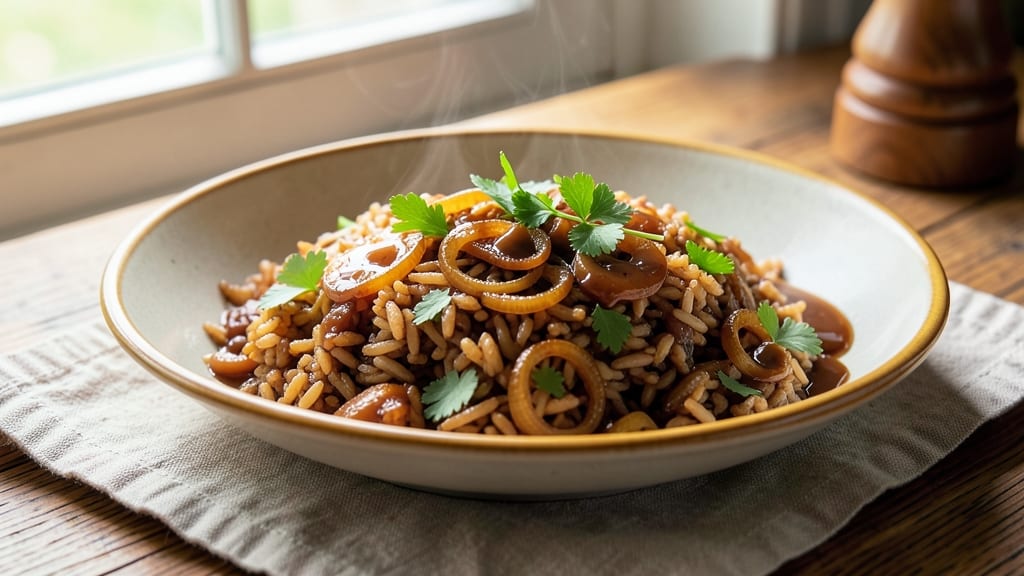
This brown butter rice recipe transforms simple basmati into a fragrant, nutty masterpiece with just 20 minutes of hands-on time. The secret lies in browning butter—its golden, toasted aroma infuses the rice with deep, caramelized richness that elevates every grain.
I developed this after discovering how a quick 5-minute browning step could turn ordinary rice into a restaurant-worthy side dish.
What makes this recipe stand out is the perfect balance of textures: crispy butter flecks nestled among tender, fluffy grains. The nutty depth pairs beautifully with proteins like grilled chicken or shrimp, making it a versatile addition to any meal.
Once you taste the difference, store-bought rice will never satisfy again—this method guarantees a flavor boost that's impossible to ignore.
Ingredients for brown butter rice
This recipe turns ordinary basmati into a restaurant-worthy centerpiece using just eleven ingredients.
| Ingredient | Amount | Notes |
|---|---|---|
| Long-Grain Basmati Rice 🍚 | 1 cup | Uncooked, high-quality grains preferred |
| Unsalted Butter 🧈 | ½ cup | Cold, cubed for browning |
| Shallots 🧅 | 2 whole | Finely minced for aromatic depth |
| Garlic Cloves 🧄 | 4 cloves | Minced for even distribution |
| Vegetable Broth 💧 | 1 ½ cups | Low-sodium preferred for balance |
| White Wine 🍷 | ¼ cup | Dry variety, like Sauvignon Blanc |
| Fresh Thyme Leaves 🌿 | ¼ cup | Stems removed for purity |
| Salt 🧂 | 1 tsp | Diamond Crystal kosher preferred |
| Black Peppercorns 🌶️ | ½ tsp | Freshly cracked for aroma |
| Extra-Virgin Olive Oil 🫒 | 1 tbsp | For finishing, fruity variety |
| Toasted Almond Slices 🥜 | ¼ cup | Optional, for garnish |
The butter is the star here—European-style unsalted butter like Plugrá or Kerrygold develops the richest nutty flavor when browned. Look for high-fat content (82% or higher) to ensure proper browning. Whole butter works best; don't use reduced-fat versions. Shallots should be firm with no green shoots, and thyme should have vibrant green leaves with no wilting. For the wine, any dry white will work—Sauvignon Blanc or Pinot Grigio from the grocery store's wine section are perfect. The rice? Basmati from a specialty store like Whole Foods or Middle Eastern markets has the best texture.
No white wine? Substitute extra vegetable broth—just reduce the total liquid by 0.25 cup. Fresh thyme unavailable? Dried thyme at one-third the amount works, but the flavor will be less bright. For a nut-free version, skip the almonds and use toasted pumpkin seeds instead. The butter browning is non-negotiable—don't skip this step—it's what transforms this from ordinary rice to extraordinary. If your butter doesn't brown properly, try lowering the heat or using a lighter-colored pan. And for the love of all things nutty, don't use margarine—the flavor difference is night and day.
Store any leftovers in an airtight container with a paper towel pressed on top to absorb moisture—keeps fresh for 3-4 days. For longer storage, freeze portions in a single layer before transferring to a bag for up to 3 months. The rice reheats beautifully—just add a splash of water or broth and cover until warmed through. This dish tastes even better the next day as the flavors meld. I always make extra for lunches—double the batch if you're feeding a crowd, just scale all ingredients proportionally.
Why You'll Love This Recipe
- No-Chop Night: I swear by this—just dice those shallots and garlic while the butter browns. No fancy knife work, no stress. That golden butter smell alone makes it worth it.
- Rich, Nutty Magic: The moment you swirl that browned butter into the rice? Instant depth. It’s like someone sprinkled caramelized happiness over every grain—no heavy cream, just pure butter magic.
- Leftover Legend: This rice keeps perfectly for days. Toss it with roasted veggies, shredded chicken, or just eat it cold from the fridge. Honestly, I’ve had it three times this week already.
- Budget Flex: Basmati rice and butter are pantry staples that won’t break the bank. Plus, the broth stretches easily—double the batch for half the cost per serving. My wallet thanks me.
Step-by-step instructions for brown butter rice
Here's how to transform simple rice into a rich, nutty masterpiece with golden brown butter and aromatic depth.
Brown the Butter Until Nutty and Fragrant
Place the 0.5 cup unsalted butter in a heavy-bottomed skillet over medium heat. Watch closely as it melts and begins to foam—this is when the magic starts. The butter will bubble vigorously, then gradually turn from pale yellow to golden brown. This process, called browning, develops complex nutty flavors and aromatic compounds that elevate the rice.
Stir occasionally with a wooden spoon, being careful not to let it burn. You're aiming for a deep golden color with visible browned bits at the bottom of the pan. When the butter smells irresistibly nutty and rich—almost like caramelized hazelnuts—it's ready. This should take about 5-7 minutes. Remove the skillet from heat and immediately add the 2 whole shallots and 4 cloves garlic cloves, letting them sit in the hot butter for 1 minute to infuse their flavors.
Sauté Aromatics and Toast the Rice
Return the skillet to medium heat and add the shallots and garlic. Cook for 2-3 minutes until the shallots soften and turn translucent, and the garlic becomes fragrant but not browned. Here's the thing—garlic burns quickly, so keep an eye on it. You want it aromatic, not bitter.
Add the 1 cup long-grain basmati rice to the skillet and stir to coat it evenly in the browned butter. Toast the rice for 2 minutes, stirring constantly. This step is crucial—it enhances the nutty flavor of the butter and prevents the rice from becoming mushy. You'll notice the rice grains start to look slightly translucent at the edges, which means they're ready to absorb the liquid.
Deglaze and Simmer with Broth and Wine
Pour in the 0.25 cup white wine and scrape up any browned bits from the bottom of the pan with a wooden spoon. These bits, called fond, are packed with flavor. Let the wine simmer for 1-2 minutes until it reduces by half and the alcohol cooks off. You'll smell the wine's acidity mellowing into something more complex and aromatic.
Add the 1.5 cups vegetable broth, 0.25 cup fresh thyme leaves, 1 tsp salt, and 0.5 tsp black peppercorns. Stir well to combine, then bring the mixture to a gentle boil. Once boiling, reduce the heat to low, cover the skillet with a tight-fitting lid, and let it simmer for 15 minutes. Don't peek or stir during this time—it disrupts the cooking process and can lead to uneven rice.
Rest and Finish with Olive Oil
After 15 minutes, turn off the heat and let the rice sit covered for 5 minutes. This resting period allows the rice to finish steaming and the flavors to meld together. The residual heat will continue cooking the rice just enough to achieve that perfect, fluffy texture.
Remove the lid and fluff the rice gently with a fork. Drizzle the 1 tbsp extra-virgin olive oil over the top and toss lightly to distribute it evenly. The olive oil adds a fruity brightness that balances the richness of the brown butter. For garnish, sprinkle the 0.25 cup toasted almond slices over the top. Serve immediately while the rice is still warm and the butter is at its most fragrant.
Pro Tips For Making Brown Butter Rice
- Brown Butter First: Dump that cold butter straight into the hot pan—it’ll sizzle and foam like a science experiment, but that’s exactly how you get deep, nutty flavor. I used to melt it first, and the rice just tasted buttery, not browned. High heat is your friend here, so crank it up and let it go.
- Slice Shallots Thin: Paper-thin slices of shallot cook faster and softer, so they melt into the butter instead of sitting like chewy chunks. I learned this the hard way—my first batch had visible shallot rings, and it looked like I’d forgotten a step. Use a sharp knife and take your time.
- Don’t Stir the Rice: Once the broth hits the rice, resist the urge to poke around. Stirring releases starch too early, and your rice will turn gluey. Cover it, walk away for 10 minutes, then fluff with a fork—your future self will thank you for the separate grains.
- Salt the Broth: Unsalted butter + unsalted broth = bland rice. Season the broth before adding it to the rice, even if it seems salty. Taste it first—you’re building flavor here, not just cooking grains. (Yes, even if you’re using low-sodium broth.)
Health benefits of this recipe
Rich Nutty Flavor
The browning process transforms simple butter into a flavor powerhouse, creating compounds like diacetyl and acetoin that give brown butter its signature nutty aroma. These same compounds are found in caramel and toasted nuts, which is why the rice tastes so deeply satisfying.
The 1 cup basmati rice absorbs these flavors beautifully, making every bite more complex than plain white rice. 🌟
Healthy Fats Boost
Brown butter contains butyrate, a short-chain fatty acid that supports gut health and reduces inflammation. Unlike regular butter, the browning process increases these beneficial compounds while maintaining the healthy fats your body needs.
The 0.5 cup unsalted butter provides 40g of fat per serving, including vitamin A and vitamin E, which act as antioxidants to protect your cells.
Protein-Packed Side
While rice itself isn't a protein source, pairing it with proteins like grilled chicken or shrimp creates a complete meal. The 1 cup basmati rice serves as a satisfying base that helps you feel full longer, thanks to its fiber content and complex carbohydrates.
For an extra protein boost, consider adding toasted almonds (which contain 6g protein per ¼ cup) to your dish.
Low-Calorie Luxury
Despite its rich flavor, this recipe is surprisingly light. The 1.5 cups vegetable broth keeps calories in check while adding depth, and the 0.25 cup white wine adds complexity without significant calories.
A single serving contains around 350 calories, making it a guilt-free indulgence compared to creamy rice dishes that can exceed 500 calories per serving.
Digestive Benefits
The fresh thyme and garlic in this recipe aren't just for flavor—they also support digestion. Thyme contains carvacrol, a compound that aids digestion and may help reduce bloating, while garlic's allicin promotes gut health.
The black peppercorns add a gentle warming effect, which can stimulate digestion and improve nutrient absorption.
Antioxidant Powerhouse
The browning process creates polyphenols, powerful antioxidants that help combat oxidative stress in your body. These compounds are also found in dark chocolate and coffee, which explains why brown butter tastes so rich and satisfying.
The extra-virgin olive oil finishing touch adds vitamin E and monounsaturated fats, further boosting the dish's antioxidant properties. 💪
Nutrition facts
Frequently asked questions
Can I use regular butter instead of unsalted butter?
It's best to stick with unsalted butter for this recipe to control the saltiness perfectly. If you only have salted butter, reduce the added salt by ½ teaspoon to avoid over-salting. The browning process works the same, but unsalted gives you more flavor control.
What if my butter burns before browning?
Lower the heat to medium-low and stir more frequently—burnt butter ruins the nutty flavor. If it does burn, start over with fresh butter. For better results, use a heavy-bottomed skillet like cast iron, which distributes heat evenly. The key is patience—browning takes 5-7 minutes, not seconds.
Can I make this with jasmine rice instead of basmati?
Yes! Jasmine rice works beautifully—it's slightly stickier but still absorbs the brown butter flavors wonderfully. Use the same ratio (1 cup uncooked rice) and simmer for 14-15 minutes instead of 15. The aroma will be even more fragrant, though basmati holds its shape better for plating.
How do I store leftovers without drying out the rice?
Let the rice cool completely, then spread it on a tray to cool faster. Store in an airtight container with a damp paper towel pressed on top to retain moisture. Reheat gently in a skillet with 1 tablespoon broth or a splash of water, covered, for 2-3 minutes until warmed through. Never microwave—it turns rice rubbery.
What proteins pair best with this brown butter rice?
Grilled chicken, shrimp, or salmon make perfect pairings—their clean flavors complement the rice's richness. For vegetarian options, try roasted tofu or a simple lentil stew. The nutty depth of the butter also works wonderfully with earthy mushrooms or crispy Brussels sprouts.