
Main Courses
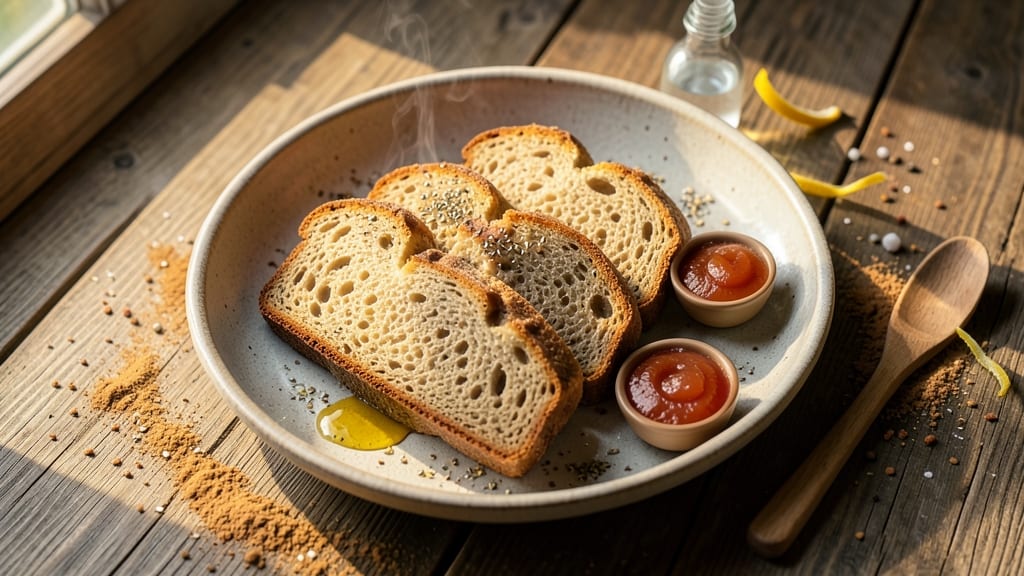
This brown rice bread recipe without yeast delivers a surprisingly fluffy, gluten-free loaf that rivals traditional bread in texture and flavor.
The secret lies in a carefully balanced blend of baking soda and vinegar for lift, combined with warm spices like cinnamon and nutmeg that create comforting depth without yeast’s tang.
Perfect for those avoiding gluten or yeast, this recipe transforms simple pantry staples into a hearty, satisfying loaf with a tender crumb and lightly crisp edges.
The process is straightforward yet precise—no yeast to monitor, no long proofing times, and no specialized equipment. You’ll mix the batter, let it rest briefly to hydrate the rice flour fully, then shape and bake until golden. The result?
A gluten-free loaf with a subtle nutty undertone from the brown rice flour, enhanced by spices that make every slice feel like a cozy hug. Ideal for toast, sandwiches, or serving alongside soups, this bread proves wholesome ingredients can deliver restaurant-quality results at home.
Ingredients for brown rice bread recipe without yeast
These gluten-free pantry staples create a fluffy, yeast-free loaf with warm spice notes.
| Ingredient | Amount | Notes |
|---|---|---|
| Brown Rice Flour 🌾 | 3 cups | Gluten-free, finely milled preferred |
| White Vinegar 🍶 | 1 tbsp | For chemical reaction with baking soda |
| Baking Soda 🧂 | 2 tsp | Freshly opened for maximum lift |
| Coconut Oil 🥥 | ½ cup | Melted, full-fat preferred |
| Applesauce 🍎 | ½ cup | Unsweetened, for moisture |
| Ground Flaxseed 🌰 | 1 tbsp | Mixed with 3 tbsp water for egg substitute |
| Water 💧 | ¾ cup | Room temperature for best hydration |
| Cinnamon 🌿 | 1 tsp | Ground, for warm depth |
| Nutmeg 🌿 | ½ tsp | Freshly grated for best flavor |
| Salt 🧂 | ½ tsp | Fine sea salt preferred |
| Sugar 🍚 | ¼ cup | Coconut sugar or white granulated |
| Psyllium Husk Powder 🌿 | 1 tbsp | For gluten-free structure |
| Vanilla Extract 🌸 | 1 tsp | Pure, for subtle sweetness |
The brown rice flour is the heart of this recipe—Bob's Red Mill or Anthony's Goods brands work best for their fine grind. If your flour is coarse, pulse it briefly in a food processor for a smoother texture. The psyllium husk powder is non-negotiable for gluten-free structure; it binds the batter like gluten would. For the spices, Penzeys or bulk bins at natural markets offer the freshest ground cinnamon and nutmeg—smell them before buying. The coconut oil should be full-fat and unrefined for that rich, toasty flavor that carries through the loaf.
No psyllium husk? Extra flaxseed (2 tbsp total) can help, but texture may suffer. Short on brown rice flour? Substitute half with white rice flour, but the loaf will be slightly less nutty. The vinegar and baking soda combo is essential for lift—apple cider vinegar works too. For sweetness, maple syrup can replace sugar at a 1:1 ratio, though it adds moisture. The vanilla extract should be pure; imitation won't have the same depth. If you're baking at high altitude, reduce the baking soda by one-quarter teaspoon to prevent over-rising.
This batter needs 20 minutes of rest before shaping—don't skip it! The psyllium husk absorbs moisture during this time, creating that perfect gluten-free structure. For storage, wrap cooled loaves in parchment paper and keep at room temperature for 3-4 days, or freeze for up to 3 months. To reheat, wrap in foil and warm in a 200°F oven for 10 minutes. The bread freezes beautifully, so make a double batch—perfect for quick toast or sandwiches all week.
Why You'll Love This Recipe
- No Mixer Needed: I swear by this recipe when my hands are full—just stir, pour, bake. The vinegar and baking soda do all the rising work while I sip my coffee.
- Tastes Like Warm Comfort: That crispy coconut oil crust with the tender, slightly sweet applesauce center? It’s the kind of bread I’ll reach for even when I have store-bought options.
- Meal Prep MVP: Slice it, freeze it, toast it—this bread lasts a week in the fridge or months in the freezer. Perfect for lazy mornings or last-minute sandwiches.
Step-by-step instructions for brown rice bread without yeast
This gluten-free loaf rises beautifully without yeast, thanks to a baking soda-vinegar reaction and psyllium husk for structure.
Create the Flax Egg and Combine Wet Ingredients
In a small bowl, mix the 1 tablespoon ground flaxseed with 3 tablespoons water and let sit for 5 minutes until thickened into a gel-like consistency. This replaces eggs while adding moisture and binding properties.
In a separate large bowl, whisk together the 0.5 cup melted coconut oil, 0.5 cup applesauce, 0.75 cup water, 0.25 cup sugar, 1 teaspoon vanilla extract, 1 teaspoon cinnamon, 0.5 teaspoon nutmeg, and 0.5 teaspoon salt. The mixture should be smooth with a rich, spiced aroma. The applesauce adds natural sweetness while keeping the bread tender, and the spices infuse warmth throughout.
Mix Dry Ingredients and Combine
In a medium bowl, sift together the 3 cups brown rice flour and 2 teaspoons baking soda. Sifting prevents lumps and ensures even distribution of the leavening agent. Gradually add this dry mixture to the wet ingredients while stirring gently with a spatula until just combined. Avoid overmixing—you want a thick, shaggy batter with no dry spots.
Next, whisk the 1 tablespoon psyllium husk powder with 1 tablespoon white vinegar in a small cup. The psyllium will thicken instantly when combined with the vinegar, creating a gel that mimics gluten's structure. Stir this mixture into the batter until fully incorporated. The batter should be thick but pourable, like a dense cake batter. If it's too stiff, add 1-2 tablespoons water to reach the right consistency.
Prepare the Loaf Pan and Bake
Preheat your oven to 350°F. Lightly grease an 8x4-inch loaf pan with coconut oil or line it with parchment paper for easy removal. Pour the batter into the prepared pan and smooth the top with a spatula. The batter will rise significantly during baking, so don't overfill the pan.
Bake for 50-55 minutes, or until the top is golden brown and a toothpick inserted into the center comes out clean. The bread will pull away slightly from the edges of the pan and have a firm yet tender crumb. If the top browns too quickly, tent the pan with foil to prevent over-browning while ensuring the center is fully cooked.
Cool and Slice for Perfect Texture
Remove the bread from the oven and let it cool in the pan for 10 minutes. This step is crucial—cooling too quickly can cause the bread to collapse. After 10 minutes, transfer the loaf to a wire rack to cool completely for at least 30 minutes. The bread will firm up as it cools, making it easier to slice without falling apart.
Slice the bread into ½-inch thick pieces using a serrated knife. Each slice should have a tender, moist crumb with a subtle sweetness from the applesauce and warm spice notes. Store any leftovers wrapped in plastic at room temperature for 2-3 days or freeze for up to 1 month for freshness.
Pro Tips For Making Brown Rice Bread Recipe Without Yeast
- MEASURE VINEGAR PRECISELY: Brown rice flour doesn’t forgive sloppy measurements—use a kitchen scale for the vinegar (about 2 tablespoons) and mix it with warm water first. I learned this the hard way when my first batch turned out flat; the acid needs to fully activate the baking soda before it hits the dry ingredients.
- LET THE BATTER REST: After combining everything, give the batter a 15-minute chill in the fridge. This lets the coconut oil firm up slightly and prevents a gummy crumb. (Yes, even if you’re impatient like me—your bread will be lighter if you wait.)
- AVOID OVERMIXING THE FLOUR: Brown rice flour develops gluten like a nightmare—mix just until the dry ingredients disappear. Overworking it turns your bread into a dense brick. Stir with a spatula until barely combined, then stop.
- USE A LIGHT HAND WITH SODA: Sift the baking soda through a fine-mesh strainer to avoid clumps—lumpy soda means uneven rise. I was skeptical until I tried it, and now my bread bakes up taller and more consistent every time.
Serving suggestions for leftovers
Toast Toppings
This bread’s nutty sweetness pairs perfectly with avocado mash—mix ½ ripe avocado with 1 tsp lime juice and a pinch of salt for a creamy, vibrant spread. For something heartier, try almond butter with a drizzle of honey and a sprinkle of cinnamon.
I love adding sliced banana or fresh figs for natural sweetness that complements the warm spices. 🍌
Sandwich Potential
Use this bread for gluten-free grilled cheese with sharp cheddar and tomato soup—the nutty rice flour adds depth to the melt. For a savory twist, layer with hummus, sliced cucumber, and roasted red peppers.
I also make PB&J-style sandwiches with sunflower seed butter and strawberry jam for a kid-friendly option. The bread holds up well to toasted toppings!
Soup Companion
Serve warm slices alongside creamy butternut squash soup or lentil stew—the bread’s texture soaks up broth beautifully. For a lighter option, pair with miso-glazed eggplant or garlic sautéed greens.
I often toast slices and rub them with garlic-infused olive oil before serving. The spices in the bread enhance the soup’s flavors without overpowering them. 🥘
Breakfast Boost
Turn slices into open-faced breakfast toasts topped with scrambled tofu, crumbled tempeh bacon, and hot sauce. For something sweet, spread with nut butter, chopped dates, and a sprinkle of chia seeds.
I also love making French toast by dipping slices in a mix of flax egg, cinnamon, and vanilla, then pan-frying until golden. The bread’s structure holds up perfectly! 🍳
Dessert Twist
Drizzle cooled slices with melted dark chocolate and raspberry coulis for a quick dessert. Or, toast slices and layer with mashed sweet potato, pecans, and maple syrup for a sweet potato toast variation.
I’ve even made bread pudding using stale slices soaked in vanilla almond milk and baked with coconut whipped cream. The spices add a cozy, autumnal touch. 🍫
Nutrition facts
Frequently asked questions
Why does this recipe use psyllium husk instead of gluten?
Psyllium husk mimics gluten's binding properties by forming a gel when mixed with liquid, creating structure in gluten-free baked goods. It's essential for this brown rice bread recipe to hold its shape and achieve a tender crumb. Just 1 tablespoon replaces gluten's elasticity perfectly.
Can I make this bread without applesauce?
Yes! Substitute the ½ cup applesauce with ½ cup mashed banana or ¼ cup unsweetened applesauce + ¼ cup pumpkin puree for moisture. Avoid oil-heavy substitutes like yogurt—they can make the bread too dense. The applesauce keeps the texture light and adds natural sweetness.
How do I fix a dense or gummy texture?
Density usually means overmixing or insufficient baking time. For next time, stir the batter just until combined and bake 5-10 minutes longer at 350°F until a toothpick comes out clean. If your batch is gummy, slice it thin and toast at 350°F for 5-8 minutes to crisp the exterior. The psyllium needs proper hydration during the 20-minute rest before baking.
Is this bread safe for nut allergies?
Yes, this recipe is nut-free! The only potential allergen is coconut oil (from the ½ cup melted coconut oil). For a completely nut-free version, substitute with avocado oil or vegetable oil. Always check your brown rice flour label—some brands process in nut-free facilities but may contain traces.
Can I add seeds or nuts to this batter?
Fold in ¼ cup chopped walnuts or sunflower seeds during the last step of mixing. For extra crunch, sprinkle pumpkin seeds on top before baking. Toast seeds/nuts first to enhance flavor. Just reduce the water by 1 tablespoon** if adding dry mix-ins to maintain proper batter consistency.