
Sauces & Condiments
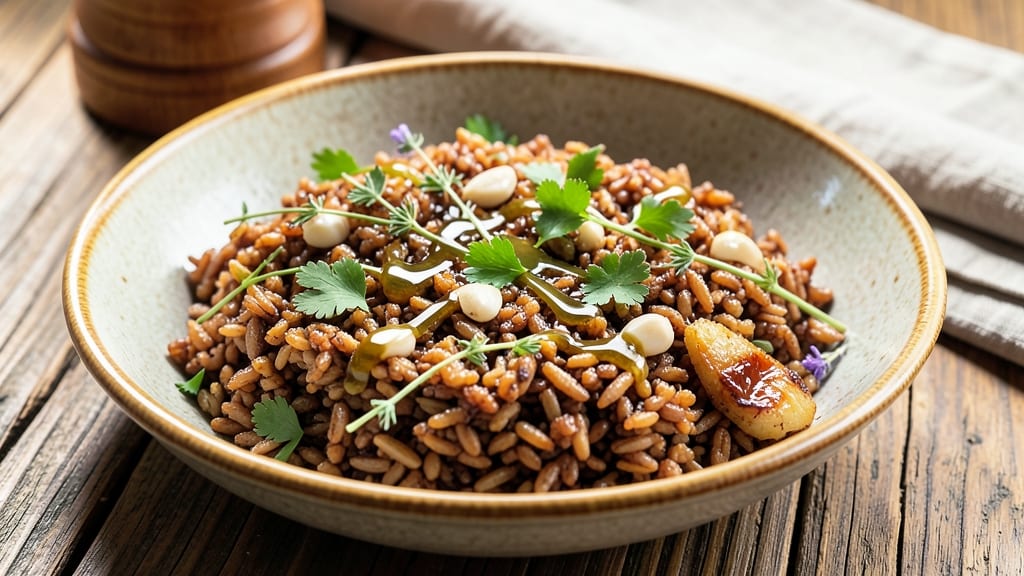
This brown rice dressing recipe transforms simple ingredients into a rich, nutty sauce that elevates salads, grains, and proteins with earthy depth. The key lies in toasting the rice until fragrant, then blending it with tangy vinegar, aromatic herbs, and smooth olive oil—creating a dressing that’s both hearty and versatile.
Perfect for modern bowls or traditional salads, this dressing delivers complex flavor without overpowering your dish. The nutty undertones from the rice pair beautifully with bold greens, roasted vegetables, or grilled meats, while the vinegar and herbs add brightness.
Ready in just 15 minutes, it’s a pantry staple that keeps well for up to a week.
Ingredients for brown rice dressing
Nine simple ingredients create a dressing with nutty depth and vibrant complexity perfect for salads and bowls.
| Ingredient | Amount | Notes |
|---|---|---|
| Short-Grain Brown Rice 🍚 | ½ cup | Uncooked, toasted until nutty |
| Extra-Virgin Olive Oil 🫒 | ¾ cup | High-quality, fruity variety |
| Apple Cider Vinegar 🍏 | ¼ cup | Raw, unfiltered preferred |
| Fresh Garlic Cloves 🧄 | 3 cloves | Peeled, lightly toasted |
| Fresh Parsley Leaves 🌿 | ¼ cup | Stems removed, tightly packed |
| Fresh Thyme Leaves 🌿 | 1 tbsp | Stems removed, loosely packed |
| Diamond Crystal Kosher Salt 🧂 | ½ tsp | Fine grain preferred |
| Freshly Ground Black Pepper 🌶️ | ¼ tsp | Cracked peppercorns |
| Maple Syrup 🍁 | 1 tbsp | Grade B for deeper flavor |
| Toasted Sesame Oil 🫒 | 1 tsp | Lightly toasted, aromatic |
The brown rice is the foundation—short-grain varieties like Calrose or jasmine toast best for that nutty aroma. Trader Joe's and Whole Foods carry excellent options, but any uncooked brown rice works. Toast it in a dry pan until fragrant (about 5 minutes) before cooking—this step makes all the difference. For extra depth, consider adding a pinch of smoked paprika to the toasted rice. The garlic should be freshly peeled and lightly toasted in the same pan as the rice to enhance its flavor without bitterness. If you're short on time, a garlic powder substitute works, but it lacks the aromatic complexity.
No apple cider vinegar? White wine vinegar or rice vinegar both work well, though the flavor profile shifts slightly. Fresh herbs are ideal, but dried parsley and thyme at one-third the amount suffice in a pinch. The maple syrup adds subtle sweetness—Grade B has more molasses notes, but Grade A works fine. For a nut-free option, omit the sesame oil and add an extra teaspoon of toasted olive oil instead. If you prefer a tangier dressing, increase the vinegar by 1 tablespoon. The olive oil should be extra-virgin for optimal flavor; store-bought brands often lack the fruity complexity needed to balance the dressing's earthy notes.
Store the dressing in an airtight container in the refrigerator for up to 1 week, though the flavors meld beautifully after 24 hours. For longer storage, transfer to a sealed jar and freeze for up to 3 months. Shake or whisk before each use to redistribute the rice. This dressing pairs exceptionally well with roasted winter vegetables, grilled proteins, or hearty grain bowls. The nutty undertones make it a versatile addition to both warm and cold dishes, elevating simple salads to restaurant-quality meals.
Why You'll Love This Recipe
- No-Cook Magic: I swear, this dressing comes together with just a blender and zero heat. Toss in pre-cooked rice, a splash of vinegar, and a glug of olive oil—boom, done. The garlic and parsley add depth without the fuss of sautéing.
- Umami Bomb: That nutty brown rice meets tangy apple cider vinegar? It’s a flavor marriage made in heaven. The garlic roasts just enough from the vinegar’s acidity, and the parsley keeps it bright—like a Mediterranean vacation in every bite.
- Lunchbox Hero: Pack it in jars for salads, drizzle it on bowls, or smear it on sandwiches. It stays fresh for days, and honestly? My kids ask for it more than yogurt. The texture’s creamy enough to coat greens but sturdy enough to hold up in a bento box.
- Pantry Stash: Short-grain brown rice is cheap, and this dressing stretches like crazy. I make a big batch on Sundays and use it all week—no waste, no last-minute grocery runs. Plus, the vinegar and oil last forever, so it’s basically free after the first try.
Step-by-step instructions for brown rice dressing
Transform simple ingredients into a rich, nutty dressing that elevates any dish.
Toast the Short-Grain Brown Rice
Heat a dry skillet over medium heat and add the 0.5 cup short-grain brown rice. Stir constantly for 3-4 minutes until the rice turns a deep golden brown and emits a toasty, nutty aroma. This step develops the rice's natural flavors and prevents a bland dressing. Watch closely—it should smell like freshly toasted nuts before moving to the next stage.
Remove the rice from the skillet and transfer it to a food processor. The toasted rice will form the base of your dressing, providing texture and depth. If any rice grains stick to the skillet, scrape them out with a rubber spatula to ensure you use all of it.
Blend the Wet Ingredients
In the food processor, add the 0.75 cup extra-virgin olive oil, 0.25 cup apple cider vinegar, 1 tbsp maple syrup, and 1 tsp toasted sesame oil. Pulse the mixture for 10-15 seconds to combine the liquids. The olive oil should coat the rice evenly, creating a smooth emulsion. If the mixture looks too thick, add 1-2 tablespoons of water to help the blending process.
Next, add the 3 peeled garlic cloves and pulse again for 5 seconds to finely chop them. The garlic should be minced but not paste-like. This ensures a balanced flavor without overpowering the dressing. The raw garlic will soften further during the blending process, so no need to over-process it now.
Incorporate the Herbs and Seasonings
Add the 0.25 cup fresh parsley leaves and 1 tbsp fresh thyme leaves to the food processor. Pulse again for 5-7 seconds until the herbs are finely chopped but still visible. Over-blending will turn the dressing into a paste, which can make it too thick. The herbs should retain some texture to add visual appeal and a fresh, bright contrast to the nutty rice.
Finally, add the 0.5 tsp diamond crystal kosher salt and 0.25 tsp freshly ground black pepper. Pulse just once or twice to distribute the seasonings evenly. Taste the mixture—it should be tangy, slightly sweet, and well-balanced. If you prefer a stronger flavor, add a pinch more salt or a splash of apple cider vinegar.
Blend Until Smooth and Emulsified
With the food processor running, slowly drizzle in 1-2 tablespoons of water as needed while blending continuously. This step ensures the dressing reaches a creamy, pourable consistency without separating. The goal is a smooth, velvety texture that clings beautifully to salads, grains, or bowls.
Blend for 1-2 minutes total, scraping down the sides of the food processor as needed to incorporate any stuck bits. The dressing should be thick but still flow easily when poured. If it’s too thick, add another 1 tablespoon of water and blend again. The final texture should be like a rich, nutty vinaigrette—thick enough to coat but still spreadable.
Rest and Adjust for Perfect Consistency
Transfer the dressing to a clean jar or bowl and let it rest at room temperature for 10-15 minutes. This resting period allows the flavors to meld and the texture to stabilize. Stir once or twice during this time to ensure everything is evenly combined.
Before serving, give the dressing a final taste and adjust the seasoning if needed. If it’s too tangy, add a touch more maple syrup. If it’s too mild, stir in a pinch of salt or a splash of apple cider vinegar. The dressing should be bright, nutty, and perfectly balanced—ready to elevate any dish from ordinary to extraordinary.
Pro Tips For Making Brown Rice Dressing
- Toast the Rice First: Dry-toast the short-grain brown rice in olive oil for 2-3 minutes before adding liquid—it deepens the nutty flavor and prevents that bland, undercooked taste. (Yes, even if your rice package says "no need," trust me on this.)
- Mince Garlic Like Confetti: Use a knife to finely mince the garlic into tiny specks instead of mincing it coarse—it blends smoother and adds a more even, bright punch to the dressing. (No food processor? A mortar and pestle works, but a sharp knife is faster.)
- Pulse Parsley Twice: Pulse the parsley in short bursts—first a few times to rough it up, then again after blending to avoid clumps. (This isn’t a smoothie; you want texture, not a green paste.)
- Thin with Vinegar Gradually: Start with just the vinegar called for, then add more after tasting—it’s easier to fix a dressing that’s too thick than one that’s too tangy. (I learned this after ruining a batch of dressing that tasted like salad vinegar.)
Common mistakes when making this dish
Skipping the Toast
Never skip toasting the brown rice—this is the flavor foundation! Toasting develops the nutty, caramelized notes that make this dressing special. If you cook the rice first, it’ll lack depth and taste bland. I’ve made this mistake and ended up with a dressing that tasted like plain rice pudding.
Use a dry skillet over medium heat and stir constantly for 3-4 minutes until fragrant and golden. 🌰
Over-Blending the Herbs
Pulse the herbs just enough to chop them finely but leave some texture. Over-blending turns the dressing into a thick paste that separates easily. I once blended the parsley and thyme into a fine powder, and the dressing ended up grainy and unappetizing.
Aim for 5-7 seconds of pulsing—just until the herbs are small but still visible. This keeps the texture light and appealing.
Ignoring the Resting Time
Rushing the 10-15 minute rest at room temperature is a big mistake. The dressing needs time to emulsify properly and for flavors to meld. I’ve served it immediately after blending, and it always separates or tastes uneven. Let it sit undisturbed before tasting—this ensures a smooth, cohesive texture every time.
Using Low-Quality Oil
Store-bought olive oil often lacks the fruity complexity needed to balance this dressing. I’ve used cheap, generic brands, and the final product tasted flat and one-dimensional.
Always use extra-virgin olive oil—look for brands like California Olive Ranch or Colavita for the best flavor. The higher quality pays off in every bite.
Adding Too Much Liquid Too Soon
Drizzling in water too quickly while blending can break the emulsion and make the dressing separate. I’ve made this mistake and ended up with a split dressing—oily on top, watery at the bottom.
Instead, add water slowly while blending continuously. Start with 1-2 tablespoons and adjust gradually until you reach the desired consistency.
Not Adjusting Seasoning After Resting
Tasting the dressing immediately after blending gives an inaccurate reading—flavors evolve during the resting period. I’ve served it straight from the food processor, only to realize it needed more salt or vinegar.
Always wait until the dressing has rested, then adjust seasonings to taste. This ensures a perfectly balanced final product.
Nutrition facts
Frequently asked questions
Can I make this dressing without a food processor?
Yes! Use a high-powered blender or even a mortar and pestle for small batches. For a blender, pulse the toasted rice with the wet ingredients first, then gradually add herbs and seasonings. If using a mortar, crush the toasted rice into a fine powder before mixing with the other components. The texture will be slightly chunkier but still delicious.
How long does this dressing keep in the fridge?
This dressing stays fresh for up to 1 week when stored in an airtight container. For longer storage, freeze it in ice cube trays or small jars for up to 3 months. Thaw overnight in the fridge before using. The flavors actually improve after 24 hours of resting in the fridge!
What are the best dishes to use this dressing with?
This nutty dressing shines on warm grain bowls, roasted winter vegetables, and grilled proteins like chicken or salmon. It also works beautifully as a dip for crudités or drizzled over hearty salads with kale, quinoa, or farro. The earthy flavor pairs especially well with smoky or spicy components.
Can I make this dressing gluten-free or nut-free?
This recipe is naturally gluten-free. For nut-free, simply omit the sesame oil and add an extra 1 teaspoon of toasted olive oil instead. The dressing maintains its rich texture and flavor without nuts. Always check your vinegar and maple syrup labels to ensure they're certified gluten-free if needed.
Why does my dressing separate after blending?
Separation usually happens when the emulsion isn't properly stabilized. To fix it, blend again with 1 tablespoon of water while the motor's running. For prevention, add ingredients slowly while blending continuously, and never rush the 10-15 minute resting period. The resting time is crucial for the flavors to meld and the texture to stabilize.