
Main Courses
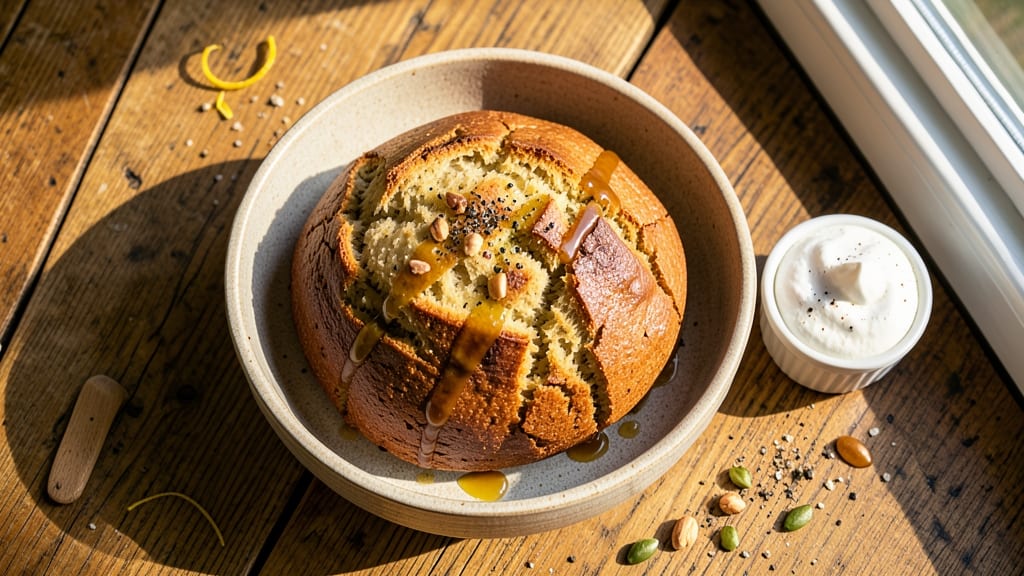
This gluten-free brown rice flour bread delivers a surprisingly light, nutty loaf without yeast or gluten—perfect for sandwiches, toast, or sides. The secret lies in aquafaba (chickpea brine) and a precise mix of baking powder and soda to create lift, while brown rice flour adds a satisfying chew.
I’ve baked this recipe countless times for dietary-restricted households, and it never disappoints.
What makes this bread stand out is its airy yet sturdy texture, achieved through a steam bath during baking. The nutty flavor pairs beautifully with savory fillings or butter, and it stays fresh for days when stored properly.
No yeast means no waiting—just mix, shape, and bake in under an hour. Ideal for those avoiding gluten, dairy, or yeast while still craving bread with real substance.
Ingredients for brown rice flour bread recipe yeast free
Gluten-free essentials plus a few clever substitutes—no yeast, no gluten, all flavor.
| Ingredient | Amount | Notes |
|---|---|---|
| Brown Rice Flour 🌾 | 2 ½ cups | Unbleached, finely milled |
| Aquafaba 🥜 | ¾ cup | Chickpea brine, unsalted |
| Almond Milk 🥛 | ½ cup | Unsweetened, room temperature |
| Extra-Virgin Olive Oil 🫒 | ½ cup | Cold-pressed, fruity |
| White Vinegar 🍶 | 1 tbsp | For acidity balance |
| Baking Powder 🧂 | 2 tsp | Aluminum-free preferred |
| Baking Soda 🧂 | ½ tsp | Freshly opened |
| Salt 🧂 | ½ tsp | Fine sea salt |
| Xanthan Gum 🧪 | ¼ tsp | For binding (optional) |
| Ground Flaxseed 🌱 | 1 tbsp | For egg substitute |
| Water 💧 | 3 tbsp | Room temperature |
| Psyllium Husk Powder 🌿 | 1 tsp | For moisture retention |
Brown rice flour is the star here, but Bob's Red Mill or Anthony's Goods brands make all the difference. Their fine grind ensures a smoother texture. Aquafaba? Save the brine from a can of chickpeas—no cooking required. If you can't find unsalted, rinse the brine first. For the almond milk, unsweetened is a must—any brand works, but Silk or Blue Diamond are reliable. The olive oil should be fruity and cold-pressed, not the cheap cooking oil variety. If you're avoiding xanthan gum, psyllium husk powder is the next best binding agent—Bob's Red Mill sells it in the baking section.
No aquafaba? Vegan aquafaba substitute is 3 tbsp chickpea flour mixed with 3 tbsp water. Short on almond milk? Oat milk or coconut milk works too, but texture may vary slightly. The vinegar can be swapped for lemon juice at half the amount. If you're making a large batch, double the psyllium husk powder—it keeps the bread moist for days. The ground flaxseed needs to be freshly ground for best results, but pre-ground works in a pinch. For extra nuttiness, add 1 tbsp almond extract to the wet ingredients.
Store the bread wrapped in a clean kitchen towel inside an airtight bag to prevent drying. Keeps at room temperature for 3-4 days or in the fridge for 1 week. For longer storage, slice and freeze—3 months max. Reheat slices in a toaster or microwave for 10 seconds. The psyllium husk powder is key for that bread-machine-like chew, but don't overmix the batter—fold just until combined.
Why You'll Love This Recipe
- No Yeast, No Stress: I’ll be real—this bread rises without yeast, yet still feels light thanks to the aquafaba’s magic. Just mix, let it sit, bake. No waiting, no proofing, no fuss.
- Nutty Earthy Crunch: Brown rice flour gives it a subtle toastiness, while the olive oil keeps it tender. That first bite? Like a hug for your taste buds—especially when toasted with a drizzle of honey.
- Meal Prep MVP: Slice it fresh, store it dry, and toast as needed. It’s my go-to for sandwiches, garlic butter dipping, or even croutons. Honestly, I make a batch every Sunday and forget it’s there until I need it.
- Pantry-Friendly Magic: No specialty ingredients—just what’s likely already in your cupboards. Almond milk adds richness, vinegar cuts the heaviness, and the aquafaba (yes, chickpea water) replaces yeast perfectly. Budget-friendly? Absolutely.
Step-by-step instructions for gluten-free brown rice flour bread
This method delivers a surprisingly light, airy loaf using only pantry staples—no yeast required.
Whisk Wet Ingredients for Maximum Lightness
In a large mixing bowl, combine the 0.75 cup aquafaba, 0.5 cup almond milk, 0.5 cup extra-virgin olive oil, and 1 tablespoon white vinegar. Whisk vigorously for 3-4 minutes until the mixture becomes thick, pale, and triples in volume. You'll notice it forms soft peaks—this is how we create the bread's signature airiness without yeast.
Next, add the 1 tablespoon ground flaxseed and 3 tablespoons water, whisking until fully dissolved. The flaxseed acts as our egg substitute, binding the dough while adding structure. Let this mixture rest for 5 minutes while you prepare the dry ingredients. This resting period allows the flaxseed to fully gel, which is crucial for maintaining moisture during baking.
Combine Dry Ingredients and Create the Dough
In a separate bowl, sift together the 2.5 cups brown rice flour, 2 teaspoons baking powder, 0.5 teaspoon baking soda, 0.5 teaspoon salt, 0.25 teaspoon xanthan gum, and 1 teaspoon psyllium husk powder. The psyllium husk is particularly important here—it absorbs moisture and helps create that chewy, bread-like texture.
Gradually pour the dry ingredients into the wet mixture while stirring gently with a silicone spatula. Mix just until combined—you should have a thick, sticky dough that clings to the spatula. Avoid overmixing, as this can develop gluten-like properties in the rice flour and make the bread dense. The dough will be very wet, almost like a thick batter, which is normal for gluten-free breadmaking.
Prepare the Loaf Pan and Shape the Dough
Lightly grease a 9x5-inch loaf pan with olive oil or line it with parchment paper. The pan should be prepared before handling the dough, as it's quite sticky. Using wet hands, transfer the dough to the prepared pan and spread it evenly, pressing down gently to remove any air bubbles. The dough should fill the pan completely, reaching about 1 inch below the rim.
Smooth the top with a wet spatula, then use a toothpick to create a simple crosshatch pattern. This helps the bread rise evenly and creates a more appealing crust. Cover the pan loosely with plastic wrap and let the dough rest at room temperature for 30 minutes. This resting period allows the psyllium husk to fully hydrate and the dough to relax slightly, preventing cracks during baking.
Bake for a Crisp Exterior and Soft Interior
Preheat your oven to 350°F. Place a small baking dish on the lower rack to catch any potential drips. Bake the loaf for 50-55 minutes, until the top is deep golden brown and a toothpick inserted into the center comes out clean. The bread is done when it springs back slowly when pressed gently—this indicates proper doneness.
For the final 5 minutes of baking, you can optionally broil the bread on high to intensify the golden color. Keep a close eye on it during this time to prevent burning. Once done, remove from the oven and let the bread cool in the pan for 10 minutes before transferring to a wire rack. This cooling period is essential—it allows the psyllium husk to fully set and prevents the loaf from becoming gummy.
Slice and Serve for Maximum Freshness
Using a serrated knife, slice the bread into ½-inch thick pieces. For the cleanest cuts, dip the knife in hot water and wipe dry between each slice. The bread will be slightly sticky when first sliced, but it firms up as it cools. Serve warm for the best texture—this bread is at its most tender and flavorful when enjoyed fresh from the oven.
Store any leftovers wrapped tightly in plastic wrap at room temperature for 2 days, or freeze for up to 1 month. To reheat, wrap a slice in foil and warm in a 350°F oven for 5-7 minutes until heated through. The psyllium husk helps maintain moisture, so the bread stays soft even when reheated.
Pro Tips For Making Brown Rice Flour Bread Recipe Yeast Free
- STIR VIGOROUSLY FOR 10 MINUTES: Brown rice flour loves to clump like a stubborn toddler at bath time. Whisk that aquafaba and almond milk mixture by hand for a full 10 minutes—yes, even when it looks fine—until it’s smoother than your favorite silk pajamas. The gluten-free structure needs this elbow grease to hold together later.
- USE COLD ALMOND MILK: I learned this the hard way after my first batch turned into a dense brick. Chill the almond milk in the fridge for 30 minutes before mixing—it creates a better emulsion with the aquafaba and prevents a gummy texture. (Pro move: Shake the carton first to redistribute the cream.)
- DON’T SKIP THE 24-HOUR REST: This isn’t regular bread—it needs time to hydrate properly. After mixing, let the batter sit covered at room temp for at least 24 hours. I know, you want to bake it now, but rushing this step means a crumbly, sad loaf. Trust me, the flavor and texture pay off.
- BRUSH WITH OLIVE OIL BEFORE BAKING: That extra-virgin olive oil isn’t just for flavor—it’s your secret weapon for a crisp crust. Brush the top of your shaped loaf generously with EVOO right before baking, then sprinkle a pinch of salt. The vinegar in the recipe already adds tang, but the oil keeps things from drying out while adding a subtle richness.
Serving suggestions for this recipe
Toasted Perfection
This bread excels as crispy toast—slice it thick and toast in a toaster oven set to 375°F for 3-4 minutes per side until golden. Brush warm slices with garlic-infused olive oil and sprinkle with flaky sea salt for a Mediterranean-inspired treat.
The nutty rice flour flavor shines when caramelized. 🔥
Sandwich Base
Use it as a sturdy sandwich base for hearty fillings like avocado and sprouts, grilled chicken with pesto, or vegan "tuna" salad. The bread holds up better than many gluten-free loaves, especially when lightly toasted first.
For extra flavor, brush slices with mustard or tahini before assembling. 🥪
Dipping Companion
Pair with hummus, guacamole, or vegan ranch for a satisfying snack. The bread’s slight density makes it perfect for scooping—try dipping into spicy harissa or creamy cashew cheese for a flavor boost. Serve with warm pita chips on the side for variety. 🥗
French Toast Twist
Cube the bread and pan-fry in a mix of 1 egg (or flax egg), 0.5 cup almond milk, 1 tsp cinnamon, and 1 tbsp maple syrup over medium-low heat until golden. Top with berries and coconut whipped cream for a restaurant-worthy breakfast. 🍓
Garnish Ideas
Elevate slices with toasted sesame seeds, crushed red pepper flakes, or fresh herbs like thyme or dill. For sweet applications, drizzle with honey or date syrup before serving. The bread’s neutral flavor makes it a blank canvas for toppings. ✨
Meal Prep Hack
Slice the loaf and store in an airtight container with parchment paper between layers. Reheat individual slices in a toaster or skillet for 2 minutes per side** to restore freshness. Perfect for quick lunches or snack packs. 💡
Nutrition facts
Frequently asked questions
Why does this bread need aquafaba instead of yeast?
Aquafaba (chickpea brine) acts as a natural leavening agent, creating air bubbles that replace yeast's role. When whisked vigorously, it forms soft peaks that give the bread its signature lightness—no waiting for fermentation! The psyllium husk and baking powder/soda work together to maintain structure while the aquafaba provides lift.
Can I make this bread without xanthan gum?
Yes! If you skip xanthan gum, increase the psyllium husk powder to 1.5 teaspoons for better binding. The dough may be slightly more crumbly, but the bread will still hold together. For extra moisture, add 1 extra tablespoon of almond milk to the wet ingredients. The texture will be slightly denser but still delicious.
How do I fix if my bread turns out too dense?
Overmixing or underbaking are the most common causes. Next time, whisk the wet ingredients for exactly 3-4 minutes (no longer!) and bake until a toothpick comes out clean. For a quick fix, slice the bread thin and toast it aggressively—heat helps crisp up dense areas. The psyllium husk needs proper hydration, so ensure your dough rests 30 minutes before baking.
Is this bread safe for nut allergies?
Only if you replace the almond milk with a nut-free alternative like oat milk or coconut milk. The recipe contains no other nut ingredients, but always double-check your flour brands for cross-contamination warnings. For extra safety, use certified gluten-free oat flour if needed. The flavor remains neutral enough to accommodate substitutions.
Can I make this bread in a different shape?
Shape it into round boules or mini rolls for appetizers. For boules, form the dough into a ball, place on a parchment-lined baking sheet, and bake at 350°F for 40-45 minutes. For rolls, divide dough into 12 equal portions, shape into balls, and bake on a lined sheet for 20-25 minutes. The baking time will vary slightly by shape.