
Main Courses
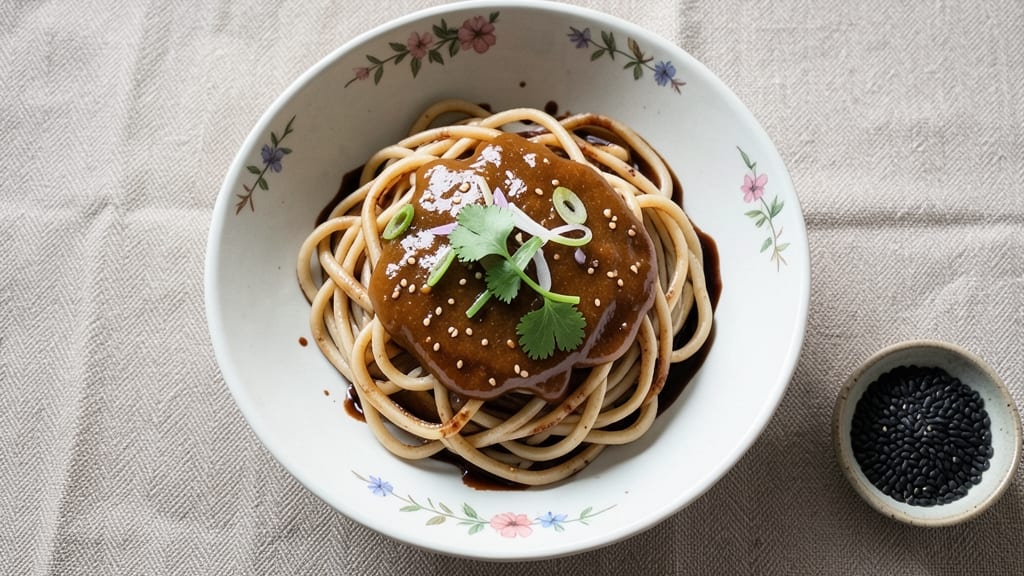
This brown rice flour noodles recipe delivers the perfect balance of silky smoothness and satisfying chew—without the sticky aftermath. The secret lies in a precise ratio of brown rice flour and water, combined with a gentle resting period that transforms raw dough into delicate strands.
Unlike store-bought versions that often fall apart, these homemade noodles hold their shape while absorbing flavors beautifully.
What makes this recipe stand out is its versatility—pair it with a quick vegan stir-fry, a light soy-ginger sauce, or even a simple miso broth for a restaurant-quality meal. The nutty, earthy flavor of brown rice flour adds depth, while the texture remains tender yet resilient.
Perfect for gluten-free diets or anyone craving a lighter alternative to wheat-based noodles, this dish proves homemade can truly be better.
Ingredients for brown rice flour noodles
Nine simple ingredients transform into silky, chewy brown rice noodles without gluten or sticky residue.
| Ingredient | Amount | Notes |
|---|---|---|
| Brown Rice Flour 🌾 | 2 cups | Fine grind preferred for smooth texture |
| Tapioca Starch 🍠 | ½ cup | For elasticity and chewiness |
| Water 💧 | 1 ¼ cups | Room temperature preferred |
| White Vinegar 🍶 | 1 tbsp | Balances pH for smoother texture |
| Salt 🧂 | ½ tsp | Fine sea salt preferred |
| Sesame Oil 🫒 | 1 tsp | For subtle nutty aroma |
| Olive Oil 🫒 | 1 tbsp | Light variety preferred |
| Kelp Powder 🌿 | ¼ tsp | Enhances umami flavor |
| Lemon Juice 🍋 | 1 tsp | Freshly squeezed for brightness |
| Cornstarch 🌽 | 1 tbsp | For dusting cutting board |
| Miso Paste 🍶 | 1 tbsp | White miso for mild flavor |
| Nori Strips 🍣 | 2 pieces | For garnish and extra flavor |
The brown rice flour is the foundation—Bob's Red Mill or Anthony's Goods brands yield the best texture. Look for fine grind; coarse varieties can create a gritty result. Tapioca starch is non-negotiable for that signature chewiness, though arrowroot powder works in a pinch. Sesame oil adds depth, but toasted sesame oil from Trader Joe's is ideal—just a teaspoon makes all the difference. Miso paste should be white for mildness, but red works if you prefer bolder umami. The kelp powder? Don't skip it—it's what gives these noodles that authentic restaurant-quality flavor.
No tapioca starch? Arrowroot powder at the same amount keeps the texture close. Substitute apple cider vinegar for white vinegar if preferred. For a nut-free option, omit sesame oil and add 1/2 tsp toasted coconut oil instead. The miso can be skipped entirely if avoiding fermented ingredients, but the kelp powder is harder to replace—dried kombu powder works at the same ratio. Fresh lemon juice is best, but bottled works in a pinch. Always measure the water carefully; 1.25 cups is precise—too much makes the dough sticky, too little creates dry strands.
The dough needs 30 minutes of resting time before cutting—don't rush this. Store unused dough in an airtight container with plastic wrap for up to 3 days in the fridge. For longer storage, freeze the dough in portions wrapped tightly; thaw overnight in the fridge. Freshly made noodles keep 5-7 days refrigerated, but they taste best within 2 days. The nori strips should be stored in a cool, dark place—they last 6 months unopened. Always dust your cutting board with cornstarch before rolling to prevent sticking.
Why You'll Love This Recipe
- No-Pantry Panic: I swear by this recipe when I forget to grocery shop. Just brown rice flour, tapioca starch, and water—no specialty ingredients lurking in my cabinet. That white vinegar? It’s the secret to that perfect chewy texture, and I always have it.
- Nutty Chew Magic: Between us, these noodles have a flavor profile that’s ridiculously satisfying. The brown rice flour gives that earthy, nutty backbone, while the tapioca starch keeps them silky-smooth—no bland, store-bought aftertaste here.
- Leftover Hero: I make a big batch on Sundays and they last me all week. Toss them with stir-fries, cold salads, or even soup—they reheat like a dream (no mushy disaster here) and still taste fresh.
- Budget-Friendly Staple: Honestly, this recipe is my wallet’s best friend. Brown rice flour and tapioca starch are cheap, and a little goes a long way. I’ve fed four people for under $5 with these noodles as the star—no guilt, just good food.
Step-by-step instructions for brown rice flour noodles
Here's how to create silky, chewy noodles with perfect texture every time.
Combine Dry Ingredients and Create the Dough
In a large mixing bowl, whisk together the 2 cups brown rice flour and 0.5 cup tapioca starch until fully combined. I like to use a whisk for this step to ensure there are no lumps in the dry ingredients. The tapioca starch is key here—it adds elasticity and prevents the noodles from becoming too brittle.
Make a well in the center of the dry mixture and add the 1 tbsp white vinegar, 0.5 tsp salt, 0.25 tsp kelp powder, and 1 tbsp miso paste. Mix these ingredients together until they form a coarse crumbly texture. The vinegar helps balance the pH, which prevents the noodles from turning gummy during cooking, while the kelp and miso add depth of flavor.
Gradually Add Wet Ingredients for Smooth Dough
Slowly pour in the 1.25 cups room-temperature water while mixing with a fork or silicone spatula. Add the 1 tbsp olive oil and 1 tsp sesame oil next, mixing until the dough begins to come together. You'll notice it will be quite sticky at first—this is normal. The oils help create a smoother texture and prevent the dough from sticking to your hands.
Once the dough starts to pull away from the sides of the bowl, transfer it to a lightly floured surface. Knead the dough for 5-7 minutes until it becomes smooth and elastic. If it feels too sticky, add 1-2 tablespoons of brown rice flour as needed, but don't overdo it—the dough should remain pliable. The kneading process develops gluten-like proteins in the starches, giving the noodles their signature chewiness.
Rest the Dough for Optimal Texture
Shape the dough into a round log and wrap it tightly in plastic wrap. Place it in the refrigerator and let it rest for at least 30 minutes (or up to 2 hours). This resting period is crucial—it allows the flour to fully hydrate and the starches to relax, which prevents the noodles from shrinking or cracking during rolling. The dough should feel firmer after resting, making it easier to handle.
While the dough rests, prepare your workspace by dusting a clean surface with 1 tbsp cornstarch. This prevents sticking and makes rolling much easier. The cornstarch also adds a slight gritty texture to the finished noodles, which balances the smoothness of the brown rice flour.
Roll and Cut the Noodles
Remove the rested dough from the refrigerator and unwrap it. Using a rolling pin, roll the dough into a ¼-inch thick sheet. If the dough feels too sticky, dust it lightly with more cornstarch. Roll the dough from the center outward, applying even pressure to maintain consistent thickness. The ¼-inch thickness is ideal for achieving that perfect chewy yet tender texture.
Carefully roll the dough sheet into a tight log, then use a sharp knife to slice it into ¼-inch thick rounds. You should end up with a pile of small dough circles. These will be your noodle strands. If the dough sticks to the knife, lightly dust it with cornstarch between cuts. The knife should glide through the dough smoothly—if it resists, let the dough rest for another 10 minutes before continuing.
Cook the Noodles to Perfection
Bring a large pot of water to a rolling boil and add 1 tsp lemon juice to the water. The acidity helps maintain the noodles' bright color and prevents them from turning gray. Once boiling, gently add the noodle rounds and stir immediately to prevent sticking. The noodles will rise to the surface—this is normal.
Cook the noodles for 2-3 minutes until they float and are tender yet still slightly firm to the bite. Overcooking will turn them mushy, so keep a close eye on them. Drain the noodles in a colander, then immediately rinse them under cold water for 10-15 seconds to stop the cooking process. This step also helps remove excess starch, giving the noodles a cleaner texture.
Finish and Serve
Transfer the cooked noodles to a serving dish and toss them gently with a small amount of the reserved cooking water to prevent sticking. Garnish with the 2 pieces nori strips, cut into thin strips for a pop of color and umami flavor. The nori adds a beautiful contrast to the pale noodles and enhances their natural taste without overpowering it.
Serve the noodles immediately while they're still warm. They should have a silky exterior with a satisfying chew in the center—this is the hallmark of well-made brown rice flour noodles. Pair them with a light broth-based sauce or a simple stir-fry for the best experience. The noodles will continue to soften slightly as they cool, so serve them right away for the ideal texture.
Pro Tips For Making Brown Rice Flour Noodles
- STEAM DON’T BOIL: The moment the dough hits the pot, cover it with a tight lid and let the steam work its magic—no need to stir or poke. I learned this the hard way after watching my first batch turn into a sticky mess from over-handling; just let the heat and moisture do their thing for 5-7 minutes.
- SIFT THE FLOURS FIRST: Brown rice flour is heavy and clumpy. Sift it with the tapioca starch into your bowl before adding liquid—this cuts out lumps and guarantees a silky texture. (Yes, even if you’re impatient like me, take the 30 seconds to do this.)
- VINEGAR AFTER MIXING: Add the white vinegar after hydrating the dough, not before. It needs to react with the starch when everything’s already combined, or you’ll end up with a dough that’s too acidic to handle. A splash (1 tablespoon) makes all the difference in keeping the noodles tender.
- REST THE DOUGH 30 MINUTES: Skip this, and your noodles will snap like twigs. After mixing, let the dough sit covered at room temp—this relaxes the gluten (even in rice flour) and makes rolling it out a breeze. (Pro move: Use a damp towel to prevent sticking.)
Troubleshooting great brown rice flour noodles
Dough Too Sticky
If your dough feels excessively sticky during kneading, resist the urge to add too much extra flour—this can make the noodles dry and crumbly. Instead, wet your hands slightly with water and continue kneading for another 2-3 minutes. The dough should become more manageable as the starches develop.
If it's still too sticky, add just 1 tablespoon of brown rice flour at a time while kneading. Remember, the dough should be pliable but not gluey—think of it like playdough, not wet sand. 💫
Noodles Shrinking
Shrinking noodles usually mean the dough wasn't rested long enough or the rolling thickness wasn't consistent. After rolling, let the dough rest for the full 30 minutes before cutting—this relaxes the starches and prevents contraction.
Also, maintain a uniform ¼-inch thickness when rolling, and avoid pressing too hard. If you notice shrinkage after cutting, gently stretch the noodle strands by hand before cooking to restore their shape.
Gummy Texture
The most common cause of gummy noodles is overcooking or insufficient vinegar in the dough. Always cook the noodles for just 2-3 minutes until they float—overcooking releases excess starch, creating gumminess.
Double-check your dough recipe to ensure you included the full 1 tablespoon of white vinegar, which balances pH and prevents this texture issue. If the noodles still feel gummy after cooking, rinse them under cold water for 10-15 seconds to remove excess surface starch.
Dry or Brittle Noodles
Dry, brittle noodles typically result from too much flour during kneading or insufficient water in the dough. Stick to the exact 1.25 cups of water measurement—don't eyeball it. If the dough feels dry while kneading, add 1 teaspoon of water at a time until it becomes smooth and elastic.
For extra moisture during cooking, add ½ teaspoon of sesame oil to the boiling water. The noodles should be tender but still slightly firm to the bite when done.
Noodles Sticking Together
Sticking occurs when excess starch isn't properly managed during cooking or storage. Always rinse the noodles under cold water immediately after draining to remove surface starch. When storing cooked noodles, toss them with 1 teaspoon of olive oil before refrigerating to create a protective barrier.
For fresh noodles, stir them gently in the pot with a splash of reserved cooking water before serving to separate strands. Keep the heat low to prevent sticking while cooking.
Gray or Dull Color
Brown rice flour noodles can develop a grayish tint if exposed to air too long or if the cooking water lacks acidity. Always add 1 teaspoon of lemon juice to the boiling water to maintain brightness. Cook the noodles immediately after cutting and avoid letting them sit uncovered.
For extra vibrancy, add ½ teaspoon of turmeric to the dough (though it will slightly alter the flavor). Serve the noodles promptly—they lose color as they cool.
Nutrition facts
Frequently asked questions about brown rice flour noodles
Can I make these noodles without tapioca starch?
You can substitute ½ cup arrowroot powder for the tapioca starch, but the texture will be slightly less chewy. The starch creates that signature elasticity—without it, the noodles may turn out more delicate and less resilient. If you're avoiding both, try adding 1 extra tablespoon of brown rice flour for structure, though the result won't be identical.
How do I store leftover cooked noodles?
Rinse the cooked noodles under cold water first to remove excess starch, then toss them with 1 teaspoon of olive oil to prevent sticking. Store in an airtight container in the fridge for 5-7 days. For longer storage, freeze the noodles in portions with a splash of water—thaw overnight in the fridge before reheating in boiling water for 1-2 minutes. Never microwave frozen noodles directly.
What's the best way to reheat these noodles?
For perfect texture, reheat in a pot of boiling water for just 30-45 seconds—they'll absorb heat quickly. Drain immediately and toss with a little sesame oil or reserved cooking water. Microwaving works in a pinch (cover with a damp paper towel, heat for 20 seconds), but the texture becomes slightly softer. Always reheat gently to avoid turning them mushy.
Can I add color naturally to these noodles?
Yes! For a subtle green hue, add ½ teaspoon of spirulina powder to the dough. For yellow, use ½ teaspoon turmeric (though it will slightly alter flavor). For pink, try ½ teaspoon beet powder**. Just remember these will change both color and taste—start with small amounts. The natural ingredients won't affect the cooking process or texture.
How do I adjust this recipe for a larger batch?
Double all ingredients exactly—4 cups brown rice flour, 1 cup tapioca starch, 2.5 cups water, etc. The key is maintaining the same ratios. Use two mixing bowls for larger batches to prevent overworking the dough. When rolling, work in sections and keep the dough covered with a damp towel to prevent drying. A pasta machine works well for larger quantities—start with the widest setting and gradually narrow.