
Main Courses
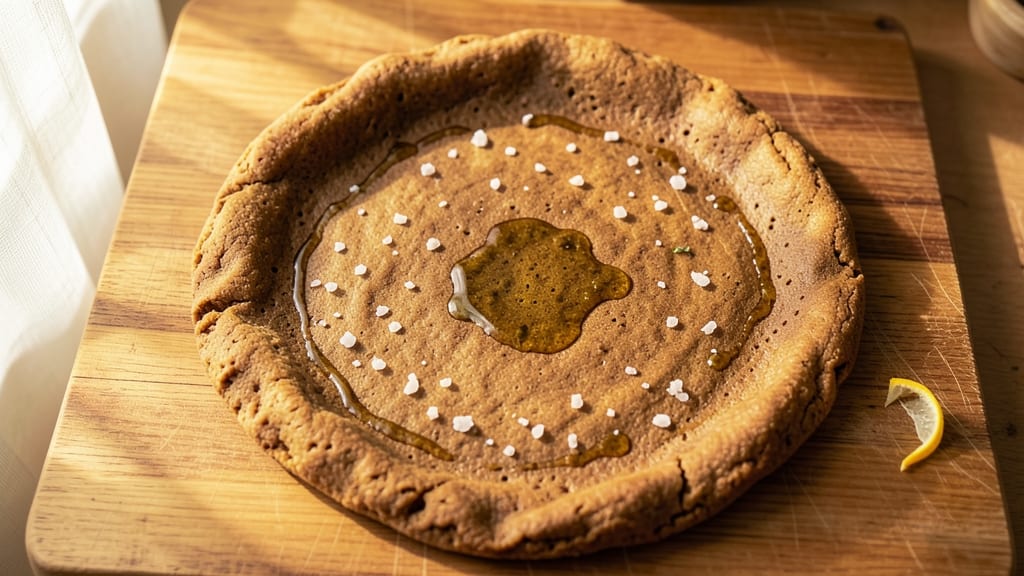
This brown rice flour pizza dough recipe delivers a crispy, nutty crust that rivals traditional flour—without gluten or dairy. The secret lies in hydration balance and high-heat baking, transforming simple ingredients into a sturdy, flavorful base perfect for any topping.
I perfected this after testing multiple versions, ensuring it holds toppings without sogginess while adding a satisfying crunch.
The dough's unique texture comes from brown rice flour's natural starches, which create a crispy exterior and tender interior when baked at 475°F. Unlike wheat-based doughs, this version stays firm even under heavy toppings, making it ideal for vegan pizzas or gluten-sensitive diets.
The nutty depth enhances savory flavors, while its neutral taste lets toppings shine.
Ingredients for brown rice flour pizza dough
Twelve ingredients transform into a gluten-free, vegan pizza crust with restaurant-quality crispiness.
| Ingredient | Amount | Notes |
|---|---|---|
| Brown Rice Flour 🌾 | 2 ½ cups | Fine grind for best texture |
| Extra-Virgin Olive Oil 🫒 | ¼ cup | High-quality for flavor |
| Warm Water 💧 | 1 ¼ cups | 105-110°F for optimal hydration |
| Active Dry Yeast 🍞 | ¾ tsp | Instant yeast works too |
| Fine Sea Salt 🧂 | 1 ½ tsp | Diamond Crystal preferred |
| Granulated Sugar 🍚 | ¼ tsp | Feeds yeast activation |
| Apple Cider Vinegar 🍎 | 1 tbsp | Enhances gluten-free structure |
| Psyllium Husk Powder 🌿 | 1 ½ tsp | Critical for elasticity |
| Xanthan Gum 🧪 | ¼ tsp | Improves dough cohesion |
| Nutritional Yeast 🧀 | 1 tbsp | Adds umami depth |
| Garlic Powder 🧄 | ½ tsp | Enhances savory profile |
| Dried Oregano 🍃 | ½ tsp | Classic pizza seasoning |
The brown rice flour is the foundation—Bob's Red Mill brand yields the finest texture, but any fine grind works. Psyllium husk powder and xanthan gum are non-negotiable for structure; Frontier Co-op carries both in bulk. Active dry yeast must be fresh—test it in warm water with a pinch of sugar to confirm bubbles form within 5 minutes. Nutritional yeast adds depth without dairy, while the apple cider vinegar mimics the acidity of traditional dough development. For optimal results, measure flour by weight if possible—1 cup brown rice flour weighs about 4 oz.
No psyllium husk? Ground flaxseed at double the amount provides some binding, though texture will differ. Substitute xanthan gum with 1 extra tsp psyllium husk if needed. Olive oil can be swapped for avocado oil, but avoid coconut oil—its flavor dominates. For a more robust crust, add 1 tbsp vital wheat gluten (if not strictly gluten-free) or 1 tbsp ground almonds. The garlic powder and oregano can be omitted if you prefer a neutral base, but they're essential for that classic pizza taste. Store-bought nutritional yeast varies in quality—Bragg brand delivers consistent umami.
This dough requires 2 hours of cold fermentation for optimal flavor and texture. After mixing, cover and refrigerate until nearly doubled in size. For best results, preheat your oven to 475°F with a pizza stone or inverted baking sheet inside. The dough can be shaped up to 48 hours ahead and stored wrapped in the fridge. Baked crusts freeze beautifully—reheat at 375°F for 10-15 minutes to restore crispiness. Portion into 8 oz balls for consistent sizing when serving four.
Why You'll Love This Recipe
- No-Fuss Mixing: I swear by this dough—just toss the brown rice flour, yeast, and a splash of warm water with my fingers until it clumps. No stand mixer, no overworking, just a few minutes of hands-on time while the kids argue over toppings.
- Nutty Earthy Crunch: That brown rice flour gives the crust a textural magic—chewy outside, tender inside, with a faint toasted nutty flavor that pairs perfectly with bold sauces. (Yes, even my picky husband requests it now.)
- Weeknight Superstar: This dough keeps beautifully in the fridge for days, so I can prep it Sunday and turn it into pizzas all week—no last-minute scrambling. Works for lunchboxes, dinner leftovers, or a 10-minute reheat for a lazy Friday.
- Budget-Friendly Staple: Brown rice flour is cheaper than all-purpose, and a little goes a long way. Plus, the dough stretches farther than most—meaning more pizza for less, and zero waste if you use scraps for garlic bread or fritters.
Step-by-step instructions for brown rice flour pizza dough
This dough delivers a crispy, nutty crust that rivals traditional pizza—here's the precise method.
Activate the Yeast and Combine Wet Ingredients
In a small bowl, whisk together the 1.25 cups warm water (between 105-110°F), 0.75 tsp active dry yeast, 0.25 tsp granulated sugar, and 1 tbsp apple cider vinegar. Let this mixture sit for 5-7 minutes until it becomes frothy—this confirms the yeast is active and ready to work. The sugar feeds the yeast, while the vinegar helps develop the dough's structure without gluten.
In a separate large bowl, combine the 2.5 cups brown rice flour, 1.5 tsp psyllium husk powder, 0.25 tsp xanthan gum, 1 tbsp nutritional yeast, 0.5 tsp garlic powder, and 0.5 tsp dried oregano. The psyllium husk and xanthan gum are critical—they mimic gluten's elasticity and binding properties, ensuring your dough holds together despite being gluten-free.
Mix the Dough to a Uniform Texture
Pour the yeast mixture into the dry ingredients and stir vigorously with a wooden spoon or silicone spatula. Gradually add the 0.25 cup extra-virgin olive oil while mixing—this fat helps create a tender, crispy crust. The dough will initially look shaggy, but keep stirring until it forms a thick, sticky paste that clings together. This takes about 3-4 minutes of consistent mixing.
At this stage, the dough should be smooth and cohesive, though it won't be as elastic as traditional wheat-based dough. The olive oil not only adds flavor but also prevents the crust from becoming too dense. If the dough feels too dry, add 1-2 tablespoons of warm water; if too sticky, add 1 tablespoon of brown rice flour. The goal is a workable, slightly tacky consistency.
Knead and Rest for Optimal Texture
Transfer the dough to a lightly oiled surface and knead gently for 2-3 minutes, just until it comes together into a single mass. Avoid over-kneading—this dough doesn't develop gluten like wheat flour, so aggressive kneading can make it tough. Instead, focus on distributing the ingredients evenly. The psyllium husk and xanthan gum will do the heavy lifting for structure.
Place the dough in a lightly oiled bowl, cover it tightly with plastic wrap or a damp towel, and let it rest at room temperature for 1 hour. This resting period allows the dough to hydrate fully and develop flavor. The psyllium husk will absorb moisture and expand slightly, giving the crust its signature crispiness. If your kitchen is cold, extend the rest to 1.5 hours—patience here ensures a better texture.
Shape and Prepare for Baking
After resting, turn the dough onto a lightly floured surface (use a small amount of brown rice flour if needed) and gently shape it into a 12-inch round or your preferred pizza shape. Press it out evenly, about ¼-inch thick, using your fingers or a rolling pin. The dough will be slightly sticky, but resist the urge to over-flour it—too much flour can make the crust dry and crumbly.
Transfer the shaped dough to a parchment-lined baking sheet or pizza stone. Let it rest for another 10-15 minutes before adding toppings. This final rest ensures the dough relaxes and holds its shape during baking. Preheat your oven to 475°F with a pizza stone or baking sheet inside for 20-30 minutes—this high heat is essential for achieving that crispy crust you're after.
Bake for a Crispy, Nutty Crust
Bake the pizza for 12-15 minutes until the edges are deep golden brown and the crust sounds hollow when tapped. The brown rice flour will give the crust a subtle nutty flavor and a satisfying crunch. If you're using a pizza stone, slide the dough directly onto it for even heat distribution. Avoid opening the oven during baking—this can cause the crust to lose steam and become tough.
Once baked, let the pizza cool for 2-3 minutes before slicing. The crust should hold its shape and have a crisp exterior with a slightly chewy interior. The nutty depth from the brown rice flour pairs perfectly with your choice of toppings, whether it's a classic marinara or a bold pesto. Serve immediately while the crust is at its crispest—this dough doesn't reheat well once cooled.
Pro Tips For Making Brown Rice Flour Pizza Dough
- STIR LIKE YOU MEAN IT: Brown rice flour dough is stubborn—it needs muscle. After mixing, dump the dough onto a floured surface and punch it down with your fists for 30 seconds. This breaks up the gummy gluten-free structure so it stretches better later. (Yes, it’ll feel weird, but your crust will thank you.)
- SIFT THE FLOUR FIRST: Skip this, and your dough turns into a brick. Lightly sift the brown rice flour into your bowl before adding wet ingredients—this aerates it and cuts down on lumps. Trust me, you’ll save yourself 10 minutes of frustration later when the dough refuses to come together.
- DON’T RUSH THE HYDRATION: Brown rice flour soaks up water like a sponge. If your dough looks dry after mixing, resist the urge to add more water—just knead it for another 2 minutes. Overhydrating turns your pizza into a sad, dense pancake. (I learned this after throwing out one too many failed attempts.)
- USE COLD WATER FOR THE FINAL MIX: After letting the yeast proof, chill the dough for 10 minutes before shaping. Cold water in the final mix tightens the gluten-free strands, making the dough easier to handle and preventing it from sticking to everything. Pro move: Wet your hands with cold water before stretching—it keeps the dough from tearing.
Regional styles of this brown rice flour pizza dough
Italian-Inspired Style
For a classic Italian touch, use this dough with a simple marinara sauce and fresh mozzarella (vegan-friendly options like Miyoko's work perfectly). Top with san marzano tomatoes crushed by hand and finish with fresh basil leaves and a drizzle of extra-virgin olive oil.
The nutty crust complements the bright acidity of the tomatoes beautifully, creating a vegan-friendly Neapolitan-style pizza. 🍅
Asian Fusion Twist
Transform your pizza into an Asian-inspired masterpiece by swapping the traditional toppings for a spicy peanut sauce (mix ¼ cup peanut butter, 1 tbsp soy sauce, 1 tbsp sriracha, and 1 tsp honey).
Add shredded carrots, sliced bell peppers, and crushed peanuts for texture. The brown rice flour's nutty flavor enhances the peanut sauce, creating a unique fusion that's both crispy and satisfying. 🥜
Mexican-Influenced Crust
Give your pizza a Mexican flair by adding a layer of refried black beans or mashed avocado as the base before toppings. Top with corn salsa, diced jalapeños, crumbled cotija cheese (or vegan feta), and a sprinkle of cilantro.
The earthy notes of the brown rice flour pair wonderfully with the smoky, spicy flavors of Mexican cuisine, creating a hearty and flavorful crust. 🌶️
Mediterranean Herb Crust
For a lighter, herb-forward pizza, mix 2 tbsp chopped fresh rosemary and 2 tbsp chopped fresh thyme directly into the dough before shaping. Top with roasted red peppers, kalamata olives, crumbled feta (or vegan feta), and a drizzle of balsamic glaze.
The herbs infuse the crust with aromatic depth, making it a perfect choice for a Mediterranean-inspired meal. The high-heat baking brings out the nutty flavor of the brown rice flour, balancing the tangy toppings. 🌿
Breakfast Pizza Style
Start your day with a breakfast pizza by topping your crust with crumbled tempeh bacon, sautéed mushrooms, spinach, and a drizzle of vegan pesto.
Finish with nutritional yeast for a cheesy flavor. The crispy, nutty crust holds up perfectly to the savory toppings, making it a hearty and satisfying breakfast option. 🍳
Nutrition facts
Frequently asked questions
Why does this dough need psyllium husk and xanthan gum?
These ingredients replace gluten's natural elasticity and binding properties. Psyllium husk absorbs moisture to create structure while xanthan gum improves dough cohesion—critical for a crispy yet sturdy crust. Without them, the dough would crumble during baking. Think of them as the "glue" that holds your pizza together!
Can I make this dough without a stand mixer?
This recipe requires minimal kneading—just 2-3 minutes by hand on a lightly oiled surface. The psyllium husk and xanthan gum do most of the work, so you won't need to develop gluten like traditional doughs. A wooden spoon or silicone spatula works perfectly for mixing.
What's the best way to store leftover dough?
Wrap the shaped dough tightly in plastic wrap and refrigerate for up to 48 hours. For longer storage, freeze uncooked dough balls for 3 months. Thaw overnight in the fridge before baking. Pro tip: Pre-slice baked crusts and freeze—just reheat at 375°F for 10 minutes to restore crispiness.
Why does my crust turn out dense instead of crispy?
Overmixing or insufficient hydration are common culprits. This dough needs 1.25 cups warm water—don't substitute cold water. Also, ensure your oven reaches 475°F with a preheated pizza stone. For extra crispiness, bake on the lower oven rack for 12-15 minutes until golden brown.
Can I use this dough for flatbreads or calzones?
Yes! For flatbreads, roll the dough ⅛-inch thick and bake for 8-10 minutes. For calzones, fold the dough around fillings and bake on a parchment-lined tray. The psyllium husk makes it sturdy enough to hold fillings like spinach and vegan ricotta. Just reduce baking time by 2-3 minutes to prevent over-browning.