
Main Courses
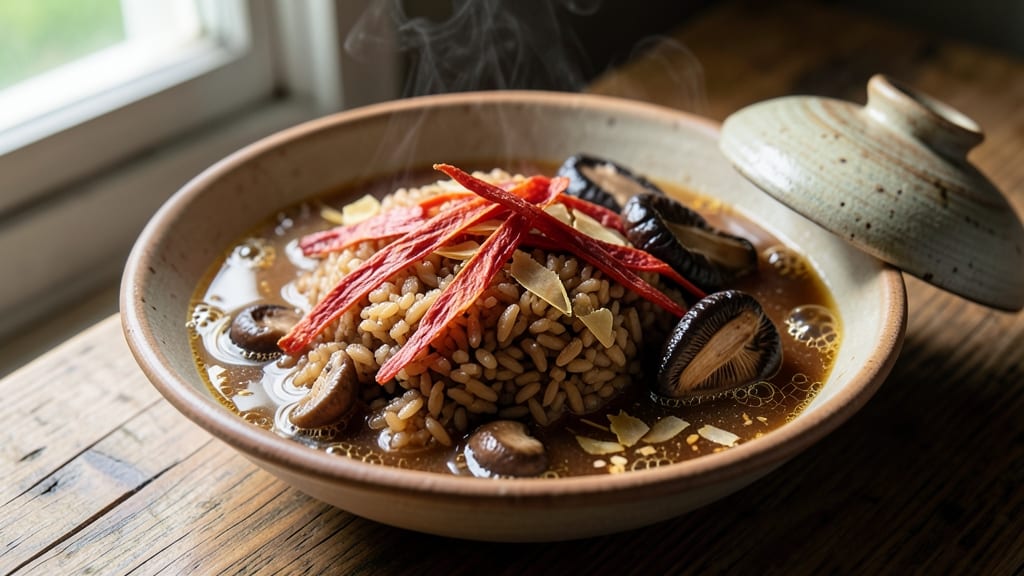
Brown rice kanji transforms simple ingredients into a fragrant, heartwarming Japanese staple that feels like home in every bite. This one-pot recipe combines nutty brown rice with tender kanji (dried gourd strips) simmered in dashi broth, creating a dish that’s both comforting and deeply traditional. The key lies in proper soaking and layering flavors—simple steps that yield restaurant-quality results.
The beauty of this dish is its versatility—serve it as a light main course with miso soup and pickles, or pair it with grilled fish for a complete meal. Each component balances perfectly: the earthy rice, the delicate kanji, and the umami-rich broth.
It’s the kind of dish that feels special without requiring hours in the kitchen, making it ideal for weeknights or cozy gatherings.
Ingredients for brown rice kanji
Simple ingredients for a dish that feels like home—earthy rice, delicate gourd, and umami-rich broth.
| Ingredient | Amount | Notes |
|---|---|---|
| Brown Rice 🌾 | 1 cup | Uncooked, long-grain preferred |
| Dried Kanji (Dried Gourd Strips) 🍈 | ½ cup | Japanese dried gourd, available at Asian markets |
| Dashi Broth 🍜 | 4 cups | Instant or homemade, unsalted |
| Dried Shiitake Mushrooms 🍄 | 4 whole | Rehydrated in hot water |
| Kombu (Dried Kelp) 🍃 | 1 piece | 4x6-inch sheet, for dashi |
| Bonito Flakes 🐟 | 2 tbsp | For dashi, optional |
| Soy Sauce 🧂 | 2 tbsp | Japanese preferred |
| Mirin 🍶 | 1 tbsp | Sweet rice wine |
| Sesame Oil 🫒 | 1 tsp | Toasted for aroma |
| Green Onion 🧅 | 2 whole | Thinly sliced, for garnish |
| Salt 🧂 | ½ tsp | Adjust to taste |
| Water 💧 | 3 cups | For soaking kanji |
The kanji is the star, so source it from an Asian market—the dried strips should be firm and free of cracks. If you can't find it, Japanese grocery stores like Mitsuwa or H Mart always carry it. For the dashi, homemade is ideal—simmer kombu in water for 10 minutes, then add bonito flakes—but instant dashi works in a pinch. The brown rice should be well-rinsed before cooking to remove excess starch, which keeps the grains separate. I always use Japanese short-grain brown rice if available, though regular brown rice works fine.
No kanji? Substitute extra shiitake mushrooms or zucchini strips—they add texture but lack the delicate sweetness. Short on mirin? White wine plus 1 tsp sugar mimics the flavor. The soy sauce can be swapped for tamari if gluten-free is needed. For the kombu, if you can't find it, nori sheets work in a bind, though the flavor will differ slightly. The green onions are purely for garnish—skip if you prefer a cleaner presentation. Toast the sesame oil in a dry pan for 30 seconds before adding to the dish for deeper flavor.
The kanji needs a 4-hour soak in cold water before using—don't skip this step. Store dried kanji in an airtight container away from light for up to 6 months. Leftover kanji can be rehydrated and used in soups or stir-fries. The cooked dish keeps well in the fridge for 3-4 days, with flavors deepening over time. For freezer storage, portion into airtight containers and thaw overnight in the fridge before reheating.
Why You'll Love This Recipe
- Foolproof Simplicity: I swear by this one—just rinse the brown rice, toss in the dried kanji and shiitake, and let the dashi broth do the work. No chopping, no fuss, and honestly? The hardest part is waiting for it to simmer.
- Umami Bomb Combo: That first bite? The kombu adds this deep, oceanic richness, while the kanji soaks up all the savory dashi like a sponge. Between us, it’s the kind of flavor that makes you pause mid-bite—even my picky husband stops mid-conversation.
- Weeknight to Potluck: Same recipe, endless uses. Serve it warm with miso soup for a lazy night in, or pack it cold for work lunches—it stays hearty and satisfying. (Yes, even on a Tuesday night.)
- Budget Meal Magic: Dried ingredients mean this dish costs pennies per serving, and the leftovers? Even better the next day. I’ve reheated this for three days straight, and it’s still the star of the meal—no one misses the fresh version.
Step-by-step instructions for brown rice kanji
This simple one-pot method delivers fragrant, tender brown rice with delicate gourd and umami depth.
Prepare the Dashi Broth
In a medium pot, combine the 3 cups water, 1 piece Kombu, and 2 tbsp Bonito Flakes. Bring to a gentle simmer over medium heat until small bubbles form around the edges. Immediately remove from heat and let steep for 5 minutes—this preserves the kombu's delicate flavor. Strain through a fine-mesh sieve, pressing gently on the kombu to extract all liquid. Discard the kombu and bonito flakes.
Return the strained dashi to the pot and bring back to a simmer. Add the 4 whole Dried Shiitake Mushrooms and simmer for 10 minutes until they soften and expand. Remove the mushrooms with a slotted spoon and set aside for later use. Keep the broth warm over low heat—it's the foundation of your kanji's flavor.
Soak and Prepare the Kanji
Place the 0.5 cup Dried Kanji (Dried Gourd Strips) in a small bowl and pour the 3 cups Water over them. Let soak for 15 minutes until they soften and expand to about twice their original size. Drain any excess water but don't rinse—the kanji will release its delicate flavor as it cooks.
While the kanji soaks, prepare the shiitake mushrooms by slicing them into ¼-inch thick pieces if they're large. This ensures even cooking and better texture. Keep them separate for now—they'll be added later for maximum flavor infusion.
Cook the Brown Rice
In the same pot with the warm dashi broth, add the 1 cup Brown Rice and 0.5 tsp Salt. Stir gently to distribute the rice evenly. Bring to a boil over medium-high heat, then immediately reduce to low heat. Cover with a tight-fitting lid and simmer for 30 minutes without stirring—this prevents the rice from becoming mushy.
After 30 minutes, check the rice. It should be tender but still have a slight bite. If it's not fully cooked, cover and simmer for another 5-10 minutes. The rice should absorb most of the broth but still have a slight liquid consistency—this is what makes kanji different from regular rice.
Finish with Seasonings and Kanji
Once the rice is tender, stir in the 2 tbsp Soy Sauce and 1 tbsp Mirin. Add the drained Dried Kanji and sliced Dried Shiitake Mushrooms, then cover and simmer for another 5 minutes to allow the flavors to meld. The kanji will soften further and release its subtle sweetness into the rice.
Remove from heat and let sit covered for 5 minutes. This resting period allows the rice to finish absorbing any remaining liquid and develop its signature tender texture. Stir in the 1 tsp Sesame Oil just before serving—this adds a nutty aroma that complements the dish perfectly.
Serve with Garnish
Transfer the kanji to a serving bowl or individual plates. Thinly slice the 2 whole Green Onion and sprinkle evenly over the top. The bright green color contrasts beautifully with the earthy brown rice and adds a fresh finish. Serve immediately while still warm—this dish tastes best fresh from the pot.
Each bite should deliver tender brown rice with delicate gourd flavor, umami from the dashi, and subtle sweetness from the mirin. The texture should be slightly sticky but still distinct—this is what makes kanji so comforting and satisfying. Pair with miso soup or grilled fish for a complete Japanese meal.
Pro Tips For Making Brown Rice Kanji
- SOAK KANJI FIRST: Dried gourd strips (kanji) are stubborn—toss them in hot water for 10 minutes before simmering, not the full cooking time. I learned this the hard way when mine stayed chewy and unyielding; pre-soaking guarantees they soften evenly and absorb flavor.
- USE KOMBU LAST: Add the kombu to the broth after the water boils, then remove it immediately—it releases umami fast but turns bitter if left too long. This keeps the broth clean and bright, not muddy.
- DON’T SKIP THE SHIITAKE SOAK: Rehydrate dried shiitake in warm water for 20 minutes before adding to the pot. Cold water makes them tough, and skipping this step means you’re chewing instead of savoring their meaty texture.
- TOAST THE RICE: Lightly toast brown rice in a dry pot for 2 minutes before adding liquid—it deepens the nutty flavor and prevents gummy texture. Overlooking this is why so many people end up with mushy rice.
Dietary considerations for brown rice kanji
Gluten-Free Adaptations
This dish is naturally gluten-free if you use tamari instead of soy sauce and ensure your dashi broth is made without wheat-based ingredients. I always double-check the label on my tamari to confirm it's certified gluten-free—brands like San-J Tamari are reliable choices.
The kanji itself is gluten-free, but cross-contamination can occur if stored near gluten-containing products. 🌾
Low-Carb Options
For a lower-carb version, reduce the brown rice to ½ cup and add 1 cup cauliflower rice to the pot during Step 3. The texture will differ slightly, but the dish remains flavorful.
I've found that adding 1 tsp grated ginger enhances the umami balance when reducing the rice portion. Always taste as you go—adjust seasonings to compensate for the missing rice.
Vegetarian Considerations
This recipe is already vegetarian-friendly, but you can enhance its depth by adding 1 tbsp nutritional yeast to the dashi broth for a cheesy, umami boost. I've also experimented with ½ cup rehydrated enoki mushrooms instead of shiitake—they add a delicate crunch that vegetarians love.
The kanji's natural sweetness shines even more when paired with these subtle flavors.
Allergen Awareness
Watch for sesame allergies—the 1 tsp sesame oil is a key flavor component. For sesame-free versions, omit it entirely or substitute with ½ tsp toasted nori powder for a similar umami note.
If soy is a concern, use coconut aminos instead of soy sauce, though the flavor profile will shift slightly. Always check your kombu for seafood cross-contamination if shellfish allergies are present.
Nut-Free Version
Sesame oil is the only nut-related ingredient here, so simply omit it for a nut-free adaptation. The dish remains delicious with its other umami-rich components—the dashi, soy sauce, and mirin carry the flavor profile beautifully.
I've served this version at gatherings with nut allergies, and no one ever noticed the difference. The green onion garnish adds freshness without relying on nuts for texture.
Protein Boost
Add ½ cup cooked edamame or ¼ cup crumbled tofu to the finished dish for extra protein. I like adding edamame during the final 5-minute simmer in Step 4—it absorbs the flavors beautifully.
For a meat option, stir in ½ cup shredded chicken after removing from heat. The kanji's delicate texture pairs wonderfully with these protein additions without overpowering the dish. 💪
Nutrition facts
Frequently asked questions
What exactly is kanji (kanpyō) and where can I find it?
Kanji is dried gourd strips made from lotus root or burdock root, a staple in Japanese cuisine. You'll find it in the dried goods section of Asian markets like H Mart or Mitsuwa, or online at specialty stores. Look for firm, crack-free strips—avoid any with dark spots or strong odors. If unavailable, substitute with extra shiitake mushrooms or zucchini for texture.
Can I make this dish without kombu or bonito flakes?
Yes! For kombu-free dashi, use 4 cups vegetable broth instead. Skip bonito flakes if avoiding seafood, but add 1 tsp dried shiitake powder to the broth for umami depth. The dish will still taste delicious—just slightly less complex. Instant dashi granules work too, just check for gluten-free labels if needed.
How do I know when the brown rice is perfectly cooked?
The rice should be tender but still have a slight bite—like al dente pasta. After 30 minutes of simmering, it should absorb most broth but remain slightly moist. If it's mushy, reduce cooking time next time. The key is using the right rice-to-liquid ratio (1:4) and maintaining low heat. Japanese short-grain brown rice cooks faster than long-grain varieties.
Can I prepare this dish ahead of time?
The flavors actually improve when reheated. Cook the kanji as directed, then store in an airtight container for up to 3-4 days** in the fridge. Reheat gently with a splash of water over low heat—never microwave directly. For best texture, serve warm but not boiling. The kanji will soften further when reheated, so adjust cooking time slightly if prepping ahead.
What's the best way to serve brown rice kanji?
This dish shines as a light main course or side. Pair it with miso soup, pickled vegetables, and grilled fish for a complete Japanese meal. For extra flair, serve in individual bowls with a drizzle of sesame oil and extra green onions. It's also perfect for bento boxes—pack with tamagoyaki (sweet omelet) and umeboshi (pickled plum) for a balanced lunch.