
Main Courses
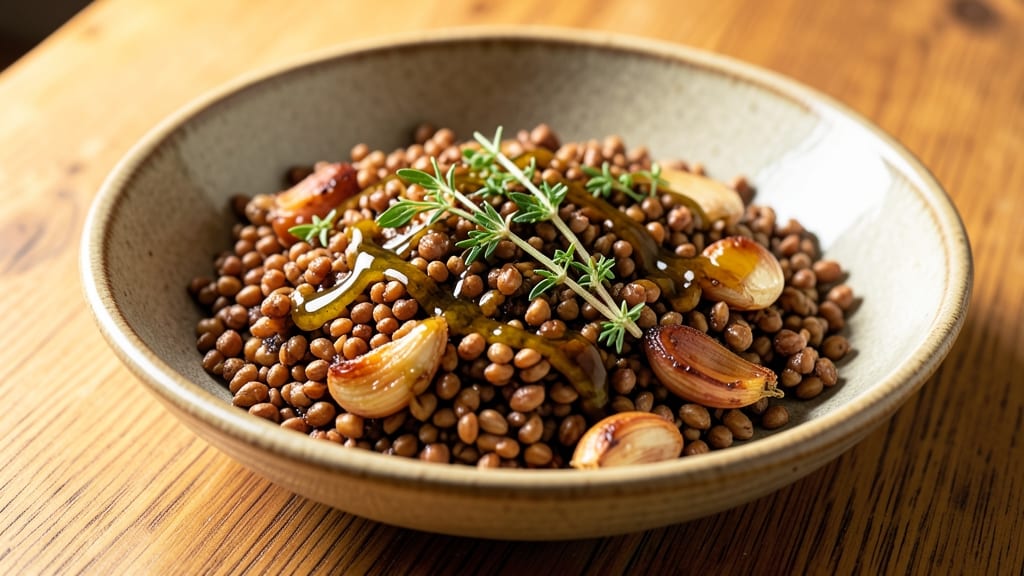
This buckwheat rice recipe delivers the perfect balance of nutty earthiness and chewy texture that elevates any meal. Unlike white rice, buckwheat offers a robust flavor and satisfying bite, making it a versatile staple for both traditional and modern dishes.
The key lies in proper rinsing and precise water ratios—critical steps that transform this grain into a restaurant-worthy side or hearty base for pilafs and salads.
Cooking buckwheat rice requires patience, but the result is worth it: a chewy, slightly firm texture with a rich, toasted aroma that lingers long after the first bite. The 1:2 buckwheat-to-water ratio ensures even cooking without mushiness, while optional additions like herbs, garlic, or broth can customize the flavor profile.
Whether you're preparing a Japanese-inspired soba-style dish or a Western pilaf, this method guarantees consistent, flavorful results every time.
The beauty of buckwheat rice lies in its adaptability—serve it as a standalone grain bowl, mix it into salads for added texture, or pair it with proteins like grilled chicken or roasted vegetables.
The nutty undertones complement savory and umami-rich dishes beautifully, making it a standout ingredient in both everyday meals and special occasions. With just a few simple steps, you’ll master a dish that’s as nutritious as it is delicious.
For best results, use a heavy-bottomed pot and let the rice simmer gently after boiling to develop its signature chewiness. The final texture should be firm yet tender, with a subtle toasted note that signals perfect cooking.
This recipe isn’t just about technique—it’s about unlocking the full potential of buckwheat’s natural flavors in every bite.
Ingredients for buckwheat rice
Transform simple pantry staples into restaurant-quality buckwheat rice with this nutty, chewy masterpiece.
| Ingredient | Amount | Notes |
|---|---|---|
| Buckwheat Groats 🌾 | 1 cup | Unprocessed, not pre-cooked |
| Water 💧 | 2 cups | Filtered preferred for clarity |
| Olive Oil 🫒 | 1 tbsp | Extra-virgin for richness |
| Garlic Cloves 🧄 | 2 cloves | Minced for aromatic depth |
| Fresh Thyme Leaves 🌿 | ¼ cup | Or 1 tbsp dried thyme |
| Vegetable Broth 🍲 | ½ cup | Low-sodium preferred |
| Sea Salt 🧂 | 1 ½ tsp | Diamond Crystal preferred |
| Black Peppercorns 🌶️ | ½ tsp | Freshly cracked |
| Sesame Oil 🫒 | 1 tsp | For finishing aroma |
| Toasted Sesame Seeds 🌰 | 1 tbsp | For garnish |
| Fresh Parsley 🌿 | 0.1 cup | Chopped for brightness |
| Lemon Zest 🍋 | 1 tsp | Brightens final flavor |
Buckwheat groats are the star—look for unprocessed groats (not pre-cooked or roasted) at Whole Foods or bulk bins for the best texture. The groats should be uniform in size and free of debris. If you can't find whole groats, Bob's Red Mill is a reliable brand for pre-washed versions. Fresh thyme and parsley add layers of brightness, so grab them from the produce section—avoid wilted stems. For the sesame seeds, toast them yourself in a dry pan for 30 seconds until golden; store-bought versions lose their nutty punch quickly. The Diamond Crystal sea salt is key here—it dissolves cleanly and enhances every grain without overpowering.
No thyme? Fresh oregano or basil work beautifully—just halve the amount. Short on sesame oil? Toasted peanut oil adds a similar richness. The vegetable broth can be swapped for mushroom broth if you prefer deeper umami, or even white wine for a more sophisticated touch. If you're making this for a crowd, double the batch—just keep the 1:2 buckwheat-to-water ratio. The garlic can be pre-minced from a jar (like Minced Garlic from Trader Joe's) if you're short on time, but fresh is always better. For extra toasted notes, lightly toast the buckwheat groats in olive oil for 2 minutes before cooking—it's worth the extra step.
Buckwheat rice reheats beautifully—cover with a damp paper towel and microwave for 1-2 minutes. Store leftovers in an airtight container for up to 5 days in the fridge, or freeze for up to 3 months for quick grain bowls later. The sesame oil and seeds should be added right before serving to preserve their aroma. For meal prep, cook a big batch and portion into containers with separate compartments for the toppings—keeps everything fresh. The lemon zest and parsley can be added fresh when reheating to brighten up the dish every time.
Why You'll Love This Recipe
- Here’s what sold me: the texture. Toast the groats in olive oil first, and you get this perfect contrast—crunchy edges with a tender, almost creamy center. Add the minced garlic at the end, and suddenly it’s like a hug for your taste buds. The thyme? Just a whisper, but it ties everything together so well you’ll want to eat it with your hands.
- I’ll be real: buckwheat groats are cheap, and they stretch like crazy. A single cup feeds four, and you’re not breaking the bank for fancy rice substitutes. The garlic and thyme might seem small, but they make the whole thing sing without costing a fortune. It’s the kind of dish that proves you don’t need expensive ingredients to feel like you’re eating well.
Step-by-step instructions for perfect buckwheat groats
Transform simple buckwheat groats into a restaurant-worthy dish with deep nutty flavor and satisfying chew.
Toast the Buckwheat for Maximum Flavor
Heat a large skillet over medium-high heat and add the 1 cup buckwheat groats. Toast them for 3-4 minutes, stirring constantly, until they develop a nutty aroma and turn a deeper golden color. This step enhances the natural earthiness and prevents the groats from becoming mushy during cooking.
Watch carefully—they're ready when they smell intensely nutty and the edges begin to turn golden. Immediately transfer the toasted groats to a bowl and set aside. This quick toasting step makes all the difference in flavor development, creating that rich, toasty backbone that defines this dish.
Sauté Aromatics in Olive Oil
In the same skillet (no need to wash it—the toasted bits add flavor), add the 1 tablespoon olive oil and place it over medium heat. Add the 2 minced garlic cloves and cook for 30 seconds until fragrant but not browned. Then add the 0.25 cup fresh thyme leaves and cook for another 30 seconds until the thyme releases its aromatic oils.
This aromatic base forms the flavor foundation of your buckwheat dish. The olive oil carries the garlic's sweetness while the thyme adds herbal depth. Keep the heat moderate—you want to develop flavor, not burn the delicate garlic. If the garlic starts to color too quickly, reduce the heat slightly.
Cook the Buckwheat with Broth
Add the toasted buckwheat groats back to the skillet along with the 2 cups water and 0.5 cup vegetable broth. Stir well to combine, then bring to a gentle boil. Once boiling, reduce heat to low, cover the skillet, and simmer for 25-30 minutes, stirring occasionally to prevent sticking.
You'll know it's ready when the groats are tender but still have a slight chew—this is key for the perfect texture. The liquid should be mostly absorbed, leaving just a hint of moisture. If it's still too wet after 30 minutes, uncover and cook for another 5 minutes to evaporate excess liquid. The groats should be al dente with a satisfying bite.
Season and Finish with Sesame Oil
Remove the skillet from heat and stir in the 1.5 teaspoons sea salt, 0.5 teaspoon cracked black peppercorns, and 1 teaspoon sesame oil. The sesame oil adds a subtle nutty aroma that complements the buckwheat perfectly. Taste and adjust seasoning if needed—you want the flavors to be balanced with the nutty buckwheat shining through.
This is where the dish comes together. The sesame oil not only adds flavor but also creates a beautiful sheen on the finished groats. The salt and pepper should enhance all the other flavors rather than overpower them. Let the mixture sit for 2 minutes off the heat to allow the sesame oil to infuse completely.
Garnish and Serve Immediately
Transfer the buckwheat to a serving bowl and stir in the 0.1 cup chopped fresh parsley and 1 teaspoon lemon zest. The parsley adds a bright, fresh contrast to the earthy buckwheat, while the lemon zest cuts through the richness with a citrusy brightness. Finally, sprinkle with the 1 tablespoon toasted sesame seeds for added texture and visual appeal.
Serve immediately while still warm. The texture should be chewy yet tender, with each bite delivering layers of nutty buckwheat, aromatic thyme, and bright lemon notes. This dish works beautifully as a side for grilled meats or fish, or as a hearty vegetarian main course with a simple salad.
Pro Tips For Making Buckwheat Rice
- Rinse the Groats: Buckwheat’s natural bitterness fades fast—just a 10-second cold rinse in a fine-mesh strainer before cooking. I used to skip this and wondered why my dish tasted like a health lecture instead of food.
- Use a Heavy Pot: Thin stainless steel or nonstick pans won’t distribute heat evenly, leaving some groats undercooked. A heavy-bottomed pot (even cast iron) keeps the temperature steady—no more mushy bits or crunchy surprises.
- Toast the Garlic Low: Sauté minced garlic in olive oil over medium-low heat until it’s just golden, not brown. High heat burns it fast, turning your dish bitter—like adding ash to soup. Patience here makes all the difference.
- Stir Once, Then Stop: After adding water, stir once to distribute the groats, then cover and walk away. Poking or stirring later releases starch, turning your rice into glue. (Yes, even if you’re the type who checks the stove every 30 seconds.)
Creative variations of this buckwheat rice
Japanese Soba-Inspired Style
Transform your buckwheat rice into a Japanese soba-inspired dish by swapping the thyme for 1 tablespoon grated ginger and 1 tablespoon toasted nori flakes. Use 2 cups kombu broth instead of vegetable broth for that signature umami depth.
Serve chilled with a drizzle of tamari sauce and thinly sliced scallions for a refreshing, no-cook option. 🌿
Mediterranean Herb Pilaf
For a Mediterranean twist, replace the thyme with 1 tablespoon dried oregano and 1 teaspoon red pepper flakes. Add ½ cup diced kalamata olives and ¼ cup crumbled feta cheese during the final 5 minutes of cooking.
Finish with a sprinkle of toasted pine nuts and a squeeze of lemon for brightness. This version pairs perfectly with grilled lamb or roasted vegetables.
Spicy Cajun Fusion
Give your buckwheat rice a Cajun kick by adding 1 tablespoon Cajun seasoning (like Tony Chachere’s) during the toasting step. Stir in ½ cup diced bell peppers and ¼ cup chopped green onions before simmering.
Top with crumbled andouille sausage and a dash of hot sauce for a bold, smoky flavor profile. This works amazingly as a base for jambalaya or as a side for blackened fish.
Sweet & Savory Sesame Glaze
For a sweet-savory fusion, stir in 1 tablespoon soy sauce and 1 teaspoon honey during the final seasoning step. Drizzle with a homemade sesame glaze (mix 2 tablespoons tahini, 1 tablespoon rice vinegar, and 1 teaspoon maple syrup).
Garnish with crushed peanuts and cilantro for a dish that balances nutty, sweet, and umami flavors. Serve with grilled shrimp or tofu for a restaurant-worthy meal. 🌶️
Herbed Lemon & White Wine
Brighten your buckwheat rice with a white wine and lemon twist. Replace the vegetable broth with ½ cup dry white wine and add 1 tablespoon lemon juice during the simmering phase.
Finish with zested lemon peel and chopped chives. This lighter version pairs beautifully with seafood or roasted chicken, offering a refreshing contrast to richer dishes.
Smoky Chipotle Lime
Add a smoky, spicy kick by stirring in 1 teaspoon adobo sauce (from canned chipotles) and ½ teaspoon ground cumin during the toasting step. Finish with lime zest and crumbled cotija cheese.
This version is perfect for tacos, burrito bowls, or as a side for grilled meats. The smoky chipotle and bright lime create a flavor bomb that’s impossible to resist. 🔥
Nutrition facts
Frequently asked questions
Why does buckwheat rice turn mushy if I use too much water?
The 1:2 buckwheat-to-water ratio is critical—buckwheat absorbs liquid differently than white rice. Too much water creates a gluey texture because the starches break down completely. For perfect chewiness, stick to the ratio and simmer uncovered for the last 5 minutes if needed to evaporate excess moisture.
Can I substitute buckwheat groats for pre-cooked buckwheat noodles?
No, they're completely different! Buckwheat groats need cooking from scratch (like this recipe), while pre-cooked noodles are already softened. Groats give that signature nutty chew, while noodles are softer and absorb sauces better. For a noodle version, look for soba noodles and cook them separately with your preferred broth.
How do I make this dish gluten-free?
Buckwheat itself is naturally gluten-free, but always check your broth and seasonings. Use certified gluten-free vegetable broth and ensure your soy sauce (if adding) is labeled gluten-free. The recipe's base ingredients are already safe for gluten-free diets, making this an excellent alternative to wheat-based grains.
What's the best way to store leftover buckwheat rice?
Transfer to an airtight container and refrigerate for up to 5 days, or freeze for 3 months. For reheating, cover with a damp paper towel and microwave for 1-2 minutes—the moisture prevents drying. Add fresh herbs or lemon zest when reheating to revive the flavors.
Can I cook buckwheat rice in an Instant Pot?
Yes! Use the same 1:2 ratio but reduce cooking time to 10-12 minutes on high pressure. Quick-release the pot and let sit for 5 minutes before fluffing. The Instant Pot method works faster but may yield slightly softer texture—adjust water by ¼ cup less if needed.