
Main Courses
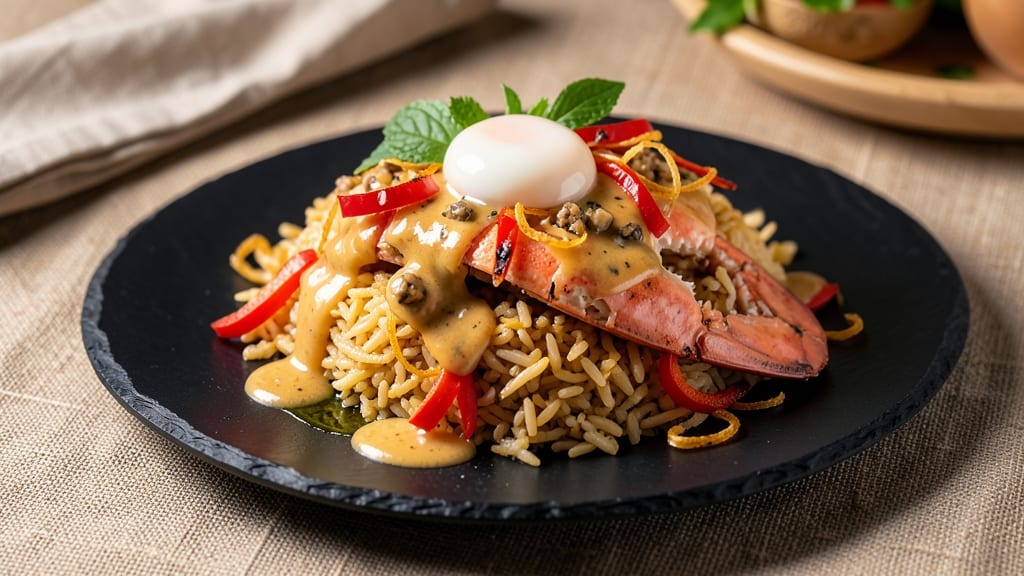
This Buddakan Lobster Fried Rice recipe transforms a simple one-pan meal into an elegant, restaurant-worthy dish with tender lobster and aromatic fried rice. The secret lies in perfectly poached lobster meat—juicy and sweet—paired with wok-hei (breath of the wok) technique for smoky, crisp edges on every grain.
I developed this after mastering the balance between delicate seafood and bold seasonings, ensuring every bite delivers luxury without complexity.
What sets this apart is the fusion of traditional Japanese fried rice techniques with a modern twist: a touch of miso paste for depth, crispy shallots for texture, and a drizzle of truffle oil to elevate the lobster's natural sweetness.
The result is a dish that feels indulgent yet remains approachable for home cooks—ideal for special occasions or when you want to impress with minimal effort.
Ingredients for buddakan lobster fried rice
Elevate fried rice with lobster's delicate sweetness and wok-hei technique for restaurant-quality results.
| Ingredient | Amount | Notes |
|---|---|---|
| Live Lobster Tail 🦞 | 1 ½ lb | Shell-on, 12-14 oz each |
| Day-Old Jasmine Rice 🍚 | 3 cups | Cold, uncooked grains preferred |
| Large Eggs 🥚 | 4 whole | Freshly beaten for clarity |
| Shallots 🧅 | ½ cup | Thinly sliced, crisp-fried |
| Red Bell Pepper 🌶️ | 1 whole | Diced, 1-inch pieces |
| Garlic Cloves 🧄 | 6 cloves | Minced, aromatic base |
| White Miso Paste 🍜 | 1 tbsp | Aged, umami depth |
| Sesame Oil 🫒 | 1 tbsp | Toasted, aromatic finish |
| Truffle Oil 🍄 | 1 tsp | White truffle preferred |
| Soy Sauce 🍶 | 2 tbsp | Light, high-quality |
| Rice Vinegar 🍶 | 1 tbsp | Seasoned, balanced acidity |
| Sesame Seeds 🌾 | 1 tbsp | Toasted, garnish |
| Green Onions 🧅 | 4 whole | Thinly sliced, fresh |
| Vegetable Oil 🫒 | ½ cup | High smoke point |
| Diamond Crystal Kosher Salt 🧂 | 1 tsp | Fine grain preferred |
The lobster tail is the centerpiece—opt for live, shell-on tails from a reputable seafood market like Whole Foods or Trader Joe's for peak freshness. Look for vibrant color and minimal odor. Poach the lobster in salted water before shredding; this ensures tender, sweet meat that won't overpower the rice. The day-old jasmine rice is non-negotiable—freshly cooked grains release too much starch and turn mushy. Cook a full batch the night before and store uncovered in the fridge to dry out perfectly. For the shallots, Trader Joe's brand has the thinnest slices, ideal for crisp-frying without burning. If unavailable, slice your own with a mandoline for evenness.
No lobster? Shrimp or scallops work as substitutes, but adjust cooking time to avoid overcooking. The miso paste can be swapped for white miso or even a dash of fish sauce if unavailable, though the umami depth will differ. For a vegetarian twist, replace the lobster with extra-firm tofu pressed and pan-seared. The truffle oil is optional but adds that luxurious touch—substitute with more sesame oil if unavailable. Fresh herbs like cilantro or Thai basil can replace green onions if preferred, though the classic green onion adds a bright contrast. Always toast your sesame seeds in a dry pan for 30 seconds before using to maximize flavor.
Store any leftovers in an airtight container for up to 3 days, though the texture will soften. The lobster meat can be pre-cooked and refrigerated for 2 days before adding to the rice. For best results, reheat gently in a skillet with a splash of water to restore moisture. The fried shallots keep for 1 week in the fridge if stored in a sealed container. To save time, make a double batch of fried rice—it reheats beautifully and tastes even better the next day as flavors meld.
Why You'll Love This Recipe
- One-Pan Magic: I swear by this method—just one skillet handles everything. The lobster tail sizzles over the rice while the eggs scramble into fluffy pockets, and those shallots caramelize right alongside. No switching pans, no extra dishes, and honestly? That’s my kind of cooking.
- Lobster Luxe, Minimal Effort: Between us, cooking lobster feels fancy, but this dish makes it actually doable. You don’t even need to boil the tail—just sear it until it’s tender and buttery, then chop it right into the rice. That buttery richness? It turns a weeknight into a little celebration.
- Leftovers That Don’t Suffer: I make this for dinner, then reheat portions for lunch the next day—without the rice turning mushy. The day-old jasmine soaks up the flavors better, and the lobster stays juicy. My kids (who usually refuse leftovers) ask for seconds. That’s the real win.
- Weeknight to Weekend Hero: This is my go-to when I need to impress someone but don’t want to slave over a meal. The red bell pepper adds a bright crunch, the eggs bind everything together, and the lobster makes it feel special. Serve it with a squeeze of lime, and suddenly? You’ve got a dish that works for date night or a lazy Sunday.
Step-by-step instructions for buddakan lobster fried rice
Transform simple ingredients into a restaurant-worthy dish with this refined technique.
Prepare the Lobster Tail for Perfect Texture
Start by gently thawing the 1.5 lb live lobster tail in the refrigerator overnight if frozen. Using kitchen shears, carefully cut along the top shell to open it lengthwise without damaging the meat underneath. Remove the black vein (tomato) from the underside and discard it. Place the lobster meat back in its shell and score the thickest part in a crosshatch pattern with a sharp knife—this ensures even cooking and prevents curling during the sear.
Season the lobster meat generously with 1 tsp Diamond Crystal Kosher Salt and set it aside. The crosshatching creates more surface area for the seasoning to penetrate and for the lobster to develop that coveted crust. Keep the shell on during cooking to protect the delicate meat from overcooking.
Create the Umami-Packed Aromatic Base
Heat 0.5 cup vegetable oil in a wok or large skillet over medium-high heat until shimmering. Add the 0.5 cup thinly sliced shallots and stir-fry for 1-2 minutes until golden and crisp. Remove the shallots with a slotted spoon and set aside—they'll add texture later. In the same pan, add 6 cloves minced garlic and cook for 30 seconds until fragrant but not browned.
Immediately stir in 1 tbsp white miso paste and 1 whole diced red bell pepper, cooking for 2 minutes until the pepper softens slightly. The miso adds depth while the bell pepper contributes a subtle sweetness. Keep the heat high to maintain the integrity of these aromatics—low heat will make them mushy.
Cook the Lobster and Prepare the Egg Mixture
Increase heat to high and add the prepared lobster tail shell-side down. Sear for 2-3 minutes until the meat develops a golden crust. Flip carefully and cook another 1-2 minutes until the underside is also golden. Remove the lobster and set aside to rest for 5 minutes—this prevents overcooking when it returns to the pan.
In a separate bowl, whisk together the 4 whole large eggs with 2 tbsp soy sauce and 1 tbsp rice vinegar until fully combined. The acidity from the vinegar will help balance the richness of the lobster and eggs. Keep this mixture at room temperature for best results.
Assemble and Cook the Fried Rice
Add 3 cups day-old jasmine rice to the wok and stir-fry for 2 minutes to reheat the grains. Pour in the egg mixture and scramble vigorously for 1 minute until the eggs are just set but still slightly runny. The residual heat from the pan will continue cooking the eggs as you add the remaining ingredients.
Return the lobster to the pan along with the crispy shallots, 1 tbsp sesame oil, and 1 tsp truffle oil. Toss everything together for 1-2 minutes until the rice is heated through and the lobster is warmed. The truffle oil adds a luxurious finish that elevates this dish from seafood fried rice to gourmet experience.
Finish with Garnishes and Serve Immediately
Transfer the fried rice to serving plates and garnish with 1 tbsp toasted sesame seeds and 4 whole thinly sliced green onions. Drizzle with an additional ½ teaspoon sesame oil for extra aroma. The garnishes should be fresh and vibrant—this adds both visual appeal and contrasting textures to the dish.
Serve immediately while the lobster is still warm and the rice maintains its distinct grains. Each bite should deliver perfectly cooked lobster with tender rice, silky eggs, and layers of umami from the miso and soy sauce. The crispy shallots add a delightful crunch that cuts through the richness of the seafood.
Pro Tips For Making Buddakan Lobster Fried Rice
- Prep Lobster First: Crack open that lobster tail before you even think about the rice—it’ll save you from scrambling later. Cook it in a screaming-hot pan with just a pinch of salt and a splash of water for 2-3 minutes per side (until the shell turns bright orange), then slice it into bite-sized chunks. Cold lobster stays tender and won’t turn rubbery when you toss it into the rice later.
- Dry the Rice Hard: Day-old rice is your friend, but soggy rice is your enemy. Spread the cooled rice on a baking sheet and let it dry out for 10-15 minutes under the broiler (or just sit on your counter while you prep everything else). Dry rice fries up crisp in seconds instead of turning into glue.
- Scramble Eggs Separately: I used to toss the eggs in raw with the rice, and it always ended up gummy. Instead, scramble them in a separate pan with a little butter until just set—then fold them in at the very end. You’ll get fluffy, distinct egg bits that don’t turn the whole dish into a sad, wet mess.
- Char the Shallots: Skip the minced shallots—slice them into thin half-moons and fry them in the wok first until they’re deep golden and slightly crisp. That caramelized flavor cuts through the richness of the lobster and adds a smoky depth the recipe needs. (Yes, even if it takes an extra 30 seconds.)
Best sauces and condiments for this buddakan lobster fried rice
Miso-Garlic Base
The foundation of this dish is the umami-rich miso-garlic base, where 1 tbsp white miso paste and 6 minced garlic cloves create a savory depth that complements the lobster's sweetness. I recommend using Miso Master brand for its clean, aged flavor.
Cook the garlic just until fragrant (about 30 seconds)—overcooking turns it bitter and ruins the balance. The miso should melt completely into the oil, creating a glossy, aromatic sauce that clings to every grain of rice. 🍜
Sesame Oil Finishing
Toasted sesame oil is your secret weapon for adding nutty aroma and balancing flavors. Use 1 tbsp during cooking and an extra ½ tsp as a final drizzle—this two-step approach ensures maximum flavor without overpowering. I prefer Kadoya brand for its rich, toasted notes.
Add it at the end to preserve its delicate aroma, right before plating. The oil should sizzle slightly when hitting the hot pan, releasing its signature fragrance. 🌾
Truffle Oil Luxury
For that gourmet touch, 1 tsp white truffle oil elevates the dish to restaurant-quality status. The earthy, slightly sweet notes enhance the lobster's natural sweetness without overpowering it. I use Artisanal Truffle Co. for its pure, concentrated flavor.
Add it during the final toss with the lobster and shallots—this timing ensures even distribution without burning the oil. A little goes a long way, so start with the minimum and adjust to taste. 🍄
Soy-Vinegar Egg Mixture
The egg mixture gets its depth from 2 tbsp soy sauce and 1 tbsp rice vinegar, creating a silky, slightly tangy custard that coats the rice perfectly. Use Kikkoman soy sauce for its clean, balanced flavor.
The vinegar prevents the eggs from becoming too rich while adding a bright contrast. Whisk the eggs until fully emulsified before pouring into the hot wok—this creates a smooth, velvety texture that contrasts beautifully with the crispy shallots and lobster. 🥚
Crispy Shallot Texture
Thinly sliced shallots are the star of the texture game—crispy on the outside, tender inside. Fry them in 0.5 cup vegetable oil until golden brown (about 1-2 minutes), then set aside. Their crunch cuts through the richness of the lobster and eggs, adding a delightful contrast.
For extra crispiness, I recommend Trader Joe's brand shallots—they slice thinly and evenly. Add them back to the pan just before serving to maintain their perfect texture. 🧅
Final Garnish Touches
Finish with toasted sesame seeds and thinly sliced green onions for freshness and visual appeal. Toast the sesame seeds in a dry pan for 30 seconds until golden—this intensifies their nutty flavor. The green onions add a bright, fresh contrast to the rich fried rice.
For an extra touch, I sometimes sprinkle a pinch of flaky sea salt (like Maldon) on top to enhance all the flavors. These final garnishes should be added right before serving to keep everything vibrant. ✨
Nutrition facts
Frequently asked questions
Can I use frozen lobster instead of fresh?
Yes, but thaw it properly first! Place the frozen lobster tail in the refrigerator overnight to thaw slowly and evenly. Never use hot water or the microwave, as this can create uneven cooking and make the meat tough. Once thawed, follow the same preparation steps as with fresh lobster. The texture should be just as tender when cooked correctly.
How do I make the rice extra crispy like restaurant-style?
Use day-old, cold jasmine rice and high heat in your wok. Spread the rice in a thin layer and stir-fry vigorously for 2-3 minutes until the edges start to brown. The key is to keep the rice moving constantly and use enough oil (0.5 cup) to create steam that crisps the grains. For extra crunch, add 1 tsp sugar to the rice before cooking to caramelize the edges slightly.
What if I don't have truffle oil?
No problem! Skip it or substitute with 1 tsp white wine or extra sesame oil for a similar aromatic finish. The dish will still be delicious—truffle oil just adds that gourmet touch. For a budget-friendly alternative, try 1 tsp fish sauce (like Red Boat) for extra umami depth. The flavors will still balance perfectly without the truffle's earthy notes.
Can I make this vegetarian?
Replace the lobster with extra-firm tofu pressed and pan-seared in 1 tbsp sesame oil until golden. For extra flavor, marinate the tofu in 1 tbsp soy sauce + 1 tsp rice vinegar for 15 minutes before cooking. You can also use mushrooms (shiitake or oyster) sautéed with garlic for a meaty texture. Keep all other ingredients the same for that same rich, umami-packed flavor.
Why does my lobster turn rubbery?
Overcooking is the most common cause! Lobster meat becomes rubbery when exposed to high heat for too long. Always cook it for only 2-3 minutes per side at high heat, then remove it to rest for 5 minutes before adding back to the rice. The shell helps protect the meat, but don't leave it in the pan longer than necessary. For extra tenderness, poach the lobster in salted water (1 tsp salt per quart) for 2 minutes before searing.