
Main Courses
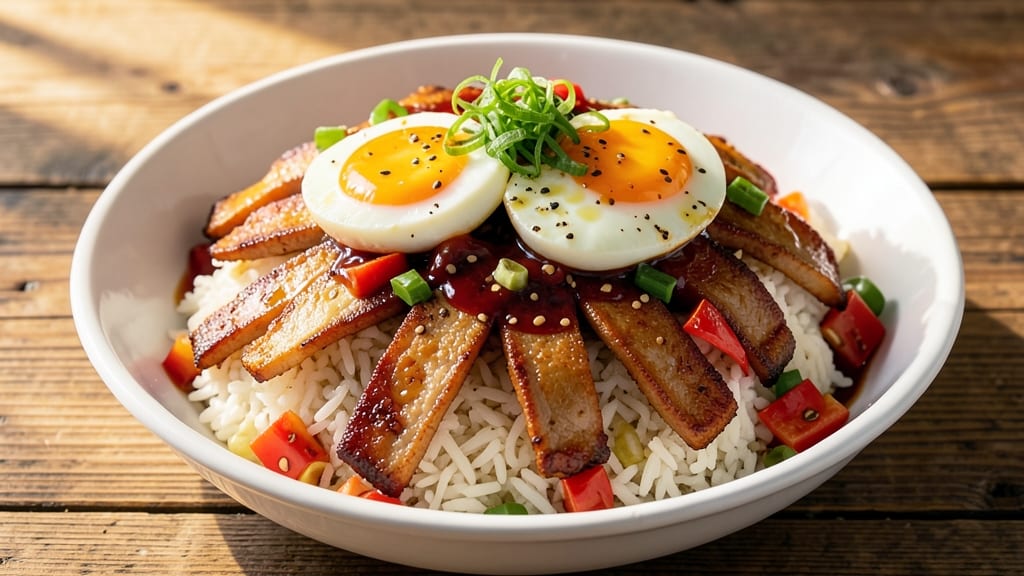
This Buldak fried rice recipe delivers the bold, spicy-savory punch that makes it Korea’s ultimate comfort dish. 🔥 The secret lies in perfectly cooked rice, crispy pork belly, and fermented kimchi that bring heat and tang to every bite.
Unlike milder fried rice versions, Buldak packs layers of umami from gochujang and a rich eggy finish that ties everything together.
What sets this dish apart is the balance—spicy kimchi cuts through the richness of pork belly and eggs, while a touch of sesame oil adds depth. The technique is straightforward: high-heat frying for crispy edges, quick seasoning, and a final splash of sesame oil for aroma.
Whether you're feeding a crowd or craving a hearty solo meal, this recipe delivers restaurant-quality results in under 30 minutes.
Ingredients for buldak fried rice
Four cups of perfectly cooked rice kickstarts this bold Korean dish.
| Ingredient | Amount | Notes |
|---|---|---|
| Day-Old Cooked Rice 🍚 | 4 cups | Jasmine or short-grain preferred |
| Pork Belly 🥓 | 6 oz | Thinly sliced, crispy-fried |
| Kimchi 🥬 | 1 ½ cups | Well-fermented, chopped |
| Gochujang 🌶️ | 2 tbsp | Korean fermented chili paste |
| Large Eggs 🥚 | 3 whole | Freshly beaten |
| Green Onions 🧅 | ¼ cup | Thinly sliced, white and green parts |
| Sesame Oil 🫒 | 1 tbsp | Toasted, for aroma |
| Soy Sauce 🥫 | 2 tbsp | Light or regular |
| Vegetable Oil 🫒 | ½ cup | High smoke point |
| Sesame Seeds 🌾 | 1 tsp | Toasted, for garnish |
| Salt 🧂 | ½ tsp | Kosher or sea salt |
| Black Pepper 🌶️ | ¼ tsp | Freshly ground |
The rice is non-negotiable here—day-old, cold rice fries up best. Jasmine or short-grain holds up to the high heat without turning mushy. If you're short on time, microwave-cooked rice works in a pinch, but spread it on a tray to cool first. For the pork belly, Korean markets or Asian grocery stores carry the best cuts—look for thick slices with good marbling. If you can't find pork belly, thinly sliced bacon works too, though it won't have the same melt-in-your-mouth texture. The kimchi? Store-bought is fine, but if you're feeling adventurous, ferment your own for deeper flavor.
No gochujang? Sriracha mixed with a bit of soy sauce gets you close, though it won't have the same umami depth. The eggs should be freshly beaten and room temperature—they'll cook faster and create those signature ribbons. Green onions add brightness, but if you're out, scallions or chives work too. Sesame oil is key for aroma—don't skimp on the toasted variety. For extra heat, add a pinch of red pepper flakes to the gochujang mix. And if you're making this for a crowd, double the pork belly and kimchi—trust me, you'll want seconds.
This dish reheats beautifully—just add a splash of water to the pan and stir. Keeps for 3-4 days in the fridge, though it tastes best fresh. For meal prep, portion into containers with a light layer of sesame oil on top to keep it from drying out. Freezes for up to 2 months, though the texture might get slightly softer. Garnish with extra sesame seeds and green onions right before serving—those final touches make all the difference.
Why You'll Love This Recipe
- One-Pan Magic: I swear by this—no chopping mountains of veggies, no fussing with multiple pans. Just toss in day-old rice, crispy pork belly bits, and a handful of kimchi, then let the gochujang do its thing. That’s it. The egg? One flip, and you’re done.
- Umami Bomb: Between us, that pork belly—crispy from frying—melts into the rice while the kimchi adds tangy bite. Then you hit it with gochujang? Suddenly, every bite is rich, spicy, and sticky in the best way. My husband licks his plate. (Yes, even on a Tuesday night.)
- Leftover Hero: This dish actually improves the next day. Cold rice? No problem. The pork stays tender, the kimchi’s flavor deepens, and reheating it in a skillet with a splash of water makes it taste like a restaurant takeout. I’ve fed this to college students on a budget—zero complaints.
- Budget Flex: Pork belly might sound fancy, but a little goes a long way. Stretch it with rice, kimchi, and eggs, and you’ve got a meal that feels special without breaking the bank. Honestly, I’ve made this for date nights and lazy Sundays—same recipe, different vibes.
Step-by-step instructions for spicy kimchi fried rice
Here's how to transform simple ingredients into bold, flavorful Buldak fried rice with perfect texture and heat.
🔥 Step 1: Fry the Pork Belly Until Crispy
Heat 0.5 cup vegetable oil in a large skillet over medium-high heat until shimmering. Add the 6 oz pork belly in a single layer and fry for 8-10 minutes, stirring occasionally, until golden brown and crispy around the edges. The pork should release easily from the pan when ready.
Transfer the crispy pork to a paper towel-lined plate to drain excess oil. This step creates the signature crunch that balances the soft rice and spicy kimchi. If the pork sticks, gently lift with a spatula rather than scraping the pan—you want to preserve that crispy texture.
🍳 Step 2: Scramble the Eggs Over Medium Heat
In the same skillet (no need to clean it—the pork fat adds flavor), reduce heat to medium and add the 3 whole large eggs. Let them sit undisturbed for 5 seconds before gently pushing them around with a spatula, creating soft curds while keeping the yolks runny. Cook for 1-2 minutes until just set but still slightly moist.
Remove the eggs from the pan and set aside. The residual heat will keep them warm while you finish the rice. Overcooking here makes the eggs rubbery—you want them creamy and rich to contrast the spicy kimchi.
👨🍳 Step 3: Stir-Fry Kimchi and Build the Sauce
Return the skillet to medium-high heat and add 1.5 cups kimchi (chopped if large pieces). Stir-fry for 3-4 minutes until the kimchi softens and releases its juices. Add 2 tbsp gochujang, 2 tbsp soy sauce, 0.5 tsp salt, and 0.25 tsp black pepper, stirring constantly to combine.
This is where the flavor base forms. The gochujang deepens the kimchi's spice while the soy sauce balances it. Taste the mixture now—you should feel the heat building. If it needs more depth, add 1 tbsp sesame oil for nutty richness.
🥘 Step 4: Combine All Ingredients for Perfect Texture
Add the 4 cups day-old cooked rice to the skillet, breaking up any clumps with your spatula. Pour in 1 tbsp sesame oil and toss everything together vigorously for 3-4 minutes until the rice is evenly coated and heated through. The rice should be hot but still slightly separate—this prevents mushiness.
Return the crispy pork belly and scrambled eggs to the pan. Toss gently to distribute them evenly. The rice should now have pockets of crispy pork, creamy eggs, and spicy kimchi in every bite. If the mixture looks dry, add 1-2 tablespoons water to steam and bind the ingredients.
🍽️ Step 5: Finish and Garnish for Restaurant-Quality Results
Transfer the fried rice to serving plates and immediately drizzle with any remaining pan juices. Sprinkle generously with 0.25 cup sliced green onions and 1 tsp toasted sesame seeds. The green onions add freshness while the sesame seeds provide a nutty crunch that ties all the flavors together.
Serve immediately while hot. The contrast of crispy pork, creamy eggs, spicy kimchi, and tender rice makes this dish irresistible. For extra heat, add a dash of gochujang on top—just don't skip the sesame seeds, they're the secret to that authentic Buldak finish.
Pro Tips For Making Buldak Fried Rice
- CRISP THE PORK BELLY FIRST: I learned this the hard way—crisping pork belly in a separate pan before adding it to the rice changes everything. Once it’s golden and slightly caramelized (about 3-4 minutes on medium-high), remove it and set aside. The fat renders beautifully, and the texture adds depth the rice alone can’t match.
- USE COLD RICE (AND DRY IT): Day-old rice is a must, but don’t skip drying it first. Spread the rice on a tray and let it sit uncovered for 10 minutes—this prevents mush. Cold, dry rice fries up fluffy and separate, not glued together. (Yes, even if you’re impatient like me.)
- SAVE THE KIMCHI JUICE: Strain the kimchi before adding it to the pan—keep that salty, tangy juice. Toss the strained kimchi in first, then pour the juice over the rice toward the end. This keeps the rice from turning soggy while adding just the right amount of funk. (Your future self will thank you.)
- EGG LAYERING TRICK: Crack the eggs into a bowl first, then pour them over the rice in a thin, even layer. Let them cook undisturbed for 10 seconds before stirring—this creates a silky, custardy texture instead of scrambled bits. If you rush this, you’ll end up with rubbery egg chunks. (I know, I’ve done it.)
Regional styles of this recipe
Korean Street Food Roots
Buldak fried rice traces its origins to the bustling streets of Buldak City in South Korea, where it became a beloved late-night snack after drinking sessions. The dish evolved from traditional Korean fried rice (bokkeumbap) by adding crispy pork belly and extra kimchi for that signature spicy-kick.
Street vendors in the 1980s perfected the technique of high-heat frying to achieve the perfect balance of textures—crispy pork, creamy eggs, and tender rice. 🌆
Jeonju-Style Influence
While Buldak is its own distinct style, it shares DNA with Jeonju-style fried rice, Korea’s most famous version. Both use day-old rice and kimchi, but Buldak adds pork belly (a nod to Jeolla Province’s love of pork) and a bolder gochujang finish.
The key difference? Buldak’s extra sesame oil and black pepper create a richer, nuttier depth that sets it apart. Jeonju’s version is lighter, often served with a side of jjajangmyeon (black bean noodles).
Busan’s Coastal Twist
In Busan, coastal flavors blend with Buldak fried rice by adding seafood—think shrimp or squid stir-fried into the rice. The city’s love of spicy seafood translates perfectly into this dish, with extra gochugaru (Korean chili flakes) sprinkled on top.
Locals also swap pork belly for abalone or clams when available. The result? A briny, umami-packed variation that’s especially popular after ssamjang (spicy dipping sauce) sessions. 🌊
Seoul’s Modern Fusion
Seoul’s take on Buldak fried rice leans toward fusion creativity. Trendy restaurants serve it with truffle oil or foie gras, but the purists stick to the classic. One standout twist? Buldak fried rice bowls with a soft-boiled egg on top, drizzled with yuzu kosho for a citrusy heat.
The city’s pojangmacha (street tents) also offer a soju-infused version where the rice is lightly soaked in soju before frying—just enough to mellow the spice. 🍶
Regional Kimchi Variations
The kimchi used in Buldak fried rice varies by region. In Gyeongsang Province (Buldak’s home), they use napa cabbage kimchi with a sweeter, less spicy profile. Meanwhile, Cheongju’s version incorporates radish kimchi for a sharper bite.
For authenticity, I recommend well-fermented (3+ months) kimchi—the tangier, the better. If you’re short on time, quick-pickled kimchi (soaked in vinegar for 24 hours) works, though it lacks depth. 🥬
Late-Night Comfort Food
Buldak fried rice is Korea’s ultimate drunk-food staple, often paired with soju or makgeolli (rice wine). The crispy pork belly soaks up the alcohol, while the spicy kimchi cuts through the richness.
In Incheon, vendors sell it from food carts near nightlife districts, where it’s eaten straight from the pan. For a modern twist, some chefs serve it in congee bowls or as a fried rice burger—proof this dish’s versatility knows no bounds. 🍜
Nutrition facts
Frequently asked questions
Why does Buldak fried rice need day-old rice?
Day-old rice is essential because its slightly dried surface creates crispy edges when fried. Freshly cooked rice releases too much moisture, turning the dish mushy. If you only have freshly cooked rice, spread it on a tray and refrigerate for 30 minutes to mimic day-old texture. Never skip this step—it's what gives Buldak its signature bite!
Can I make Buldak fried rice without pork belly?
Swap pork belly for thinly sliced bacon (for smokiness) or chicken thighs (for juiciness). For seafood lovers, try shrimp or scallops—just cook them separately first so they don't overcook in the rice. The key is maintaining that crispy texture, so whatever protein you choose should be cooked until golden before mixing with the rice.
How do I adjust the spice level?
Start with the 2 tbsp gochujang in the recipe, then taste and adjust. For milder heat, reduce to 1 tbsp and add 1 tsp sugar to balance. For extra spice, add 1 tsp gochugaru (Korean chili flakes) or a dash of sriracha. Remember: kimchi already adds tangy heat, so go slow—you can always add more, but you can't take it out!
What's the best pan for Buldak fried rice?
Use a large, heavy-bottomed skillet (like cast iron or stainless steel) to distribute heat evenly. Nonstick pans work too, but they won't give the same crispy texture to the pork or rice. Avoid small pans—you need room to toss everything together. If your pan is too small, cook in batches to prevent steaming the rice.
Can I make this dish ahead of time?
Yes, but with a few tweaks! Cook the rice, pork, and eggs separately, then refrigerate in airtight containers for up to 2 days. When ready to serve, reheat in a pan with 1 tbsp oil and 1 tbsp water over medium heat, stirring constantly. For best results, add fresh green onions and sesame seeds right before serving to keep them crisp.