
Main Courses
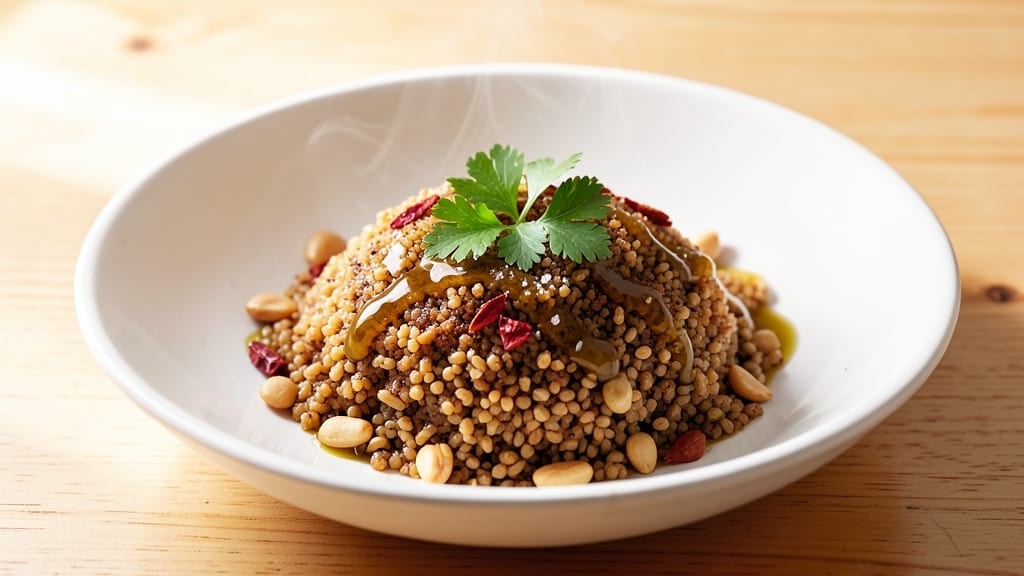
This Turkish bulgur rice recipe transforms simple grains into a fragrant, toasted pilaf packed with smoky cumin and fresh herbs—just like the one my grandmother served at family gatherings.
The secret lies in slow-toasting the bulgur with olive oil and spices until it releases its nutty aroma, creating a base that absorbs flavors deeply. No special equipment needed, just a pot and patience for a dish that feels both rustic and refined.
What makes this recipe special is its versatility—serve it as a side with grilled meats, a hearty salad with tomatoes and cucumbers, or even as a standalone dish with a dollop of yogurt and extra herbs.
The bulgur soaks up the spices perfectly, delivering a texture that’s tender yet satisfying, with a subtle crunch from toasted grains. Ready in under 30 minutes, it’s the kind of dish that elevates any meal with minimal effort.
Ingredients for bulgur rice recipe turkish
Toasted bulgur, aromatic spices, and fresh herbs—this simple yet sophisticated Turkish pilaf transforms basic ingredients into a fragrant centerpiece.
| Ingredient | Amount | Notes |
|---|---|---|
| Fine Bulgur Wheat 🌾 | 1 cup | Uncooked, medium or fine grain |
| Extra-Virgin Olive Oil 🫒 | ¼ cup | High-quality, fruity variety |
| Ground Cumin 🌿 | 1 ½ tsp | Freshly toasted for aroma |
| Ground Allspice 🌶️ | ½ tsp | Subtle warmth, essential |
| Fine Sea Salt 🧂 | 1 ½ tsp | Diamond Crystal preferred |
| Fresh Parsley 🌿 | ¼ cup | Chopped, stems removed |
| Fresh Dill 🌿 | ¼ cup | Chopped, stems removed |
| Fresh Mint 🍃 | ⅛ cup | Finely chopped, optional |
| Vegetable Broth 💧 | 2 cups | Low-sodium preferred |
| Plain Yogurt 🥛 | ¼ cup | Greek or regular, optional |
| Lemon Juice 🍋 | 1 tbsp | Freshly squeezed |
| Garlic Cloves 🧄 | 2 cloves | Minced, optional for depth |
The bulgur is the star here, and medium or fine grain makes all the difference—it toasts beautifully and absorbs flavors deeply. Whole Foods or Middle Eastern markets carry the best quality, but any well-stocked grocery store should have it in the international aisle. Toasting the bulgur with olive oil is non-negotiable; it releases that nutty aroma that defines the dish. For the spices, Penzeys or spice merchants offer the freshest ground cumin and allspice, but the regular grocery store versions work fine if they're labeled 'freshly ground.' The herbs? Fresh is ideal, but if you're in a pinch, dried parsley and dill (at half the amount) will get you close.
No fresh parsley? Cilantro or basil works in a pinch, though the flavor will shift slightly. Want more heat? Add a pinch of red pepper flakes with the spices. The yogurt is optional but adds a creamy contrast—Greek yogurt gives it a thicker texture, while regular yogurt keeps it lighter. For the broth, low-sodium is key—you can always add more salt at the end. The garlic is optional but worth it if you love that subtle depth. And if you're feeling adventurous, a splash of lemon juice at the end brightens everything up beautifully.
This pilaf reheats like a dream—just add a splash of water or broth and warm through. It keeps well in the fridge for 4-5 days, though the texture gets softer over time. For longer storage, freeze portions in airtight containers for up to 3 months. I like to make a double batch because it disappears fast—perfect for meal prep or entertaining. The herbs can be added fresh at the end if you're serving it immediately, or you can mix them in during cooking for a more integrated flavor.
Why You'll Love This Recipe
- I’ll be real: I used to dread bulgur because of the soaking. Not here. Just hot water, 10 minutes, and that fine bulgur absorbs it like a dream—no sticky mess, no waiting around. Honestly, it’s the kind of simplicity that makes me want to make it twice in one day.
- No Soak, No Stress: I’ll be real: I used to dread bulgur because of the soaking. Not here. Just hot water, 10 minutes, and that fine bulgur absorbs it like a dream—no sticky mess, no waiting around. Honestly, it’s the kind of simplicity that makes me want to make it twice in one day.
- Earthy Warmth in Every Bite: That cumin and allspice combo? It’s like a cozy hug for your taste buds. The olive oil adds this bright, fruity richness, while the salt—just a whisper—lets those spices shine. Not overpowering, not bland; it’s that perfect balance where you keep reaching for more.
- Lunchbox Hero: Between us, this is my go-to for work lunches. Cold or at room temp, it’s still solid—pack it with roasted veggies or grilled chicken, and it stays fresh for days. No sad, soggy salads here; this holds up like a champ, even when my fridge gets neglected.
Step-by-step instructions for Turkish bulgur rice
This one-pot method delivers perfectly toasted bulgur with aromatic spices and bright herbs.
Toast the Bulgur and Spices
Heat the 0.25 cup extra-virgin olive oil in a medium saucepan over medium-high heat. Add the 1 cup fine bulgur wheat and stir constantly for 2-3 minutes until the grains begin to sizzle and turn slightly golden. This toasting step develops deep nutty flavors and prevents mushy rice.
Reduce heat to medium and add the 1.5 teaspoons ground cumin, 0.5 teaspoon ground allspice, and 1.5 teaspoons fine sea salt. Stir for another 30 seconds until the spices are fragrant and the bulgur is evenly coated. Watch carefully—if the mixture darkens too quickly, reduce heat immediately to prevent burning.
Add Broth and Simmer
Pour in the 2 cups vegetable broth all at once and bring to a gentle boil. Once boiling, reduce heat to low and cover the pan with a tight-fitting lid. Let it simmer for 15 minutes without lifting the lid—this allows the bulgur to absorb the liquid evenly and develop proper texture.
After 15 minutes, check the bulgur by pressing a grain between your fingers. It should be tender but still hold its shape with a slight bite. If it's too firm, add 2 tablespoons water and cook another 5 minutes. If it's too soft, reduce cooking time next time—overcooking turns bulgur into mush.
Finish with Herbs and Acid
Remove the pan from heat and let it sit covered for 5 minutes to allow any remaining steam to distribute. Then stir in the 0.25 cup fresh parsley, 0.25 cup fresh dill, and 0.125 cup fresh mint. Add the 1 tablespoon lemon juice and 2 minced garlic cloves (if using) and mix gently to combine.
For extra richness, stir in the 0.25 cup plain yogurt until smooth. The yogurt adds creaminess while balancing the earthy bulgur. Taste and adjust seasoning—you may need a pinch more salt to complement the herbs. The finished rice should be fragrant, tender, and bright with herbal notes.
Rest and Serve
Transfer the bulgur to a serving bowl and let it rest for 5 minutes before serving. This resting period allows flavors to meld and the texture to set properly. The rice should be tender yet distinct, with visible grains and a slightly chewy bite.
Serve immediately as a side dish or use as a base for kebabs, grilled meats, or fresh salads. The aromatic spices and herbs make this bulgur perfect for Middle Eastern meals, where it complements rich flavors beautifully. Store leftovers in an airtight container for up to 3 days—reheat with a splash of broth to restore moisture.
Pro Tips For Making Bulgur Rice Recipe Turkish
- TOAST THE BULGUR: Dry-toast the fine bulgur in olive oil for 30 seconds before adding liquid—it deepens the nutty flavor and prevents mushiness. I used to skip this, and the texture always ended up too soft, no matter how long I cooked it.
- SALT THE WATER: Season the boiling water with a full teaspoon of salt first, then add the bulgur. The grains absorb flavor better this way, and you won’t need to adjust later. (Yes, even if your bulgur is labeled "fine"—it still needs the boost.)
- STIR ONCE, THEN STOP: After adding the bulgur to the boiling water, stir just once to distribute it, then cover and walk away. Over-stirring releases starch and turns your pilaf into glue. I learned this after making a batch so sticky it stuck to the pot like cement.
- LET IT REST: Spread the cooked bulgur on a tray and let it sit for 10 minutes before mixing in spices. The grains cool slightly, firm up, and absorb the cumin and allspice better—no more clumping or raw-tasting bits. (Your future self will thank you.)
Essential equipment for bulgur rice recipe turkish
Medium Saucepan
You don’t need anything fancy—a 3-quart stainless steel saucepan is my go-to for this recipe. The flat bottom ensures even heat distribution, which is crucial for toasting the bulgur without burning it. I use a Calphalon or All-Clad pan because they heat up quickly and maintain consistent temperatures.
If you're on a budget, a Cuisinart MultiClad works just as well—just avoid nonstick pans for this dish, as the high heat can damage coatings and affect flavor. 🔥
Wooden Spoon
A wooden spoon (about 10-12 inches long) is essential for stirring the bulgur and spices without scratching your pan. I prefer olive wood because it’s gentle on spices and adds a subtle aroma to the dish. Avoid metal spoons—they can react with the spices and create a metallic taste.
If you don’t have a wooden spoon, a heat-resistant silicone spatula works in a pinch, though it won’t give you the same control during toasting.
Tight-Fitting Lid
A tight-fitting lid is non-negotiable for trapping steam and cooking the bulgur evenly. I use a stainless steel lid with a handle, but any lid that seals well will do—even a glass lid with a rubber seal works if it fits snugly.
Pro tip: Place a damp paper towel under the lid before covering the pan. This prevents condensation from dripping back into the bulgur, which can make it soggy.
A lid with a vent is ideal if you have one, as it allows a little steam to escape during the final resting phase. ✨
Fine-Mesh Strainer
If you’re prepping the bulgur ahead of time (like rinsing it), a fine-mesh strainer is a game-changer. I use a stainless steel strainer with 0.04-inch holes to remove any debris or fine particles from the bulgur.
This step isn’t mandatory, but it ensures your dish is smooth and free of grit. For rinsing, hold the strainer under cold water and gently swirl the bulgur until the water runs clear.
Skip this if you’re short on time—the bulgur will still cook, but the texture might be slightly grittier.
Kitchen Timer
Timing is everything with bulgur, and a kitchen timer keeps you from overcooking or undercooking it. I set mine for 15 minutes during the simmering phase and use it to remind myself to check the texture after that time.
A smartphone timer works just as well, but I prefer a dedicated stainless steel timer because it’s easy to see from across the kitchen. Pro move: Set a second alarm for the 5-minute resting period after cooking—this ensures you don’t rush the flavor development.
Optional: Mortar and Pestle
For an extra layer of flavor, toast your cumin and allspice in a mortar and pestle before adding them to the bulgur. This step isn’t necessary, but it amplifies their aromatic oils and gives the dish a deeper, more complex taste.
If you don’t have one, a small spice grinder or even a clean coffee grinder works in a pinch. Just pulse the spices for 10-15 seconds to release their fragrance—don’t overdo it, or they’ll turn into a paste. 💫
Nutrition facts
Frequently asked questions
Can I substitute bulgur wheat for regular rice in this recipe?
Absolutely not! Bulgur wheat is a pre-cooked, toasted grain with a distinct texture and flavor that regular rice can't replicate. The toasting step is crucial for developing that nutty aroma. If you must substitute, try couscous or quinoa, but the dish will have a different texture and flavor profile.
Why does my bulgur turn out mushy instead of fluffy?
Overcooking or insufficient toasting are the most common culprits. Always toast the bulgur until it's golden and sizzling before adding liquid, and stick to the 15-minute simmering time. If it's still too firm, add just 2 tablespoons broth and cook 2-3 more minutes. Never stir while cooking—it releases starches that make bulgur gummy.
Can I make this ahead of time for a meal?
This dish actually tastes better the next day! Store in an airtight container in the fridge for up to 4 days. Reheat with a splash of broth or water until warm—it'll be even more flavorful as the spices meld. For parties, prepare it 24 hours ahead and let it sit at room temperature before serving to enhance the aromatic notes.
What's the best way to serve this Turkish bulgur?
This versatile pilaf works as a side or main dish. Pair it with grilled meats like kebabs or chicken shawarma, or serve it as a base for a hearty salad with tomatoes, cucumbers, and feta. For a complete meal, top with a dollop of yogurt, extra herbs, and a squeeze of lemon. It's also fantastic cold as a picnic dish!
Do I need to rinse the bulgur before cooking?
Only if your bulgur has visible dust or debris. Most store-bought bulgur is pre-washed, but if yours looks gritty, rinse it in a fine-mesh strainer under cold water until the water runs clear. This step isn't mandatory—just optional for cleaner texture. Never soak bulgur like you would rice, as it absorbs liquid differently.