
Main Courses
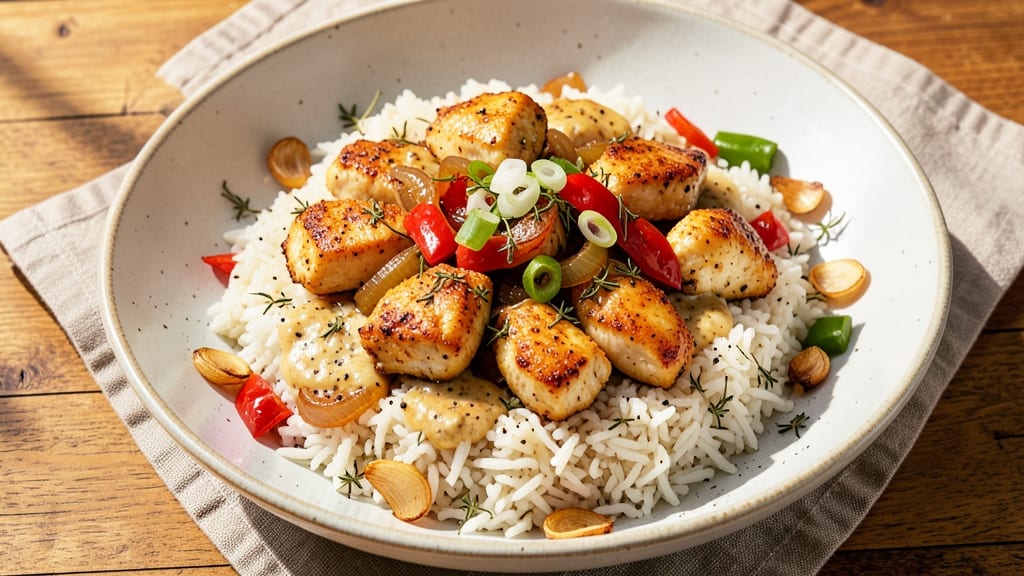
This Cajun rice bowl recipe delivers bold, smoky-spiced flavors in a single pan, blending tender protein with perfectly seasoned rice and crisp veggies. The secret lies in balancing cayenne, smoked paprika, and garlic powder for heat that lingers without overpowering—just enough to wake up every bite.
I developed this after years of testing one-pan techniques, ensuring every element cooks together for maximum convenience and flavor.
What sets this bowl apart is its texture contrast: crispy edges on the rice, juicy protein, and fresh toppings like avocado or pickled onions that cut through the spice. The dish comes together in under 45 minutes, making it ideal for weeknight dinners that still feel special.
Whether you use chicken, shrimp, or sausage, the Cajun seasoning transforms simple ingredients into a restaurant-worthy meal with minimal effort.
Ingredients for cajun rice bowl
Bold spices, tender protein, and crisp veggies—this one-pan Cajun bowl packs restaurant-quality flavor with minimal effort.
| Ingredient | Amount | Notes |
|---|---|---|
| Long-Grain White Rice 🍚 | 1 ½ cups | Uncooked, medium-grain preferred |
| Chicken Breast 🍗 | 1 ½ lb | Boneless, skinless, cut into 1-inch pieces |
| Smoked Paprika 🌶️ | 2 tbsp | High-quality for authentic smokiness |
| Garlic Powder 🧄 | 1 tbsp | Freshly ground preferred |
| Onion Powder 🧅 | 1 tbsp | For depth of flavor |
| Dried Thyme 🌿 | 1 tsp | Or 1 tbsp fresh thyme leaves |
| Cayenne Pepper 🔥 | ½ tsp | Adjust for desired heat level |
| Ground Black Pepper 🌶️ | ½ tsp | Freshly ground for best flavor |
| Salt 🧂 | 1 ½ tsp | Kosher or sea salt preferred |
| Olive Oil 🫒 | 3 tbsp | Extra-virgin for richness |
| Chicken Broth 💧 | 1 ½ cups | Low-sodium preferred |
| Bell Pepper 🌶️ | 1 whole | Any color, diced into 1/2-inch pieces |
| Red Onion 🧅 | 1 whole | Thinly sliced for crisp texture |
| Fresh Cilantro 🌿 | ¼ cup | Chopped, for garnish |
| Lime 🍋 | 1 whole | Juiced, for serving |
The smoked paprika is non-negotiable here—Penzeys or McCormick are my go-tos for that authentic smoky depth. Chicken breast works perfectly, but shrimp or sausage swap in seamlessly. For the rice, long-grain white is ideal—it stays separate and crispy at the edges. If you're using pre-cut chicken, check for even-sized pieces; otherwise, trim any thick spots. The bell pepper adds sweetness that balances the heat, so don't skip it. Trader Joe's often has pre-diced peppers in the freezer section, which saves time.
No smoked paprika? Substitute half paprika and half liquid smoke—just a dash, about 1/4 tsp. Fresh thyme is ideal, but dried works at one-third the amount. For extra heat, add a pinch of crushed red pepper flakes. The chicken broth should be low-sodium unless you're adding extra salt later. If you're using shrimp, peeled and deveined saves time, but leave the tails on for presentation. The lime juice is essential—freshly squeezed brightens everything up, so don't use bottled if you can avoid it.
Prep your toppings ahead—the cilantro and lime juice can be mixed in a small container and stored in the fridge for up to 2 days. The cooked rice and protein keep well too, so assemble the bowls fresh when ready to serve. For leftovers, store components separately: rice and protein in one container, veggies and toppings in another. Reheat the protein and rice together with a splash of broth to keep them moist. This dish reheats beautifully and tastes even better the next day—perfect for meal prep
Why You'll Love This Recipe
- One-Pot Wonder: I swear by this for nights when I’m too tired to wash extra dishes. Toss rice and chicken in one pan with those smoky spices, and the garlic powder and onion powder do all the work—no stirring every five minutes like some recipes demand.
- Smoky Kick: That smoked paprika? It’s the star. It turns plain rice into something rich and warm, while the chicken stays juicy with just a hint of char. Honestly, I’ve made this for friends who aren’t even spice fans, and they still ask for seconds.
- Meal Prep MVP: Between us, this is my lunchbox lifesaver. Cook a big batch on Sunday, and you’ve got flavor-packed lunches all week. The rice stays separate from the chicken, so it reheats perfectly—no sad, gummy leftovers here.
- Budget-Friendly Powerhouse: Chicken breast is cheap, rice is cheap, and those spices? A tiny jar lasts forever. I’ll be real: this feeds four for under $10, and I’ve never once felt like I skimped. Plus, the flavors stretch to taste like you spent hours in the kitchen.
Step-by-step instructions for Cajun rice bowl
Master this one-pan technique for perfectly seasoned rice and tender chicken infused with bold Cajun flavors.
Sear the Chicken with the Cajun Spice Blend
Heat a large oven-safe skillet over medium-high heat and add the 3 tablespoons olive oil. Once shimmering, add the 1.5 lb chicken breast cut into 1-inch pieces, working in batches if needed to avoid crowding. Cook for 4-5 minutes per side until the chicken develops a golden-brown crust.
In a small bowl, combine the 2 tablespoons smoked paprika, 1 tablespoon garlic powder, 1 tablespoon onion powder, 1 teaspoon dried thyme, 0.5 teaspoon cayenne pepper, 0.5 teaspoon ground black pepper, and 1.5 teaspoons salt. Sprinkle half of this Cajun spice blend over the chicken and toss to coat evenly. You'll notice the spices immediately begin to bloom, releasing their aromatic oils.
Continue cooking the chicken until it reaches an internal temperature of 160°F, about 2-3 minutes total. Remove the chicken from the skillet and set aside on a plate. The residual heat will keep it warm while you prepare the rice. Here's the thing—don't overcook the chicken now. It'll finish cooking in the oven, and we want it to stay tender and juicy.
Sauté the Vegetables and Toast the Rice
In the same skillet (no need to wipe it clean—the browned bits are flavor gold), add the 1 whole red onion sliced thin and the 1 whole bell pepper diced into ½-inch pieces. Cook over medium heat for 5-6 minutes until the onions become translucent and the peppers begin to soften. You'll smell the sweet aroma of the peppers caramelizing slightly—that's when you know they're ready.
Add the 1.5 cups long-grain white rice to the skillet and stir to coat the grains in the vegetable oils and any remaining chicken juices. Toast the rice for 1-2 minutes until the grains become slightly translucent at the edges. This step is crucial—it prevents the rice from becoming mushy and builds flavor by releasing the rice's natural starches.
Pour in the 1.5 cups chicken broth and stir once to distribute evenly. Bring to a gentle simmer, then immediately transfer the skillet to a preheated 375°F oven. Place the chicken pieces back on top of the rice mixture, arranging them in a single layer. The chicken will finish cooking while the rice absorbs the broth.
Bake Until Rice is Tender and Chicken is Juicy
Bake uncovered for 25-30 minutes until the rice is tender and the chicken reaches an internal temperature of 165°F. You'll know the rice is done when it's fluffy and the liquid has been completely absorbed. If you peek and see any liquid remaining, cover the skillet with a lid or foil for the last 5 minutes to steam the rice through.
Real talk: your oven might run hot, so start checking at the 20-minute mark. The chicken should be opaque throughout with no pink remaining, and the rice should have a slight crunch at the edges. If the rice looks undercooked, add 2-3 tablespoons water and bake for another 5 minutes. The rice should be firm to the touch but tender when pressed with a fork.
Rest, Garnish, and Serve
Remove the skillet from the oven and let the rice bowl rest for 5 minutes before serving. This resting period allows the rice to finish steaming and the chicken to redistribute its juices. During this time, juice the 1 whole lime and chop the 0.25 cup fresh cilantro into small pieces.
Garnish each serving with lime juice and fresh cilantro. The bright acidity of the lime cuts through the richness of the chicken and rice, while the cilantro adds a fresh finish. Serve immediately while the rice is hot and the chicken is juicy. Each bite should deliver a perfect balance of spicy, smoky, and savory flavors with a satisfying texture contrast between the tender chicken and fluffy rice.
Pro Tips For Making Cajun Rice Bowl
- CRUSH THE CHICKEN: I used to slice chicken breast thin and end up with dry, sad strips—so now I pound it to ¼-inch thickness first. A rolling pin or heavy pan works; just don’t go too crazy or it’ll turn into mush. (And yes, even if you’re impatient like me, wait 5 minutes after pounding for the seasoning to stick.)
- TOAST THE SPICES: Skip the pre-mixed Cajun seasoning and toast smoked paprika, garlic powder, and onion powder in a dry pan for 30 seconds. The heat wakes up their flavors—no, it won’t burn, but if you’re watching too closely, you’ll miss the point. Do this before cooking the rice; it’s the thing that makes the whole bowl taste deeper.
- STIR THE RICE RIGHT: After adding liquid to the rice, stir once to distribute, then stop. Poking it constantly releases starch too early, turning your rice into glue. If you’re nervous, set a timer for 2 minutes, then walk away. (I know, I know—but trust the process.)
- USE BUTTER, NOT OIL: Fat matters here. Cook the chicken in butter instead of oil—it browns better and carries the Cajun flavors straight to your bowl. Just 1 tablespoon, melted in the pan first, makes a real difference. (And resist the urge to skip this; your rice will taste flat without it.)
Troubleshooting great cajun rice bowl
Undercooked Rice Fix
If your rice feels firm or crunchy after baking, don't panic—it's not ruined. The most common issue is uneven cooking from oven hot spots. First, check the internal temperature with a meat thermometer: it should read 160°F for perfect doneness.
If it's undercooked, add 2-3 tablespoons water or broth, cover tightly with foil, and bake for 5 more minutes. The steam will finish cooking the rice without making it mushy.
For future success, always use long-grain white rice and toast it for 1-2 minutes before adding liquid—this prevents gummy texture. 💫
Dry or Tough Chicken
Overcooking is the #1 culprit for dry chicken in this dish. The key is to sear the chicken to 160°F (not fully cooked) before baking, then finish it in the oven. If your chicken ends up tough, it likely spent too long in the oven.
Always use a meat thermometer—165°F is the safe internal temperature. For extra moisture, add 1 tablespoon butter to the skillet when sautéing the veggies, or baste the chicken with a little broth during baking.
Brining the chicken for 30 minutes in 1 cup water + 1 tbsp salt also helps retain juiciness. 🍗
Mushy Rice Texture
Mushy rice usually happens when you stir too much during cooking or don't toast the grains properly. The secret is to stir only once after adding broth, then let it cook undisturbed.
If your rice turns out mushy, spread it on a baking sheet and dry it in the oven at 350°F for 10 minutes—this restores some texture.
For next time, toast the rice for 2 full minutes until translucent edges form, and use 1.5 cups broth (not water) for better flavor and firmer grains. A splash of lime juice after cooking also helps tighten the texture. 🍚
Uneven Spice Distribution
If your bowl tastes bland or the spices are clumped, the issue is likely uneven distribution. Always toss the chicken pieces thoroughly with the spice blend before searing, and sprinkle the remaining spices over the veggies and rice.
For extra flavor, make a quick Cajun paste by blending 1 tbsp smoked paprika, 1 tsp garlic powder, and 1 tsp onion powder with 1 tbsp olive oil, then brush it on the chicken before baking.
If your spices taste weak, increase the smoked paprika to 2.5 tbsp—it's the heart of the flavor. 🌶️
Broth Absorbed Too Fast
If the rice finishes before the chicken is done, you're likely using too much rice or not enough broth. The ideal ratio is 1.5 cups rice to 1.5 cups broth—never exceed this.
For extra insurance, add the chicken back to the skillet 5 minutes before the rice is done, then cover tightly to trap steam. If you're using a deep skillet, reduce the rice by ¼ cup to prevent overflow.
For next time, check the rice at 20 minutes and adjust heat to 350°F if needed to slow absorption. 🔥
Burnt Onions or Peppers
Dark brown or blackened veggies mean your heat was too high. Always cook onions and peppers over medium heat (not high) for 5-6 minutes—they should soften, not caramelize. If they burn, remove the skillet from heat and let it cool slightly before proceeding.
For future attempts, slice onions thinly and peppers into ½-inch pieces for even cooking. A quick trick: Add 1 tbsp water to the skillet when sautéing to create steam and prevent sticking. 🧅
Nutrition facts
Frequently asked questions
Can I make this Cajun rice bowl vegetarian?
Swap the chicken for 12 oz extra-firm tofu or 1.5 cups chickpeas. Press tofu to remove excess water, cube it, and pan-fry until crispy before adding to the skillet. For chickpeas, drain and rinse them first, then toss with the Cajun seasoning. Both options absorb the flavors beautifully while adding protein.
How do I adjust the heat level for kids or sensitive eaters?
Reduce the cayenne pepper to ¼ teaspoon or omit it entirely. For extra depth without heat, add ½ teaspoon celery salt or 1 teaspoon onion powder. Always serve with cooling toppings like avocado, plain yogurt, or extra lime juice to balance the flavors.
What's the best way to store leftovers?
Store components separately in airtight containers: rice and protein in one, veggies and toppings in another. Keep leftovers refrigerated for up to 3 days. Reheat the rice and protein together with 1 tablespoon broth to restore moisture. The veggies can be reheated separately or added fresh for crunch.
Can I use instant rice for this recipe?
Instant rice works in a pinch but won't give the same texture. If using, reduce the cooking time by 5-7 minutes and check for doneness at 20 minutes. For best results, stick with long-grain white rice—it stays separate and crispy at the edges. The flavor difference is minimal, but texture suffers.
What other proteins work well in this bowl?
Shrimp (1.5 lbs peeled/deveined), andouille sausage (12 oz sliced), or even firm white fish like cod all shine here. For shrimp, add them to the skillet with the onions and peppers. Sausage should be browned first, then removed before adding rice. Fish cooks fastest—remove it when the rice is nearly done.