
Side Dishes
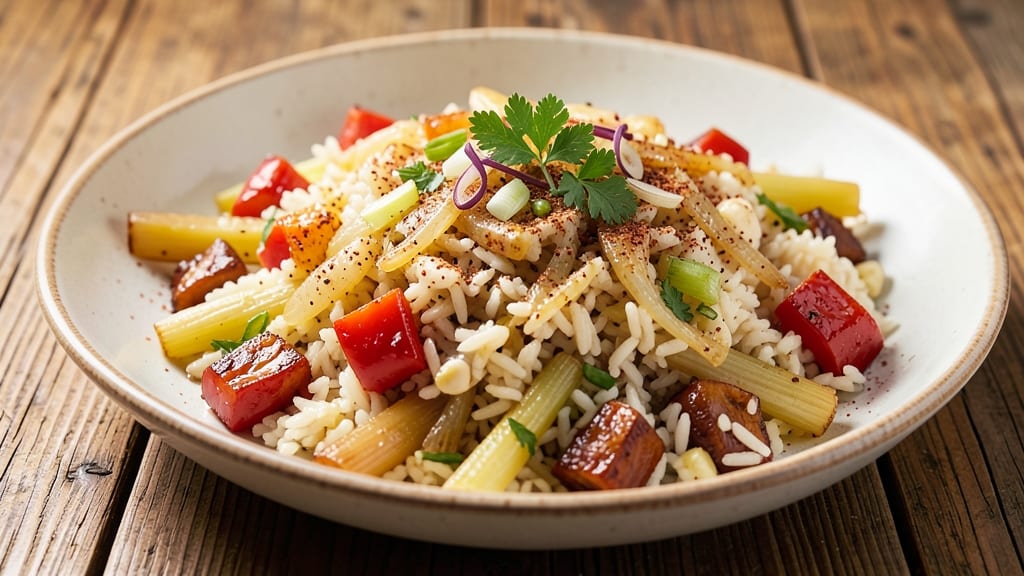
This Cajun rice pilaf recipe transforms simple grains into a bold, aromatic side dish with deep smoky notes and vibrant peppers in every bite. The secret lies in toasting spices until fragrant and layering rice with vegetables for even cooking—no separate pot needed.
I perfected this one-pan method after years of testing, ensuring the rice stays fluffy while absorbing all those rich Cajun flavors.
What sets this pilaf apart is the balance of heat and sweetness from bell peppers and onions, caramelized to perfection before the rice joins. The result is a dish that pairs beautifully with grilled meats or stands alone as a hearty vegetarian option.
Ready in just 30 minutes, it delivers restaurant-quality depth with minimal effort—ideal for weeknight dinners or holiday feasts.
Ingredients for cajun rice pilaf
Transform simple pantry staples into restaurant-worthy Cajun rice with these aromatic ingredients.
| Ingredient | Amount | Notes |
|---|---|---|
| Long-Grain White Rice 🌾 | 1 ½ cups | Uncooked, preferably jasmine or basmati |
| Red Bell Pepper 🧅 | 1 whole | Diced, vibrant red for sweetness |
| Yellow Onion 🧅 | 1 whole | Diced, medium size preferred |
| Celery Stalks 🥬 | 2 whole | Diced, for classic holy trinity |
| Garlic Cloves 🧄 | 4 cloves | Minced, fresh and aromatic |
| Cajun Seasoning 🌶️ | 2 tbsp | High-quality blend, toasted |
| Smoked Paprika 🌶️ | 1 tsp | For deep smoky aroma |
| Dried Thyme 🌿 | 1 tsp | Or 1 tbsp fresh thyme leaves |
| Chicken Broth 💧 | 1 ½ cups | Low-sodium preferred |
| Unsalted Butter 🧈 | 2 tbsp | For rich, velvety texture |
| Fresh Parsley 🌿 | ¼ cup | Chopped, for vibrant finish |
| Salt 🧂 | ½ tsp | Diamond Crystal preferred |
| Black Pepper 🌶️ | ¼ tsp | Freshly ground for heat |
| Vegetable Oil 🫒 | 1 tbsp | High smoke point for toasting |
The foundation starts with high-quality long-grain rice—jasmine or basmati for that signature texture. For the holy trinity, fresh bell peppers and onions from the produce section (not pre-cut) ensure vibrant sweetness. Garlic cloves should be plump and firm—no shriveled ones. The Cajun seasoning is non-negotiable; brands like Tony Chachere's or Slap Ya Mama deliver authentic heat. Toast the spices in the pan first—their aroma is what builds that smoky depth. Smoked paprika adds an extra layer of complexity, so don't skip it. For thyme, dried works fine, but fresh leaves elevate the dish significantly.
No red bell pepper? Yellow or orange holds up well, though sweetness varies. Onion shortage? Leeks or shallots work in a pinch. Short on thyme? Dried oregano at half the amount mimics the earthiness. The broth can be vegetable-based for vegetarian versions, but chicken broth deepens the savory profile. Pre-made Cajun seasoning lacks the toasted depth—make your own blend if time allows. For the parsley, flat-leaf is preferred over curly for a more refined finish. The butter should be unsalted to control seasoning balance.
Store cooked pilaf in an airtight container for up to 4 days in the fridge. For longer storage, freeze portions for 3 months—reheat gently with a splash of broth to restore moisture. The rice reheats beautifully, though texture may soften slightly. Double the batch for meal prep; it reheats even better the next day as flavors meld. Garnish with extra parsley or a sprinkle of smoked paprika just before serving to maintain vibrant presentation.
Why You'll Love This Recipe
- One-Pot Magic: I swear by this—just toss everything (rice, veggies, spices) into one pot, add broth, and walk away. No fancy layers, no stress. The celery and bell pepper soften into that perfect, slightly chewy texture without falling apart.
- Spice Bomb Flavor: That Cajun seasoning? It’s the star. The garlic and onion caramelize just enough to balance the heat, while the bell pepper adds a bright, smoky sweetness. Honestly, the first bite makes me forget it’s just rice.
- Meal Prep MVP: Between us, this is my go-to for lunches all week. Cook a big batch, portion it out, and reheat with a splash of water—no soggy rice, no sad leftovers. My daughter’s favorite, and she’s the pickiest eater.
- Budget-Friendly Staple: Long-grain rice and basic veggies? Check. Pantry spices? Check. This feeds four for under $5 and stretches into leftovers that taste even better the next day. (Yes, even on a Tuesday night.)
Step-by-step instructions for smoky Cajun rice pilaf
This one-pan method delivers perfectly balanced grains with deep Cajun flavor and aromatic vegetables.
Sauté the Holy Trinity Until Golden
Heat the 1 tablespoon vegetable oil in a large skillet over medium-high heat. Add the diced 1 whole yellow onion, 1 whole red bell pepper, and 2 whole celery stalks, spreading them evenly in the pan. Cook for 5-6 minutes, stirring occasionally, until the vegetables soften and their edges begin to caramelize slightly.
This foundational step builds flavor through the Maillard reaction. You'll know they're ready when they release their moisture and develop a deep golden hue. If the vegetables stick, reduce heat briefly and scrape the bottom with a wooden spoon to release any browned bits—they're packed with flavor.
Toast the Aromatics and Seasonings
Add the 4 minced garlic cloves and cook for 30 seconds until fragrant. Immediately stir in the 2 tablespoons Cajun seasoning, 1 teaspoon smoked paprika, and 1 teaspoon dried thyme, mixing well to coat the vegetables. Cook for an additional 1 minute until the spices are toasted and their aromas fill your kitchen.
This brief toasting awakens the spices' flavors, creating a complex aromatic base for the pilaf. Watch carefully—the spices can burn quickly. If they darken too much, remove the pan from heat briefly to cool slightly before proceeding.
Cook the Rice Until Translucent
Add the 1.5 cups long-grain white rice, stirring to coat each grain with the vegetable mixture. Pour in the 1.5 cups chicken broth and add the 2 tablespoons unsalted butter. Bring to a gentle boil, then reduce heat to medium-low and cover the skillet with a tight-fitting lid. Cook for 15 minutes without lifting the lid.
This initial cooking phase allows the rice to absorb the initial liquid and begin steaming. The butter creates a velvety texture while the broth infuses the grains with flavor. After 15 minutes, check the rice—it should be tender but still slightly firm in the center with a few grains still slightly translucent.
Steam to Perfect Doneness
Remove the lid and gently fluff the rice with a fork, breaking up any clumps. Return the lid to the skillet and continue cooking on low heat for an additional 5-7 minutes. The rice should be tender with a slight bite, and all liquid should be absorbed. If needed, add 1-2 tablespoons water and cook for another 2 minutes to finish.
This second steaming phase ensures even cooking throughout. The rice should be tender but not mushy, with each grain distinct. If you lift the lid too soon, you risk drying out the rice—patience here is key to achieving perfectly fluffy grains.
Finish with Fresh Herbs and Season
Remove the skillet from heat and stir in the 0.25 cup chopped fresh parsley, 0.5 teaspoon salt, and 0.25 teaspoon black pepper. Cover again and let the pilaf sit for 5 minutes to allow the flavors to meld. Then fluff one final time with a fork and serve immediately while still steaming hot.
The parsley adds a vibrant finish and fresh contrast to the smoky Cajun flavors. This resting period allows the rice to set slightly, preventing it from becoming gummy. Serve with grilled meats or as a standalone dish to experience the full depth of these aromatic flavors.
Pro Tips For Making Cajun Rice Pilaf
- TOAST THE CELESTIAL TRIO: Sauté your onion, bell pepper, and celery in oil until they’re soft but still hold their shape—about 8-10 minutes. I learned this the hard way: rushing this step makes the rice taste dull. (Yes, even if you’re impatient like me.)
- CHOP CELEERY FINE: Dice the celery into 1/8-inch pieces—smaller than you think. Big chunks turn to mush and ruin the texture. My grandmother swore by this, and she was right: the rice stays firm and the flavor blends better.
- USE TWICE THE BROTH: Skip the measuring cup—use 2 cups of broth per 1 cup of rice, not the 1:1 ratio you’d use for plain rice. Cajun rice needs that extra liquid to soak up the spices without drying out. (Your future self will thank you.)
- STIR ONCE, THEN LEAVE IT: After adding the rice, stir just once to distribute it evenly, then walk away. Poking it constantly releases starch too early, turning your pilaf into glue. Cover and let it steam—it’ll fluff perfectly on its own.
Storing and reheating this dish
Fridge Storage Tips
Let your Cajun rice pilaf cool completely to room temperature before transferring it to an airtight container—I love using glass Pyrex with snap-on lids. Store it in the fridge at 40°F or below for up to 4 days.
The flavors actually deepen overnight as the spices meld together, making leftovers taste even better. Just give it a quick stir before reheating to redistribute any settled butter. ❄️
Freezer Prep Essentials
For longer storage, portion your pilaf into quart-sized freezer bags (they stack neatly) or glass containers with tight seals. Leave ½ inch of headspace to prevent expansion cracks, and squeeze out excess air to avoid freezer burn.
Label with the date—this pilaf stays delicious for 3 months when frozen properly. Thaw overnight in the fridge for best texture. 🧊
Stovetop Reheating Method
My preferred way to revive pilaf is on the stovetop. Transfer portions to a skillet with 2 tablespoons water or chicken broth per cup of rice, then cover and heat over medium-low heat for 8-10 minutes.
Stir occasionally to prevent sticking. If it's too dry, add more liquid in 1-tablespoon increments. The butter will melt beautifully, restoring that velvety texture. 🔥
Microwave Revival Tricks
For quick meals, use the microwave with care. Place pilaf in a microwave-safe dish with a damp paper towel covering it, then heat on 50% power for 2-3 minutes. Stir, then continue in 30-second bursts until reaching 165°F internal temperature.
Add a splash of broth if needed—the microwave can dry out the rice. Covering prevents moisture loss and keeps flavors locked in. ⚡
Garnish Before Serving
After reheating, always finish with fresh parsley and a pinch of smoked paprika—this restores vibrant color and brightens flavors that can dull during storage. For extra zing, squeeze a little lemon juice over the top.
The acidity cuts through any richness and reminds your taste buds of the fresh ingredients. Serve immediately for that restaurant-quality presentation. 🌿
Meal Prep Pro Tips
Double the recipe and store half for later—pilaf reheats even better the next day as the spices infuse further. When prepping, cool components separately (rice and veggies) before combining to prevent sogginess.
Use parchment paper under containers to catch any condensation. For variety, add cooked shrimp or chicken when reheating—it absorbs the pilaf's flavors beautifully. 💡
Nutrition facts
Frequently asked questions
Can I use brown rice instead of white rice in this Cajun pilaf?
You can try it, but the cooking time and texture will differ significantly. Brown rice requires 25-30 minutes of simmering and absorbs more liquid, so you'll need 2 cups broth instead of 1.5. The result will be nuttier and chewier rather than fluffy, but still delicious with the Cajun spices.
What's the best way to make this pilaf extra flavorful?
Toast your spices for 30 seconds longer than called for to deepen their aroma. Add 1 teaspoon of Cajun seasoning to the broth before pouring, and finish with a squeeze of lemon juice or a sprinkle of feta cheese for brightness. For protein lovers, stir in ½ cup cooked shrimp or diced chicken at the end.
Why did my rice turn out mushy?
Mushy rice usually happens from one of three issues: lifting the lid too soon, not enough cooking time, or too much liquid. Always cook covered on low heat without peeking, and use 1.5 cups liquid per 1 cup rice. If it's still too wet after 20 minutes, uncover and cook on medium heat to evaporate excess moisture.
Can I make this pilaf in an Instant Pot or rice cooker?
For the Instant Pot, sauté the veggies and spices first, then add rice, broth, and butter. Cook on high pressure for 4 minutes, then natural release for 10 minutes. In a rice cooker, follow the same steps but use 1.75 cups liquid and cook until the "keep warm" cycle completes. Both methods will give you fluffy, flavorful rice.
How can I make this vegetarian?
Swap chicken broth for vegetable broth and add ½ cup black beans or chickpeas for protein. Stir in ½ cup corn kernels for sweetness, or top with avocado slices and crumbled goat cheese when serving. The smoky Cajun flavors work beautifully with plant-based proteins.