
Main Courses
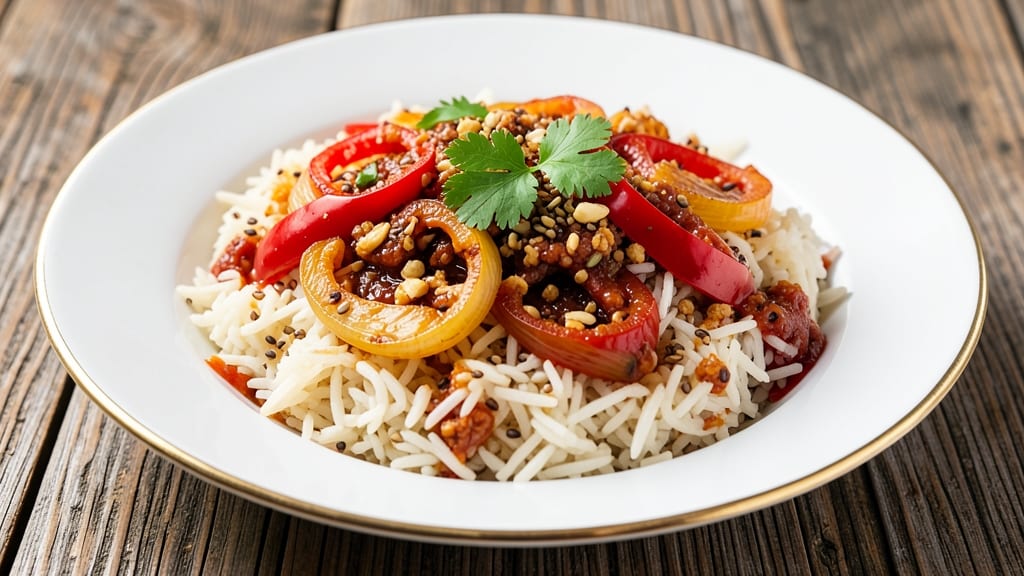
This capsicum masala rice recipe transforms simple ingredients into a vibrant, aromatic one-pan meal that bursts with color and spice. 🌶️ The secret lies in layering whole spices—cumin, cardamom, and cloves—with bell peppers and basmati rice, creating a dish that’s both hearty and elegant.
Perfect for weeknight dinners or meal prep, this recipe delivers restaurant-quality flavor with minimal effort.
What sets this apart is the balance of textures: tender rice, crisp-tender bell peppers, and fragrant spices that meld into a cohesive, flavorful bite. The dish is adaptable—add chicken or tofu for extra protein, or keep it vegetarian for a lighter option.
Every mouthful is a harmony of smoky, sweet, and savory notes, making it a standout for any occasion.
Ingredients for capsicum masala rice
Whole spices, vibrant peppers, and aromatic rice—this one-pan meal delivers restaurant-quality flavor effortlessly.
| Ingredient | Amount | Notes |
|---|---|---|
| Basmati Rice 🍚 | 1 ½ cups | Uncooked, long-grain preferred |
| Red Bell Peppers 🍅 | 3 whole | Capsicum, any color variety |
| Yellow Onion 🧅 | 1 whole | Medium size, finely chopped |
| Garlic Cloves 🧄 | 6 cloves | Fresh, minced for aroma |
| Ginger Root 🌿 | 1 tbsp | Fresh, grated for zing |
| Cumin Seeds 🌶️ | 1 tsp | Whole seeds, toasted |
| Cardamom Pods 🌿 | 4 whole | Green, lightly crushed |
| Cloves 🌶️ | 2 whole | Whole, lightly crushed |
| Ground Cinnamon 🌿 | ¼ tsp | For subtle warmth |
| Turmeric Powder 🌶️ | ½ tsp | Brightens color |
| Garam Masala 🌶️ | 1 tsp | Store-bought or homemade |
| Vegetable Oil 🫒 | 3 tbsp | High smoke point preferred |
| Salt 🧂 | 1 tsp | Adjust to taste |
| Fresh Cilantro 🌿 | ¼ cup | Chopped, for garnish |
| Lemon Juice 🍋 | 1 tbsp | Freshly squeezed |
The spices are the soul of this dish. Whole spices like cardamom and cloves need to be lightly crushed—not powdered—to release their aroma gradually. Penzeys or local Indian grocery stores carry high-quality whole spices that make all the difference. For the bell peppers, mixed colors add visual appeal, but red or yellow work perfectly. If you can't find whole spices, pre-ground works in a pinch, but toast them lightly in a dry pan first to wake up their flavors. The ginger and garlic should be freshly grated and minced—no jars of pre-minced garlic here.
No cardamom? Substitute 1/4 tsp ground cardamom, but the texture won't be the same. Running short on cloves? Skip them entirely—the dish still shines. For the bell peppers, frozen chopped peppers work in a bind, but fresh are ideal. The garam masala is non-negotiable—it ties everything together. If you can't find it, mix 1/2 tsp cumin, 1/4 tsp coriander, and a pinch of cinnamon as a rough substitute. The vegetable oil should have a high smoke point—avocado or refined coconut oil are great choices if you want to avoid neutral flavors.
This dish keeps beautifully for 4-5 days in the fridge, making it perfect for meal prep. Store in an airtight container with a tight lid to preserve the aromatic spices. For leftovers, reheat gently on the stove with a splash of water to restore moisture—microwaving can make the rice dry. The flavors actually deepen overnight, so save half for lunch the next day. Garnish with fresh cilantro and a squeeze of lemon just before serving to brighten the dish.
Why You'll Love This Recipe
- One-Pot Magic: I swear by this—just toss everything in one pot, walk away for 20 minutes, and boom. No rice cooker fuss, no separate pans, no stress. The bell peppers soften perfectly while the rice absorbs all that garlicky, spiced goodness right alongside them.
- Sweet-Savory Balance: That caramelized onion and red bell pepper combo? It’s like a hug for your taste buds. The ginger and garlic hit just right—warm, aromatic, and never overpowering. Honestly, I’ve tried fancier versions, but this simple masala punch is my daily driver.
- Lunchbox Hero: Between us, this is my go-to for meal prep. The flavors only get better the next day, and it reheats like a dream. Pack it cold for work or microwave it for a lazy afternoon—no sad, soggy rice here.
- Budget Brightener: Fresh bell peppers and onions stretch so far, and basmati rice is a pantry staple. I’ve made this for $3 a serving, and it still feels like a restaurant dish. Plus, the leftovers? They disappear faster than I can say “seconds, please.”
Step-by-step instructions for capsicum masala rice
Master this vibrant one-pan dish where fragrant spices meet crisp bell peppers.
🍳 Step 1: Toast the Whole Spices for Maximum Flavor
Heat 3 tablespoons vegetable oil in a heavy-bottomed pot over medium heat. Add the cumin seeds and toast for 30 seconds until they release their aroma and turn golden. Immediately add the cardamom pods and cloves, crushing them lightly with the back of a spoon to release their oils.
Toast these spices for another 20 seconds until fragrant—this step unlocks their full potential. The spices should smell warm, earthy, and slightly sweet. Remove from heat immediately to prevent burning, as toasted spices can turn bitter quickly. Set aside for now; we'll return to them later.
👨🍳 Step 2: Build the Aromatic Base with Onion and Peppers
In the same pot, add the finely chopped yellow onion and cook over medium heat for 5 minutes until softened and translucent. Add the minced garlic cloves and grated ginger root, cooking for another 1-2 minutes until fragrant but not browned.
Now add the whole red bell peppers, cut into 1-inch pieces (keep the skins on for texture). Cook for 5-6 minutes until the peppers begin to soften and release their juices. The peppers should be tender enough to pierce with a fork but still hold their shape. This is where the magic happens—the peppers absorb all those aromatic spices.
🍳 Step 3: Add Spices and Cook the Rice
Stir in the turmeric powder, ground cinnamon, and garam masala, cooking for 30 seconds to toast the spices briefly. Add the 1.5 cups basmati rice and stir to coat evenly with the spice mixture. Pour in 2.5 cups water (or enough to cover the rice by about ½ inch) and add the 1 teaspoon salt.
Bring to a boil, then reduce heat to low and cover with a tight-fitting lid. Let it simmer for 15 minutes without stirring—this allows the rice to absorb the liquid evenly and develop its signature texture. The rice should be tender but still slightly firm, with the peppers now fully cooked and infused with flavor.
⏰ Step 4: Finish with Fresh Herbs and Brightness
Once the rice is tender, turn off the heat and let it sit covered for 5 minutes. Fluff the rice gently with a fork, then stir in the chopped fresh cilantro and lemon juice. The cilantro adds freshness that cuts through the richness of the spices, while the lemon juice brightens the entire dish.
Taste and adjust seasoning if needed—you might want to add a pinch more salt or a squeeze of extra lemon. Serve immediately while the peppers are still vibrant and the spices are aromatic. This dish tastes best fresh, with the peppers slightly warm and the rice perfectly textured.
Pro Tips For Making Capsicum Masala Rice
- CHAR THE ONIONS LOW: Don’t blast them on high heat—sauté those yellow onions at medium-low for 8-10 minutes until deep golden and almost caramelized. I learned this the hard way: burning them turns your masala rice bitter, and no amount of spices fixes that. (Yes, even if you’re impatient like me.)
- SLICE PEPPERS THIN: Cut the red bell peppers into ¼-inch strips, not chunks. Thinner slices soften faster and absorb the masala better, so every bite has that sweet, tangy punch instead of chewy surprises. Skip the food processor—it makes them mushy.
- TOAST THE RICE DRY: Before adding water, spread the raw basmati rice in a single layer and toast it in the pot for 2-3 minutes until it smells nutty and fragrant. This step locks in aroma and prevents mushy rice later—no, it’s not optional, especially if you’re using older basmati.
- SAVE THE GINGER-GARLIC PASTE: Make a small batch of ginger-garlic paste (1:1 ratio, finely grated) and freeze it in ice cube trays. Thaw one cube for this recipe—it’s fresher than jarred paste and adds depth without overpowering the capsicum’s sweetness. (Your future self will stop cursing the grocery store aisle.)
Common mistakes when making great capsicum masala rice
Overcooking the Rice
One of the most common mistakes is letting the rice cook too long, turning it mushy and pasty. The 15-minute simmer is critical—any longer and the rice will absorb all the moisture, losing its distinct texture.
I’ve ruined countless batches by checking the rice too early and then overcompensating by adding more water. Instead, set a timer and resist the urge to peek! The peppers should be tender but still hold their shape, signaling the rice is done. 💡
Skipping Spice Toasting
Rushing through the spice toasting step is a huge mistake—the aroma and depth of flavor depend on it. Those 30 seconds of toasting cumin, cardamom, and cloves unlock their full potential. I once made this dish without toasting and was disappointed by the bland, one-dimensional flavor.
Always toast whole spices until they’re fragrant—it’s worth the extra minute! The spices should smell warm and earthy, not burnt. ⏱️
Uneven Pepper Cooking
Cutting the bell peppers too small or too thick can lead to uneven cooking. 1-inch pieces strike the perfect balance—large enough to hold shape but small enough to cook through. I’ve seen recipes where peppers were left raw in the center or turned to mush.
For even cooking, ensure all pepper pieces are similar in size. If using different colors, mix them in the same batch for visual appeal and consistent texture. 🌶️
Ignoring the Resting Time
Letting the rice sit covered for 5 minutes after cooking is non-negotiable. Skipping this step can leave the rice unevenly cooked or dry. The residual heat helps the rice finish cooking and redistribute flavors.
I’ve made the mistake of fluffing and serving immediately, only to find the rice still firm in the center. Patience here ensures a perfect, fluffy texture every time. ⏰
Using the Wrong Water Ratio
The 2.5 cups water for 1.5 cups rice ratio is ideal for basmati rice, but many recipes suggest using more. Too much water results in soggy rice, while too little leaves it undercooked.
I’ve learned the hard way—once I used 3 cups of water and ended up with a mushy mess. Stick to the ratio and adjust only if your rice brand requires it. The rice should be tender but still have a slight bite. 💧
Overcrowding the Pot
Using a pot that’s too small can lead to uneven cooking and steamed rice. A heavy-bottomed pot with enough space for the rice to expand is key. I’ve seen recipes where the rice was packed tightly, resulting in uneven texture and undercooked centers.
If your pot seems too small, cook in batches or use a larger one. The rice should have room to breathe and absorb the liquid evenly. 🍚
Nutrition facts
Frequently asked questions
Can I substitute bell peppers with other vegetables?
Yes, but texture and flavor will change. For similar results, try zucchini (cut into thick slices) or eggplant (salted and drained first). If using tomatoes, reduce water by 0.5 cups since they release moisture. For a sweeter profile, swap in carrots or sweet potatoes (cut into ½-inch cubes).
How do I make this recipe vegetarian or vegan?
It’s already vegetarian! For vegan, skip the ghee if used and opt for vegetable oil instead. The dish naturally contains no animal products. To boost protein, stir in chickpeas or tofu cubes during the pepper cooking stage. Garnish with vegan-friendly toppings like toasted nuts or avocado slices.
Why does my rice turn out mushy?
Mushy rice usually means overcooking or too much water. The 15-minute simmer is strict—set a timer! Also, avoid lifting the lid while cooking. If your rice brand needs less water, reduce to 2 cups for 1.5 cups rice. For extra insurance, use a heavy-bottomed pot to prevent burning at the edges.
Can I make this in an Instant Pot?
Use the Sauté function to toast spices, then add all ingredients and cook on High Pressure for 4 minutes. Quick-release the pressure, then let it sit covered for 5 minutes before fluffing. The Instant Pot version cooks faster but requires slightly less water (2 cups total). Stir in fresh cilantro and lemon after pressure releases.
What's the best way to reheat leftovers?
Reheat gently on the stove with 2 tablespoons water over low heat for 3-4 minutes. Microwaving dries out the rice. For extra flavor, add a pinch of garam masala or a splash of lemon juice. Store leftovers in an airtight container for up to 4 days—the spices deepen over time!