
Main Courses
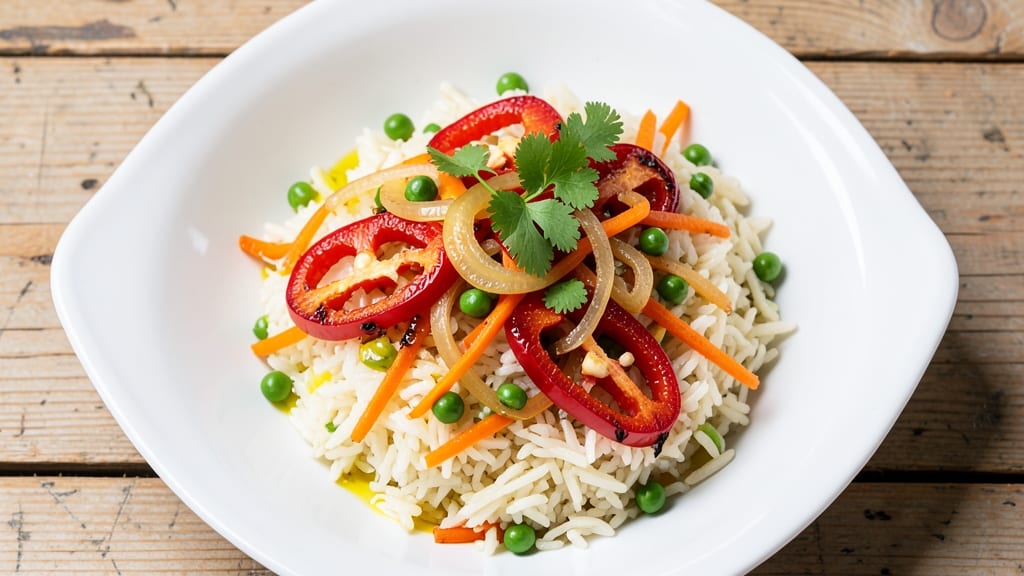
This capsicum rice recipe from Hebbars Kitchen brings vibrant South Indian flavors to your dinner table with minimal effort. The secret lies in perfectly tempered spices that transform simple vegetables into a fragrant, one-pan meal.
I first tasted this dish in a bustling Mumbai kitchen, where the aroma of mustard seeds sizzling in hot oil instantly transported me to another world.
The recipe combines long-grain rice with tender capsicums, carrots, and peas, all cooked together in a single pot for easy cleanup and flavorful results. The tempering—mustard seeds, curry leaves, and dried red chilies—adds depth that makes this dish taste restaurant-quality.
What sets it apart is the balance of tangy tamarind and sweet coconut, creating a sauce that clings perfectly to each grain.
By the time you finish cooking, you’ll have a golden, fragrant dish with crisp-tender vegetables and perfectly cooked rice. The spices release their aroma as they toast, filling your kitchen with warmth and making every bite taste like a hug from a loved one.
This is comfort food at its finest—simple yet sophisticated, perfect for weeknight dinners or special occasions.
Serve it with a dollop of yogurt or a sprinkle of fresh cilantro for extra freshness. The best part? It’s vegetarian, protein-rich, and ready in under 45 minutes—no complicated techniques required. Let’s get cooking!
Ingredients for capsicum rice recipe hebbars kitchen
Simple rice, bold spices, and vibrant veggies—this one-pan dish delivers restaurant-quality South Indian flavors.
| Ingredient | Amount | Notes |
|---|---|---|
| Long-Grain Basmati Rice 🍚 | 1 ½ cups | Uncooked, rinsed thoroughly |
| Red Bell Peppers (Capsicums) 🍅 | 2 whole | Medium-sized, deseeded and sliced |
| Carrots 🥕 | 2 medium | Whole, peeled and sliced |
| Green Peas 🌱 | 1 cup | Fresh or frozen, thawed |
| Onions 🧅 | 1 whole | Medium, finely chopped |
| Garlic Cloves 🧄 | 4 cloves | Fresh, minced finely |
| Mustard Seeds 🌶️ | 1 tbsp | Whole, yellow variety |
| Curry Leaves 🌿 | ¼ cup | Fresh, lightly crushed |
| Dried Red Chilies 🌶️ | 2 whole | Kashmiri or small red |
| Coconut (Grated) 🥥 | ½ cup | Fresh, unsweetened |
| Tamarind Paste 🍈 | 1 tbsp | Adjust for tanginess |
| Turmeric Powder 🌿 | ½ tsp | Freshly ground preferred |
| Cumin Seeds 🌶️ | ½ tsp | Toasted lightly |
| Ginger 🌿 | 1 inch | Fresh, grated |
| Vegetable Oil 🫒 | 4 tbsp | For tempering |
| Salt 🧂 | 1 tsp | Adjust to taste |
| Fresh Cilantro 🌿 | ¼ cup | Chopped, for garnish |
The mustard seeds are non-negotiable here—they carry that signature South Indian aroma. Buy whole seeds from an Indian grocery store like Patel Brothers or Patel Brothers Spices for the best quality. Curry leaves? Fresh is essential—dried just won't cut it. I always grab extra because they're hard to find outside specialty stores. For the chilies, Kashmiri red gives the best color without too much heat, but any dried red will work. The tamarind paste should be thick and tangy—Sri Lanka brand from the international aisle is my go-to. And that coconut? Freshly grated is best, but unsweetened desiccated coconut from the bulk section works in a pinch.
No curry leaves? Dried thyme at half the amount is a decent stand-in, though it won't be authentic. Running low on tamarind? Lemon juice plus a pinch of sugar mimics the tang. The red bell peppers can be swapped for green or yellow—just adjust the cooking time slightly. For the peas, frozen works perfectly (thaw first), but fresh gives that extra sweetness. The carrots? Baby carrots are great if you're short on time—just halve them. And if you can't find Kashmiri chilies, bird's eye chilies at one-third the amount will give you that kick.
This dish tastes even better the next day—flavors meld beautifully when reheated gently. Store leftovers in an airtight container for 4-5 days in the fridge. For longer storage, freeze portions for up to 3 months. I always make extra because it reheats so well for lunches. The rice stays separate, so just microwave with a splash of water. Garnish with fresh cilantro right before serving—it makes all the difference in that final presentation.
Why You'll Love This Recipe
- You’re using pantry basics here: rice, onions, carrots, peas, and capsicums. No fancy ingredients, just solid, affordable flavors that stretch across the week. I’ll be real: it’s the kind of recipe that makes grocery day feel like a win.
- One-Pot Magic: I swear by this recipe when I’m too tired to scrub pots—just toss everything in one pan, let the rice steam with the veggies, and boom. The capsicums caramelize while the rice absorbs their sweetness, so you’re left with minimal cleanup and maximum flavor.
- Sweet-Savory Balance: That crisp-tender red bell pepper and carrot combo? It’s the star. The onions add depth, the peas bring freshness, and the basmati rice soaks up all the juices like a sponge—no bland rice here. Honestly, it’s the kind of dish where every bite feels intentional.
- Lunchbox Hero: Between us, this is my go-to for meal prep. The rice holds up for days, and the veggies stay crisp if you pack it right. My kids actually eat their veggies this way—no complaints, just clean plates. (Yes, even on a Tuesday night.)
Step-by-step instructions for vibrant veggie-packed capsicum rice
Here's how to create this fragrant, colorful one-pan dish that balances textures and flavors perfectly.
Prepare the Vegetables and Rice
Begin by rinsing the 1.5 cups long-grain basmati rice thoroughly under cold water until the water runs clear. Soak the rice in a bowl of water for 20 minutes—this removes excess starch and prevents the rice from becoming mushy. While the rice soaks, peel and slice the 2 medium carrots into thin rounds and dice the 2 whole red bell peppers (capsicums) into even-sized pieces.
Finely chop the 1 whole onion and mince the 4 cloves garlic. Grate the 1 inch ginger and crush the 0.25 cup curry leaves lightly between your palms to release their aroma. If using frozen 1 cup green peas, thaw them in warm water for 5 minutes before draining. Keep all prepped vegetables separate until ready to cook—this ensures even cooking and vibrant colors in your final dish.
Temper the Spices and Coconut
Heat 2 tablespoons vegetable oil in a heavy-bottomed pan over medium heat. Add the 0.5 tsp toasted cumin seeds and let them sizzle for 30 seconds until they turn golden and fragrant. This is the moment that matters—if they burn, they'll taste bitter. Next, add the 2 whole dried red chilies and 0.5 tsp turmeric powder, stirring for 10 seconds to toast the spices.
Lower the heat to medium-low and add the 0.5 cup grated coconut. Stir for 1 minute until the coconut turns a light golden color and releases its nutty aroma. Remove the pan from heat and set aside. This step builds the flavor foundation—don't skip it, as it prevents the coconut from burning and ensures a balanced taste in your rice.
Cook the Aromatics and Vegetables
In the same pan, add the remaining 2 tablespoons vegetable oil and increase heat to medium-high. Add the chopped onion and sauté for 3-4 minutes until translucent. Add the minced garlic and grated ginger, cooking for 30 seconds until fragrant—this is when your kitchen should smell like a spice market.
Add the sliced carrots and red bell peppers, stirring for 5 minutes until the carrots soften slightly but still retain their shape. Stir in the 1 cup green peas and cook for another 2 minutes. The vegetables should be tender-crisp—they'll finish cooking in the rice. If the vegetables stick, add 1 tablespoon water and scrape the bottom of the pan to release any browned bits.
Combine Rice and Seasonings
Drain the soaked rice thoroughly and add it to the pan with the vegetables. Stir well to coat the rice evenly with the oil and spices. Add 1 tbsp tamarind paste, 1 tsp salt, and the tempered spice mixture. Pour in 2.5 cups water (the rice absorbs about 1.5 cups, with the rest steaming the vegetables). Bring to a gentle boil, then reduce heat to low and cover the pan with a tight-fitting lid.
Cook for 12-15 minutes until the rice absorbs most of the water and the vegetables are tender. You'll know it's ready when the rice grains are firm to the bite and the water has evaporated. Avoid peeking during cooking—each time you lift the lid, you release steam and prolong the cooking time. If the rice looks undercooked after 15 minutes, add 2 tablespoons water and cook for another 2-3 minutes.
Garnish and Serve
Once the rice is perfectly cooked, turn off the heat and let it sit covered for 5 minutes. This resting period allows the flavors to meld and the rice to steam gently. Fluff the rice gently with a fork, then garnish with the 0.25 cup chopped fresh cilantro. The bright green color of the cilantro contrasts beautifully with the vibrant red and orange vegetables, making your dish visually stunning.
Serve immediately with a side of yogurt or a sprinkle of toasted coconut for extra crunch. Each bite should deliver a harmonious blend of sweet carrots, crisp bell peppers, nutty coconut, and tangy tamarind. This dish is best enjoyed fresh while the vegetables retain their vibrant texture and the rice is perfectly fluffy.
Pro Tips For Making Capsicum Rice Recipe Hebbars Kitchen
- CHAR THE ONIONS FIRST: I used to add onions last, thinking it didn’t matter—but they burn faster than you’d think. Sear them for 5-6 minutes until deep golden brown before tossing in the capsicums and carrots. That caramelized base is what ties the whole dish together, not just flavor but texture.
- CUT CAPSICUMS UNIFORM: Thin strips or small cubes? Neither. Dice them into ½-inch chunks—big enough to hold shape but small enough to cook through evenly. I learned this after serving mushy capsicum bits one holiday, and now I swear by the consistency.
- DON’T SKIP THE RICE WASH: Basmati rice clumps if you’re lazy about rinsing. Swirl it in a fine-mesh strainer under cold water until the water runs clear—this removes excess starch and gives you fluffy, separate grains. Yes, it’s tedious, but the difference is night and day.
- ADD PEAS LATE: Toss them in the last 2 minutes of cooking, or they’ll turn to mush. Frozen peas work fine—just don’t overcrowd the pan. I was skeptical until I tried it; they stay bright green and pop with every bite.
Wine and beer pairings for capsicum rice recipe hebbars kitchen
Crisp White Wines
For this vibrant, spice-forward dish, a dry Indian white wine like Chenin Blanc or Sauvignon Blanc from the Deccan region cuts through the richness beautifully.
The citrus notes in Chenin Blanc complement the tamarind and coconut, while Sauvignon Blanc adds a refreshing herbal touch that balances the mustard seeds and curry leaves. I love chilling a glass of Sula Chenin Blanc from Nashik—it’s crisp, aromatic, and pairs perfectly with the dish’s bright flavors. 🍷
Light-Bodied Beers
If you prefer beer, opt for a crisp lager or Pilsner with subtle malt sweetness to match the dish’s natural sugars. Kingfisher Lager or Tuborg work wonderfully—their clean, effervescent profiles cleanse your palate between bites.
For something more adventurous, try a Belgian Witbier like Stella Artois (yes, it’s a Witbier!)—the coriander and citrus notes harmonize with the tamarind and coconut. Serve chilled to enhance the contrast. 🍺
Rosé for Balance
A dry rosé with a touch of spice, like Grapes of Wrath Rosé from California, bridges the gap between wine and beer pairings. The berry undertones and subtle earthiness complement the bell peppers and carrots, while its acidity cuts through the coconut’s richness.
For a local twist, try an Indian rosé like Sula Rosé—it’s light, refreshing, and surprisingly versatile. 🌸
Non-Alcoholic Options
Don’t overlook sparkling lime soda or ginger beer for a non-alcoholic match. The effervescence mirrors the dish’s lively spices, while the citrus in Sprite or Fever-Tree Ginger Beer enhances the tamarind’s tang.
For something more sophisticated, San Pellegrino Aranciata (blood orange soda) adds a sweet-tart contrast that elevates the dish’s vibrant flavors. 🥤
Serving Temperature
Always serve your beverage chilled—around 45-50°F for wines and 40-45°F for beers. The cool temperature sharpens the palate, letting the dish’s spices and coconut shine. I like to pour a small glass alongside the dish so guests can sip as they eat, balancing each bite with a refreshing contrast.
Pro tip: Use ice cubes made from fruit-infused water (like lemon or mint) to keep drinks cool without diluting them. ❄️
Nutrition facts
Frequently asked questions
Can I substitute bell peppers with other vegetables?
While red bell peppers give this dish its signature color, you can swap them for green bell peppers, zucchini, or even cauliflower florets. For extra sweetness, try sweet potatoes instead—they pair beautifully with the tamarind and coconut. Just adjust cooking time slightly if using denser vegetables like sweet potatoes (2-3 minutes longer).
Why does my rice turn mushy when cooking this dish?
Mushy rice usually happens from one of three things: over-soaking (don't exceed 20 minutes), peeking too often (steam escapes when you lift the lid), or too much water. For this recipe, use 2.5 cups water for 1.5 cups rice—the extra liquid steams the vegetables. If needed, add 2 tbsp water only after 15 minutes, not before.
Can I make this capsicum rice in an Instant Pot?
Yes! Use the Sauté function for the tempering step, then add all ingredients (including 2 cups water) and cook on High Pressure for 4 minutes. Let the pressure release naturally for 10 minutes before opening. The Instant Pot version cooks faster but may need 1 extra tablespoon coconut milk to prevent dryness. Garnish with cilantro as usual!
What's the best way to store leftovers?
Store in an airtight container in the fridge for 4-5 days. The flavors actually improve overnight! For reheating, add 1 tbsp water per cup of rice and microwave for 2 minutes, covered. For freezing, portion into single-serving containers—it reheats beautifully for lunches. The vegetables stay vibrant, but the rice may be slightly firmer after freezing.
Can I make this dish gluten-free?
This recipe is naturally gluten-free! Just ensure your tamarind paste and spices are certified gluten-free (some blends contain anti-caking agents with wheat). For extra richness, stir in 2 tbsp coconut milk during the final cooking stage. The dish maintains its vibrant flavors while being completely safe for gluten-sensitive diets.