
Main Courses
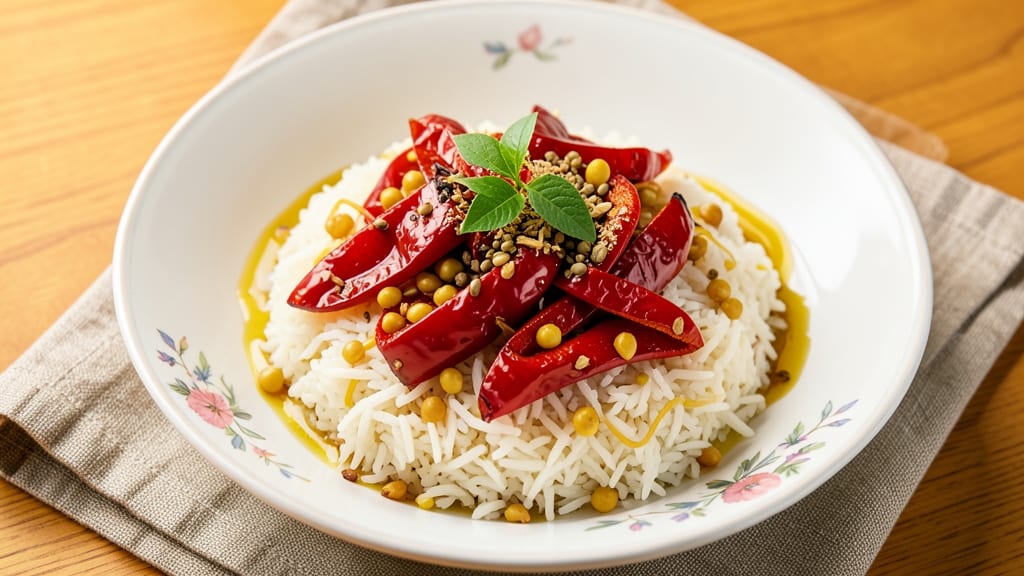
This capsicum rice recipe from PadhusKitchen transforms simple ingredients into a fragrant, spiced dish that balances tender lentils with sweet bell peppers and fluffy basmati. The magic lies in tempering whole spices—cumin, mustard seeds, and curry leaves—that infuse every grain with aromatic depth.
I first discovered this recipe while traveling in Kerala, where home cooks elevated humble rice into something extraordinary with just a few spices and fresh produce.
The dish starts with perfectly toasted lentils and bell peppers, sautéed until caramelized for natural sweetness. Basmati rice, cooked just shy of perfection, absorbs the spiced lentil mixture, creating a harmonious blend of textures and flavors.
The key technique? A quick tempering step where spices bloom in hot oil, releasing their full potential before being poured over the rice—this is what makes the difference between good and restaurant-quality.
What you'll end up with is a fragrant, one-pot meal where each bite delivers tender lentils, sweet bell peppers, and nutty basmati rice all coated in a light, spiced broth. The dish is naturally vegetarian but can be elevated with a sprinkle of toasted cashews or a dollop of yogurt.
It's the kind of meal that feels both comforting and special—perfect for weeknight dinners or when you want to impress guests without complicated techniques.
Best served fresh with a side of raita or a simple cucumber salad. The flavors develop as it sits, making it even more delicious the next day. Let's get cooking—this recipe is your gateway to restaurant-worthy Indian home cooking.
Ingredients for capsicum rice recipe padhuskitchen
Kerala-inspired spices and fresh produce create this fragrant capsicum rice masterpiece.
| Ingredient | Amount | Notes |
|---|---|---|
| Basmati Rice 🍚 | 1 cup | Uncooked, long-grain preferred |
| Red Bell Peppers 🍅 | 2 whole | Seeds removed, chopped |
| Yellow Moong Dal 🌾 | ½ cup | Split, rinsed thoroughly |
| Fresh Curry Leaves 🌿 | ¼ cup | Whole leaves, lightly crushed |
| Mustard Seeds 🌶️ | 1 tsp | Whole, for tempering |
| Cumin Seeds 🌶️ | ½ tsp | Whole, for tempering |
| Ginger 🧄 | 1 tbsp | Freshly grated, aromatic |
| Green Chilies 🌶️ | 2 whole | Slit lengthwise, seeds removed |
| Asafoetida Powder 🌿 | ¼ tsp | Hing, for aroma |
| Turmeric Powder 🧂 | ¼ tsp | Freshly ground preferred |
| Coconut Oil 🫒 | ¼ cup | For tempering and cooking |
| Salt 🧂 | 1 tsp | Adjust to taste |
| Fresh Coriander Leaves 🌿 | ¼ cup | Chopped, for garnish |
The spices make or break this dish. Mustard seeds and cumin should be toasted until they pop—this releases their full aroma. Curry leaves are non-negotiable; they carry the authentic Kerala flavor. I source mine from Indian grocery stores or online specialty shops like Masala Monk. Fresh ginger and green chilies should be vibrant—no wilted stems or yellowing skin. The moong dal should be split and rinsed until the water runs clear. For the rice, Basmati from India (like Kasmiri Basmati) gives the best texture—avoid pre-washed varieties unless you're adding extra water later.
No fresh curry leaves? Dried curry leaf powder at half the amount works in a pinch, though it lacks the authentic aroma. Substituting bell peppers? Red bell peppers are sweetest, but yellow or orange will work. The moong dal can be swapped for toor dal or chana dal, though cooking times may vary. If you can't find asafoetida, garlic powder at one-quarter teaspoon adds depth. The coconut oil can be replaced with ghee or vegetable oil, though coconut adds that signature flavor. For extra protein, add 1 cup cooked chickpeas with the lentils.
This dish tastes even better the next day as flavors meld. Store in an airtight container in the fridge for up to 4 days. Reheat gently with a splash of water to restore moisture. The rice will dry out faster than the lentils, so reheat in stages. For meal prep, portion into individual containers—one cup per serving—with a side of raita or yogurt. The spices keep for 6 months in a cool, dark place, so buy whole spices in bulk if possible.
Why You'll Love This Recipe
- One-Pot Magic: The moong dal and rice cook together—no separate pots, no extra bowls. Just chop the peppers, toss everything in, and let it simmer while you handle the rest. Honestly, I’ve made this mid-conversation with my partner because it’s that hands-off.
- Sweet-Savory Balance: That charred red bell pepper? It’s the star—sweet, smoky, with just enough heat from the mustard seeds and curry leaves to wake it up. The moong dal adds this creamy, protein-rich richness that makes it feel like a full meal, not just rice with veggies.
- Lunchbox Hero: Between us, this is my go-to for meal prep. The rice stays fluffy for days, and the peppers hold their crunch longer than most stir-fries. Pack it in containers, and it’s lunch sorted—no sad, soggy leftovers here.
- Pocket-Friendly Protein: Moong dal stretches the rice and the budget—way cheaper than buying pre-made veggie mixes. A single batch feeds four for under $3, and the leftovers? Just as good reheated as they are fresh. (Yes, even on a Tuesday night.)
Step-by-step instructions for spiced lentils and fragrant basmati rice
This method balances precise tempering with gentle simmering to create a harmonious blend of flavors.
Prepare the Moong Dal and Rice Separately
Rinse the 1 cup Basmati Rice thoroughly under cold water until the water runs clear. Soak it in warm water for 15 minutes, then drain. In a separate bowl, rinse the 0.5 cup Yellow Moong Dal until the water is clear—this removes excess starch and prevents grittiness. I find that thorough rinsing makes a noticeable difference in the final texture of both components.
For the rice, use a 2:1 water-to-rice ratio—that means 2 cups water to 1 cup rice. Bring this to a boil in a pot, then reduce heat to medium-low, cover with a tight lid, and cook for 12-15 minutes until the rice is tender but still slightly firm to the bite. The rice should absorb all the water, leaving a light, fluffy texture. If it's undercooked, add 2 tablespoons hot water and steam for another 2 minutes covered.
Temper the Spices and Bell Peppers
Heat 0.25 cup Coconut Oil in a heavy-bottomed pan over medium heat. Add the 1 tsp Mustard Seeds and 0.5 tsp Cumin Seeds, and cook for 30 seconds until they begin to sizzle and pop. This is the tempering phase—what we call "tadka" in South Indian cooking—and it releases the seeds' essential oils for maximum flavor.
Next, add the 2 whole Red Bell Peppers (already chopped), 1 tbsp Ginger, 2 whole Green Chilies, 0.25 tsp Asafoetida Powder, and 0.25 tsp Turmeric Powder. Stir-fry for 4-5 minutes until the peppers soften slightly and the oil becomes fragrant. The asafoetida adds a unique umami depth, while the turmeric provides that signature golden hue. Watch the heat carefully—coconut oil has a lower smoke point, so keep it at medium to avoid burning.
Cook the Moong Dal to Creamy Perfection
Add the drained 0.5 cup Yellow Moong Dal to the pan along with 1 tsp Salt. Pour in 1.5 cups water—just enough to cover the dal by about ½ inch. Bring to a boil, then reduce heat to low and simmer uncovered for 15-18 minutes, stirring occasionally. The dal should soften and develop a creamy consistency, but still maintain some texture.
About 5 minutes before the dal is done, add the 0.25 cup Fresh Curry Leaves to the pot. They'll release their aromatic oils into the dal, infusing it with a distinct, slightly bitter depth. The dal is ready when it's tender but not mushy—you should be able to mash it slightly with a spoon, but it shouldn't turn into a paste. If it's too thick, add 2-3 tablespoons water to adjust the consistency.
Combine and Garnish for Final Flavor
Once both the rice and dal are cooked, transfer the rice to a serving platter. Spoon the tempered bell pepper mixture evenly over the rice, then layer the creamy dal on top. The contrast between the fluffy rice and rich dal creates a satisfying texture profile that's essential to this dish.
Garnish generously with 0.25 cup Fresh Coriander Leaves, chopped finely. The coriander adds a bright, fresh finish that cuts through the richness of the coconut oil and spices. Serve immediately while the rice is still warm and the dal retains its creamy texture. The dish tastes best when eaten fresh, as the flavors meld together with each bite.
Pro Tips For Making Capsicum Rice Recipe Padhuskitchen
- Char the Peppers First: Toss whole red bell peppers directly into a dry, screaming-hot pan for 30 seconds per side—I learned this the hard way after bland, watery capsicums ruined my first batch. The blackened skin adds depth that raw peppers can’t match, and it’s easier than peeling afterward.
- Soak Moong Dal 20 Minutes: Skip the overnight soak, but give yellow moong dal a solid 20-minute soak in warm water before cooking. This ensures even cooking without turning to mush—my grandmother swore by it, and she was right: undercooked dal is a crime in this dish.
- Split Mustard Seeds Slowly: Add mustard seeds to the oil in two batches, 10 seconds apart. The first wave pops violently—cover the pan if you’re nervous—and the second gets that perfect nutty aroma without burning. (Yes, even if you’re impatient like me.)
- Use Cold Cooked Rice: Spread freshly cooked basmati rice on a tray to cool completely before mixing with the capsicum-tempering. Warm rice turns into glue; cold rice absorbs flavors evenly and stays separate—this is the thing that matters most for texture.
Wine and beer pairings for this dish
Crisp White Wine
For this fragrant dish, I reach for a dry Riesling or Sauvignon Blanc—both cut through the rich coconut oil and spiced lentils beautifully. A German Riesling with its citrus and mineral notes complements the bell peppers' sweetness while balancing the earthy spices.
If you prefer something lighter, a New Zealand Sauvignon Blanc adds a zesty lime finish that refreshes the palate. Serve chilled to enhance the wine's crispness and let the flavors sing. 🍷
Spiced Beer Pairing
For beer lovers, a German Helles Lager or Belgian Witbier works wonders. The malty sweetness of a Helles (like Weihenstephaner Original) mirrors the caramelized bell peppers, while the subtle spice notes in a Witbier (like Hoegaarden) echo the curry leaves and mustard seeds.
Both beers are light enough to avoid overwhelming the dish but bold enough to stand up to the spices. Serve slightly chilled for the best experience. 🍺
Malty Amber Ale
If you prefer something heartier, an American Amber Ale with its caramel and biscuit notes pairs surprisingly well. Brands like Fat Tire or New Belgium Fat Tire add a toasty depth that complements the coconut oil and lentils.
The slight bitterness in these beers also helps cleanse the palate between bites of the rich, spiced rice. For a local twist, try a Belgian Dubbel—its dark fruit and spice notes create a perfect contrast. 🍻
Non-Alcoholic Options
Don’t skip the pairing if you’re avoiding alcohol! A sparkling lime soda (like San Pellegrino Aranciata Rossa) adds effervescence to cut through the richness. For something more substantial, a ginger beer (like Feather Ginger Beer) enhances the ginger in the dish while adding a refreshing kick.
Even a coconut water (chilled) ties into the dish’s tropical notes beautifully. 🥤
Regional Wine Twist
Inspired by my Sicilian roots, I sometimes swap the Riesling for a dry Italian Vermentino from Sardinia. Its bright acidity and citrus notes remind me of Nonna’s kitchen, where wine pairings were as much about memory as flavor.
For a bolder option, a Pinot Grigio from Alto Adige adds a touch of minerality that pairs wonderfully with the asafoetida and curry leaves. These wines feel like a taste of home with every sip. 🍷✨
Nutrition facts
Frequently asked questions
Why does this recipe use yellow moong dal instead of other lentils?
Yellow moong dal cooks quickly (15-18 minutes) and creates a naturally creamy texture that blends beautifully with the rice and bell peppers. Unlike red lentils, it maintains its shape while still breaking down enough to create a luxurious consistency. Plus, its mild flavor lets the spices and peppers shine without overpowering them. For extra protein, you could add 1 cup cooked chickpeas alongside it.
Can I make this recipe gluten-free or vegan?
This dish is already naturally gluten-free and vegan. Just ensure your coconut oil and spices are certified gluten-free (some spice blends contain anti-caking agents with gluten). For extra richness, stir in 1 tablespoon vegan butter when combining the rice and dal. The asafoetida (hing) and curry leaves add depth that makes it feel indulgent without any animal products.
What's the secret to getting perfectly fluffy basmati rice?
The key is using a 2:1 water-to-rice ratio and cooking at medium-low heat after the initial boil. Never stir the rice once it's boiling—this releases starch and makes it gummy. After 12-15 minutes, remove from heat and let it sit covered for 5 minutes before fluffing gently with a fork. For extra fluffiness, spread the rice on a tray after cooking to cool slightly—this prevents clumping.
Can I prepare this dish ahead of time?
Yes! This dish actually tastes better the next day as the flavors meld. Store in an airtight container in the fridge for up to 4 days. Reheat gently with 2 tablespoons water per cup of rice to restore moisture. The dal may thicken slightly—just stir in a splash of water or coconut milk to loosen it. For meal prep, portion into individual containers with a side of raita or yogurt for a complete meal.
What if I can't find fresh curry leaves?
No problem! Use ½ teaspoon dried curry leaf powder (available at Indian grocery stores) instead. For an even closer substitute, combine ¼ teaspoon dried thyme with ¼ teaspoon dried oregano—it won't be identical, but will add aromatic depth. The dish will still be delicious, though the authentic Kerala flavor will be slightly different. If you're feeling adventurous, try 1 teaspoon fresh bay leaves (removed after cooking) for a different but still fragrant profile.