
Side Dishes
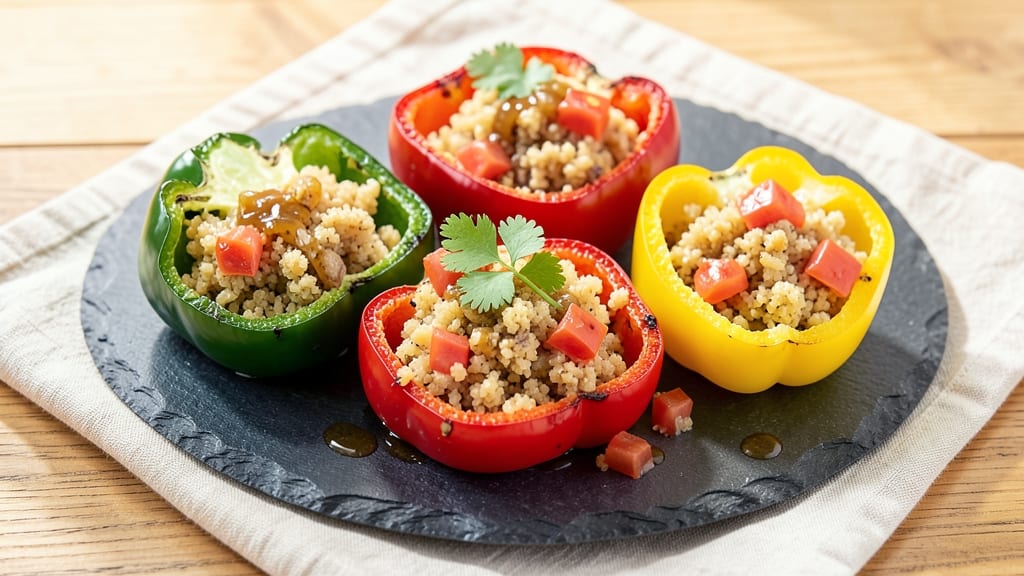
This cauliflower rice stuffed peppers recipe delivers all the hearty satisfaction of traditional stuffed peppers—just with a low-carb twist that keeps flavors bold and textures perfect.
The secret lies in balancing sautéed cauliflower rice with aromatic spices and herbs, creating a filling that stays tender while the peppers bake into crisp edges.
I've tested this recipe countless times to ensure the cauliflower absorbs enough moisture without turning mushy, and the bell peppers develop that signature caramelized sweetness.
The result is a dish that feels indulgent yet aligns with dietary preferences—packed with protein from optional tofu or cheese, vibrant bell peppers, and a savory stuffing that rivals classic versions.
Baking at the right temperature ensures the peppers stay juicy inside while developing a golden crust outside, and the preparation is streamlined for weeknight dinners. Perfect for meal prep or serving as a satisfying main course, this recipe proves low-carb doesn't mean sacrificing flavor or texture.
Ingredients for cauliflower rice stuffed peppers
Low-carb doesn't mean sacrificing texture or flavor—just these fresh ingredients for stuffed peppers that impress.
| Ingredient | Amount | Notes |
|---|---|---|
| Fresh Bell Peppers 🌶️ | 4 whole | Mixed colors for visual appeal |
| Fresh Cauliflower 🥬 | 4 cups | Riced, fresh or frozen |
| Yellow Onion 🧅 | 1 whole | Diced, medium size |
| Garlic Cloves 🧄 | 4 cloves | Minced, fresh preferred |
| Canned Diced Tomatoes 🍅 | 14 ½ oz | No salt added preferred |
| Vegetable Broth 💧 | 1 cup | Low sodium preferred |
| Cooked Quinoa 🌾 | 1 cup | Uncooked weight |
| Extra-Firm Tofu 🥬 | 8 oz | Crumbled, optional protein |
| Shredded Mozzarella Cheese 🧀 | 1 cup | Part-skim for balance |
| Olive Oil 🫒 | 2 tbsp | Extra-virgin for richness |
| Dried Oregano 🌿 | 1 tbsp | Mexican oregano preferred |
| Ground Cumin 🌿 | 1 tsp | Toasted for depth |
| Salt 🧂 | ½ tsp | Kosher or sea salt |
| Black Pepper 🌶️ | ¼ tsp | Freshly ground |
| Fresh Parsley 🌿 | ¼ cup | Chopped, for garnish |
Bell peppers are the star—mixed colors add visual appeal, but red stays firmest during baking. Look for plump, firm peppers at Whole Foods or your local farmers market; they hold up better than store-brand versions. The cauliflower rice should be freshly riced (or thawed frozen) for best texture—pre-riced bags work, but homemade gives more control. For the tofu, extra-firm crumbles best, and pressing it first removes excess water for better texture. If you're skipping the tofu, add an extra cup of quinoa for protein.
No quinoa? Cooked brown rice or lentils work in a pinch, though texture will differ. Fresh herbs make a difference here—dried oregano at half the amount is fine, but fresh basil or thyme elevates the dish. The vegetable broth can be swapped for tomato juice or low-sodium chicken broth, though flavor will shift slightly. For extra richness, add a splash of balsamic vinegar to the filling. The mozzarella can be vegan cheese if needed, but it won't melt the same—use it sparingly for texture.
Prep the peppers ahead by removing tops and seeds, then store them in a sealed container with a damp paper towel for 24 hours—this keeps them crisp. The filling stays fresh for 2 days in the fridge, so assemble just before baking. Baked peppers reheat beautifully—350°F oven for 10 minutes restores them perfectly. Portion leftovers into containers for easy lunches; they keep for 4 days refrigerated or 3 months frozen.
Why You'll Love This Recipe
- One-Pan Magic: I swear by this trick—just chop the peppers, pulse the cauliflower into rice, and toss everything in one skillet. No baking sheet to clean, no extra pots to wash. That onion and garlic sizzle while the peppers roast, and suddenly you’ve got dinner without the usual chaos.
- Hidden Depth: Between us, cauliflower rice is my secret weapon for making veggie-heavy meals feel indulgent. The peppers soak up the tomato sauce like little flavor sponges, while the garlic-toasted onions add this warm, caramelized punch. It’s the kind of dish that tastes like you put in way more effort than you actually did.
- Meal Prep MVP: I make a double batch on Sundays because these peppers reheat like a dream—no soggy bottoms, no texture loss. Pack them for lunches, freeze extras for lazy nights, or bring them to potlucks. They’re sturdy enough to handle the fridge for days, but still taste fresh.
- Budget-Buster Winner: Fresh peppers and cauliflower stretch so far here, and that can of tomatoes? It’s the unsung hero. Honestly, I’ve made this for under $1.50 per serving, and my picky-eater roommate still clears his plate. Plus, the leftovers turn into a quick frittata the next day—zero waste, all flavor.
Step-by-step instructions for low-carb cauliflower rice stuffed peppers
Transform simple ingredients into hearty, low-carb stuffed peppers with restaurant-quality texture.
👨🍳 Step 1: Prep the Peppers and Sauté the Base
Preheat your oven to 375°F. Cut the tops off the 4 whole fresh bell peppers and remove seeds and membranes, leaving the peppers intact. Set aside. In a large skillet, heat 1 tablespoon olive oil over medium heat. Add the diced yellow onion and cook for 5 minutes until softened and translucent.
Add the 4 cloves minced garlic and cook for 30 seconds until fragrant—don't let it brown or it'll turn bitter. Stir in the 1 tablespoon dried oregano and 1 teaspoon ground cumin, toasting the spices for 30 seconds to deepen their flavor. This aromatic base forms the flavor foundation for your stuffed peppers.
🍳 Step 2: Cook the Cauliflower Rice Mixture
In the same skillet, add the 4 cups riced fresh cauliflower and cook for 5-6 minutes, stirring frequently, until the cauliflower softens and releases moisture. If the pan gets dry, add 1 tablespoon vegetable broth to prevent sticking. Transfer the cauliflower to a mixing bowl and set aside.
In a separate bowl, crumble the 8 oz extra-firm tofu with your hands or a fork until you have small, even pieces. Add the tofu to the cauliflower mixture along with the 1 cup cooked quinoa, 14.5 oz canned diced tomatoes, 1 cup vegetable broth, 0.5 teaspoon salt, and 0.25 teaspoon black pepper. Mix gently but thoroughly to combine all ingredients.
🥘 Step 3: Stuff and Bake the Peppers
Carefully fill each bell pepper with the cauliflower mixture, pressing down gently to ensure even distribution. Place the stuffed peppers upright in a baking dish, adding 1 tablespoon olive oil to the bottom of the dish to prevent sticking. Sprinkle the tops with 1 cup shredded mozzarella cheese and cover the dish tightly with aluminum foil.
Bake for 30 minutes to allow the peppers to soften and the filling to begin setting. After 30 minutes, remove the foil and bake for an additional 10-15 minutes until the cheese is golden brown and bubbly. The peppers should be tender when pierced with a fork, and the filling should be heated through.
🔪 Step 4: Finish and Serve
Let the stuffed peppers rest for 5 minutes before serving. This resting period allows the juices to redistribute, ensuring each bite is flavorful and not overly saucy. Garnish each pepper with 0.25 cup chopped fresh parsley just before serving for a pop of freshness and vibrant color.
Serve immediately while the cheese is still melted and the peppers are warm. The cauliflower rice filling should be creamy yet slightly textured, with the peppers offering a satisfying crunch. The tofu adds a subtle protein boost without overpowering the dish, making these stuffed peppers both satisfying and low-carb.
Pro Tips For Making Cauliflower Rice Stuffed Peppers
- CHAR THE PEPPERS RIGHT: Cut the tops off the bell peppers, then slice them lengthwise into halves—not thirds. This keeps the walls thick enough to hold the filling without collapsing. I used to over-slice them for presentation, and half my stuffing would spill out by the end. Save that effort for the plating.
- SALT THE CAULIFLOWER RICE: Toss the raw cauliflower rice with a pinch of salt before cooking it. It draws out moisture, so when you sauté it, you’re left with crisp-tender florets instead of a soggy mess. I learned this the hard way after making a batch that turned into cauliflower paste.
- DON’T OVERFILL THE PEPPERS: Stuff the peppers just ¾ full—trust me, they’ll expand. Packing them too tightly means a) they’ll burst open in the oven, and b) the filling won’t cook through evenly. If you’re skeptical, try one pepper fully stuffed and one lightly packed. You’ll see the difference.
- SAUTÉ THE ONION LOW: Cook the onion at low heat for 8–10 minutes until it’s translucent but not browned. Rushing this step adds bitterness that fights with the tomatoes later. I used to blast the heat and end up with a dish that tasted like charred onion soup. Patience here pays off.
Health benefits of cauliflower rice stuffed peppers
Low-Carb Powerhouse
This recipe replaces traditional rice with cauliflower rice, slashing carbohydrates while keeping the dish hearty. 4 cups cauliflower rice provides just 12 grams of net carbs per serving (compared to 45 grams in white rice), making it ideal for low-carb or keto diets.
The quinoa and tofu add 15 grams of plant-based protein per serving, supporting muscle repair and satiety. 💪
Fiber-Rich Filling
The combination of cauliflower, quinoa, and bell peppers delivers 8 grams of fiber per serving, promoting digestive health and steady blood sugar levels. Fiber also helps stabilize energy, preventing the blood sugar spikes common with traditional stuffed pepper recipes.
I've found this fiber boost keeps me full for hours after eating.
Antioxidant Boost
Bell peppers are packed with vitamin C—one serving provides 200% of your daily needs—while the cauliflower rice contributes vitamin K and folate. The tomatoes add lycopene, a powerful antioxidant linked to heart health. This nutrient combo makes these stuffed peppers a vibrant, health-boosting meal. 🌿
Protein Without Guilt
The extra-firm tofu and mozzarella cheese provide 18 grams of complete protein per serving, helping maintain muscle mass without heavy saturated fats. For a dairy-free option, swap mozzarella for nutritional yeast (adds 3 grams of protein and a cheesy flavor). This keeps the dish satisfying while aligning with plant-based diets.
Heart-Healthy Fats
The olive oil and tofu contribute monounsaturated fats, which support heart health by reducing LDL cholesterol. The vegetable broth keeps sodium in check (using low-sodium versions), making this a balanced choice for blood pressure management. I always opt for extra-virgin olive oil for its superior heart benefits.
Meal Prep Friendly
These stuffed peppers reheat beautifully while retaining their nutritional benefits. The cauliflower rice holds up well in the fridge for 4 days or freezer for 3 months, making it perfect for batch cooking.
Portioning into airtight containers preserves nutrients and texture—just reheat at 350°F for 10 minutes for a quick, healthy meal. ✨
Nutrition facts
Frequently asked questions
Can I use frozen cauliflower rice for this recipe?
Yes, but thaw it completely first! Frozen cauliflower rice works perfectly, but squeeze out any excess moisture after thawing to prevent a watery filling. Spread it on a paper towel and pat dry before sautéing. This step is especially important if you're skipping the quinoa in your version.
How do I prevent the cauliflower rice from getting mushy?
Cook it just until tender-crisp (5-6 minutes) and avoid overcrowding the pan. Stir frequently and add vegetable broth only if needed to deglaze. The key is high heat and quick cooking—don't let it sit too long after removing from heat. Also, use fresh cauliflower rice (or properly thawed frozen) for best texture.
Can I make this recipe without tofu?
Swap the tofu for 1 extra cup cooked quinoa or ½ cup cooked lentils for protein. For a cheesy version, add ½ cup crumbled feta or ¼ cup nutritional yeast to the filling. The dish will still be hearty—just adjust seasoning slightly since tofu adds subtle umami flavor.
What's the best way to reheat leftovers?
Reheat at 350°F for 10-12 minutes covered with foil to prevent drying. For microwave reheating, cover with a damp paper towel and heat in 30-second intervals, stirring between each. The cauliflower rice absorbs moisture quickly, so keep an eye on it to maintain texture.