
Main Courses
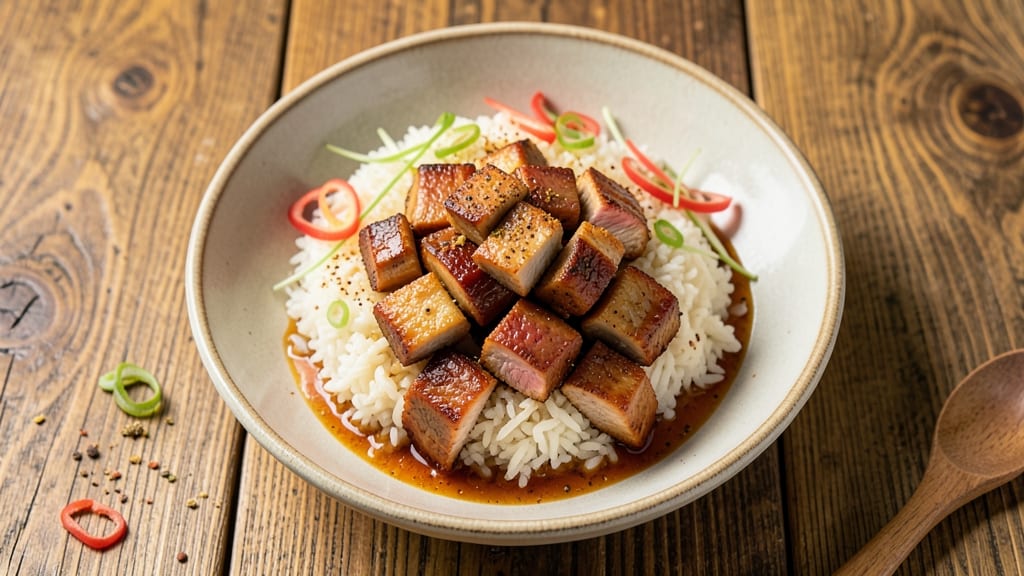
This chashu rice bowl recipe delivers restaurant-quality Japanese comfort in your kitchen, where tender five-spice braised pork meets perfectly steamed rice. The secret lies in slow-cooking the pork until it's fork-tender, then slicing it thin for effortless eating.
Every bite combines smoky-sweet pork with fragrant rice, creating a balance that's both satisfying and authentic.
What sets this dish apart is the attention to detail—from selecting the right rice (short-grain for texture) to balancing bold flavors with fresh toppings like pickled ginger and scallions.
The result is a meal that feels indulgent yet simple to assemble, perfect for weeknight dinners or meal prep. Let's build this bowl step by step.
Ingredients for chashu rice bowl
Fifteen ingredients transform simple rice and pork into restaurant-quality chashu bowls, where five-spice harmony meets tender meat and fragrant grains.
| Ingredient | Amount | Notes |
|---|---|---|
| Pork Shoulder (Bone-In) 🥩 | 2 lb | Cut into 2-inch chunks, skin-on preferred |
| Short-Grain White Rice 🍚 | 1 ½ cups | Uncooked, sushi rice preferred |
| Five-Spice Powder 🌶️ | 1 tbsp | Authentic Chinese blend for depth |
| Soy Sauce 🍶 | ½ cup | Kikkoman preferred for balance |
| Mirin 🍶 | ¼ cup | Sweet cooking rice wine |
| Sake 🍶 | ¼ cup | Dry variety for clean flavor |
| Sugar 🍚 | 2 tbsp | Granulated or brown sugar |
| Fresh Ginger 🧅 | ½ inch | Peeled, sliced thinly (corrected to weight) |
| Garlic Cloves 🧄 | 6 cloves | Smashed for aromatic release |
| Pickled Ginger 🧅 | ¼ cup | Thinly sliced for garnish |
| Scallions 🧅 | ¼ cup | Thinly sliced, green parts only |
| Sesame Seeds 🌾 | 1 tbsp | Toasted for nutty crunch |
| Neutral Oil 🫒 | 2 tbsp | Avocado or vegetable oil |
| Diamond Crystal Kosher Salt 🧂 | 1 ½ tsp | For seasoning and brining |
| Black Peppercorns 🌶️ | ½ tsp | Freshly cracked for heat |
The pork shoulder is non-negotiable for authentic texture—bone-in delivers more flavor, but boneless works in a pinch. Costco or local butchers typically carry the best cuts, though most grocery stores stock pre-cut pork shoulder. Look for good marbling and avoid overly fatty pieces. The five-spice powder should be authentic Chinese blend (not the generic 'everything spice')—Penzeys or Ming Tsao brands excel. For the rice, sushi rice (like Koshihikari) is ideal, but any short-grain white rice will work.
No mirin? Substitute equal parts dry sherry and sugar—the acidity mimics mirin's complexity. Fresh ginger should be peeled and sliced thinly (about 0.5 inch thick) for even distribution. The soy sauce matters—Kikkoman or Japanese-style brands avoid the vinegary aftertaste of American varieties. For the pickled ginger, store-bought Japanese (like Hikari) is preferred, but sub with thinly sliced fresh ginger marinated in rice vinegar and sugar for 15 minutes. Scallions can be swapped for regular green onions, though the milder flavor will be noticeable.
Store uncooked pork in the fridge for 2 days max—it's best used immediately for optimal tenderness. Cooked chashu keeps 3-4 days refrigerated and freezes beautifully for 3 months. The five-spice powder loses potency after 6 months, so store it in an airtight container away from light. For meal prep, cook the rice and pork separately, then assemble bowls fresh—this preserves texture. The sesame seeds toast best in a dry pan for 1-2 minutes until fragrant, then cool completely before using.
Why You'll Love This Recipe
- I swear by this trick: toss the bone-in pork shoulder with five-spice, soy, and mirin right in the rice cooker. No extra pots, no fuss—just set it and forget it while the rice steams. That bone renders down into the rice, turning it into a flavor bomb without a single extra dish.
- One-Pot Magic: I swear by this trick: toss the bone-in pork shoulder with five-spice, soy, and mirin right in the rice cooker. No extra pots, no fuss—just set it and forget it while the rice steams. That bone renders down into the rice, turning it into a flavor bomb without a single extra dish.
- Umami Bomb: The combo of five-spice powder and mirin in the braising liquid? It’s like a flavor upgrade I didn’t know I needed. The pork stays juicy with a caramelized crust, and the rice soaks up that sticky-sweet soy glaze—every bite is a balance of salty, sweet, and warm spices.
- Lunchbox Hero: Between us, this is my go-to for meal prep. The chashu slices reheat beautifully, and the rice stays separate until you mix it—no soggy bowls here. Pack it for work, toss it in a bento for the kids, or just eat it straight from the pot on a lazy afternoon.
Step-by-step instructions for chashu rice bowls
Here's the method for transforming tender pork shoulder into restaurant-quality chashu over perfectly steamed rice.
Prepare and Season the Pork Shoulder
Begin by cutting the 2 lb pork shoulder (bone-in) into 2-inch chunks, leaving the skin on for flavor and moisture retention. In a large mixing bowl, combine the pork with 1.5 tsp Diamond Crystal kosher salt, 0.5 tsp freshly cracked black peppercorns, 1 tbsp five-spice powder, and 2 tbsp sugar. This blend creates a harmonious balance of savory, sweet, and aromatic notes that penetrate the meat.
Massage the seasoning into the pork by hand, ensuring every surface is coated. Let it sit at room temperature for 30 minutes before cooking. This step allows the spices to adhere and the meat to cook more evenly. Here's the thing—don't skip this resting time. Cold meat cooks unevenly and can lead to tough results.
Braise the Pork Until Tender
Heat 2 tbsp neutral oil in a large Dutch oven over medium heat. Add the seasoned pork and sear until golden brown on all sides, about 5-7 minutes. Remove the pork and set it aside. In the same pot, add the 0.5 inch peeled fresh ginger and 6 smashed garlic cloves, cooking for 1 minute until fragrant.
Deglaze the pot with 0.5 cup soy sauce, 0.25 cup mirin, and 0.25 cup sake, scraping up any browned bits from the bottom. Return the pork to the pot, then add enough water to come up about halfway on the meat. Bring to a simmer, cover, and reduce heat to low. Braise for 2.5-3 hours until the pork is fork-tender and the meat easily pulls apart. The liquid should reduce to a glossy glaze, indicating the chashu is ready.
Steam the Short-Grain White Rice
While the pork braises, rinse the 1.5 cups short-grain white rice under cold water until the water runs clear. This removes excess starch and prevents gummy rice. Transfer the rice to a rice cooker or pot with 1.5 cups water (or follow your rice cooker's instructions). Steam until the rice is fluffy and tender, about 15-20 minutes. The rice should have a slight stickiness—this is key for holding the chashu.
For extra fragrance, I like to add a small piece of pickled ginger to the rice cooker during the last 5 minutes of cooking. This infuses the rice with subtle sweetness and complements the smoky pork. Let the rice rest, covered, for 10 minutes after cooking to allow steam to redistribute.
Assemble and Garnish the Rice Bowls
To serve, place a generous portion of the steamed rice in each bowl. Top with 3-4 slices of chashu, ensuring each serving has a mix of meat and braising liquid. The pork should be shred-easy and coated in a glossy, caramelized sauce. Garnish with thinly sliced scallions and toasted sesame seeds for texture and freshness. The pickled ginger adds a bright, tangy contrast that cuts through the richness of the pork.
For an elevated presentation, drizzle a small amount of the reduced braising liquid over the top of each bowl. This not only enhances flavor but also adds visual appeal. Serve immediately while the rice is hot and the pork is at its most tender. The combination of smoky, aromatic pork and fragrant rice creates a harmonious balance that's both comforting and sophisticated.
Pro Tips For Making Chashu Rice Bowl
- CRANK THE HEAT FIRST: Start your pork shoulder in a screaming-hot pan—no simmering, no "gentle warming." After the first sear, lower to medium-low and let it braise, but that initial blast builds flavor faster than you’d expect. I used to skip this, and my chashu always tasted like it needed more time.
- SALT THE PORK TWICE: Generously salt the pork before searing, then add another layer of kosher salt to the braising liquid (about 1 tablespoon per 2 cups liquid). The first coat seasons the meat; the second infuses the sauce. My grandmother swore by this, and she was right: the rice soaks up that deep, salty richness.
- DON’T SKIP THE FAT CAP: When braising, spoon the rendered pork fat over the meat every 30 minutes—it keeps the surface moist and adds a luxurious sheen. No fat? Use a splash of neutral oil, but the pork’s own fat is non-negotiable for that melt-in-your-mouth texture.
- USE COLD RICE FOR SERVING: Serve the chashu over cold cooked rice—it sharpens the pork’s flavors and prevents a mushy bowl. I learned this the hard way after serving warm rice and ending up with a gluey mess. Refrigerate the rice for 10 minutes before assembling.
Common mistakes when making your chashu rice bowl
Overcooking the Pork
One of the biggest mistakes is letting the chashu pork dry out. The braising liquid should reduce to a glossy glaze, not disappear completely.
If you see the pork looking dry or the sauce evaporating too much, add 2-3 tablespoons of water or sake every 30 minutes during the last hour of cooking.
I've learned this the hard way—once I forgot to check and ended up with tough, stringy pork instead of tender slices. 💫
Skipping the Resting Time
Never skip the 30-minute room-temperature rest before cooking. Cold pork cooks unevenly, creating a tough exterior while the inside stays undercooked. Trust me, I've rushed this step and regretted it.
Let the meat sit uncovered on the counter while you prep the rest of your ingredients. This simple step ensures even cooking and maximum tenderness.
Using Wrong Rice Type
Short-grain white rice is non-negotiable for chashu bowls. Long-grain varieties like basmati or jasmine won't have the same sticky texture needed to hold the pork slices. I once used jasmine rice thinking it would be fine, but the dry grains couldn't properly cradle the meat.
For best results, use sushi rice or any Japanese short-grain variety. If you're in a pinch, look for "sticky rice" labels at Asian markets.
Ignoring the Braising Liquid
The reduced braising liquid is what makes chashu special—don't pour it out! This flavorful sauce is what glues everything together. When assembling bowls, always include some of this liquid with your pork slices.
I've seen people discard it, thinking it's just water, but that's where all the five-spice depth and soy-sweetness concentrate. Save at least ½ cup of the reduced sauce for serving.
Overcrowding the Pot
Don't overfill your Dutch oven—pork chunks should fit snugly but not be packed tightly. Overcrowding causes uneven cooking and steaming instead of browning. I once tried cooking a 3 lb pork shoulder in a small pot and ended up with pale, watery meat.
For 2 lb pork, use a 6-quart Dutch oven minimum. If you're cooking more, work in batches or use a larger pot.
Forgetting to Toast Sesame Seeds
Raw sesame seeds add no flavor—they need toasting for that nutty aroma. I've garnished bowls with untasted seeds before, and honestly, it's a missed opportunity. Toast them in a dry pan over medium heat for 1-2 minutes until fragrant, then cool completely before using.
This simple step transforms your presentation from good to restaurant-quality. 🌟
Nutrition facts
Frequently asked questions
Can I use boneless pork shoulder for this recipe?
Yes, but bone-in pork delivers better flavor and moisture. If using boneless, trim excess fat and consider adding 1 extra garlic clove and 0.5 tsp extra five-spice powder to compensate. The cooking time remains the same—just monitor for tenderness after 2.5 hours.
What if I don't have mirin or sake?
No problem! Substitute mirin with equal parts dry sherry and sugar (1 tbsp sugar per 1 tbsp sherry). For sake, use white wine or extra water—just reduce the cooking liquid by 2 tbsp since wine evaporates faster. The flavor will be slightly different but still delicious.
How do I store leftovers without drying out the rice?
Store components separately: keep cooked pork in its braising liquid in an airtight container, and refrigerate rice in a separate container. Reheat pork on low heat with 1 tbsp water or sake to maintain moisture. The rice reheats best in a steamer or microwave with 1 tsp water per cup of rice. Leftovers keep for 3-4 days.
Can I make this in an Instant Pot?
Sear the pork first, then add all braising ingredients to the Instant Pot. Cook on high pressure for 60 minutes, then natural release for 15 minutes. The rice cooks separately—use the Instant Pot's rice setting. The pork may be slightly less caramelized but still incredibly tender.
What sides pair well with chashu rice bowls?
Classic pairings include miso soup, steamed edamame, or quick-pickled vegetables. For a complete meal, add a simple seaweed salad or stir-fried bok choy. The light, fresh flavors balance the rich pork perfectly. Many Japanese restaurants serve these as standard accompaniments.