
Main Courses
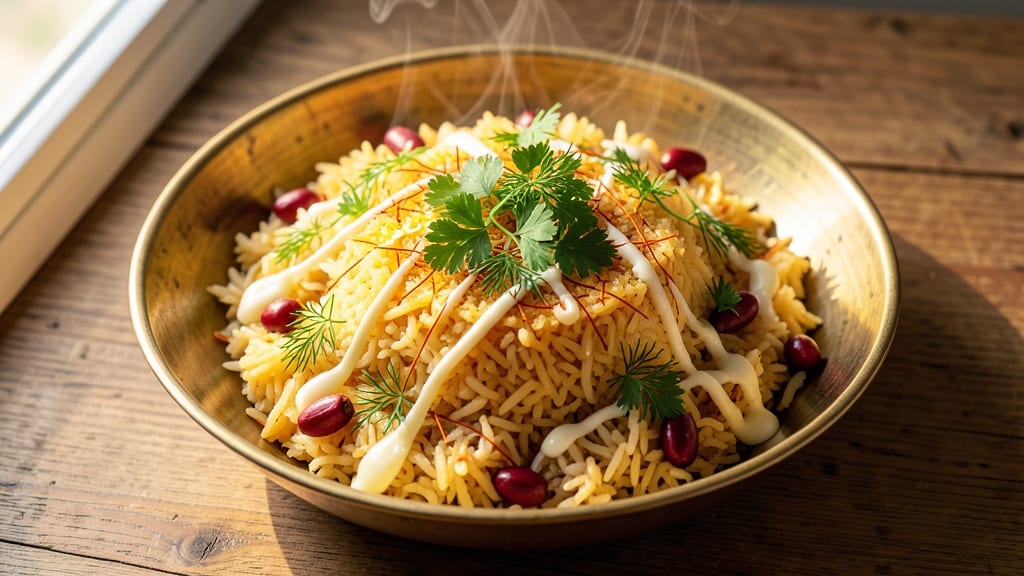
Chelo rice brings the soul of Persian cuisine to your table with its fragrant saffron aroma and signature crispy bottom layer. This traditional one-pot method transforms simple rice into a restaurant-quality centerpiece that pairs perfectly with stews like ghormeh sabzi or fesenjan.
The secret lies in soaking the rice, layering herbs, and using a heavy-bottomed pot to create that coveted taahdig—the crispy, caramelized crust at the bottom. With just a few key techniques, you'll achieve the same golden, aromatic rice served in Iranian homes for generations.
Ingredients for chelo rice
Saffron threads, fragrant herbs, and a heavy pot—this is all you need for restaurant-quality chelo rice.
| Ingredient | Amount | Notes |
|---|---|---|
| Basmati Rice 🍚 | 1 ½ cups | Long-grain, uncooked, soaked 30 minutes |
| Saffron Threads 🌼 | ¼ tsp | High-quality, whole threads |
| Fresh Barberry Leaves 🍃 | 1 tbsp | Dried barberry at 1 tsp if unavailable |
| Fresh Parsley Leaves 🌿 | ¼ cup | Chopped, stems removed |
| Fresh Dill Leaves 🌿 | ¼ cup | Chopped, stems removed |
| Salted Butter 🧈 | ½ cup | Cold, unsalted preferred with added salt |
| Vegetable Oil 🫒 | ¼ cup | Neutral flavor, high smoke point |
| Water 💧 | 2 ½ cups | Room temperature preferred |
| Diamond Crystal Kosher Salt 🧂 | 1 ½ tsp | Adjust to taste, don't skip |
| Ground Black Pepper 🌶️ | ¼ tsp | Freshly ground preferred |
| Lemon Zest 🍋 | 1 tsp | Fresh lemon, finely grated |
| Heavy Cream 🥛 | ¼ cup | Optional, for extra richness |
| Chicken Broth 🍲 | 1 cup | Low-sodium preferred for taahdig |
Saffron is non-negotiable here. Look for whole threads at Middle Eastern markets or specialty stores like Whole Foods—they're often fresher than grocery store bottles. The barberry leaves? Fresh is ideal but dried works in a pinch (use half the amount). For the herbs, I always grab fresh parsley and dill from the market—nothing beats their bright flavor. If you can't find barberry, sumac or dried thyme add a similar tangy depth. The rice? Basmati from India (like India Gate) is the gold standard—long grains that stay separate.
No saffron? Turmeric plus a pinch of paprika mimics the color, though it won't taste the same. Short on butter? Olive oil or ghee works, but butter's richness is key for that taahdig. The broth can be vegetable instead of chicken if you prefer. For the herbs, dried oregano at half the amount gets you close. The lemon zest is optional but adds a bright finish—skip it if you're serving with a citrusy stew. Pro tip: Toast the rice in the pot for 2 minutes before adding water—this deepens the nutty flavor.
Butter and broth leftovers? Store in airtight containers for up to 1 week. The cooked rice reheats beautifully—just cover with a damp towel and warm in the microwave. For extra crispy taahdig next time, use a thin layer of butter and oil at the bottom before adding rice. This dish tastes even better the next day as flavors meld. Portion into individual containers for easy lunches—just add a splash of water and reheat.
Why You'll Love This Recipe
- Foolproof Basics: I swear by this method—just rinse the rice, simmer with saffron, and let it steam. No fancy equipment, no burnt rice, no stress. Honestly, even my college apartment version came out perfect.
- Saffron Magic: That tiny pinch of saffron threads? Pure gold. It turns plain rice into something golden, fragrant, and ridiculously flavorful—like a whisper of luxury in every bite. (Yes, even the cheap kind works.)
- Weeknight Workhorse: Throw it together for dinner, reheat it for lunch, or pack it in bento boxes. The herbs stay bright, the rice holds its shape, and it pairs with everything—grilled meats, yogurt, pickles, or just by itself.
- Budget Luxury: Fresh barberries and herbs might sound fancy, but they stretch this dish far. A single batch feeds four, reheats beautifully, and tastes like you spent hours when you barely did. My wallet and taste buds win.
Step-by-step instructions for Persian saffron rice
Here's how to craft fragrant, golden chelo rice with saffron's signature aroma and butter-rich taahdig.
Infuse the Saffron and Prepare the Base
In a small bowl, crush the 0.25 teaspoon saffron threads with your fingers to release their vibrant color and aroma. Add 2 tablespoons of the 2.5 cups water and let steep for 10 minutes—this ensures maximum flavor extraction. Meanwhile, heat the 0.25 cup vegetable oil and 0.5 cup salted butter in a heavy-bottomed pot over medium heat until the butter melts and begins to foam.
Watch closely as the butter transforms—you want it to foam but not brown. Once melted, reduce heat to low and add the 1 tablespoon fresh barberry leaves (or 1 teaspoon dried). Stir gently for 30 seconds until the leaves release their subtle tartness. This step builds the aromatic foundation for your rice.
Toast the Rice for Nuttiness
Add the 1.5 cups basmati rice to the pot and stir gently for 2-3 minutes until the grains become translucent at the edges. This toasting process, called "soog," develops the rice's nutty flavor and prevents mushiness. You're looking for rice that's evenly coated in the butter-oil mixture but not browned.
Here's the thing—don't walk away. Constant stirring at this stage ensures even coating. If the rice starts to brown too quickly, reduce heat slightly. The goal is to toast without burning, creating that perfect balance of nutty aroma and golden color.
Layer Flavors and Add Liquid
Pour in the saffron-infused water, then add the 1.5 teaspoons diamond crystal kosher salt, 0.25 teaspoon ground black pepper, and 1 teaspoon lemon zest. Stir once to distribute the seasoning evenly, then add the 1 cup chicken broth. The broth adds depth without overwhelming the delicate saffron flavor.
Bring to a gentle simmer, then immediately reduce heat to lowest setting. Cover the pot with a tight-fitting lid and cook for 15 minutes without disturbing. This initial cooking phase allows the rice to absorb liquid evenly while developing its signature texture.
Create the Signature Taahdig Layer
After 15 minutes, remove the pot from heat and let it sit covered for 10 minutes. This resting period allows the rice to fully hydrate. Then, carefully uncover and gently fold the rice using a wooden spoon to create a slight depression in the center.
Return the pot to low heat and add the 0.25 cup heavy cream (if using) to the depression. Cover and cook for another 5 minutes. The cream will melt into the bottom layer, creating the coveted crispy taahdig. Watch carefully—the moment the bottom starts to brown slightly, remove from heat immediately.
Finish with Herbs and Rest
Gently fold in the 0.25 cup fresh parsley leaves and 0.25 cup fresh dill leaves using a spatula. These herbs add brightness that cuts through the richness of the butter and saffron. Transfer the rice to a serving dish and let it rest for 5 minutes before serving.
For the perfect presentation, create a slight well in the center with a spoon. The contrast between the fluffy rice and crispy taahdig is what makes chelo truly special. Serve immediately with your favorite Persian accompaniments like kebabs or stews.
Pro Tips For Making Chelo Rice
- SOAK THE RICE RIGHT: I learned this the hard way—rinsing basmati until the water runs clear isn’t enough. After rinsing, soak it in warm water for 20 minutes, then drain. This guarantees even cooking and prevents that dreaded crunchy center, especially when layered with saffron and herbs.
- CRUSH THE BARBERRY: Fresh barberry leaves need a good chop—but don’t just tear them. Lightly crush them between your fingers first. This releases their bright, tangy flavor into the rice, making the difference between a subtle hint and a bold, aromatic punch.
- LAYER THE HERBS LAST: Add parsley and dill after the rice is cooked, not before. Tossing them in early turns them to mush. Instead, sprinkle them on top just as you fold in the saffron-infused butter—keeps their color vibrant and texture crisp.
- USE A LITTLE BUTTER: Skip the oil. Melt 1-2 tablespoons of butter with the saffron before mixing it into the rice. The fat coats each grain, making the dish richer without overpowering the delicate flavors of the herbs and barberry. (Yes, even if you’re impatient like me.)
Perfect pairings for this dish
Persian Stew Pairings
Chelo rice shines brightest when paired with ghormeh sabzi—a hearty herb stew with kidney beans and lamb. The earthy flavors of fenugreek and parsley in the stew complement the rice's saffron aroma beautifully.
I always serve them together because the stew's tangy broth soaks into the rice, creating a cohesive bite. 🍲
Another classic match is fesenjan, a sweet-and-sour stew made with pomegranate molasses and ground walnuts. The fruitiness cuts through the richness of the butter in the rice, balancing each spoonful. For a vegetarian option, try eshkeneh—a tangy yogurt and herb stew that adds a refreshing contrast. 🌿
Kebab Combinations
Grilled koobideh kebabs (ground beef skewers) are a must with chelo rice. The smoky char of the meat pairs perfectly with the rice's crispy taahdig. I like to serve them on the side so guests can build their own plates.
For extra flavor, brush the kebabs with garlic-lemon butter before grilling. 🔥
Barg kebabs (thinly sliced lamb) are another fantastic choice. Their tender texture contrasts nicely with the chelo's fluffy body. Cook the lamb to medium-rare (130°F internal temp) for the best results—overcooking makes it tough. Serve with a side of tahdig (the crispy rice crust) for dipping. 🥩
Vegetarian Accompaniments
For plant-based meals, mirza ghasemi (a tomato and herb stew) works wonderfully. The bright acidity of the tomatoes enhances the saffron's floral notes. I add a pinch of sumac to the stew for an extra tangy kick that pairs perfectly with the rice. 🍅
Roasted eggplant with garlic and turmeric also complements chelo rice beautifully. The creamy texture of the eggplant contrasts nicely with the rice's crispy bottom layer. Serve with a sprinkle of fresh mint to add a refreshing finish. This combination is especially popular during Persian New Year celebrations. 🥒
Dessert Pairings
End your Persian feast with baklava—its honeyed layers and nutty crunch provide a satisfying contrast to the savory rice. The sweetness balances the rich flavors of the meal. I like to serve it with a cup of Persian saffron tea to cleanse the palate gently. 🍯
For a lighter option, try halva—a dense, sweet semolina dessert dusted with powdered sugar. Its simplicity lets the flavors of the chelo rice linger on your tongue. Pair it with cardamom-infused coffee for a traditional finish. This combination is a staple at Persian gatherings. ☕
Nutrition facts
Frequently asked questions
Why does chelo rice need to be soaked before cooking?
Soaking the rice for 30 minutes removes excess starch, which prevents the grains from sticking together. This ensures each kernel stays separate and fluffy—essential for that signature Persian texture. It also helps the rice absorb flavors more evenly, especially the delicate saffron aroma.
Can I make chelo rice without saffron?
Yes, but the flavor will be different! For color, use ½ teaspoon turmeric + ¼ teaspoon paprika, but it won't taste the same. Saffron's floral notes are irreplaceable—if you skip it, focus on enhancing other flavors like barberry leaves or extra lemon zest to compensate.
How do I get the perfect crispy bottom layer (taahdig)?
The secret is patience! After cooking, uncover the pot, fold the rice to create a well, then add ¼ cup heavy cream to the center. Cover and cook on low heat for just 5 minutes—watch closely! The moment it starts browning, remove it immediately. A heavy-bottomed pot is key to even heat distribution.
What's the best pot for chelo rice?
Use a heavy-bottomed pot (like stainless steel or cast iron) to prevent scorching. Traditional Persian sangak pots are ideal, but any thick-bottomed pot with a tight-fitting lid works. Avoid nonstick—it won't create the crispy taahdig.
Can I make chelo rice ahead of time?
Chelo rice tastes even better the next day. Store covered at room temperature for up to 2 days or refrigerate for 3 days. Reheat by covering with a damp towel and warming in the microwave. For extra crispiness, add a splash of water and reheat on low heat in the pot.