
Main Courses
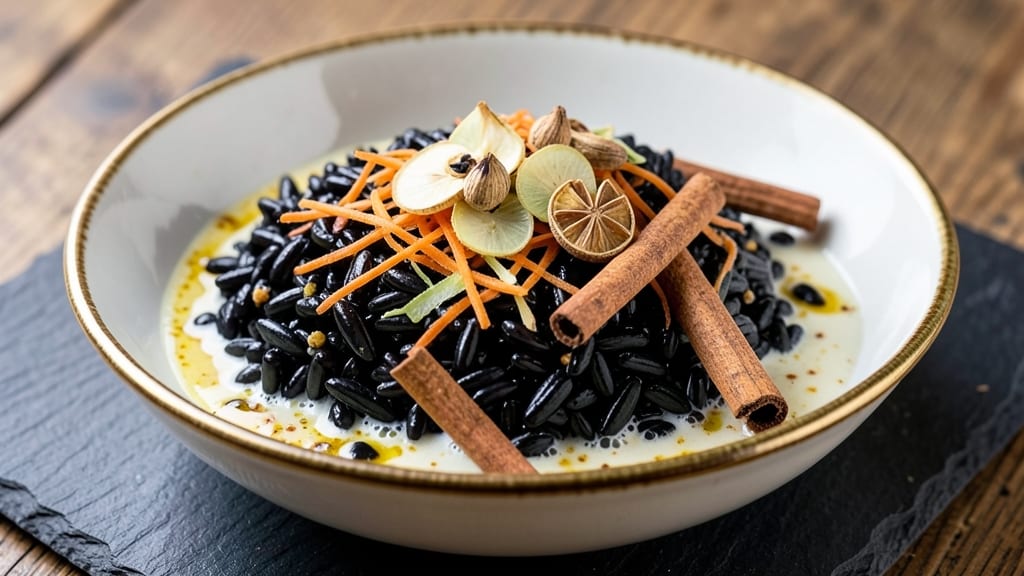
This black kavuni rice recipe transforms simple ingredients into a fragrant, nutritious centerpiece with deep purple hues and a creamy coconut-spice aroma. 🌟 The secret lies in slow-cooking black rice with aromatic spices and coconut milk, creating a dish that's both visually stunning and deeply satisfying.
Perfect for special occasions or weeknight dinners, this recipe delivers restaurant-quality results with minimal effort.
What makes this dish special is its balance of earthy black rice, warm spices, and rich coconut milk—each element working together to create a flavor profile that's both exotic and comforting. The rice absorbs the fragrant spices and coconut milk beautifully, resulting in tender grains with a subtle crunch.
Whether served as a standalone dish or paired with grilled proteins, this black kavuni rice will elevate any meal to new heights.
Ingredients for black kavuni rice
Earthy black rice meets aromatic spices and creamy coconut milk in this visually stunning dish.
| Ingredient | Amount | Notes |
|---|---|---|
| Black Kavuni Rice 🌾 | 1 cup | Uncooked, rinsed thoroughly |
| Coconut Milk 🥥 | 1 ½ cups | Full-fat canned, unsweetened |
| Fresh Turmeric Root 🌿 | 2 tbsp | Freshly grated, vibrant orange |
| Fresh Ginger Root 🌿 | 2 tbsp | Freshly grated, aromatic |
| Cinnamon Sticks 🌿 | 2 whole | Ceylon preferred for delicate flavor |
| Cardamom Pods 🌿 | 6 whole | Green cardamom, lightly crushed |
| Cloves 🌿 | 4 whole | Whole, lightly toasted |
| Bay Leaves 🌿 | 2 whole | Fresh preferred, dried works |
| Salt 🧂 | 1 ½ tsp | Diamond Crystal preferred |
| Vegetable Oil 🫒 | 1 tbsp | Light, neutral flavor |
| Lemon Juice 🍋 | 1 tbsp | Freshly squeezed |
| Fresh Cilantro 🌿 | ¼ cup | Chopped, for garnish |
The black kavuni rice is the star—look for it in specialty Asian markets or well-stocked grocery stores like Whole Foods or H Mart. If you can't find it, black jasmine rice works as a substitute, though the color will be slightly less dramatic. Fresh spices make all the difference here: Penzeys or bulk bins at natural markets are ideal for whole spices. Toast your cinnamon sticks and cardamom pods lightly in a dry pan for 30 seconds before adding to the rice—this deepens their aroma significantly. The coconut milk should be full-fat for maximum creaminess, and Thai Kitchen or Native Forest brands are reliable choices.
No fresh turmeric or ginger? Ground turmeric at half the amount and ginger powder at one-third will work in a pinch, though fresh is preferred for vibrant color and complexity. Running short on cardamom? Nutmeg at half the quantity provides a similar warmth. The bay leaves can be omitted entirely if unavailable, but they add an earthy depth that's worth including. For a more intense flavor, toast all whole spices in oil for 1 minute before adding them to the rice—this creates a fragrant base that infuses beautifully. The vegetable oil should have a high smoke point; avocado or grapeseed oil are excellent choices if you have them.
This rice keeps beautifully—reheats perfectly with a splash of water or coconut milk. Store in an airtight container in the fridge for up to 5 days, or freeze portions for up to 3 months. For best texture, spread the cooked rice on a tray to cool before storing. Garnish with fresh cilantro just before serving to maintain its vibrant green color. The dish tastes even better the next day as the flavors meld further, making it ideal for meal prep. Portion into individual containers for easy lunches or serve family-style at gatherings.
Why You'll Love This Recipe
- Few Ingredients, Big Payoff: I swear by this—just rice, coconut milk, and a handful of roots. No chopping mountains of veggies or hunting for obscure spices. That turmeric and ginger? Grate ‘em fresh, simmer ‘em down, and boom—depth of flavor without the fuss. My lazy Sundays just got an upgrade.
- Earthy, Creamy Magic: The second that coconut milk hugs the black rice, you’ll get it. That deep, almost smoky richness from the rice, then the warm cinnamon and ginger cutting through—like a cozy blanket with a kick. Honestly, I’ve made it plain, with protein, even as a side, and it always steals the show.
- Weeknight to Dinner Party: Between us, this is my "I have no idea what I’m serving" go-to. Toss it with grilled fish for a fancy vibe, or serve it in bowls with fried eggs for my 7 AM "I overslept" breakfasts. The leftovers? Even better the next day—just reheat with a splash of coconut milk, and it’s like a hug in a bowl.
- Budget-Friendly Luxe: Black kavuni rice might sound fancy, but it’s cheaper than you’d think—especially when you stretch it with coconut milk. I buy it in bulk, and one batch feeds my family for days. Plus, turmeric and ginger last weeks in the freezer. Fancy flavors without the grocery shock. (Yes, even on a Tuesday night.)
Step-by-step instructions for black kavuni rice
Transform simple grains into aromatic, spice-infused perfection with these precise techniques.
🍳 Step 1: Toast the Whole Spices for Maximum Flavor
Heat a dry skillet over medium heat and add the 2 whole cinnamon sticks, 6 whole cardamom pods, 4 whole cloves, and 2 whole bay leaves. Toast for 1-2 minutes until the spices release their aroma—you'll smell warm, earthy notes that signal they're ready. Be careful not to burn them; you want fragrance, not bitterness.
Remove the spices immediately and set aside. This light toasting enhances their natural oils and deepens the flavor profile of your rice. The spices will infuse the coconut milk with their essence during cooking, creating layers of complexity that store-bought spice blends can't match.
👨🍳 Step 2: Bloom the Fresh Ginger and Turmeric
In the same skillet (no need to clean it—the browned bits add depth), add the 1 tablespoon vegetable oil over medium heat. Once the oil shimmers, add the 2 tablespoons freshly grated turmeric root and 2 tablespoons freshly grated ginger root. Cook for 30 seconds until the ginger becomes fragrant and slightly translucent.
This step is crucial—it prevents the raw ginger and turmeric from releasing bitter compounds during cooking. The brief blooming process mellows their flavors while preserving their vibrant color. You'll know it's perfect when the mixture smells warmly spicy and the turmeric takes on a deeper orange hue.
🥘 Step 3: Combine All Ingredients for Even Infusion
Add the 1 cup rinsed black kavuni rice to the skillet and stir to coat it evenly in the aromatic oil and spices. Pour in the 1.5 cups coconut milk and add the toasted whole spices. Stir gently to combine, then bring to a simmer over medium heat.
Once simmering, reduce heat to low and cover the skillet with a tight-fitting lid. Let it cook undisturbed for 20 minutes. The rice will absorb the coconut milk gradually, developing a creamy texture while maintaining its distinct black color. Avoid peeking—each time you lift the lid, you release steam and extend cooking time.
⏰ Step 4: Rest and Finish with Acidic Brightness
After 20 minutes, turn off the heat and let the rice sit covered for 10 minutes. This resting period allows the flavors to meld completely and the rice to finish absorbing the coconut milk. The grains should be tender but still hold their shape—black kavuni rice has a firmer texture than white rice, so it benefits from this gentle cooking approach.
Remove the whole spices and stir in the 1.5 teaspoons salt and 1 tablespoon freshly squeezed lemon juice. The acidity brightens the dish, cutting through the richness of the coconut milk while enhancing the earthy spice notes. Garnish with the 0.25 cup chopped fresh cilantro just before serving to add a fresh, herbal contrast.
Pro Tips For Making Black Kavuni Rice
- Soak the Rice Overnight: I learned this the hard way—rushing the soak means gummy, uneven grains. Black Kavuni rice needs 8-12 hours in cold water (or at least 4 hours if you’re desperate), and don’t skip the final rinse. The starch clings like glue otherwise, and your coconut milk will turn into a gluey mess instead of a silky sauce.
- Grate, Don’t Mince: Fresh turmeric and ginger lose their punch when minced into oblivion. Use a box grater for thin, even strips—they infuse faster and keep their bright color. Toss them straight into the coconut milk while simmering; no need to pre-cook. (Yes, even if you’re impatient like me.)
- Simmer, Don’t Boil: This isn’t a race. Once the coconut milk hits a gentle bubble, drop the heat to the lowest setting you can tolerate—think lazy simmer, not rolling boil. Boiling burns the milk and turns your rice into a sad, curdled pudding. A slow cook or rice cooker on "keep warm" works wonders here.
- Toast the Cinnamon First: Skip this, and your cinnamon just sits there like a decorative stick. Dry-toast the sticks in a separate pan for 30 seconds until fragrant—it deepens the aroma without overpowering. Then add them to the coconut milk while heating; they’ll release their oils gradually. (Your future self will notice the difference.)
Storing and reheating your black kavuni rice
Refrigerator Storage
Store your black kavuni rice in an airtight container with a lid to preserve its rich coconut-spice aroma. Let it cool completely before transferring—this prevents condensation that can make the rice soggy. I use glass Pyrex containers because they maintain flavor better than plastic.
Keep it refrigerated at 40°F or below for up to 5 days, though I find the flavors deepen beautifully after 24 hours—perfect for meal prep! 🌿
Freezer-Friendly Tips
For longer storage, portion cooled rice into freezer-safe containers or quart-sized freezer bags, leaving ½ inch headspace for expansion. Seal tightly to prevent freezer burn, which can dull the vibrant black color. This rice freezes well for up to 3 months—just thaw overnight in the fridge before reheating.
I like to freeze individual portions for quick lunches or to serve as a side dish. ✨
Stovetop Reheating
My preferred method is stovetop reheating—it restores the creamy coconut texture perfectly. Add 2 tablespoons water or coconut milk to the rice in a skillet, cover, and heat over low-medium heat for 5-7 minutes.
Stir gently to distribute moisture evenly. The rice should be steaming but not boiling—this prevents drying. Finish with a squeeze of lemon juice to revive the bright, citrusy notes. 🔥
Microwave Method
For quick reheating, cover the rice with a damp paper towel and microwave on 50% power for 1-2 minutes. Stir, then continue in 30-second intervals until heated through. Add 1 tablespoon water or coconut milk if the rice looks dry.
The microwave can make rice gummy, so I recommend this only for last-minute servings. Always check the internal temperature reaches 165°F for food safety. 💫
Reviving Texture
If reheated rice turns out dry, don't toss it! Simply stir in 1 tablespoon coconut milk and let it sit covered for 5 minutes. The residual heat will restore moisture.
For extra richness, top with a drizzle of toasted coconut oil or a sprinkle of crushed peanuts—both add crunch and complement the spice profile beautifully. This trick works wonders for restaurant-quality results at home. 💡
Nutrition facts
Frequently asked questions
Why does black kavuni rice turn gray instead of staying black?
This happens when the rice is overcooked or exposed to too much water/steam. The black color comes from anthocyanins, which break down with prolonged heat. For perfect color, use low heat and 1.5 cups coconut milk (not water) - the fat helps preserve the hue. If it does gray, a splash of lemon juice can restore some vibrancy.
Can I substitute coconut milk with another liquid?
While you can use 1 cup water + ½ cup milk (dairy or almond), coconut milk's fat content creates the signature creamy texture. For a lighter version, try light coconut milk + 2 tbsp cream. Avoid plain water - the rice will turn out dry and less flavorful. The spices need fat to properly infuse!
How do I make this vegetarian or vegan?
This recipe is already vegetarian! For vegan, simply ensure your coconut milk is 100% plant-based and check your salt for animal products. Garnish with toasted coconut flakes instead of cilantro for extra crunch. The dish works beautifully with roasted vegetables like bell peppers or zucchini on the side.
What's the best way to serve black kavuni rice?
This rice shines as a centerpiece for grilled chicken, fish, or tofu. For a complete meal, pair with cucumber raita (yogurt dip) and mango chutney. The coconut-spice flavors also complement spicy seafood curries or mild vegetable stir-fries. Serve in individual bowls with a sprig of cilantro for an elegant presentation.
Can I use black rice from a rice cooker?
Not ideal - rice cookers often use more water than this recipe's method. For best results, follow the stovetop instructions precisely. If you must use a rice cooker, reduce coconut milk to 1 cup and add ½ cup water, then let it steam for 15 minutes after cooking. The texture will be slightly different but still delicious!