
Main Courses
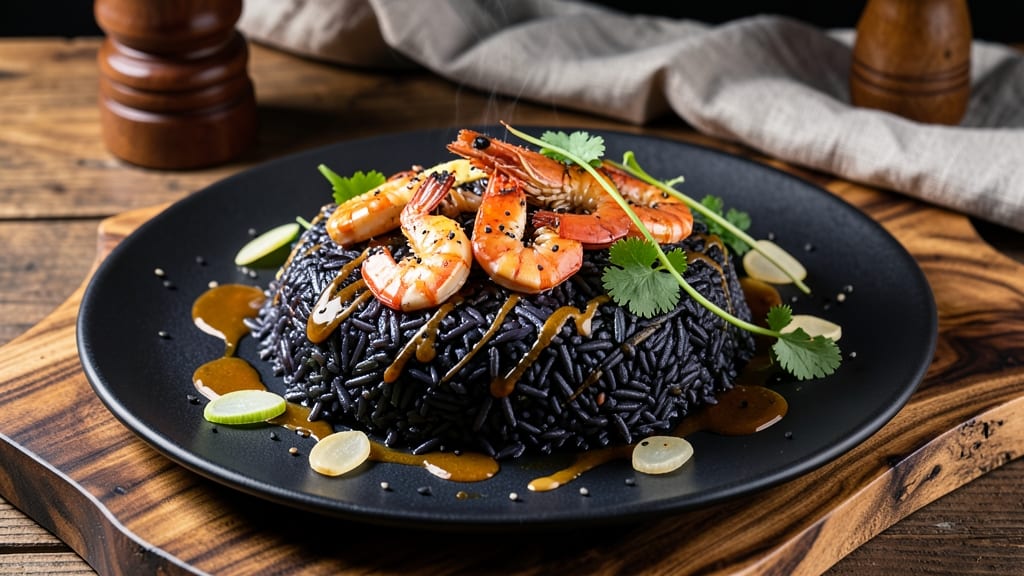
This black rice and shrimp recipe transforms a simple protein bowl into a visually stunning, nutrient-packed meal with bold umami flavors. The deep purple-black rice provides an earthy contrast to the golden shrimp, creating both visual appeal and a satisfying texture combination.
Perfect for a balanced weeknight dinner or an impressive meal prep, this dish delivers restaurant-quality results with minimal effort.
Start with black rice—soaked overnight for optimal texture—paired with perfectly seasoned shrimp that sizzle to golden perfection. The umami-rich sauce ties everything together, balancing the dish with a touch of sweetness and tang.
Whether you're serving this as a main course or meal prep for the week, the nutrient-dense combination of black rice and shrimp makes every bite both delicious and wholesome.
Ingredients for black rice and shrimp
Black rice, golden shrimp, and umami-packed sauce—this bowl delivers restaurant vibes with minimal effort.
| Ingredient | Amount | Notes |
|---|---|---|
| Black Forbidden Rice 🌾 | 1 ½ cups | Uncooked, soaked overnight |
| Large Shrimp 🦐 | 1 ½ lb | Peeled, deveined, tails on |
| Vegetable Oil 🫒 | 2 tbsp | High smoke point preferred |
| Garlic Cloves 🧄 | 4 cloves | Minced, fresh preferred |
| Fresh Ginger 🌿 | 1 tbsp | Finely grated, peeled |
| Soy Sauce 🥢 | 3 tbsp | Low-sodium preferred |
| Sesame Oil 🫒 | 1 tbsp | Toasted, for aroma |
| Honey 🍯 | 1 tbsp | Substitute maple syrup for vegan |
| Rice Vinegar 🍶 | 1 ½ tbsp | White or seasoned |
| Green Onions 🧅 | 3 whole | Thinly sliced, white and green parts |
| Sesame Seeds 🌱 | 1 tbsp | Toasted, for garnish |
| Salt 🧂 | 1 tsp | Diamond Crystal preferred |
| Black Pepper 🌶️ | ½ tsp | Freshly ground |
| Red Bell Pepper 🍆 | 1 piece | Diced, any color |
| Cilantro 🌿 | ¼ cup | Chopped, stems removed |
The black rice is the star here—forbidden rice from Trader Joe's or Whole Foods works best. Soak it overnight (no peeling needed) for that signature creamy texture. Shrimp size matters: 16-20 count cooks perfectly without rubberizing. If you're using frozen shrimp, thaw in cold water—never microwave or they'll turn mushy. The red bell pepper adds a subtle crunch and color contrast that makes the dish pop visually. I always grab extra cilantro—half goes in the bowl, half gets chopped for garnish later.
No sesame oil? Toasted peanut oil works in a pinch, though it lacks that nutty aroma. Short on honey? Maple syrup or agave keeps things vegan-friendly. The rice vinegar can be swapped for apple cider vinegar if that's what you've got, but it'll taste slightly different. For the garlic, fresh is non-negotiable—jarred minced garlic has a metallic aftertaste. The green onions? Use the white parts for cooking, save the green for garnish. And if you're meal prepping, cook the rice and shrimp separately—they reheat better that way.
This bowl keeps beautifully—3-4 days in the fridge with the sauce separate. The shrimp stays tender if you reheat gently in a skillet with a splash of water. For freezing, only freeze the cooked rice and sauce—shrimp gets rubbery when thawed. I double the batch on Sundays and portion it into containers with compartments so everything stays separate. The flavors actually improve overnight as the sauce melds with the rice. Garnish with sesame seeds and cilantro right before serving—that's when it looks restaurant-worthy.
Why You'll Love This Recipe
- One-Pot Magic: I swear by this recipe when I’m too tired to wash extra bowls—just sauté the garlic and ginger in oil, toss in shrimp and rice, add water, and let it simmer. No straining, no fuss, and the shrimp plumps up perfectly in the same pot.
- Umami Bomb: That deep, nutty flavor from the black rice paired with the briny shrimp? It’s like a flavor party in your mouth. The garlic and ginger add layers of warmth that make this taste way more restaurant-worthy than takeout.
- Lunchbox Hero: Between us, this is my go-to for meal prep—cool rice stays firm for days, and the shrimp reheats like a dream. Pack it in containers for work lunches, potlucks, or even a quick dinner when you’re starving after a long day.
- Budget Flex: Black rice might sound fancy, but it’s cheaper than you think, and shrimp stretches further than you’d expect. Honestly, I make this twice a month because it feeds four for under $15, and leftovers taste just as good the next day.
Step-by-step instructions for black rice and shrimp protein bowl
Here's the method that delivers perfectly cooked black forbidden rice with succulent shrimp and a vibrant umami-packed sauce.
Prepare the Black Forbidden Rice
Drain the soaked black forbidden rice thoroughly, discarding any soaking water. In a medium saucepan, combine the rice with 2 cups fresh water (or follow package instructions for exact water ratio). Bring to a boil over medium-high heat, then immediately reduce to low heat, cover tightly, and simmer for 30-35 minutes until all liquid is absorbed and the rice is tender.
Here's the thing—black forbidden rice needs gentle heat to avoid turning mushy. I like to check doneness by pressing a grain against the side of the pot with a fork. When it springs back slightly and the center still holds its shape, it's perfect. Let it sit covered for 5 minutes off heat before fluffing with a fork. This resting period ensures even cooking throughout each grain.
Sear the Shrimp with Aromatics
Heat 2 tablespoons vegetable oil in a large skillet over medium-high heat until shimmering. Add the 1.5 pounds large shrimp in a single layer, seasoning immediately with 1 teaspoon salt and 0.5 teaspoon black pepper. Cook undisturbed for 2-3 minutes per side until the shrimp turn opaque and pink with crispy edges.
While the shrimp cooks, add 4 minced garlic cloves and 1 tablespoon finely grated ginger to the same skillet, stirring constantly for 30 seconds until fragrant but not browned. The shrimp should release easily from the pan when ready—if they stick, your oil wasn't hot enough. Transfer the cooked shrimp to a plate and set aside, leaving the aromatic oil in the skillet.
Create the Umami-Packed Sauce
Reduce heat to medium-low and add 1 tablespoon sesame oil, 1 tablespoon honey, and 1.5 tablespoons rice vinegar to the skillet. Stir to combine, then pour in 3 tablespoons soy sauce. Let the mixture simmer for 2 minutes until slightly reduced and glossy. Here's where the magic happens—the soy sauce and vinegar marry with the sweet honey to create that perfect umami-sweet balance.
Add 1 diced red bell pepper and cook for 1-2 minutes until just tender but still vibrant. The bell pepper should maintain its shape—overcooking turns it mushy. Remove from heat and stir in 0.25 cup chopped cilantro, reserving a small handful for garnish later. This sauce is the flavor bridge between the earthy rice and delicate shrimp.
Assemble the Protein Bowls
Divide the cooked black forbidden rice evenly among 4 serving bowls. Spoon the shrimp over the rice, then ladle the warm sauce generously over each portion. The contrast of the deep purple rice with the pink shrimp creates a stunning visual that's almost as appealing as the taste.
Garnish each bowl with thinly sliced green onions and 1 tablespoon toasted sesame seeds. I like to finish with an extra sprinkle of black pepper right before serving—it adds a subtle heat that cuts through the richness. The sesame seeds should be toasted until fragrant, not burnt, for the best aroma.
Serve Immediately for Maximum Freshness
Serve the bowls right away while the shrimp is still warm and the sauce maintains its glossy sheen. The black forbidden rice should be tender with a slight chew, and each bite should deliver a perfect balance of umami from the sauce, sweetness from the honey, and briny notes from the shrimp.
This dish tastes even better the next day when the flavors have time to meld, but the texture works best fresh. If you have leftovers, store them separately—reheat the rice and shrimp separately to maintain their perfect textures. The sauce can be reheated gently on the stove with a splash of water if needed.
Pro Tips For Making Black Rice And Shrimp
- SOAK THE RICE LONGER: Black forbidden rice needs at least 4 hours—better yet, overnight—in cold water to soften properly. I learned this the hard way when my rice turned mushy instead of creamy; the starch needs time to break down, especially if you’re using the whole-grain version.
- PEEL SHRIMP LAST MINUTE: Leave the shells on until you’re ready to cook, then peel them right before adding to the pan. The shells add body to the sauce, but if you peel too early, the shrimp dries out faster. (Yes, even if you’re impatient like me.)
- STIR-FRY GARLIC GINGER FIRST: Cook the garlic and ginger in oil over medium-high heat until fragrant but not browned—about 30 seconds. This builds flavor without bitterness, and it ensures the shrimp won’t overcook while the rice finishes. (Your future self will notice the difference.)
- USE HIGH HEAT FOR SHRIMP: Crank the heat to high when searing the shrimp—just 2-3 minutes per side until they’re pink and curl. Low heat turns them rubbery, and that’s a mistake I made until I realized shrimp need a quick, hot bath to stay tender.
Essential equipment for perfect results
Rice Cooker Essentials
For black forbidden rice, a multi-function rice cooker like the Cuisinart Multi-Cooker is a game-changer—it handles the rice perfectly with minimal effort. These models often include a "steam" setting that works wonders for maintaining the rice's signature texture.
If you don’t have one, a heavy-bottomed pot with tight-fitting lid (like Le Creuset) is my next recommendation. The key is consistent low heat—never rush the cooking process. 🌾
Skillet for Shrimp
A 12-inch cast iron skillet (I love my Lodge) is ideal for searing shrimp—it retains heat beautifully and creates those coveted crispy edges. If cast iron isn’t your thing, a stainless steel skillet like All-Clad works just as well.
The secret is medium-high heat—if your pan isn’t hot enough, the shrimp will steam instead of sear. A tongs (like OXO Good Grips) helps flip them without breaking the tails.
Knife & Cutting Tools
Invest in a sharp chef’s knife (I use a Wüsthof) for mincing garlic and ginger—dull knives are dangerous and make prep frustrating. A microplane speeds up ginger grating, and a mandoline (like Julienne) makes quick work of red bell pepper if you’re feeling fancy.
For green onions, a pair of kitchen shears cuts them faster than a knife. Always keep your knives honed—it makes all the difference. ✨
Sauce & Garnish Tools
A small saucepan (like Calphalon) is perfect for reducing the sauce—it gives you better control over the heat. For toasting sesame seeds, a dry skillet over low heat works best (no oil needed!).
A fine-mesh strainer helps drain soaked rice efficiently, and a small whisk blends the sauce ingredients smoothly. Don’t skip the measuring spoons—precision matters, especially with soy sauce and sesame oil. 🍶
Optional Upgrades
If you love meal prep, a compartmentalized container (like Rubbermaid Brilliance) keeps rice, shrimp, and sauce separate until serving. A digital thermometer (like Thermoworks) ensures shrimp hits 145°F safely. For extra aroma, a garlic press (like OXO) saves time when mincing cloves.
And if you’re garnishing often, a small bowl just for sesame seeds keeps them ready to toast at a moment’s notice. 💡
Nutrition facts
Frequently asked questions
Why does black forbidden rice need soaking?
Soaking for 6-8 hours (or overnight) removes excess starch and prevents the grains from becoming gummy when cooked. The black pigment comes from anthocyanins—antioxidants that need proper hydration to develop their signature deep purple color. Skipping soak? The rice will still cook but may turn mushy and lose that premium texture.
How do I know when shrimp is perfectly cooked?
Look for opaque pink color with crispy edges—no translucency! The shrimp should curl slightly when done and reach 145°F internally. Overcooking by even 30 seconds turns them rubbery. For extra safety, use a meat thermometer or cut into the thickest piece—it should flake easily.
Can I substitute white rice for black rice?
While it'll work flavor-wise, you'll lose the stunning visual contrast and nutritional benefits. Black rice has 4x more antioxidants than white rice and a naturally chewy texture. If you must substitute, use brown rice (soak 1 hour) for a slightly nuttier profile, but cooking times will differ significantly.
What's the best way to reheat leftovers?
Reheat components separately to preserve texture: rice in a steamer basket (5 minutes), shrimp in a skillet with 1 tsp oil (2 minutes), and sauce in a small pot (medium heat). Never microwave shrimp—it makes them dry. For best results, combine everything fresh and garnish immediately for that restaurant-quality presentation.
How can I make this dish spicier?
Add ½ tsp chili flakes to the sauce or stir in 1 tbsp sriracha after cooking. For heat lovers, toss shrimp with 1 tsp gochujang before searing. Balance is key—start with small amounts and adjust to taste. The sesame oil already adds subtle warmth, so don't overdo it or the shrimp flavor will get lost.